


Irish George II Furniture
Irish George II furniture brings robust 18th-century cabinet-making into a room through substantial timbers and deep-carved ornament.
Irish George II Furniture
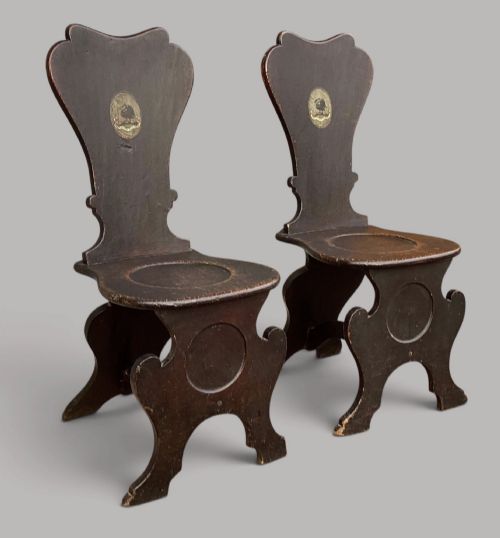
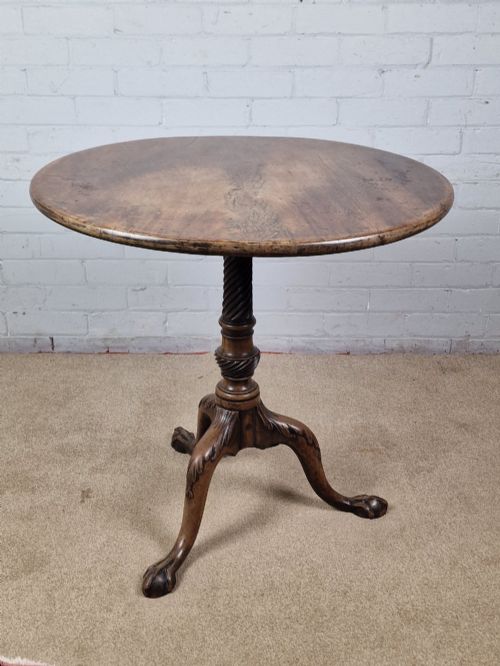
Irish George II furniture comprises tables, chairs, stools, and bureaux dating predominantly from the 18th century. Buyers searching for irish george ii furniture encounter side tables, card tables, tilt-top tables, and console tables alongside seating forms like side chairs and footstools.
The pieces on this page originate from the Georgian period, often around the middle of the century. They demonstrate the distinctive proportions and heavier carving associated with Irish workshops of that era.
Form and function range from dining tables and silver tables to small occasional pieces. Walnut, red walnut, and mahogany dominate the selection available to collectors.
Materials and construction methods
Makers utilised dense timbers including mahogany, walnut, red walnut, and elm for primary frames and structural components. These woods were selected for their weight and grain, allowing craftsmen to carve deep relief patterns directly into the material.
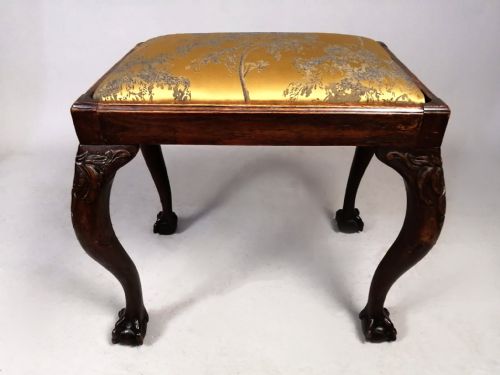
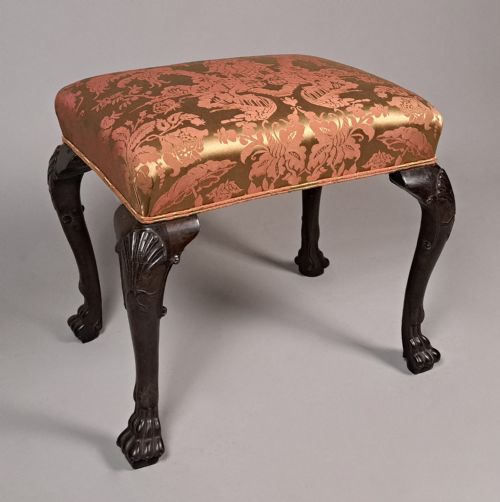
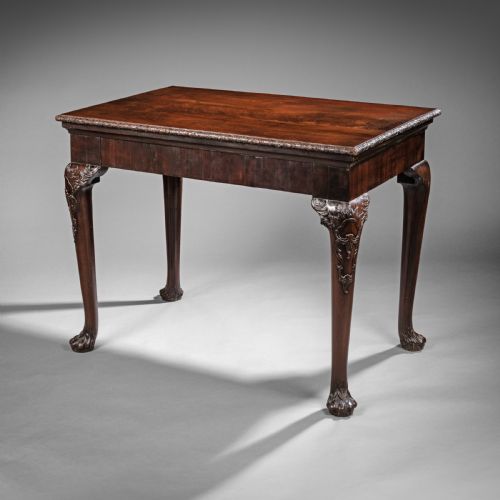
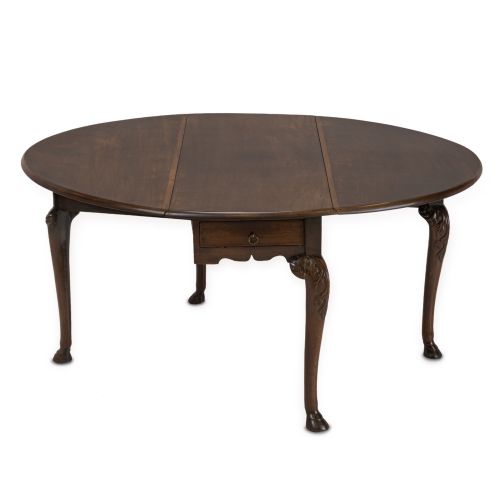
Surface detailing often incorporates carved cabriole legs terminating in hoof feet. Upholstered forms integrate secondary materials such as brass, silk, damask, and tapestry fabric for seating elements.
Joinery techniques support heavy top surfaces on console and silver tables, while tilt-top mechanisms rely on pivoting wooden blocks and brass fittings.
Materials recorded on this page include brass hardware alongside silk, damask, and tapestry upholstery fabrics.
Assessing quality and execution
The distinction between standard items and finer examples rests on the depth and crispness of the carving. Superior pieces display intricate work on cabriole legs and rails, whereas simpler items rely on plain timber surfaces.
Timber selection marks another clear division in quality. The use of figured red walnut or richly grained mahogany elevates a piece above those constructed from standard walnut or elm.
Originality of components, from top surfaces to footstool frames, dictates the integrity of each item. Tables with untouched timber tops and unaltered bases hold greater weight among collectors.
The Irish George II Furniture Glossary
- Cabriole leg
- A furniture leg that bends outward in a convex curve and tapers inward in a concave curve, mimicking animal limbs. This form frequently terminates in a carved foot.
- Hoof foot
- A carved furniture foot shaped to resemble the hoof of an animal, commonly seen on mid-18th-century tables and chairs.
- Silver table
- A rectangular occasional table with a raised gallery or edge, designed for serving tea or displaying silver items.
- Tilt top table
- A table featuring a mechanism that allows the top to pivot to a vertical position when not in use.
- Red walnut
- A rich variety of walnut timber displaying warm reddish tones, favoured for high-status cabinet-making during the Georgian era.
Irish George II Furniture: Frequently Asked Questions
What defines Irish George II furniture?
These pieces originate from the 18th century and are distinguished by heavy proportions, dense timbers such as mahogany and walnut, and robust carved ornament.
Craftsmen in Ireland developed particular regional traits, including pronounced cabriole legs and deep relief carving on tables and seating.
How were silver tables used?
Silver tables served as specialised display or serving surfaces for valuable tea services and silver tableware in prosperous homes.
Their raised edges and sturdy frames supported heavy metal objects during formal social gatherings.
What timbers appear most often?
Mahogany and walnut form the basis of most pieces, with variations like red walnut and elm appearing across tables and chairs.
These hardwoods provided the structural strength required for heavy carving and frequent daily use.
How do tilt-top tables function?
A tilt-top table uses a pivoting mechanism beneath the surface that allows the wooden top to swing from horizontal to vertical.
This design enabled owners to store the table flat against a wall when floor space was needed.
Are these pieces suitable for daily use?
Solid construction and durable hardwoods make these tables and chairs robust enough for contemporary living.
Placing them in stable environments protects the antique timber and traditional upholstery fabrics from excessive wear.