


Antique Circular Pedestal Table
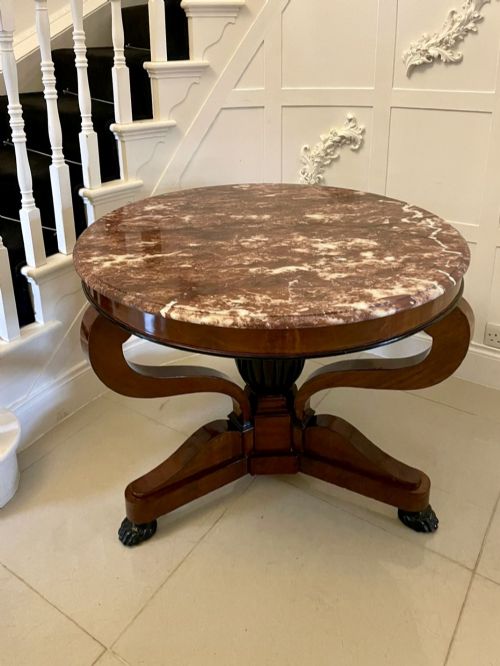
An antique circular pedestal table brings a central column and round top into a room, offering both versatile surface space and classic proportion.
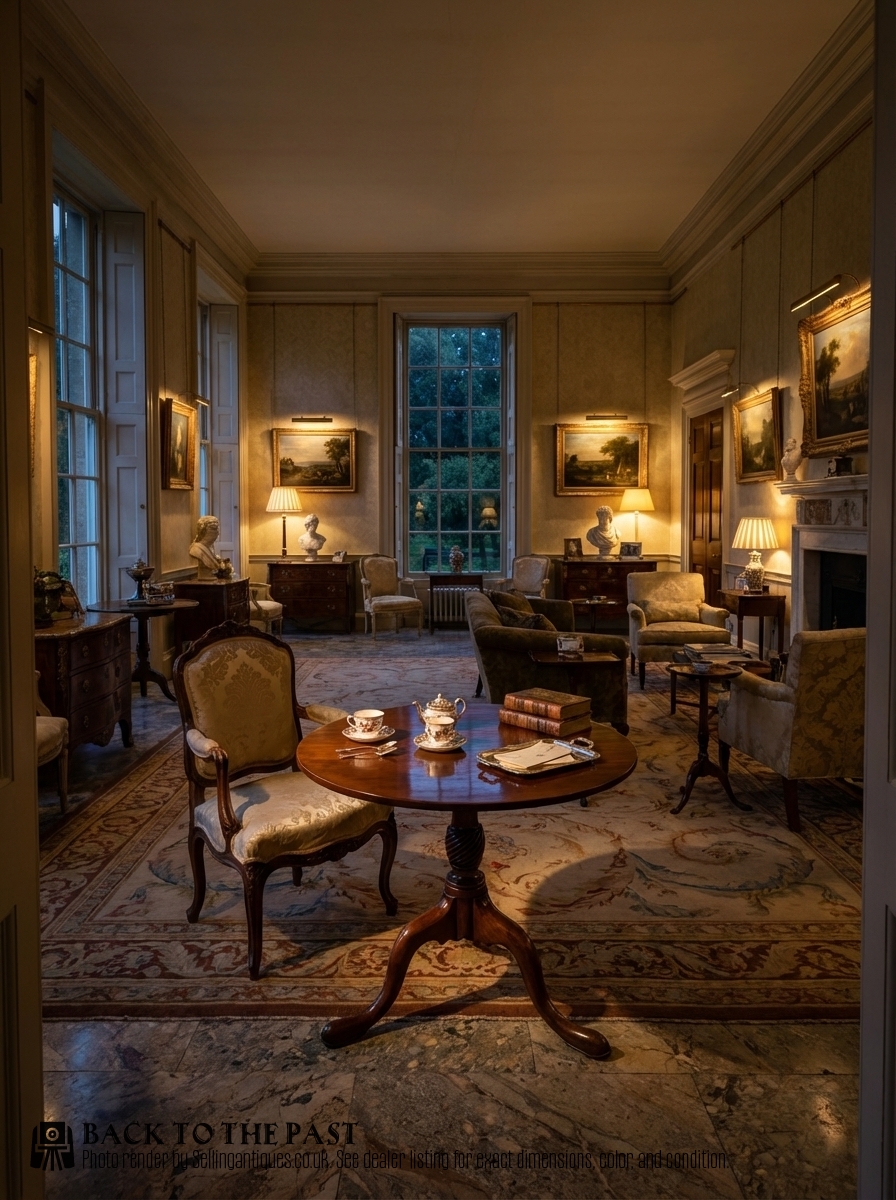
Types and Periods
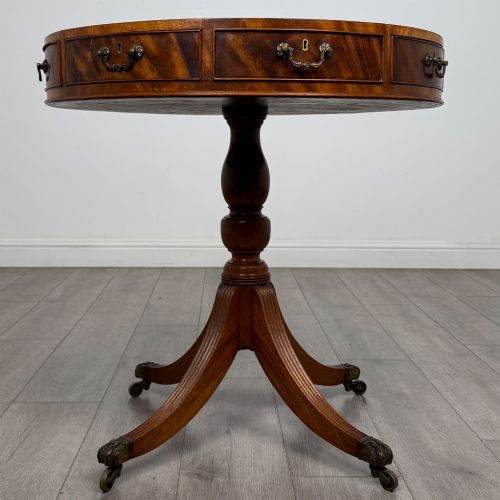
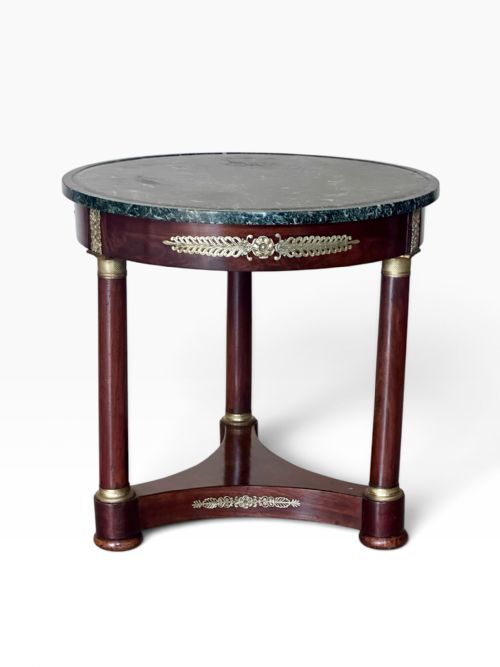
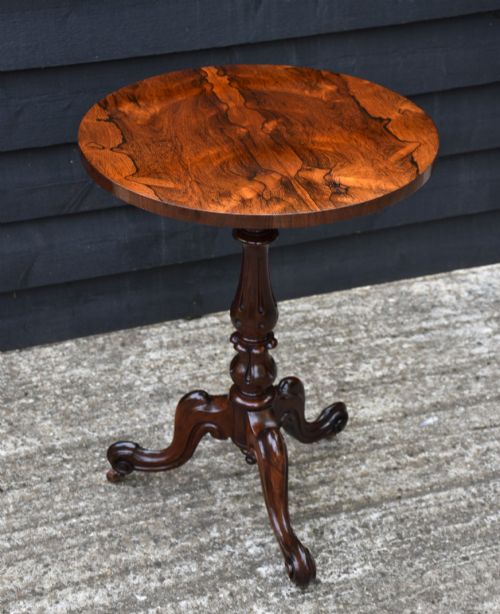
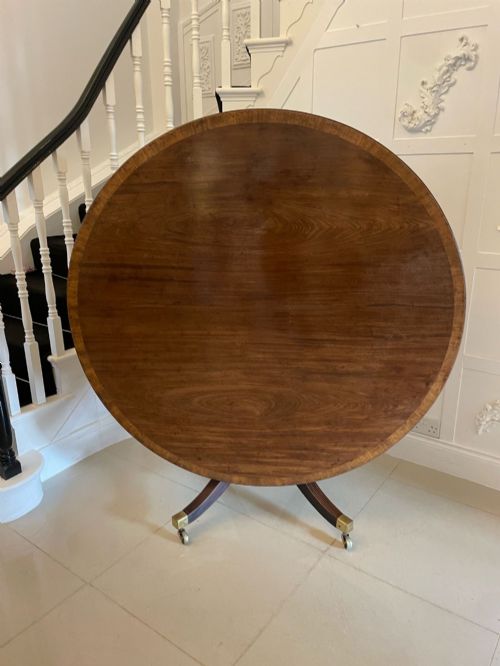
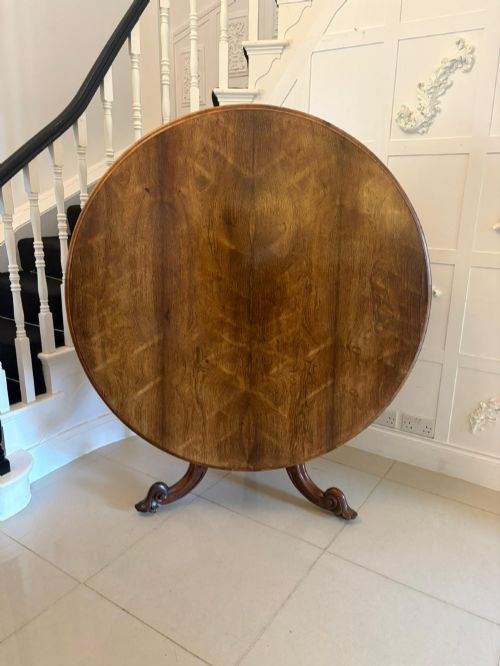
An antique circular pedestal table brings together a round top supported by a single central column and footing, appearing across the Georgian, Regency, and Victorian eras. These pieces function variously as centre tables, occasional tables, lamp tables, wine tables, and dining tables depending on their overall scale.
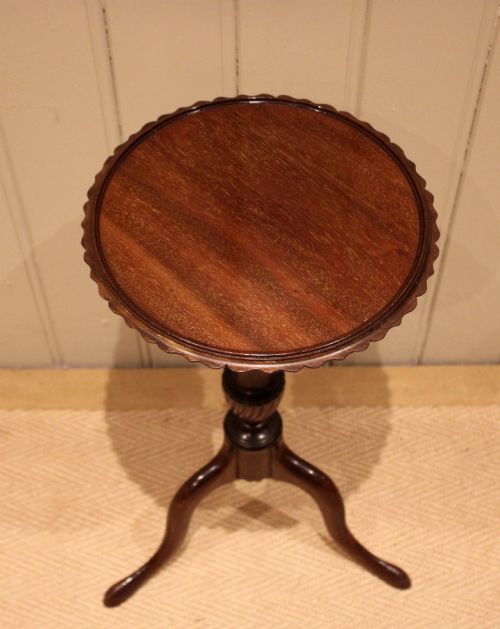
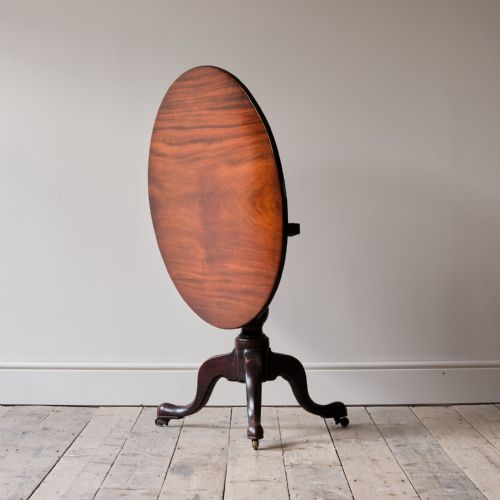
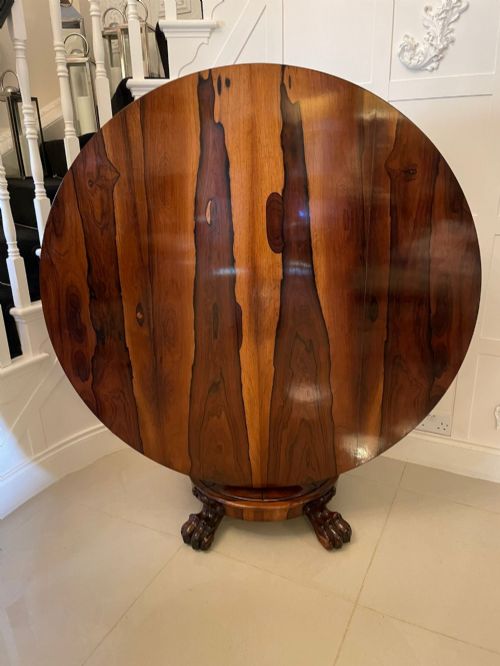
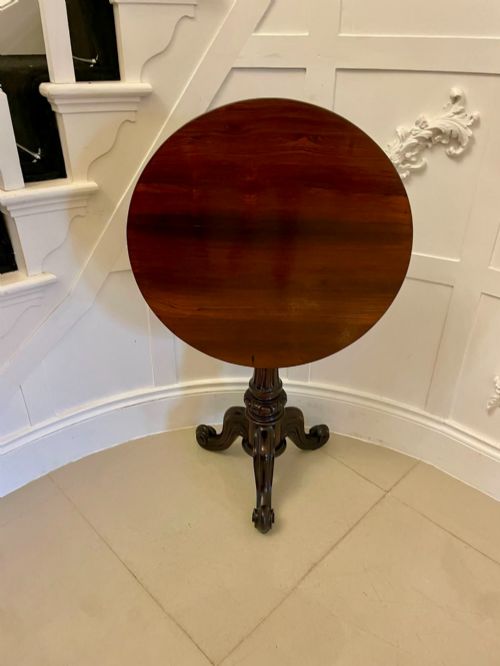
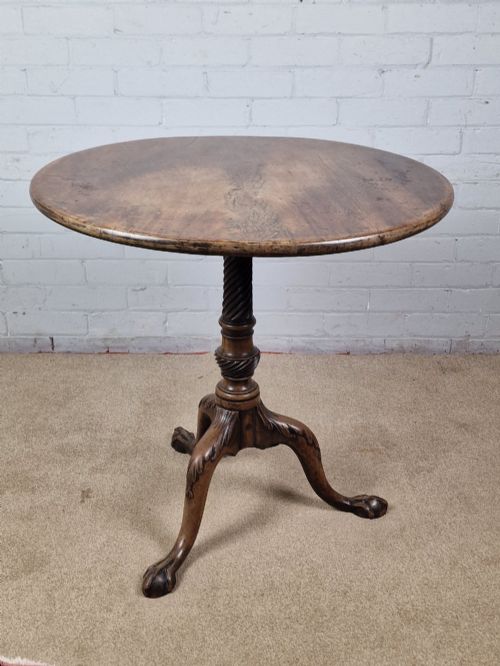
The selection ranges from early 18th century tripod bases in mahogany and walnut to robust William IV and Regency examples in rosewood, goncalo alves, and burr walnut. Smaller tripod forms often feature tilt-top or birdcage mechanisms for practical storage against a wall when not in use.
Materials and Construction
Cabinetmakers utilised solid timbers and figured veneers, selecting mahogany, walnut, oak, and exotic woods such as goncalo alves and rosewood. Tops frequently employ single-piece boards or book-matched veneers laid over stable secondary foundations.
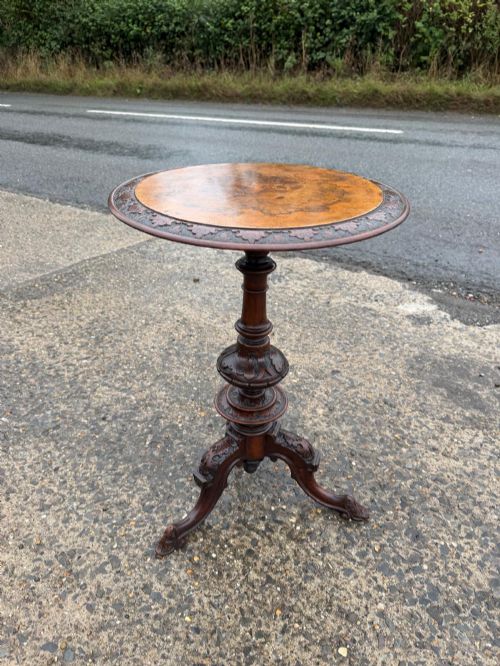
Support structures rely on heavy turned pillars, faceted columns, or tripartite and quadrupartite tripod legs, sometimes incorporating iron bracing or intricate birdcage and tilt-top actions beneath the surface.
Retail Price Guide 2026
Typical UK retail prices for circular pedestal table, calculated from the Sellingantiques database of over a million retail prices indexed since 2003. This retail price guide relies exclusively on Sellingantiques data; no external sources or auction records are used, so the figures do not describe the wider market.
Materials recorded across the tables include mahogany, walnut, burr walnut, oak, rosewood, goncalo alves, iron, and general timber.
Craftsmanship and Proportion
Quality rests in the choice of timber and the natural figuring of the wood grain across the circular top, where superior pieces display matched veneers or flawless single-board construction. The stability of the central pillar and the crispness of the carving on the pedestal base also define the standard of the work.
The Antique Circular Pedestal Table Glossary
- Pedestal table
- A table supported by a central pillar or column rather than four corner legs. This form allows unobstructed seating around the perimeter.
- Birdcage action
- A wooden framework beneath the table top that enables the surface to both pivot and tilt. It typically incorporates small wooden spindles resembling a cage.
- Tilt-top table
- A table designed with a mechanism allowing the circular top to fold into a vertical position. This saved floor space in historical domestic interiors.
- Tripod base
- A pedestal support terminating in three individual feet or legs. These are commonly found on smaller occasional and wine tables.
- Goncalo alves
- A dense exotic hardwood with striking contrasting grain patterns. It was utilised during the Regency and William IV periods for decorative cabinet work.
Frequently Asked Questions
How were pedestal tables used historically?
Smaller tripod and wine tables served movable purposes in the parlour or drawing room for holding lamps, drinks, or books. Larger centre and dining tables occupied the middle of principal rooms for dining or display.
Tilt-top and birdcage variants allowed users to clear floor space quickly by folding the surface flat against the wall when not in daily use.
What is a birdcage action?
A birdcage action is a rotating and pivoting mechanism placed directly beneath the circular top of an occasional table. It consists of small vertical wooden turnings enclosed in a frame.
This construction lets the top spin horizontally and tilt vertically without straining the central pillar.
Are these tables suitable for modern rooms?
The compact footprint of a central column makes circular tables practical for modern seating arrangements. Without corner legs obstructing chairs, people can sit comfortably around the perimeter.
Occasional and lamp tables fit easily beside sofas or in corners, while larger centre examples anchor an open room.