

Carved Claw Ball Foot
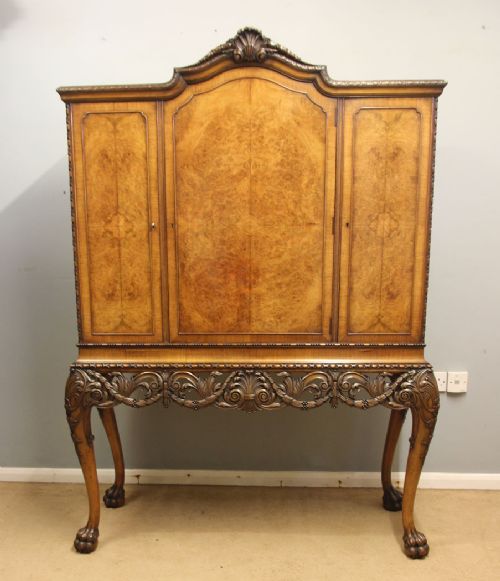
A carved claw ball foot anchors tables, chairs, and desks across Georgian, Victorian, and Edwardian periods.
Carved Claw Ball Foot
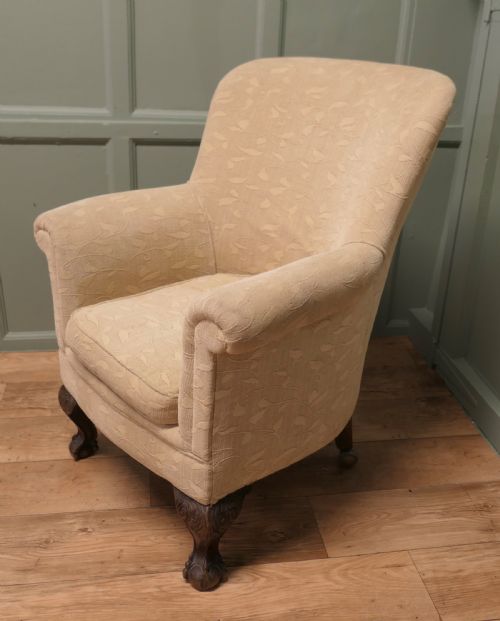
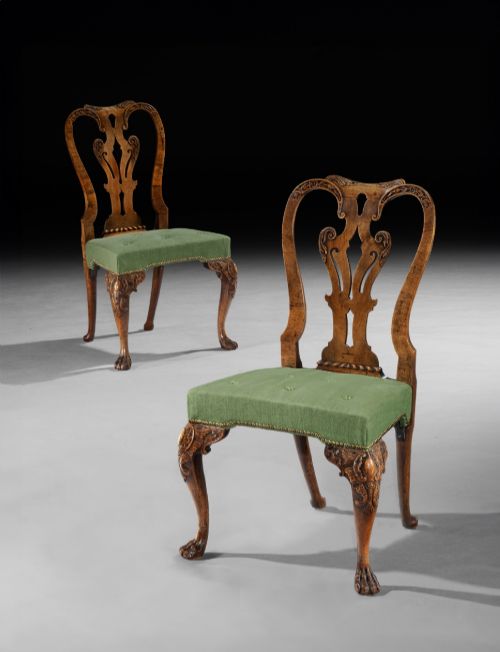
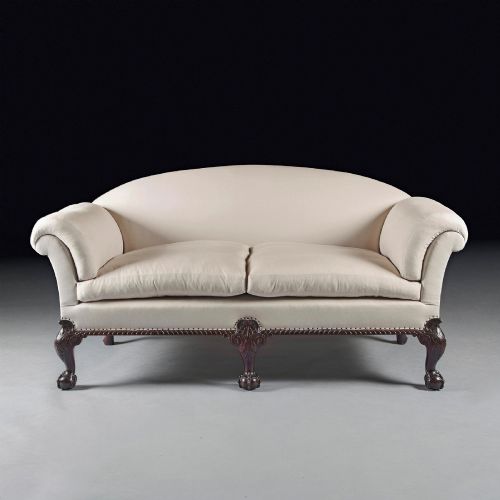
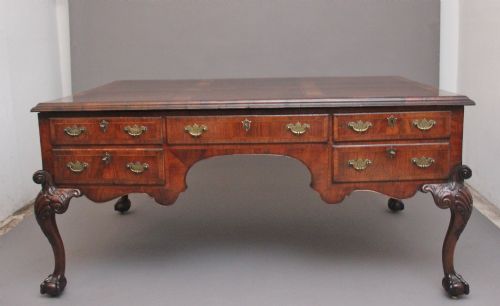
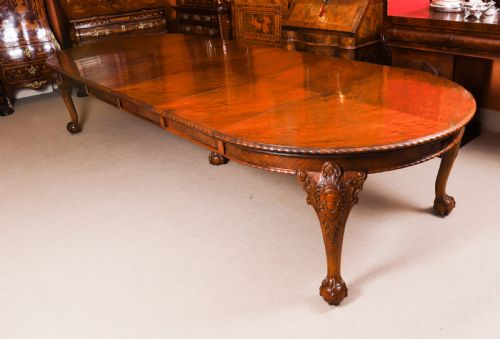
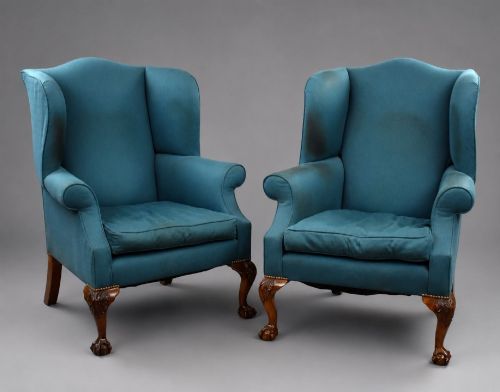
When you search for carved claw ball foot pieces, you encounter seating, tables, and desks spanning the eighteenth, nineteenth, and early twentieth centuries. The form typically grounds heavy timber framework, appearing on the legs of dining chairs, armchairs, card tables, and side tables.
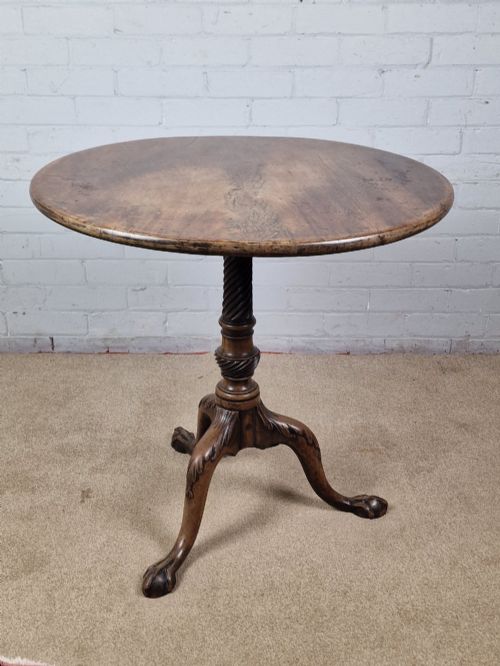
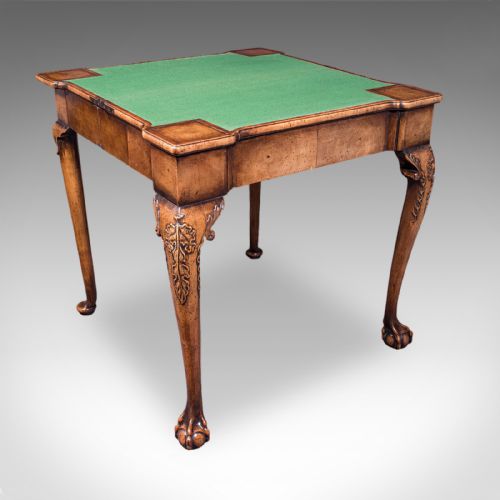
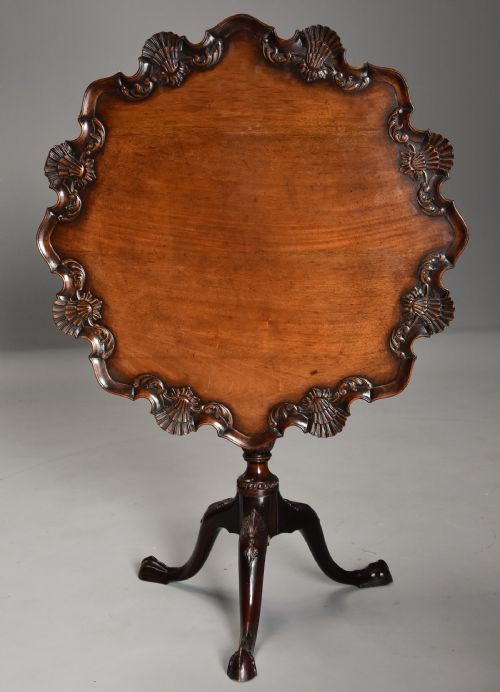
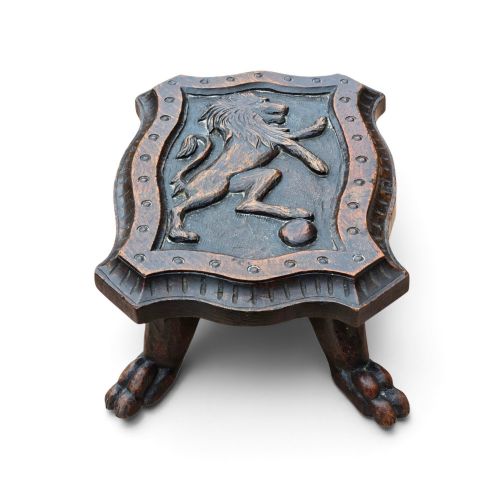
The selections on this page draw heavily from Georgian origins alongside later revival movements, notably Chippendale, Queen Anne, and Georgian Revival styles. These items range from Irish tilt-top tables and walnut card tables to Victorian footstools and Edwardian armchairs.
You meet a variety of occasional furniture where this specific foot carving provides the primary decorative finish. The motif appears on domestic seating and display items intended for formal reception rooms.
How they were made
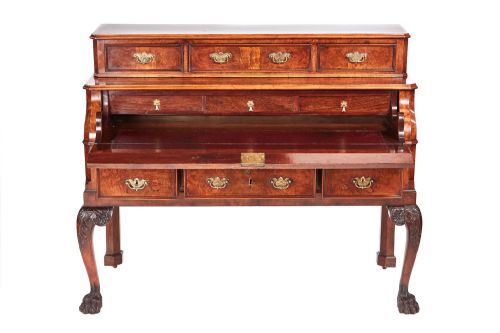
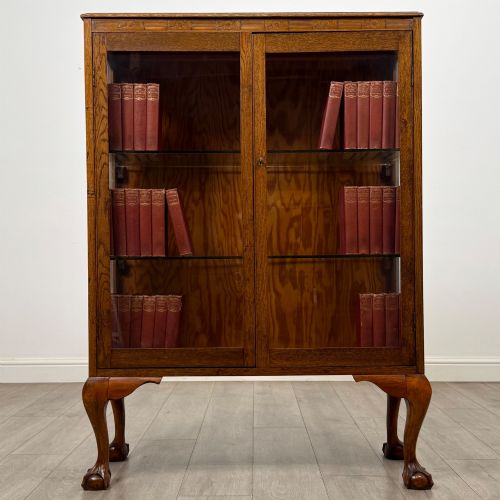
Makers utilised solid timbers such as mahogany, walnut, and oak to construct the main frames, frequently applying burr walnut or flame mahogany veneers to visible surfaces. These woods provide the structural strength required to shape and support detailed leg terminals.
Craftsmen carved the talon and sphere motifs directly into the timber of the foot, sometimes adding upholstery, leather inserts, or marquetry inlay to complete the piece.
Object forms include dining chairs, occasional tables, card tables, desks, vitrines, and footstools.
What varies in quality
The definition and depth of the timber carving dictate the visual standard of the foot, distinguishing sharp talons from soft, worn contours. Proportion between the ball and the grasping claws reveals the skill of the maker.
Selection of primary timbers, such as figured mahogany or burr walnut with rich grain patterns, separates standard production items from high-status furniture.
Howard and Sons·Maple and Co·Giles Grendey·Gillows
The Carved Claw Ball Foot Glossary
- Tilt top table
- A small table with a hinged top that folds vertically to save space when not in use. These often stand on tripod bases ending in claw and ball feet.
- Card table
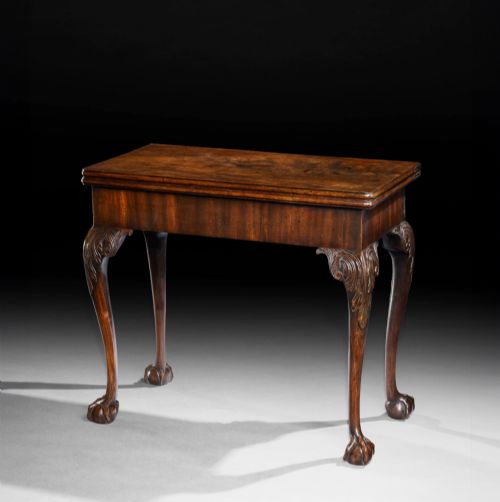
- A folding table designed for gaming, frequently fitted with concertina actions or concertina frames. They appear widely in eighteenth and nineteenth-century inventories.
- Tilt top tripod table
- A circular table supported by a central pillar and three spreading legs. The feet on these examples commonly take animal or avian forms.
- Pedestal desk
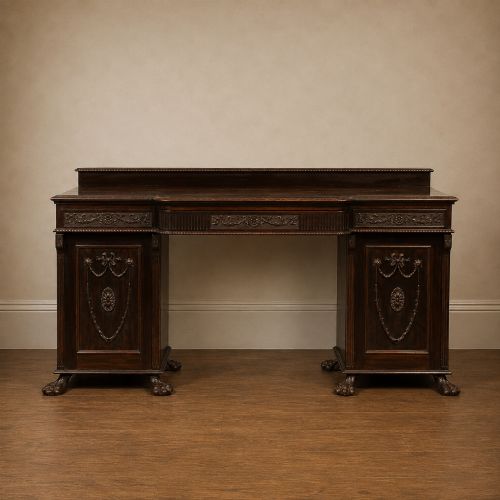
- A large writing table composed of two supporting stacks of drawers with a central recess. They utilise heavy timber construction and substantial foot supports.
- Marquetry
- The art of applying pieces of veneer to a structure to form decorative patterns. This technique decorates surfaces on eighteenth-century cabinets and tables.
Carved Claw Ball Foot: Frequently Asked Questions
What periods do these pieces come from?
The items span the eighteenth, nineteenth, and early twentieth centuries, covering Georgian, Victorian, and Edwardian eras. Revival styles from the nineteenth century also replicate earlier eighteenth-century designs.
Cabinetmakers across these periods utilised traditional timbers like mahogany and walnut to produce seating and tables featuring this specific foot motif.
How do I identify a revival piece?
Revival pieces draw on Georgian, Queen Anne, or Chippendale aesthetics while bearing nineteenth or early twentieth-century construction methods. Examining the secondary timbers and internal framing reveals the true age of the item.
Stylistic cues often mix historical proportions with manufacturing techniques specific to later Victorian or Edwardian workshops.
What timbers were used for these items?
Makers relied predominantly on mahogany and walnut, alongside oak for internal framing and secondary supports. Burr walnut and flame mahogany veneers appear frequently on the surfaces of desks and cabinets.
These dense hardwoods allowed carvers to execute detailed claw and ball terminals without compromising structural integrity.
Where were these pieces used originally?
Furniture with carved claw ball feet populated formal reception rooms, libraries, and dining parlours in period homes. Card tables, tea tables, and sideboards served specific domestic functions for entertaining guests.
Seating such as wing back armchairs and dining chairs provided functional comfort in sitting rooms and formal dining spaces.