
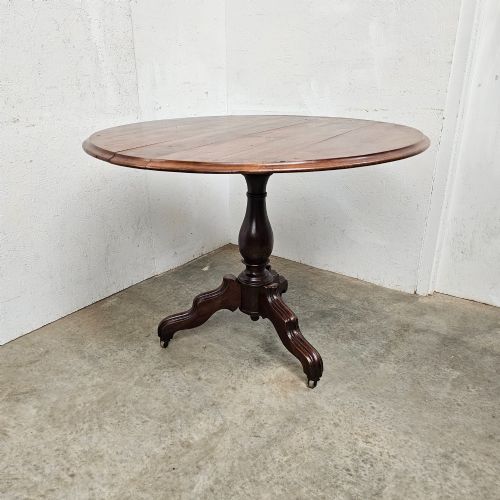
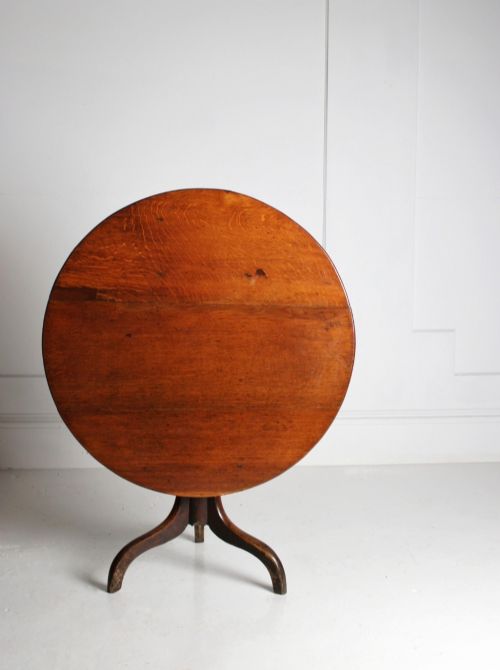


Antique Circular Supper Table
An antique circular supper table brings the social dining of the eighteenth and nineteenth centuries into a modern interior with grace.
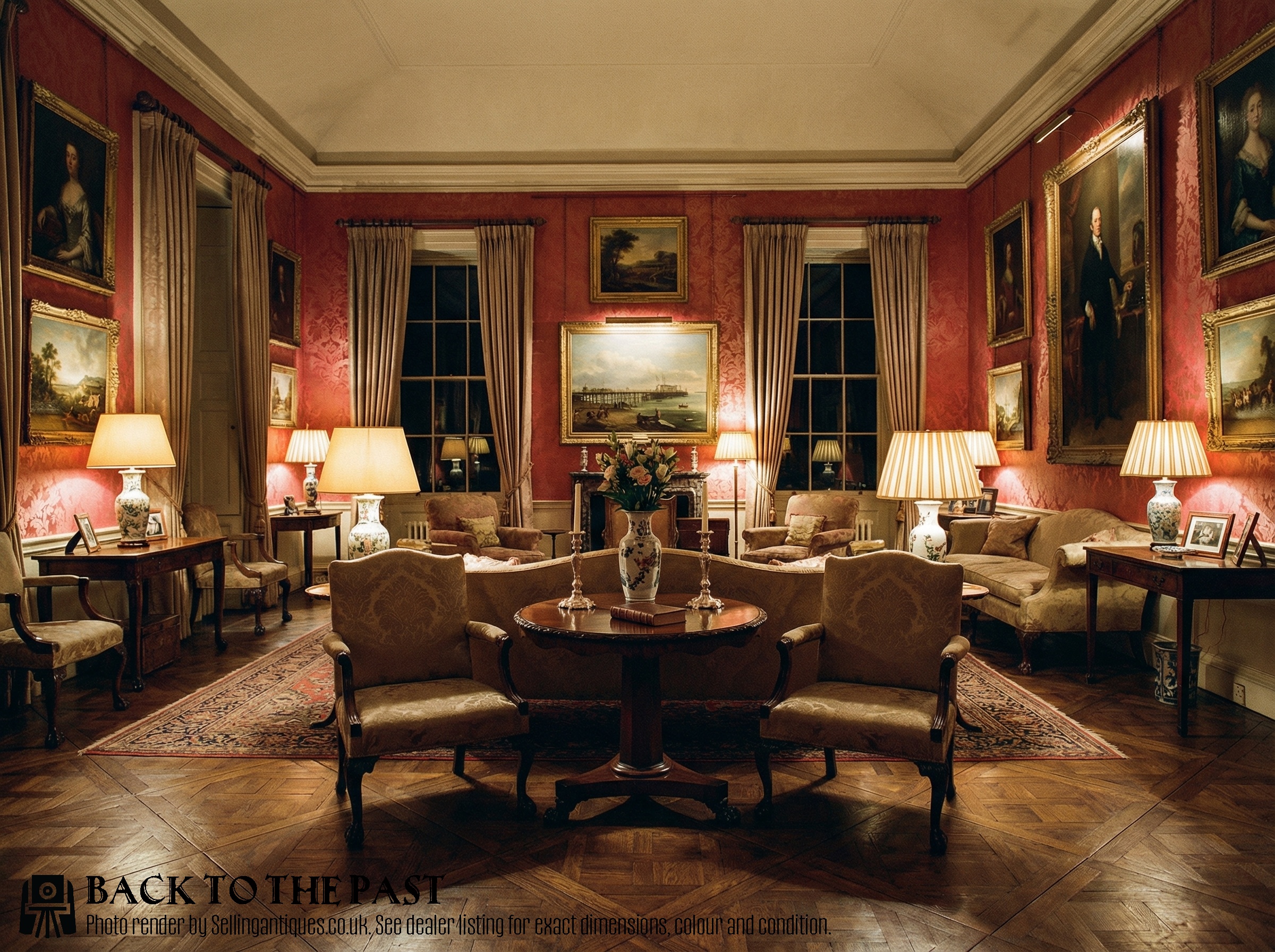
Antique Circular Supper Table
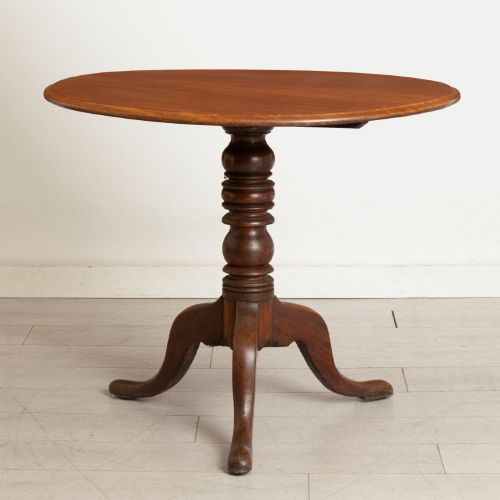
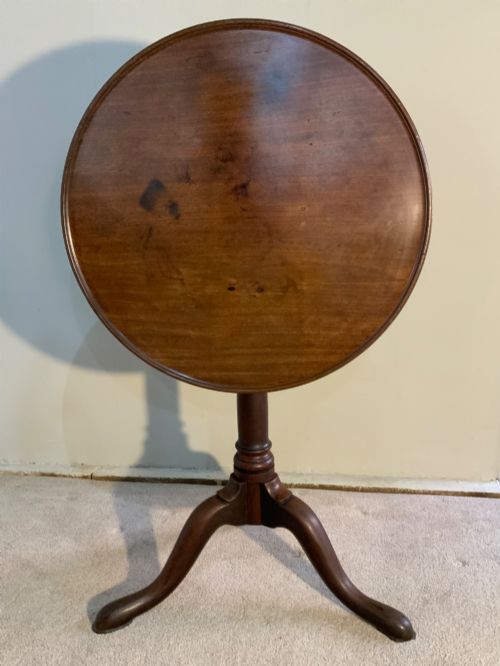
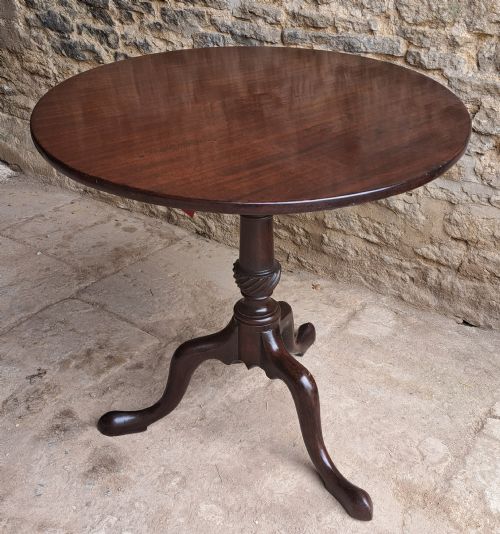
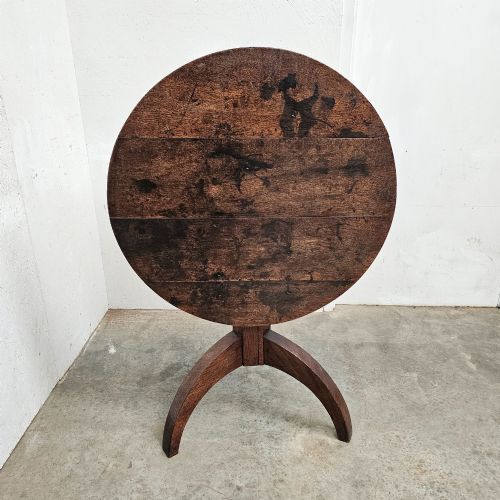
When you search for an antique circular supper table, you encounter compact dining and occasional pieces primarily from the Georgian, Regency, and Victorian periods. These pieces are designed for domestic hospitality, providing a surface for evening meals and social gatherings.
The most common form on this page is the tripod table featuring a tilt top or snap top mechanism, allowing the top to pivot vertically when not in use. You also find drop leaf gate leg constructions and pedestal designs suited for four seats or casual parlour use.
The origins span English workshops and 18th century Italian studios, utilising timbers such as mahogany, oak, walnut, and rosewood. These variations reflect the changing domestic habits from grand country houses to smaller reception rooms.
Materials and construction
Cabinet makers constructed these tables predominantly from dense hardwoods, with mahogany and oak appearing frequently alongside walnut, satinwood, and rosewood. Timber selection dictated the structural integrity of the central column and the spread of the tripod legs.
Mechanisms such as the birdcage action allowed the circular top to revolve and tilt smoothly on its pivot. Brass fittings and iron components reinforced hinges, latches, and pivoting joints on drop leaf and gate leg iterations.
Antique Circular Supper Table Retail Price Guide 2026
Typical asking prices for circular supper table among the pieces listed under this phrase on Sellingantiques today, from the lower quarter to the upper quarter. They describe what is for sale here now, not the wider market.
A birdcage action lets your supper table spin in circles while you decide whether to take another slice of cake.
What separates the finest examples
Quality rests in the grain pattern of the timber, such as single piece mahogany tops or figured walnut surfaces, and the crispness of edge details like pie crust moulding. Superior examples exhibit balanced proportions between the diameter of the top and the reach of the tripod base.
The sophistication of the movement distinguishes high workshop output from simpler utilitarian pieces. A well fitted birdcage action or snap top latch operates without lateral play, demonstrating precise carpentry that endures across centuries.
John Bivins
The Antique Circular Supper Table Glossary
- Tilt top
- A mechanism allowing the tabletop to pivot to a vertical position for storage against a wall. This space saving innovation is standard on many tripod tables.
- Birdcage action
- A rotating wooden frame situated beneath the tabletop that enables the surface to spin and tilt independently of the pedestal. It represents a more complex level of joinery.
- Tripod base
- A pedestal support terminating in three legs, often shaped with pad feet or claw and ball terminals. This configuration ensures stability on uneven floors.
- Pie crust edge
- A raised, carved moulding along the perimeter of the tabletop resembling pastry work. This decorative flourish requires skilled hand carving.
- Snap top
- A spring loaded or catch mechanism that secures the tilting tabletop in a horizontal position during use. It prevents accidental movement while dining.
Antique Circular Supper Table: Frequently Asked Questions
What is a supper table used for?
These tables served evening meals, card games, and social gatherings in Georgian and Victorian parlours. Their compact circular format encouraged conversation among small groups.
Today they function effectively as lamp tables, occasional centre tables, or small dining surfaces in contemporary living spaces.
How do tilt top tables work?
A pivot block beneath the top connects to a central pillar, held by a catch or a complex birdcage framework. This allows the surface to lift vertically when the room needs to be cleared.
Owners historically stored them against walls to maximise floor space between meals.
What woods were used for these tables?
Cabinet makers relied heavily on imported mahogany and native English oak, alongside walnut, rosewood, and satinwood. Selection depended on the period and the commissioning patron's budget.
Figured veneers and solid timber planks defined the visual character of each piece.
How can I date an antique table?
Dating relies on stylistic clues, construction methods, and timber choice, moving from rustic oak country pieces to refined mahogany Georgian tripod designs and Victorian rosewood models.
Mechanisms such as birdcage actions and hand cut joinery offer further chronological markers.