

Georgian Tripod Wine Table
A Georgian tripod wine table brings compact, portable elegance to a room, offering a sturdy pillar base topped by a clever tilting surface.
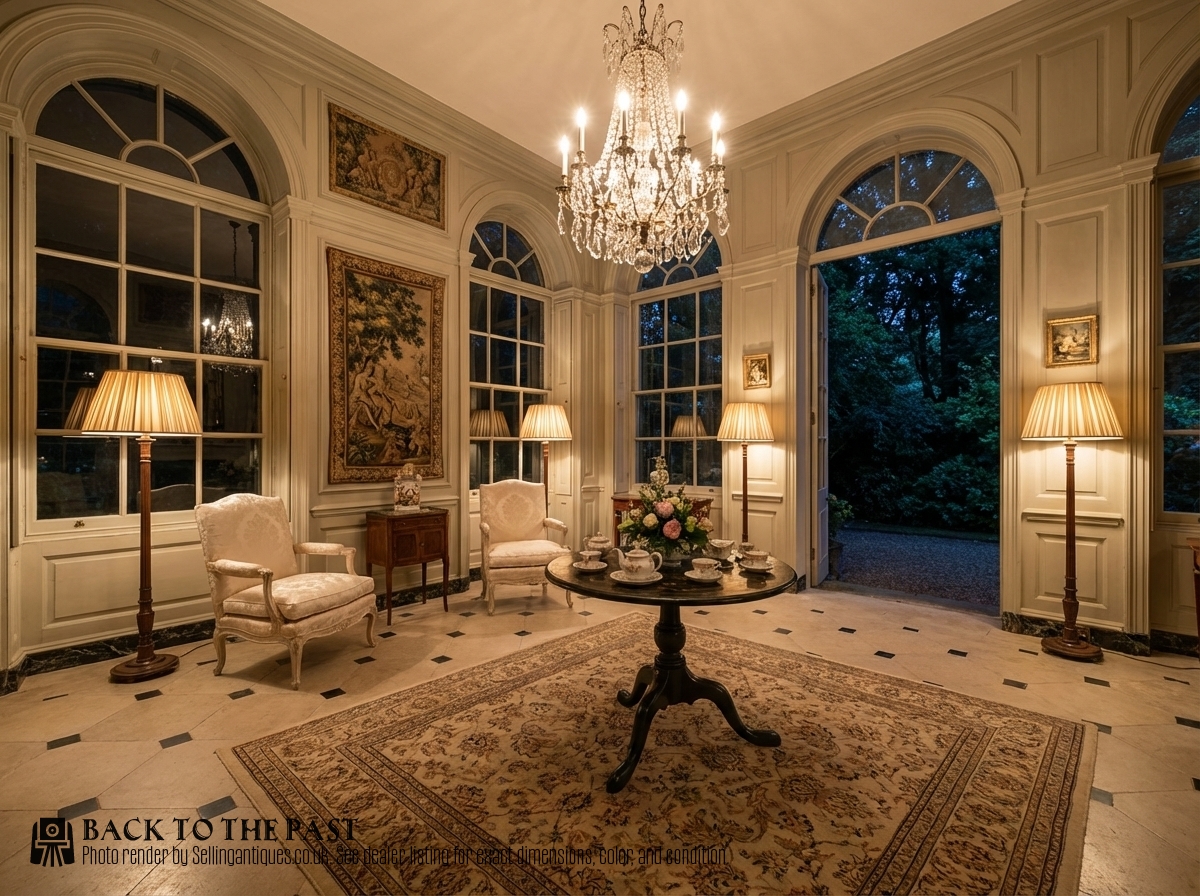
Georgian Tripod Wine Table
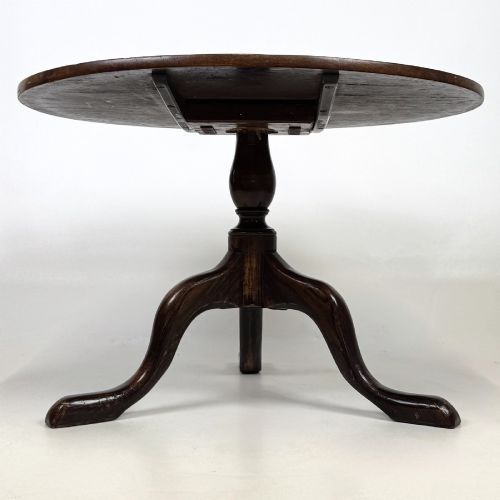
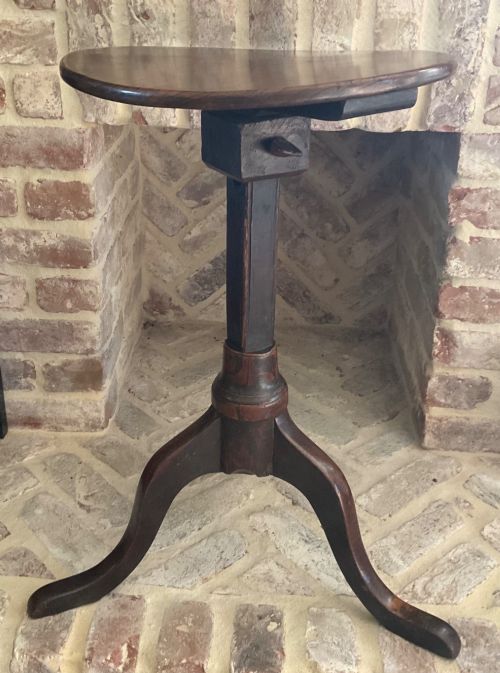
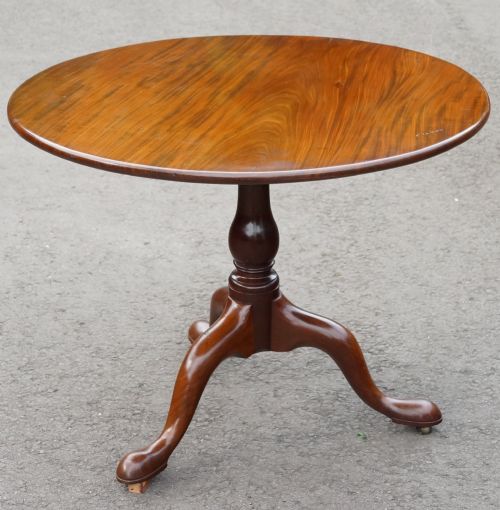
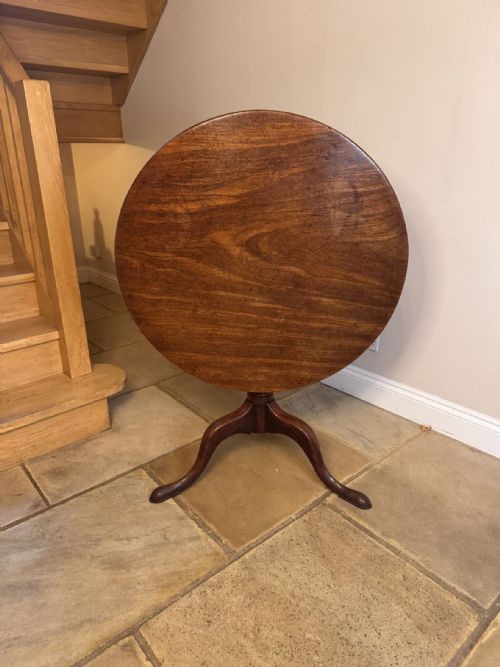
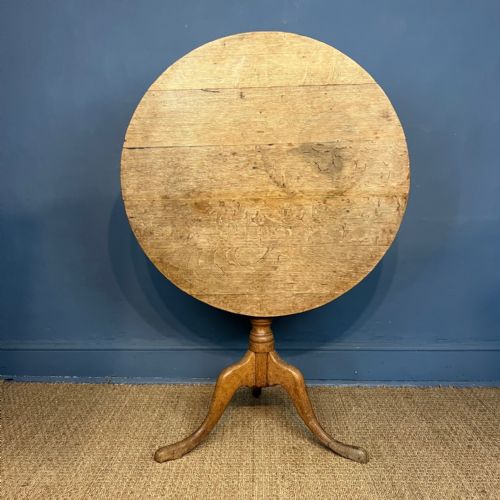
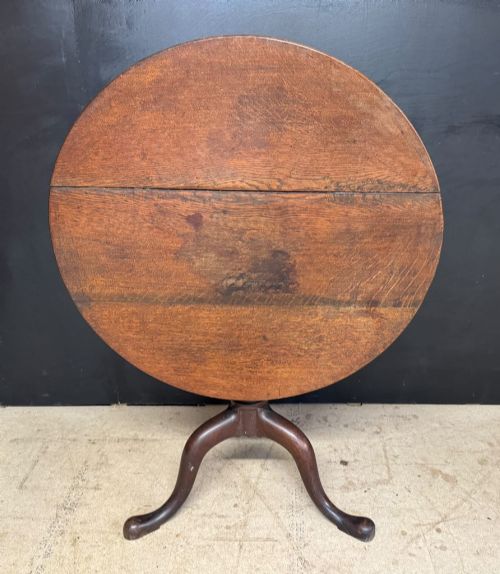
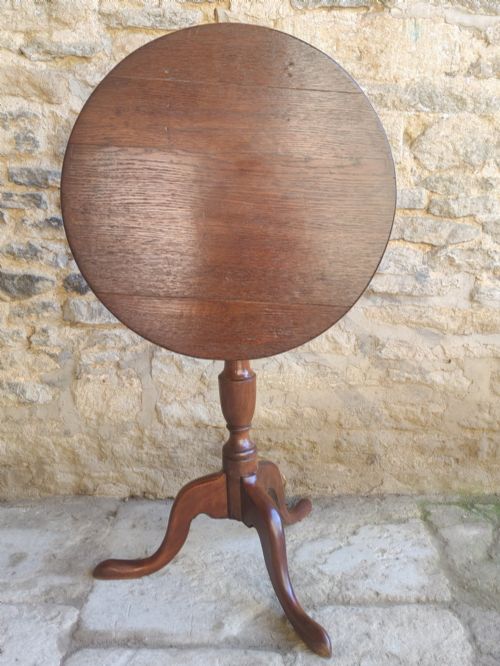
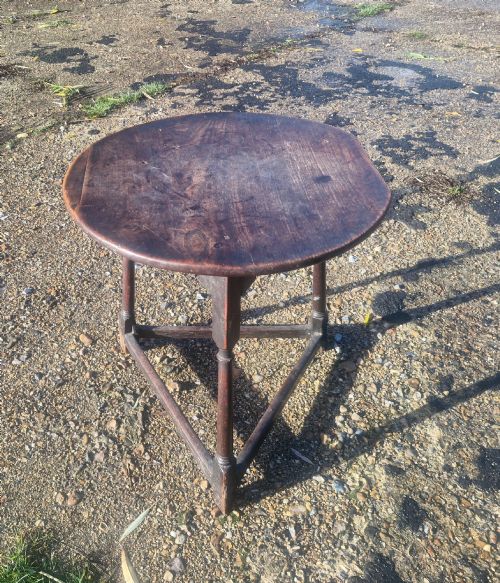
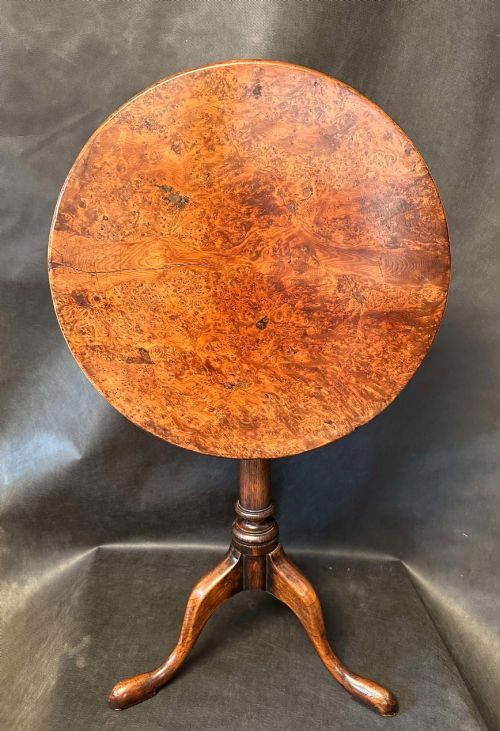
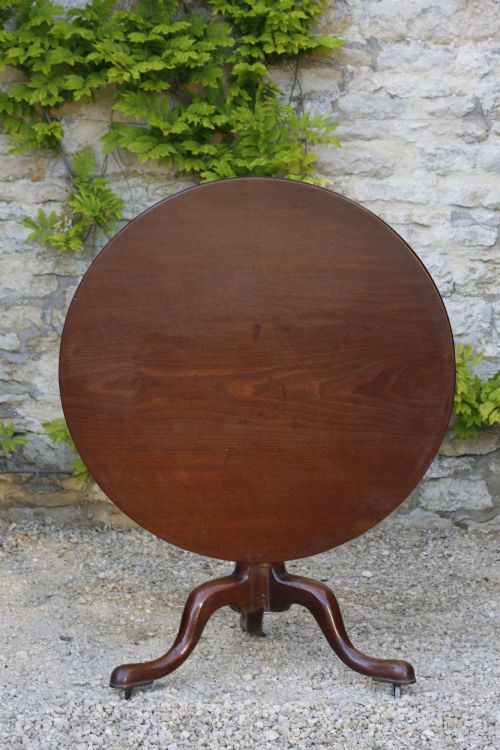
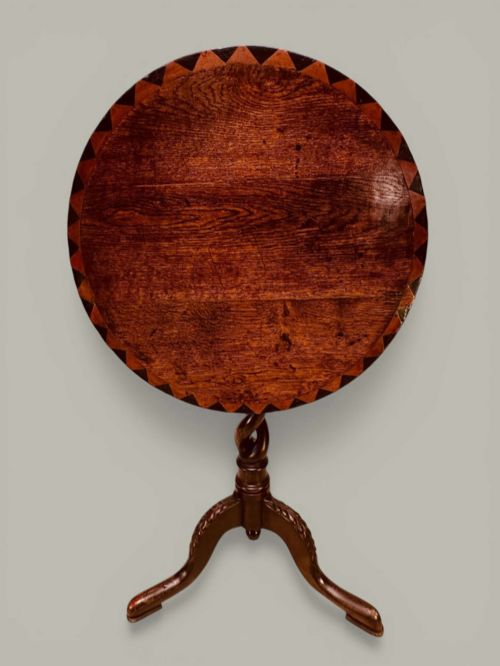
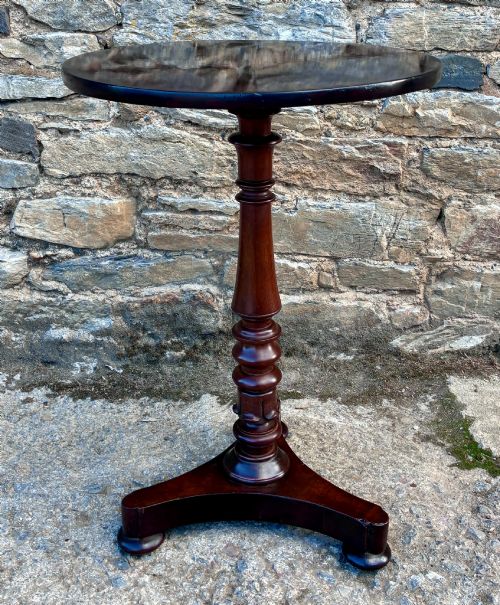
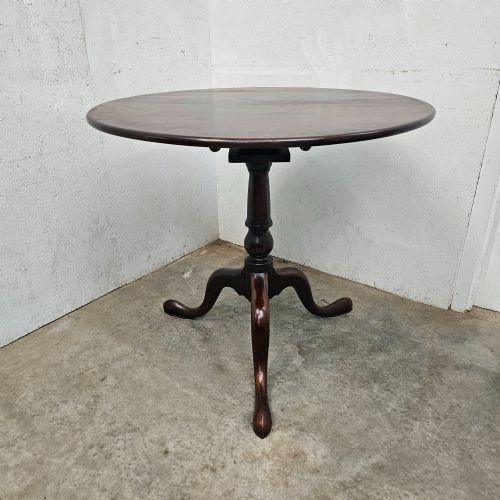
A georgian tripod wine table is a small, portable piece designed to hold glasses or bottles near seating areas, typically featuring a circular or oval wooden top supported by three splayed legs. These items served dining and parlour functions in eighteenth and nineteenth-century households.
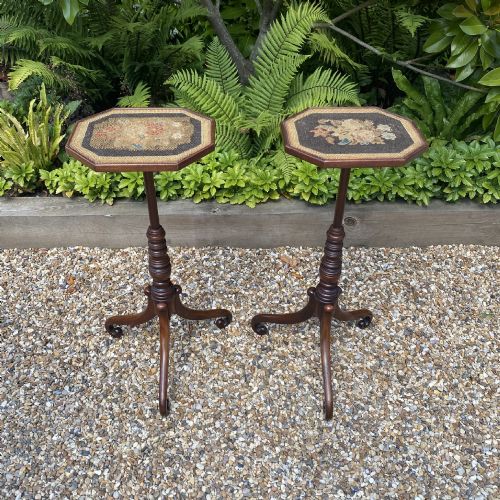
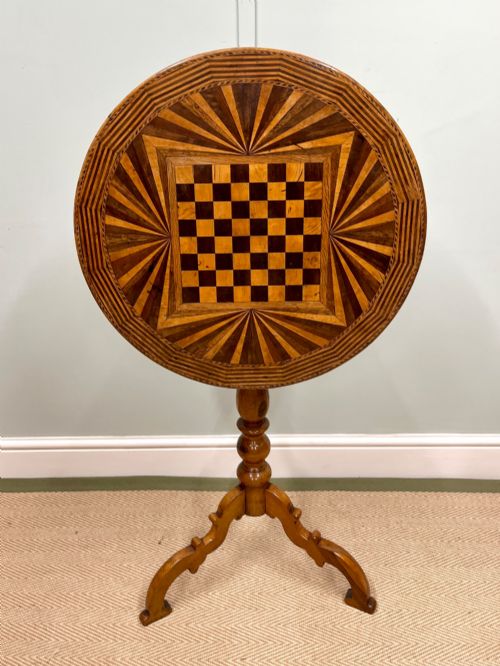
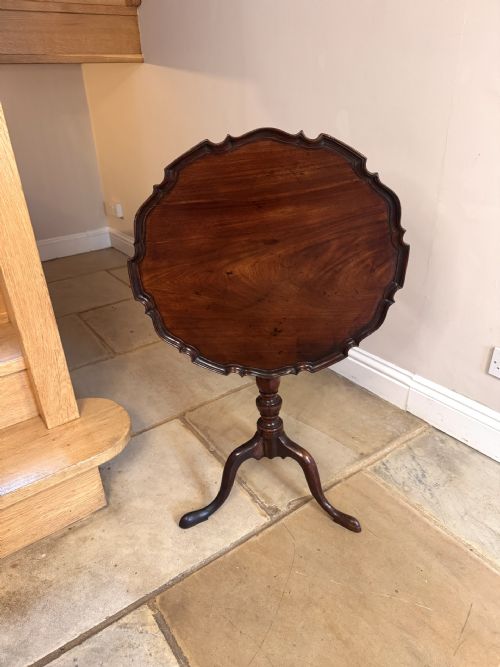
Makers utilised various top forms, ranging from plain round boards to raised pie crust edges, dish tops, and occasional octagonal shapes. These variations reflect the specific domestic requirements and stylistic preferences of the period.
How they were made
Cabinetmakers constructed the central pillar from turned hardwood, connecting it to three shaped legs using dovetailed or tenoned joints that provided stability to the narrow frame. Timbers such as mahogany, oak, walnut, and elm supplied the structural strength needed for daily use.
The top often attached to a birdcage mechanism or a wooden block allowing rotation and tipping, a complex piece of joinery requiring precise hand-fitting. Turning lathes shaped the central pedestals, while hand-carving defined the details on knees and feet.
Georgian Tripod Wine Table Retail Price Guide 2026
Typical asking prices for georgian tripod wine table among the pieces listed under this phrase on Sellingantiques today, from the lower quarter to the upper quarter. They describe what is for sale here now, not the wider market.
Table tops appear in round, oval, octagonal, and dish-topped configurations alongside tilt-top variations.
What varies in quality
The distinction between ordinary and superior pieces rests on the choice of timber, such as Cuban mahogany or figured walnut, and the crispness of the turning on the central pedestal. Hand-carved details on the knees of the tripod legs show the skill of the original maker.
Proportion and balance dictate the architectural success of the form, ensuring the three splayed legs support the top securely without appearing clumsy. The integrity of the pivoting mechanism indicates the original standard of craftsmanship.
Gillow
The Georgian Tripod Wine Table Glossary
- Tilt-top
- A hinged table mechanism allowing the surface to fold vertically for storage against a wall. This space-saving design is characteristic of eighteenth-century occasional tables.
- Birdcage
- A timber framework beneath the table top that permits the surface to both rotate and tilt. This assembly indicates superior construction quality in period pieces.
- Tripod
- A base consisting of three legs radiating from a central turned column. This configuration ensures stability on uneven floors.
- Dish top
- A surface with a concave centre carved directly from the solid wood of the top. This feature prevented glassware from sliding off.
Georgian Tripod Wine Table: Frequently Asked Questions
What is a tilt-top mechanism?
A tilt-top mechanism uses a hinged block or birdcage assembly beneath the surface, allowing the table top to pivot to a vertical position. This design enabled servants to store multiple tables compactly against the perimeter of a room when entertaining finished.
Cabinetmakers engineered these joints to lock securely in the horizontal position during use. The presence of a functional pivoting mechanism adds mechanical interest to surviving examples.
How were wine tables used?
These small stands held decanters, glasses, and candles near seating areas during evening assemblies and dining. Their portable nature allowed servants to reposition them easily according to the guests' requirements.
They functioned primarily as mobile refreshment surfaces rather than permanent fixtures. Their compact footprints suited the intimate drawing rooms of the period.
How do I spot a Georgian piece?
Authentic Georgian examples display period timber characteristics, such as dense Cuban mahogany or quarter-sawn oak, joined with traditional hand-cut joinery. The turning on the central pillars and the wear patterns on the feet reflect eighteenth-century hand tool methods.
Later revival items often utilise standardised modern screws or machine-cut components hidden beneath the pivot block. Examining the underside reveals the tool marks and ageing consistent with the seventeen-hundreds.
Are these tables sturdy?
The three-legged design naturally accommodates uneven floorboards without rocking, as all three points maintain contact with the ground. The weight of the solid timber top balances the narrow pillar beneath.
Care must be taken when moving the table by the top rather than lifting from the pedestal base. Proper handling protects the pivot joint from unnecessary strain.