



Walnut Snap Table
A walnut snap table is a versatile surface with a tilting top, designed to save space when not in use.
Walnut Snap Table
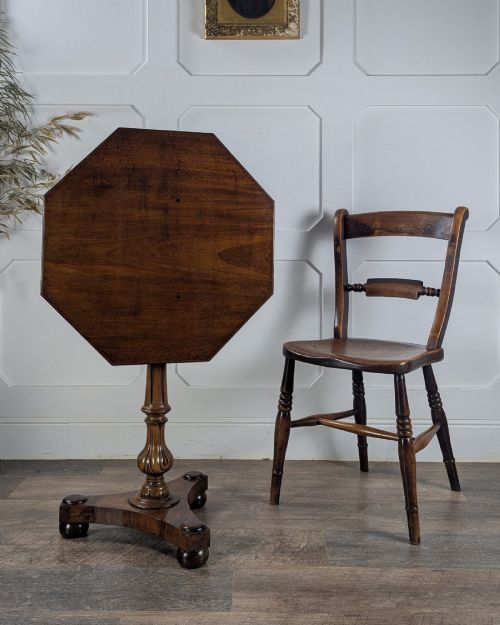
When you search for a walnut snap table, you are looking at timber furniture engineered with a clever pivoting mechanism beneath the top. These pieces allow the surface to lock flat for use or tilt vertically against the pedestal when you need to clear the room.
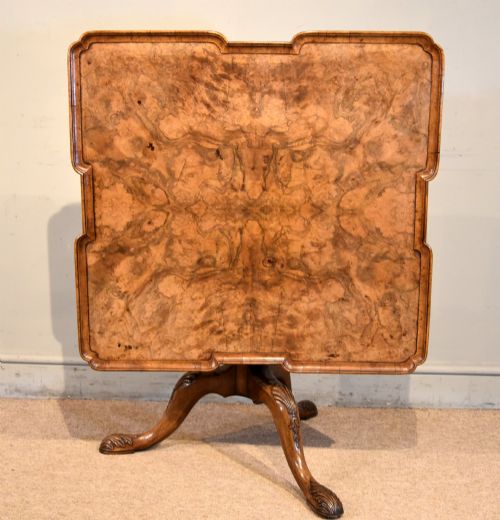
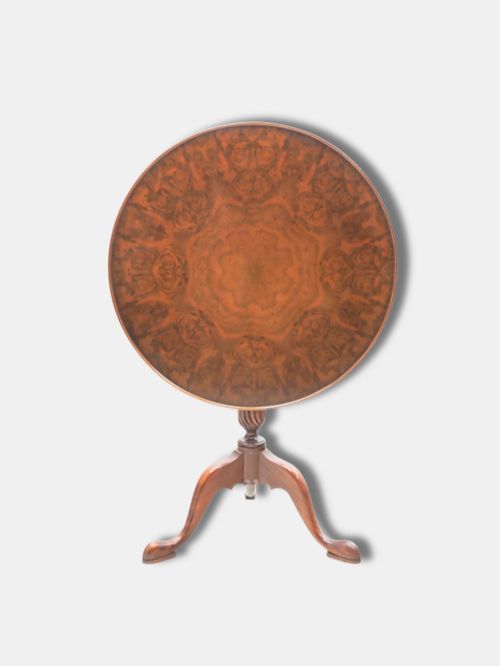
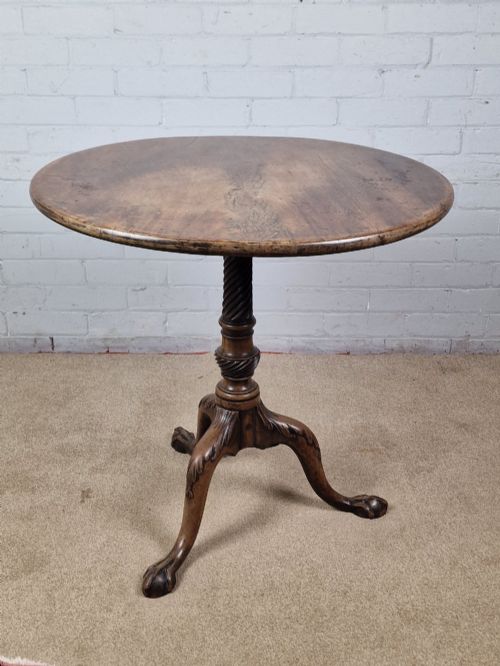
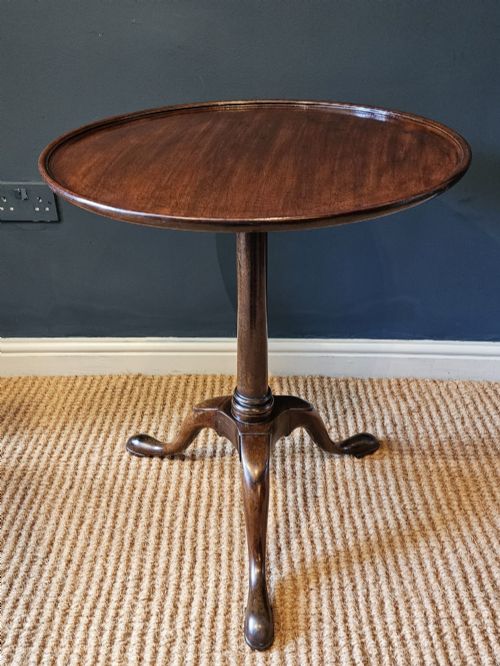
The versions you are most likely to meet on this page span the Georgian and Victorian eras, alongside 18th-century examples. They appear in forms such as occasional tables, breakfast tables, and larger loo tables supported by tripod bases or central pedestals.
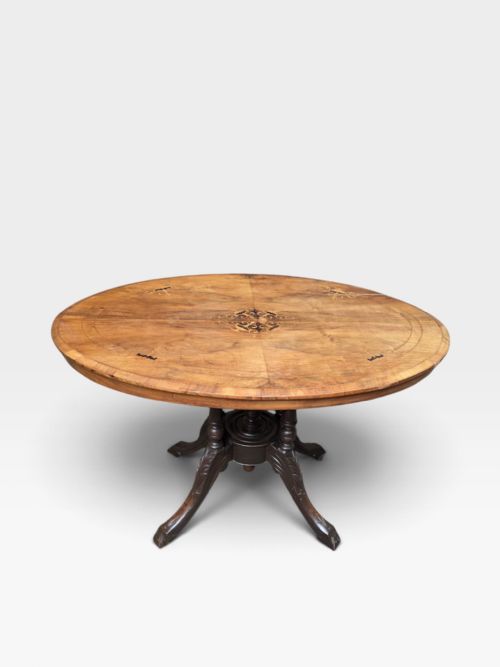
Makers shaped these walnut snap table designs across English, Irish, and Continental workshops. You will find simpler occasional formats alongside ornate inlaid pieces bearing marquetry or burr walnut veneers.
Materials and construction
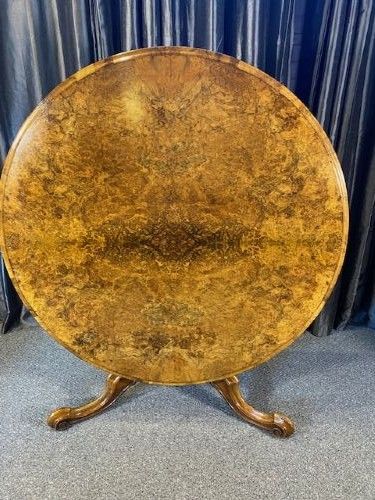
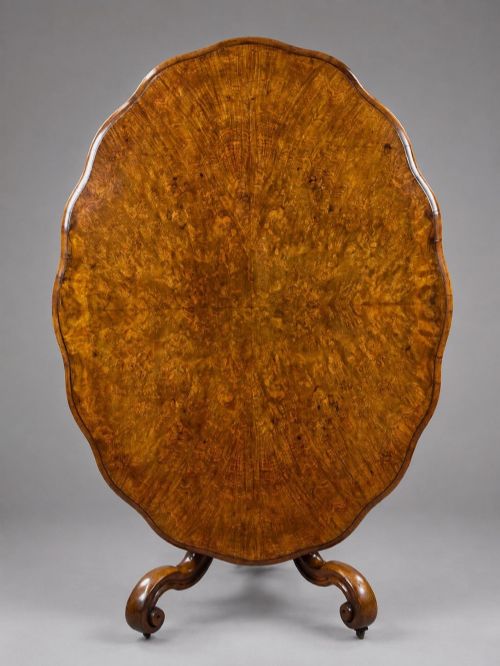
Cabinet makers worked primarily with solid walnut, red walnut, and highly figured burr walnut veneers. They laid these decorative veneers over secondary timbers to create rich, patterned surfaces on the table tops.
Surfaces often incorporate marquetry inlay and brass fittings to secure the pivoting mechanism. The timber was turned and carved to form robust tripod legs or central pedestals supporting the heavy tops.
Walnut Snap Table Retail Price Guide 2026
Typical asking prices for walnut snap table among the pieces listed under this phrase on Sellingantiques today, from the lower quarter to the upper quarter. They describe what is for sale here now, not the wider market.
Materials recorded across the inventory include solid walnut, burr walnut veneer, red walnut, brass, and marquetry inlay.
Quality and craftsmanship
The distinction between standard examples and superior pieces rests on the choice of timber and the precision of the pivoting mechanism. Finer tables display expertly matched burr walnut veneers and intricate marquetry inlay that demand advanced woodworking skill.
Proportion and stability define the upper tier of the range. A well-balanced tripod base ensures the top remains firm when locked flat, while inferior specimens suffer from movement or clumsy joints in the pedestal block.
The Walnut Snap Table Glossary
- Snap-top
- A table mechanism featuring a spring catch and a tilting surface that locks horizontally or drops vertically for storage. This design allowed furniture to be pushed against walls when space was required.
- Tilt-top
- An alternative term for a snap table where the surface pivots on a birdcage or block. It shares the same functional purpose as the snap-top format.
- Burr walnut
- Wood taken from the warted growths of walnut trees, yielding highly twisted, turbulent grain patterns. Cabinet makers prized this material for decorative veneering on table surfaces.
- Marquetry
- The art of applying pieces of veneer to a structure to form decorative patterns and pictures. Makers utilised contrasting woods to achieve detailed motifs.
- Tripod table
- A small freestanding table supported by three legs radiating from a central column. This construction provides stability on uneven historic floors.
Walnut Snap Table: Frequently Asked Questions
What is a walnut snap table?
A walnut snap table is a small or medium table featuring a hinged top that tilts upright when not in use. This mechanism allowed historical households to save floor space in parlours and drawing rooms.
Most examples rely on a central pillar supported by three legs or a heavy pedestal base. The surface locks into a horizontal position with a simple catch mechanism beneath the top.
How do you use a tilt top table?
You release the catch underneath the table top to tilt the surface into a vertical position against the pedestal. This makes the furniture compact enough to slide against a wall or into a corner.
When returning the table to horizontal use, ensure the latch engages fully to prevent the surface from tipping while holding items.
What is the difference between a loo table and an occasional table?
A loo table is typically larger and heavier, designed originally for the card game of loo in Victorian and Georgian homes. They often feature large circular or oval burr walnut tops.
An occasional table is smaller in scale and lighter, intended to be moved easily around a room to hold books, lamps, or tea.
How can you tell a Georgian table from a Victorian one?
Georgian tables tend to show restrained design with simpler timber selections, focusing on clean lines and proportions. Red walnut and simpler tripod bases often characterise this earlier period.
Victorian examples frequently employ heavy burr walnut veneers, elaborate marquetry inlay, and darker finishes. They often feature more robust pedestal bases and complex pivoting hardware.