



Circular Walnut Occasional Table
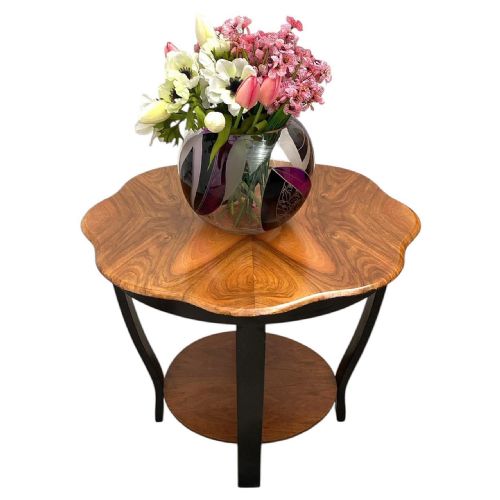
A circular walnut occasional table brings a warm timber grain and compact surface to a room, working easily beside a chair or in the centre of a space.
Circular Walnut Occasional Table
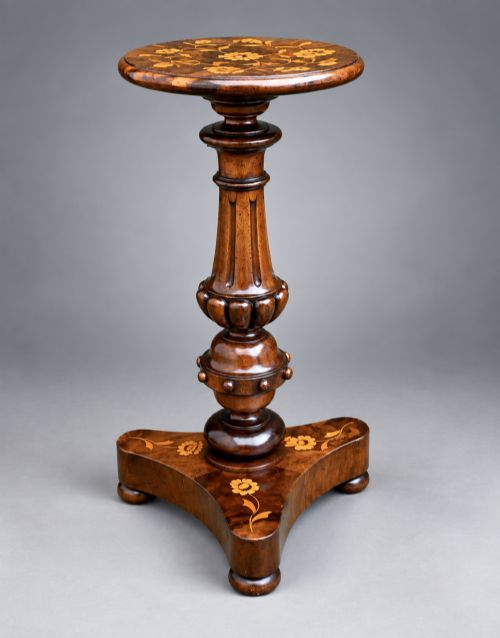
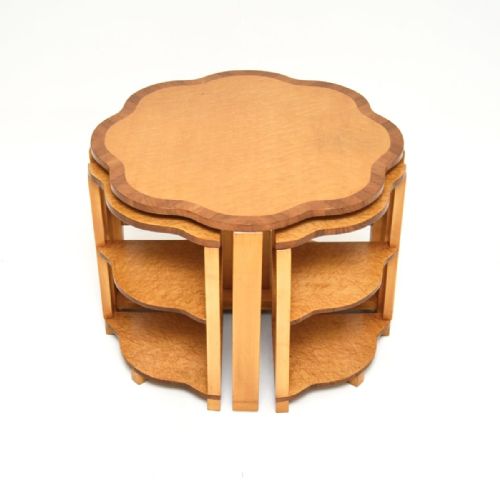
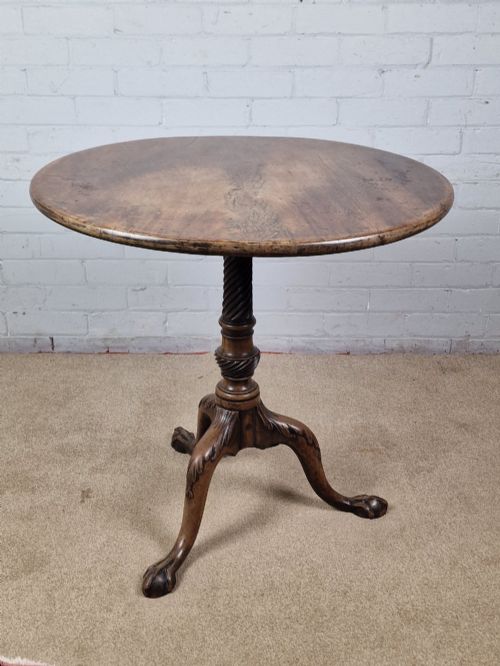
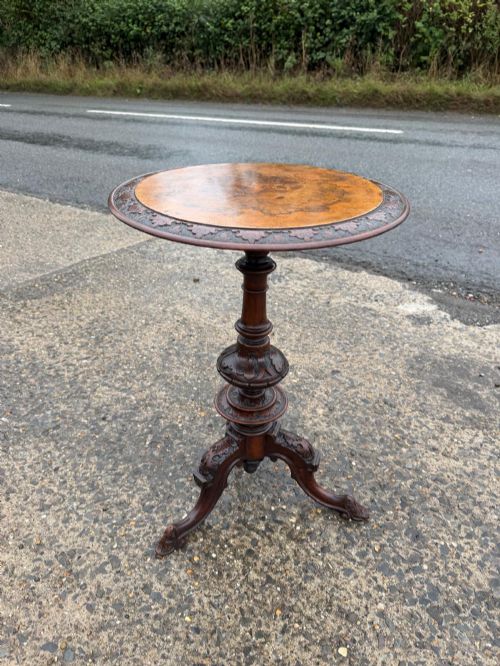
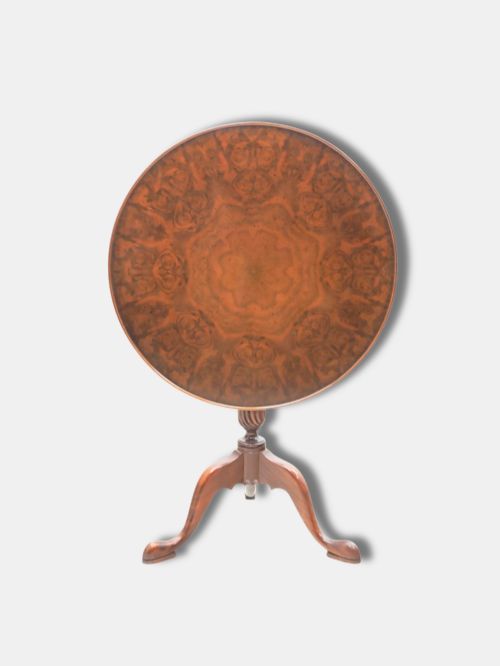
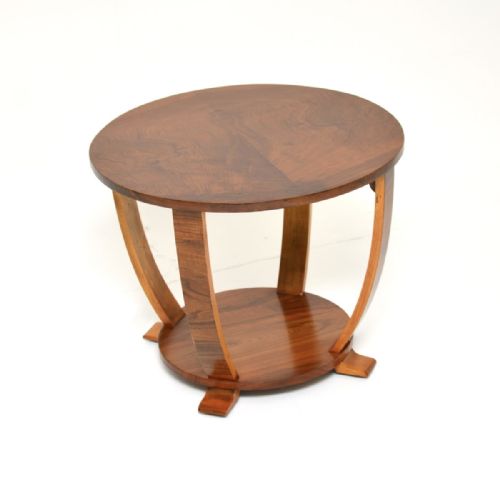
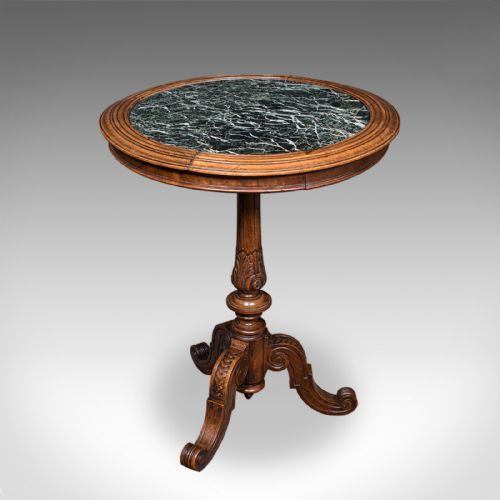
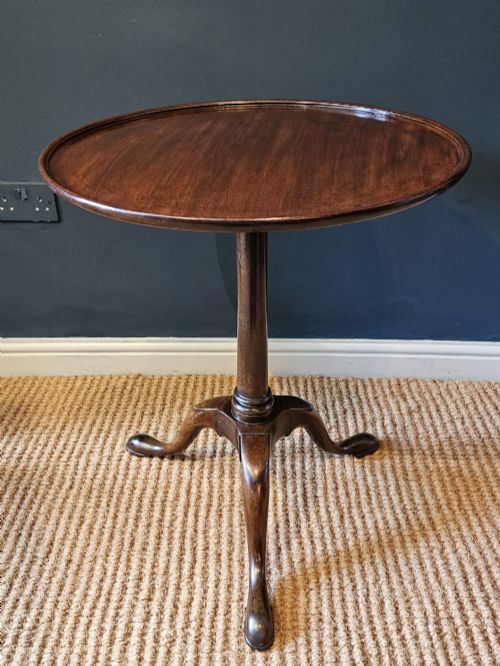
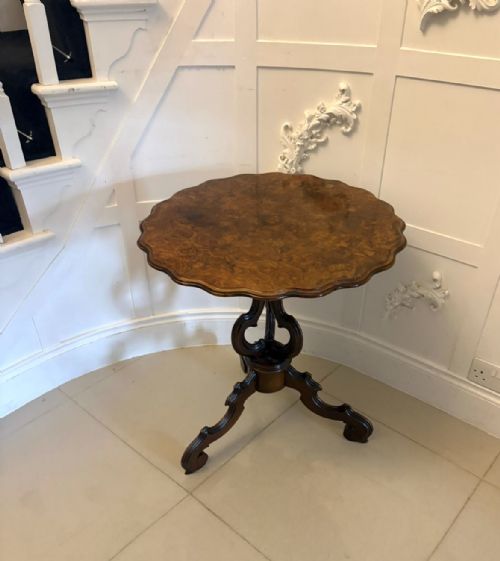
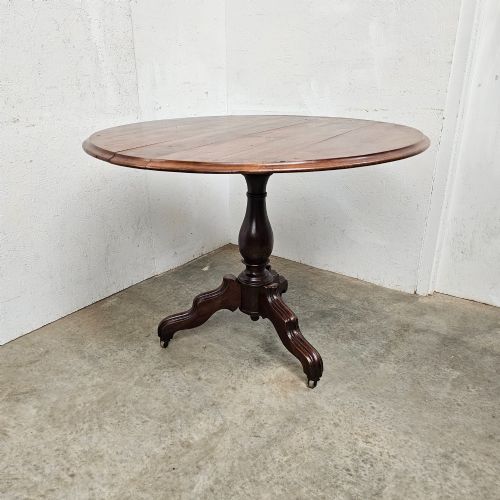
A circular walnut occasional table is a small, versatile surface designed for domestic use, appearing frequently in Victorian, Georgian, and Art Deco iterations. These pieces range from modest tripod wine tables to larger centre tables, offering a round top supported by a central pedestal or four legs.
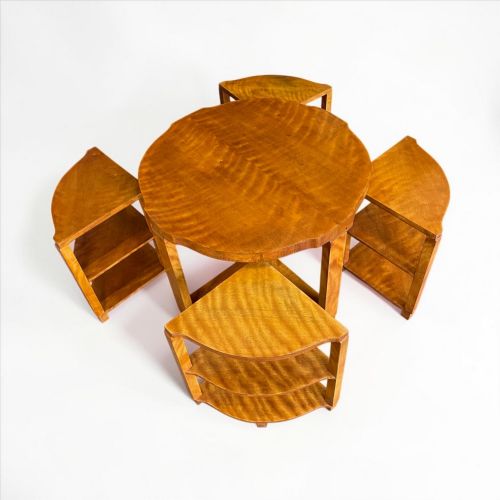
Buyers seeking a circular walnut occasional table will encounter variants utilising solid timber, rich veneer, or burr walnut figures. The selection includes tilt-top mechanisms, multi-tiered coffee tables, and occasional pieces featuring marble inserts or marquetry details.
Materials and Construction
Cabinetmakers utilised walnut and burr walnut veneers over secondary woods like mahogany or fruitwood, applying French polish to accentuate the natural figuring of the grain. Timber selection often dictated the aesthetic, pairing rich brown tones with lighter maple or contrasting ebony stringing.
Structural integrity relied on traditional joinery, including tripod bases with cabriole legs and birdcage mechanisms for tilt-top tables. More modern Art Deco examples integrated chrome or tiered wooden frameworks to achieve their distinct profiles.
Assessing Craftsmanship and Condition
Quality rests in the selection of the timber and the precision of the veneering, where symmetrical grain patterns and intact borders distinguish superior examples from simpler utilitarian pieces. The stability of the central pedestal and the smoothness of any tilt-top or swivel mechanism further define the calibre of the work.
Original surfaces and honest patination carry significant weight, showing the gentle softening of colour that comes from age rather than heavy restoration. Finer examples display meticulous attention to detail in carved tripod knees, inlaid games boards, or structural brass fittings.
Harry and Lou Epstein
The Circular Walnut Occasional Table Glossary
- Burr walnut
- A prized timber harvested from the growth warts of walnut trees, yielding complex, swirling grain patterns that are sliced into veneers. Cabinetmakers used these decorative sheets to face table tops and cabinet doors.
- Tilt top
- A tabletop mounted on a hinge mechanism that allows it to swivel vertically and rest flat against the pedestal when not in use. This clever design saved valuable floor space in smaller domestic rooms.
- Tripod base
- A support structure comprising three legs radiating from a central column, commonly found on wine tables and lamp tables. The three-point contact ensured the table remained steady even on uneven historical floorboards.
- Gueridon
- A small decorative French table, typically round and supported by a central column or figures. The form originated in the seventeenth century and remained popular through the Victorian and Art Deco periods.
- Veneer
- A thin layer of choice figured wood applied over a stable secondary timber base. This technique allowed craftsmen to display dramatic grain patterns without risking the warping inherent in solid boards of equal width.
Circular Walnut Occasional Table: Frequently Asked Questions
What is a circular walnut occasional table used for?
These versatile pieces served various domestic functions throughout history, from holding chamber lamps and teacups to displaying decorative ornaments. Today, they operate effectively as compact coffee tables or side tables beside seating.
Their modest footprint allows them to fit comfortably into awkward corners or small spaces where larger rectangular furniture would overwhelm the room.
How do I date a walnut occasional table?
Dating relies on examining the construction methods, hardware, and stylistic motifs present in the piece. Georgian and Victorian examples often feature hand-cut joinery and solid timber pedestals, while 1930s Art Deco items utilise streamlined tiers and extensive burr walnut veneers.
Secondary woods beneath the veneer and the type of polish applied can also offer clear clues regarding the decade of manufacture.
Are tilt-top tables stable?
Tilt-top tables rely on a secure wooden catch or brass latch beneath the surface to lock the top horizontally onto the pedestal. When properly adjusted, they provide a stable surface for everyday items.
The pivoting mechanism was originally designed for easy storage against a wall rather than frequent movement.
How do I care for walnut furniture?
Walnut benefits from being kept away from direct sunlight and strong heat sources, which can dry out the timber and fade the polish. Regular dusting with a soft, dry cloth maintains the surface sheen without damaging the finish.
Applying a quality wax polish periodically helps nourish the wood and preserves the depth of the grain.