





Walnut Silver Table
A walnut silver table is a low display piece designed for showing precious tea wares, combining warm timber with refined metal.
Walnut Silver Table
When you search for a walnut silver table, you are looking at specialised display furniture designed to hold silver items, tea services, and porcelain. These pieces appear across the Georgian, Victorian, and later periods in both plain and highly decorated formats.
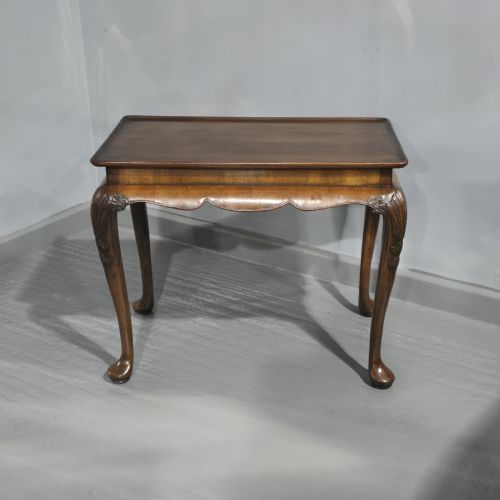
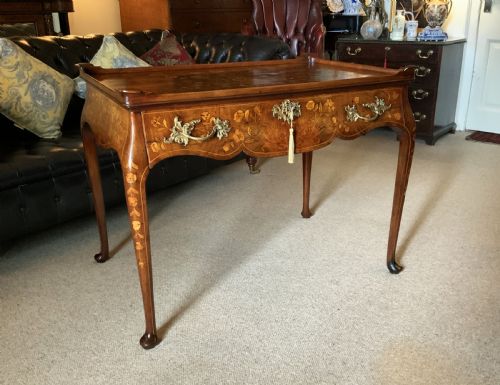
You are most likely to meet examples featuring figured timber surfaces, raised tray tops, and delicate cabriole legs. Many follow Queen Anne or Dutch revival styles, often incorporating marquetry florals or silver inlay directly into the wood.
The form functions as an elevated serving surface, frequently built with indented trays or raised borders to secure precious vessels. These tables bridge the gap between functional household furniture and formal display stands.
Materials and construction
Cabinet makers utilised solid walnut and decorative burr veneers applied to sturdy internal framing. Figured grains were carefully selected to create symmetrical patterns across the upper display surfaces.
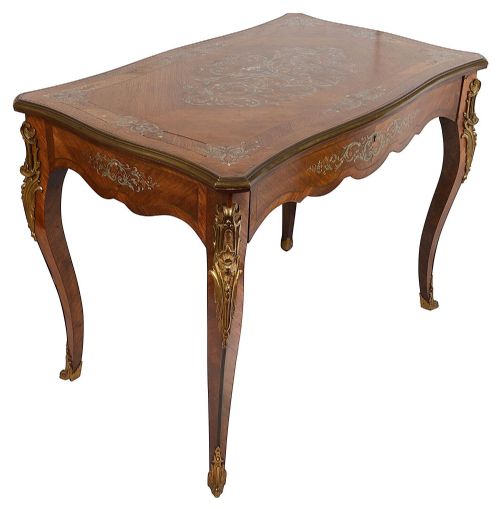
Makers integrated brass, ormolu, and silvered metal details alongside the primary timber structure. Marquetry inlays using lighter woods provide contrast against the deep brown tones of the walnut base.
Walnut Silver Table Retail Price Guide 2026
Typical asking prices for walnut silver table among the pieces listed under this phrase on Sellingantiques today, from the lower quarter to the upper quarter. They describe what is for sale here now, not the wider market.
Listings feature walnut, burr walnut, brass, ormolu, and silvered metal across Georgian, Victorian, and later revival periods.
Judging the work
The division between standard items and superior examples rests on the selection of the wood grain and the precision of the inlay. Finely figured burr walnut and crisp, hand-cut marquetry indicate higher workshop standards.
Structural harmony also dictates quality, particularly in the carving of cabriole legs and the execution of raised tray borders. Pieces with integrated metal mounts and uncompromised timber frames command greater appreciation among collectors.
Mappin And Webb·Mauthe·Lenzkirch
The Walnut Silver Table Glossary
- Burr walnut
- A figured wood grain formed from tree growths, highly prized for decorative veneer work. It creates a mottled, swirling pattern across table tops.
- Marquetry
- Inlaid wood pieces arranged in pictorial or decorative motifs. Craftsmen apply these contrasting veneers to create floral and bird designs.
- Tray top
- A raised rim surrounding the upper surface of a table. This feature prevents display items from sliding off the edge.
- Cabriole leg
- A curved furniture support inspired by animal limbs, typically featuring an outward knee and an inward ankle ending in a pad or claw foot.
Walnut Silver Table: Frequently Asked Questions
What is a walnut silver table used for?
These tables were historically utilised for displaying fine silver tea services, porcelain, and precious decorative items in formal reception rooms. The raised edges kept delicate vessels secure while serving guests.
Today, they function as striking accent furniture in living spaces, providing an elevated surface for lamps, collections, or daily objects while displaying rich historic timber grain.
How do I identify a Georgian period table?
Georgian pieces typically display simpler, robust proportions in solid red walnut rather than heavily figured veneers. Look for traditional construction methods and timber patination characteristic of the eighteenth century.
Later revival pieces from the Victorian era often incorporate heavier marquetry, burr veneers, and more ornate shaping inspired by earlier styles.
What is the difference between a side table and a silver table?
A silver table specifically incorporates a tray top or a raised gallery edge designed to hold tea wares and precious metal items securely. Standard side tables usually feature flat or plain wooden surfaces.
Many silver tables also include subtle decorative inlays or silvered mounts that distinguish them from utilitarian furniture.
Where were these tables placed in a home?
They were positioned prominently in drawing rooms and parlours where hosts entertained visitors. Their primary purpose was to hold tea services during social calls.
In modern interiors, they fit easily behind sofas, beside armchairs, or as central display pieces in hallways.