
Antique Dressing Stand
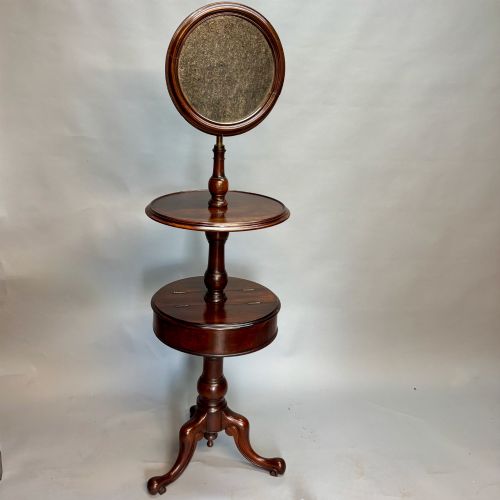
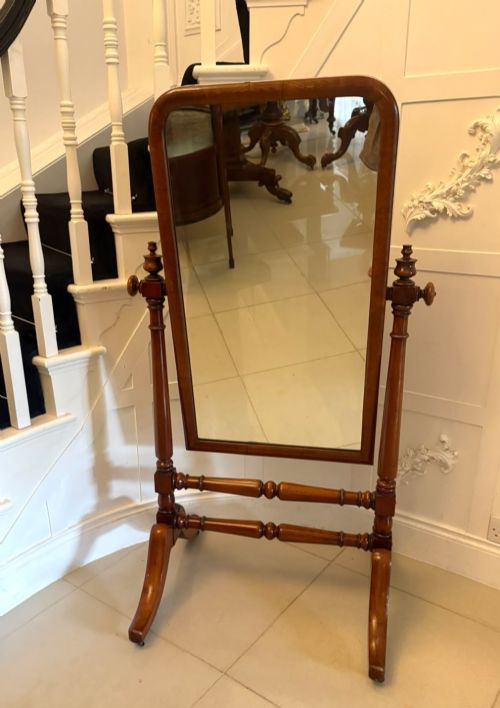
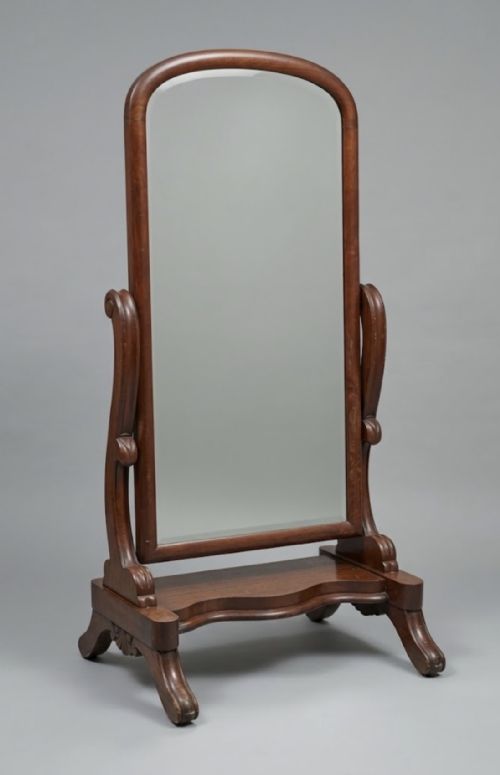
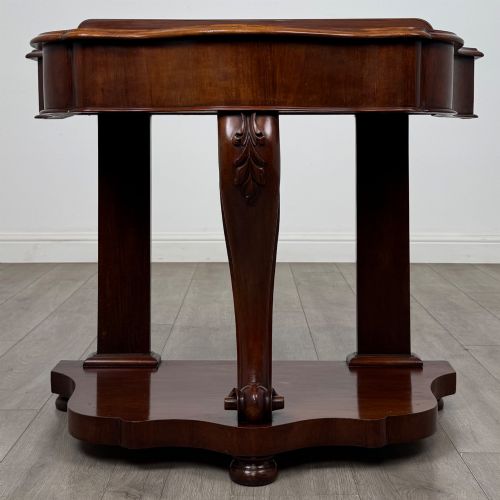
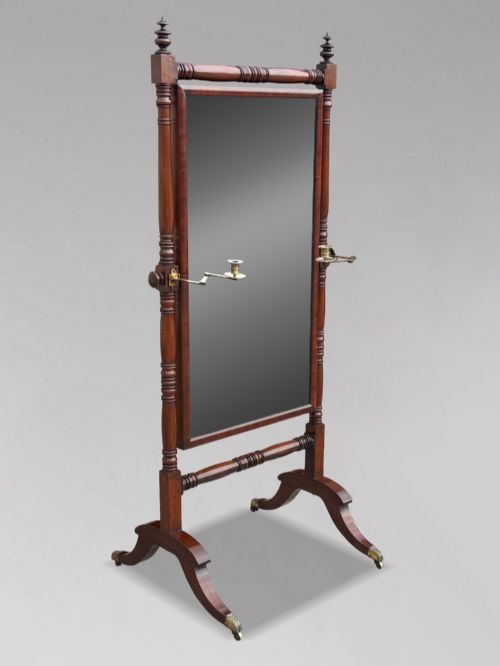
An antique dressing stand brings together practical bedroom furniture and pivoting glass, most frequently seen in tall mahogany cheval mirrors and compact walnut toilet tables.
Antique Dressing Stand
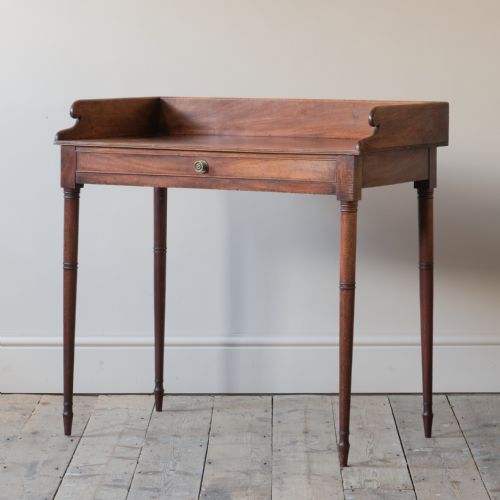
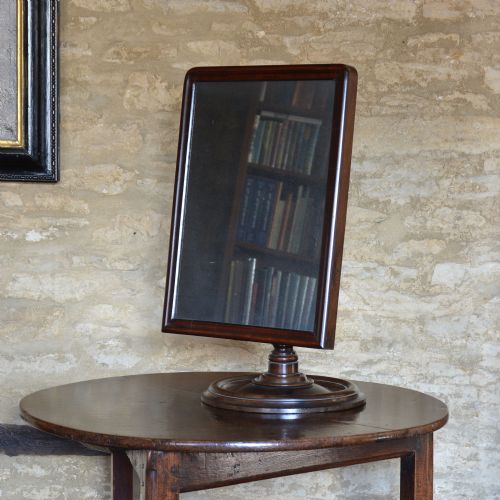
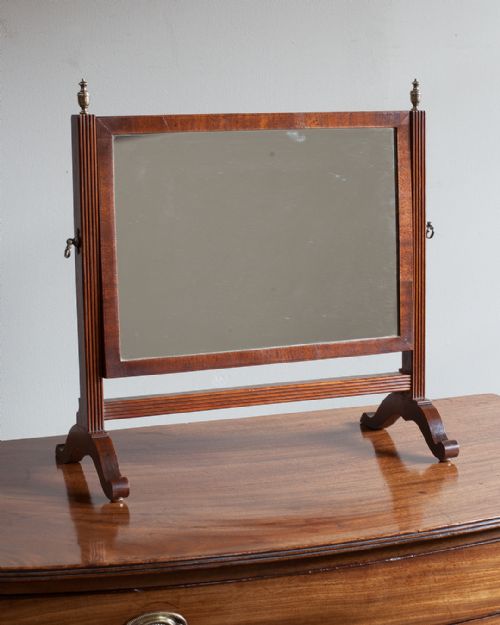
When searching for an antique dressing stand, buyers encounter a variety of forms spanning centuries of bedroom design. The pieces range from large floor-standing cheval mirrors that tilt within a wooden frame to smaller table-top dressing glasses designed for chests and vanities.
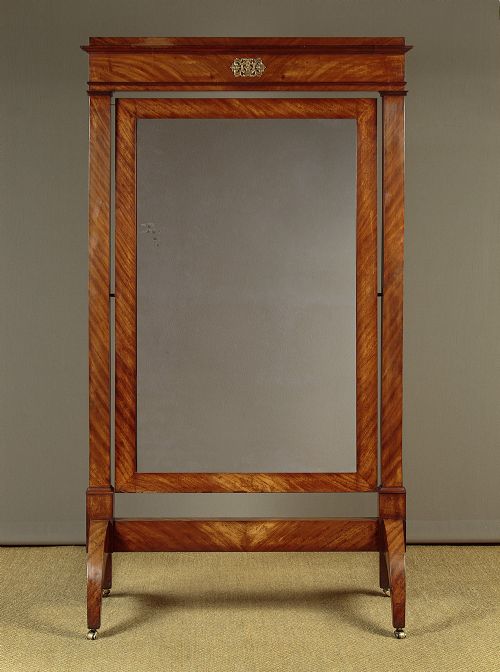
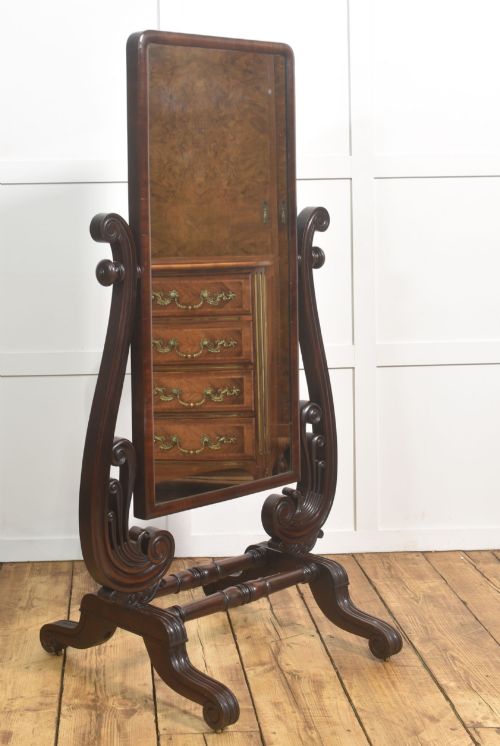
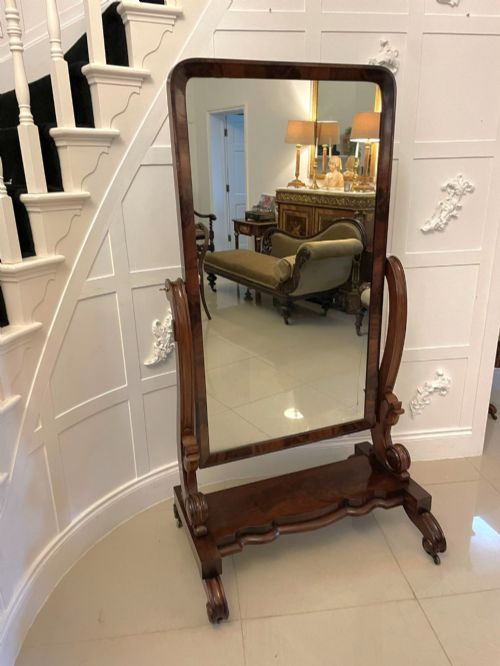
The most common versions met on this page are tall mahogany cheval mirrors from the nineteenth century and walnut or oak dressing tables equipped with adjustable swing mirrors.
Materials and Construction
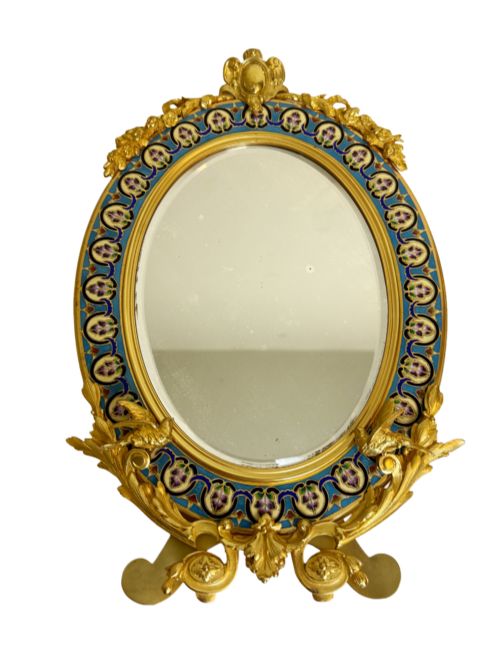
Makers relied heavily on solid and veneered timbers, with mahogany and walnut forming the structural core of most pieces. Oak, satin birch, and lime wood also appear, sometimes enriched with boxwood stringing, marquetry inlay, or gilt bronze mounts.
The glass elements utilise heavy mirror plate, frequently bevelled along the edges and held securely within adjustable pivots or brass strut mechanisms. Marble tops on washstand variants provide durable, water-resistant surfaces designed to support ceramic basins and ewers.
Listings feature woods including mahogany, walnut, satin birch, and oak, alongside brass, glass, and marble.
Markers of Superior Workmanship
Quality reveals itself in the structural integrity of the pivoting frame and the weight of the timber used. Superior pieces employ dense, figured mahogany or burr walnut with tight joinery that prevents the tall mirror standards from swaying.
Attention to detail separates standard production from exceptional work, seen in finely hand-carved mouldings, original brass hardware, and smooth swivel actions. The clarity of the mirror glass and the depth of the French polish further distinguish finer examples.
Heal And Sons·Maple And Company·WMF
The Antique Dressing Stand Glossary
- Cheval mirror
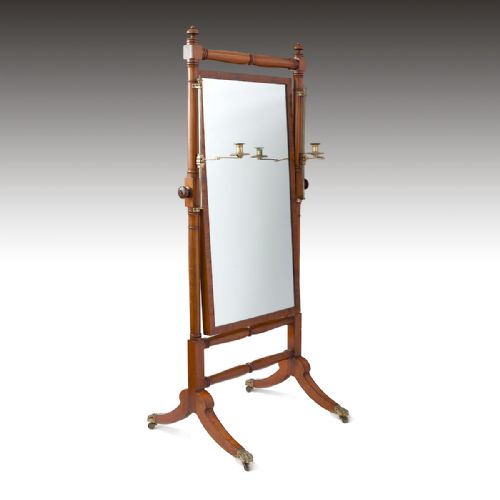
- A large floor-standing dressing mirror supported by four legs and vertical side posts that allow the glass to swing. These tall glasses provide a full-length reflection.
- Toilet mirror
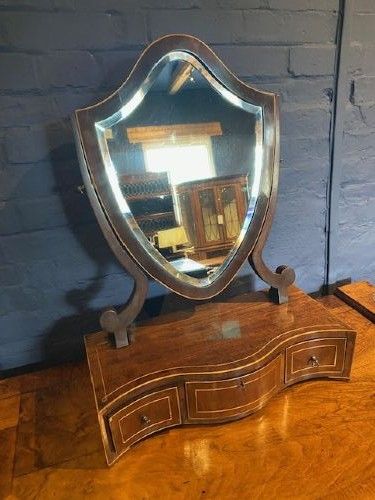
- A smaller table-top glass mounted on a miniature frame with drawers underneath. They sat atop chests of drawers to assist with close grooming.
- Washstand
- A dedicated bedroom piece featuring a marble or tiled top designed to hold washing basins and pitchers. Many incorporate splashbacks and lower cupboards.
- Swing mirror
- Any glass hung on horizontal pivots within a frame, allowing the user to tilt the angle of reflection. This mechanism is central to both table and floor-standing variants.
- Ormolu
- Gilded bronze mounts applied to furniture for decorative effect. The technique adds metallic highlights to wood frames and mirror crests.
Antique Dressing Stand: Frequently Asked Questions
What is a cheval mirror?
A cheval mirror is a tall, floor-standing dressing glass that pivots within a vertical wooden frame.
Designed for full-length viewing, these pieces became popular in bedrooms during the nineteenth century and remain central to the antique dressing stand category.
How do I date a dressing stand?
Dating relies on timber choices, construction methods, and stylistic cues such as proportions and carving details.
Georgian pieces show restrained classical lines, while Victorian examples often feature heavier figured mahogany and walnut with deeper turnings.
Are dressing mirrors adjustable?
Most antique dressing mirrors utilise brass pivots or wooden screw nuts that let the user alter the tilt of the glass.
This mechanism allows the reflection to be angled downwards or upwards depending on the height of the user.