



Brass Adjustable Mirror
A brass adjustable mirror brings flexible reflection and warm metal tones to a room, offering the exact angle you need for daily grooming.
Brass Adjustable Mirror
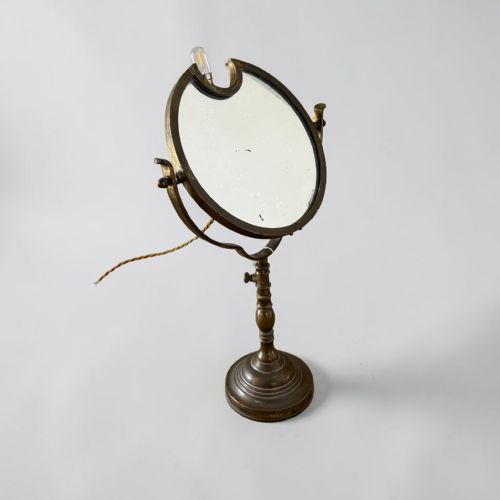
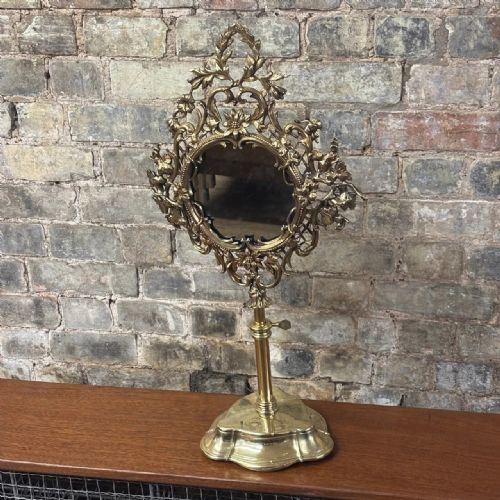
When you search for a brass adjustable mirror, you are looking at functional looking-glasses designed to tilt, pivot or telescope to suit the user. The selection spans table mirrors, shaving stands and pedestal mirrors created for practical daily use.
You will most commonly meet Victorian and Edwardian examples on this page, alongside occasional pieces from the Regency period and the nineteenth century. These objects combine polished metal frames with pivoting glass plates and sturdy wooden or metallic bases.
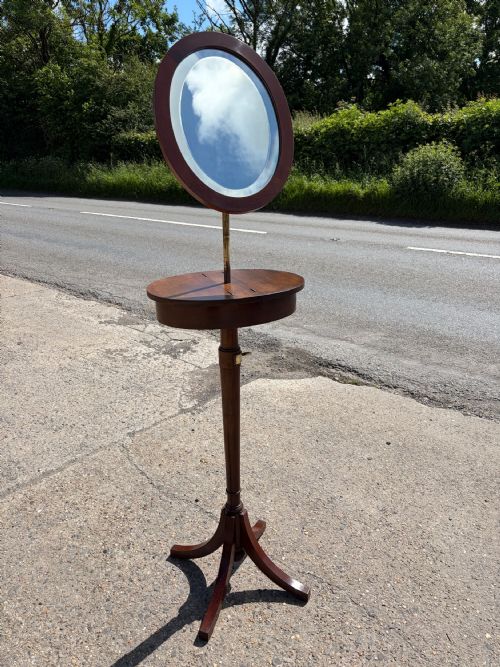
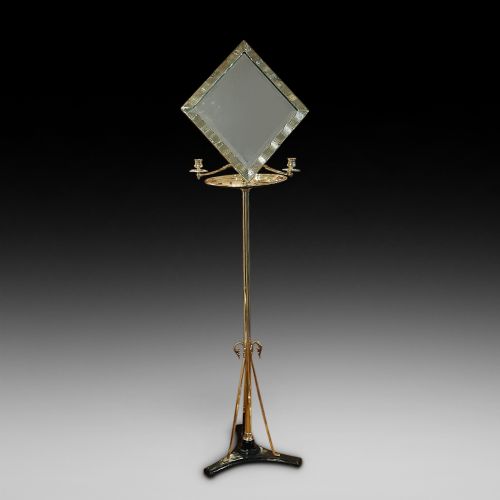
The forms vary from simple table-top frames to elaborate shaving stands featuring tripod legs, telescopic stems and integrated trays. Brass is the unifying element, appearing alongside mahogany, walnut and painted metal across the various styles.
How they were made
Maker construction relies heavily on cast and turned brass, often paired with dense timbers such as mahogany and walnut for the stands and frames. Metal fittings allow the glass to swivel smoothly on pivots or rise on telescopic rods.
Mirror glass is held securely within adjustable brass frames, sometimes accented with bronze, gilt bronze or copper fittings. Woodwork incorporates turned columns, shield-shaped surrounds and tripod bases designed to support the weight of the pivoting glass.
Brass Adjustable Mirror Retail Price Guide 2026
Typical asking prices for brass adjustable mirror among the pieces listed under this phrase on Sellingantiques today, from the lower quarter to the upper quarter. They describe what is for sale here now, not the wider market.
Materials recorded across the inventory include solid brass, mirror glass, mahogany, walnut, painted metal, bronze, gilt bronze and copper.
What varies in quality
Quality in these pieces rests upon the weight of the brass and the stability of the adjustable mechanism. A superior example holds its position firmly without slipping, using well-engineered pivots and substantial metal components.
The refinement of the surrounding timber frame and the proportion of the base separate standard items from finer productions. Finely turned wooden columns and crisp metal casting indicate superior craftsmanship during the manufacturing process.
The Brass Adjustable Mirror Glossary
- Telescopic
- An adjustable mechanism allowing the height of the mirror to be raised or lowered on a central vertical rod. This feature appears frequently on nineteenth-century shaving stands.
- Shield Mirror
- A looking-glass featuring a glass plate cut into the rounded shape of a heraldic shield. These are typically mounted on stands or pivot frames.
- Tripod Base
- A three-legged support structure designed to keep pedestal mirrors and shaving stands stable on uneven surfaces. It provides a secure footing for vertically adjustable frames.
- Gilt Bronze
- Bronze metal treated with a thin layer of gold to give a rich, decorative surface finish. This material appears on high-status French Empire examples.
- Dressing Stand
- A piece of furniture combining a tabletop or storage compartments with an adjustable mirror for grooming. These units were standard fixtures in period bedrooms.
Brass Adjustable Mirror: Frequently Asked Questions
How do I adjust the mirror height?
Many examples utilise a telescopic brass rod that slides vertically and fixes in place with a thumbscrew or collar.
Heavier floor-standing models rely on the friction of the central stem to hold the glass at the desired eye level.
What is a shaving stand?
A shaving stand is a specialised piece of furniture featuring a built-in adjustable mirror, often paired with small trays or compartments for razors and soap.
They were designed for gentlemen's morning grooming routines in nineteenth-century bedrooms.
Where should I place a table mirror?
These mirrors sit comfortably on dressing tables, chests of drawers or console tables where extra height and adjustable angles are helpful.
Position them near a natural light source to make the most of the pivoting glass.
How do I date these mirrors?
Dating relies on the combination of materials, fastener types, and prevailing styles such as Louis XV Revival or Regency.
Victorian and Edwardian pieces often show machine-turned brass components and darker secondary timbers like walnut.