




Antique Decorative Platter
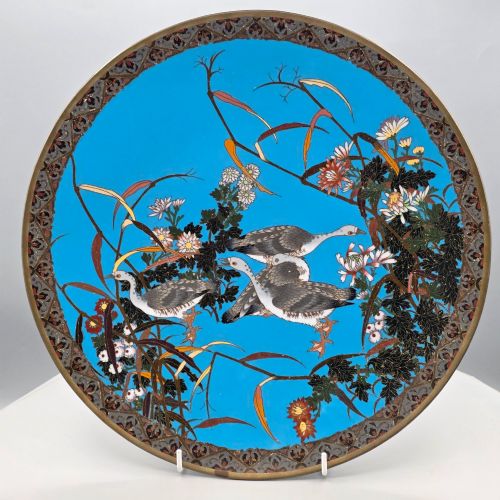
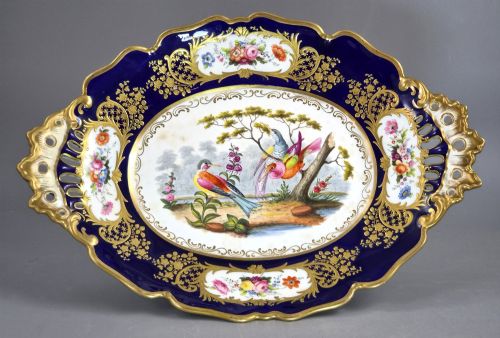
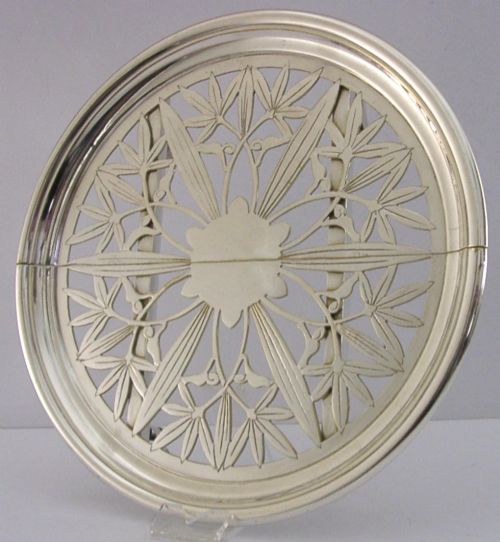
An antique decorative platter brings centuries of artistry to a wall or table through painted ceramic, lacquered wood, and beaten metal.
Antique Decorative Platter
When searching for an antique decorative platter, buyers encounter a diverse array of serving trays, chargers, and cabinet dishes spanning multiple continents and centuries.
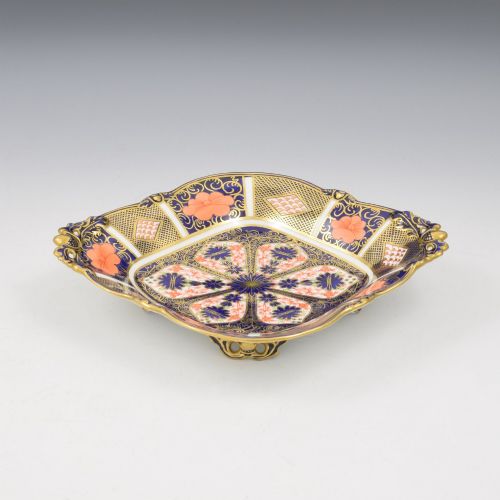
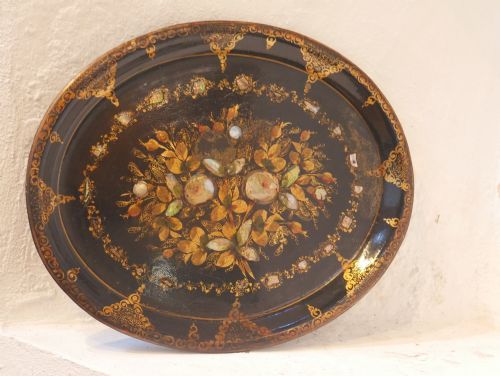
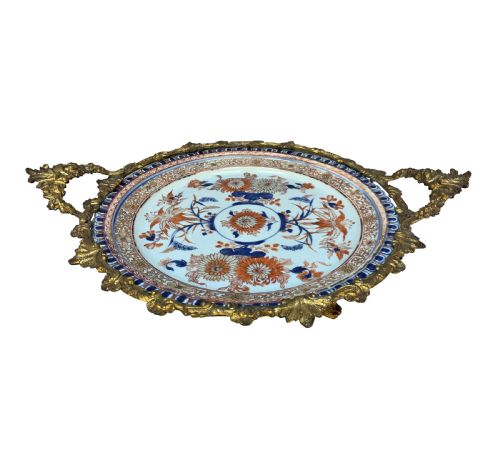
The selections most frequently met on this page include Japanese Imari chargers, English transferware pottery, and papier-mâché trays from the Victorian and Regency eras.
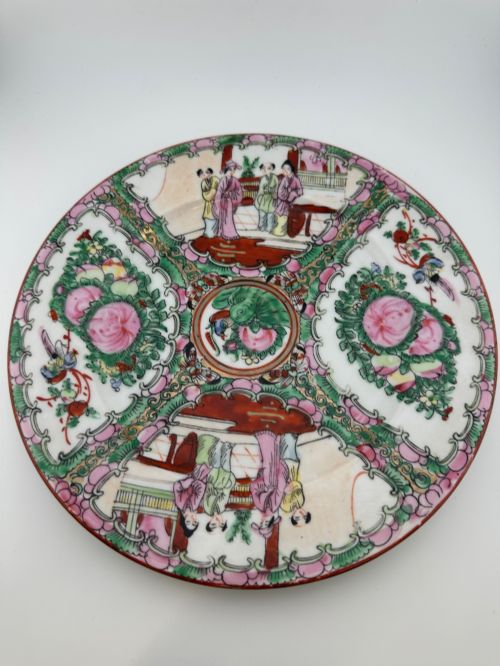
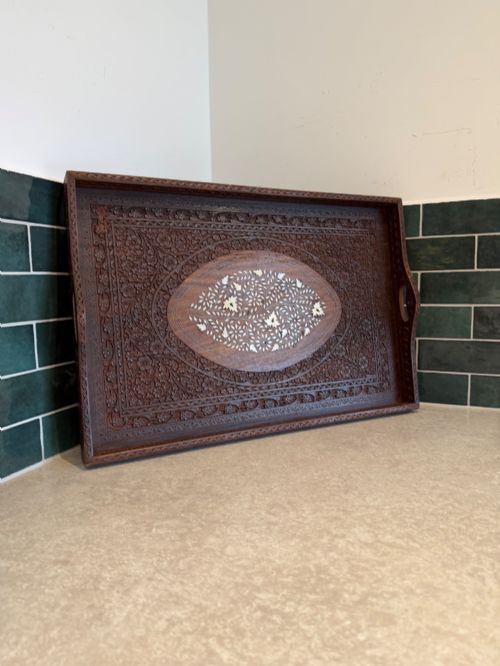
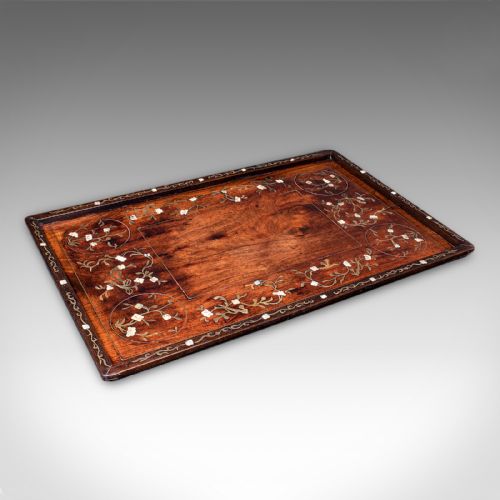
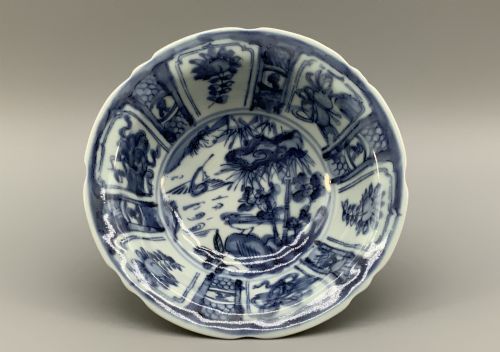
These pieces range from deep Delft earthenware and blue and white porcelain plates to inlaid metalwork and lacquered wooden platters intended for display.
Materials and methods
The construction of these items relies heavily on traditional ceramic firing, intricate hand-painting, and meticulous transfer printing on earthenware and porcelain bodies.
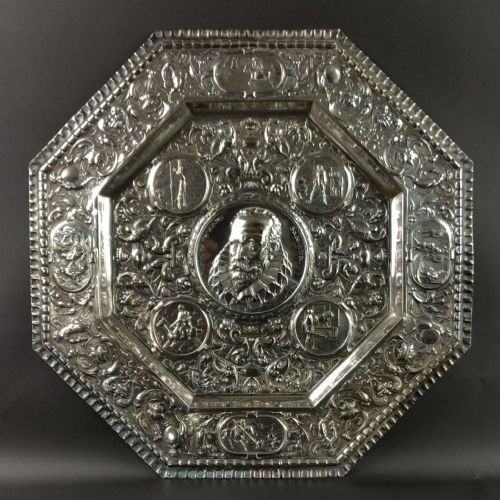
Metal versions utilise techniques such as repoussé work, copper engraving, and silver inlay, while wooden and papier-mâché variants employ layers of lacquer, gilding, and mother-of-pearl inlay.
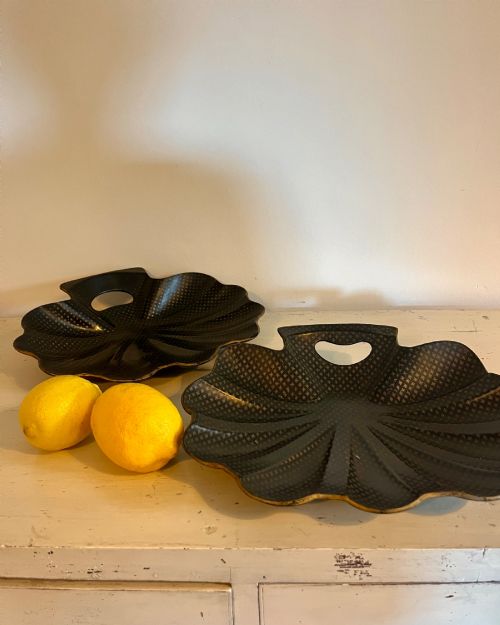
Object forms documented here include decorative chargers, serving trays, cabinet plates, bowls, and afternoon tea slides.
Assessing craftsmanship
Distinctions in quality rest upon the precision of the hand-painted details, the depth and crispness of the repoussé or engraved metalwork, and the preservation of original gilding and lacquer.
Pieces featuring named artists, complex multi-coloured glazes, or intricate mother-of-pearl inlay demonstrate a higher level of artisan skill than mass-produced transfer-printed equivalents.
Coalport·Christofle·John Davenport of Longport·Royal Doulton·Copeland
The Antique Decorative Platter Glossary
- Charger
- A large decorative plate or platter traditionally used for ceremonial dining or wall display. These substantial pieces often showcase the finest hand-painted or transfer-printed designs of their period.
- Imari
- A style of Japanese porcelain featuring characteristic cobalt blue, iron red, and gold decoration. It gained immense popularity in European interiors during the seventeenth and eighteenth centuries.
- Papier-mâché
- A composite material made from paper pulp or layers of paper bound with glue or resin, heavily lacquered and often gilded. Regency and Victorian makers utilised it for lightweight, durable trays.
- Transferware
- Pottery decorated by applying a printed design from an engraved copper plate onto the ceramic surface using a tissue paper transfer. This technique allowed for intricate blue and white pictorial scenes.
- Repoussé
- A metalworking technique where the artisan hammers the metal from the reverse side to form a raised design in relief. It appears frequently on nineteenth-century copper and brass wall chargers.
- Delftware
- Tin-glazed earthenware originating in the Netherlands and England, typically decorated with blue pigments on a white background. Pieces often display Chinese-inspired Chinoiserie motifs or biblical scenes.
Antique Decorative Platter: Frequently Asked Questions
What is a charger plate?
A charger plate is a large decorative platter that sits beneath other dinnerware or hangs on a wall for display. They were traditionally produced in ceramic, metal, or wood.
In contemporary settings, these larger pieces function primarily as striking visual focal points in a room rather than utility items for daily meals.
How do I hang a heavy platter?
Hanging a heavy charger or tray requires a secure wall bracket or spring-loaded plate hanger designed to distribute the weight evenly. Ensure the fixture anchors directly into a wall stud.
It is essential to check the integrity of any rim or base footring before mounting to guarantee the piece can safely support its own weight over time.
How do I date a ceramic platter?
Dating ceramics involves examining the base for maker marks, registration diamonds, or specific factory stamps corresponding to historical records. The style of the glaze and the type of pottery body also provide vital clues.
Unmarked pieces can often be placed within a broad era by analyzing the hand-painting techniques, motif styles, and the specific shade of blue used in transferware.
Can I use antique trays for serving?
While many wooden, metal, and papier-mâché trays were built for functional use, fragile surfaces like fine porcelain, delicate lacquer, and antique gilding require careful handling. Moisture and heat can easily damage aged finishes.
For practical serving, select sturdy materials like teak, brass, or robust silver plate, reserving delicate painted earthenware and paper-mâché pieces strictly for display.