


Bronze Charger Plate
A bronze charger plate brings weight, intricate metalwork and centuries of decorative craft straight to a table or wall.
Bronze Charger Plate
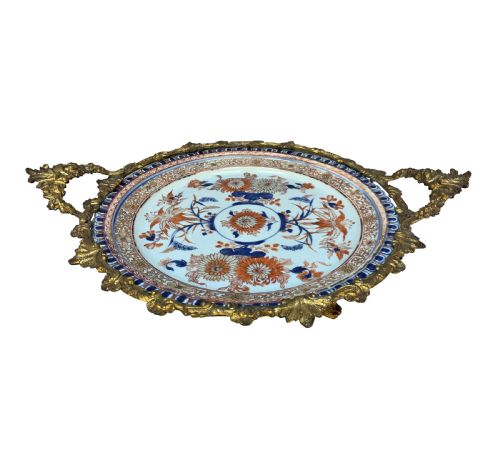
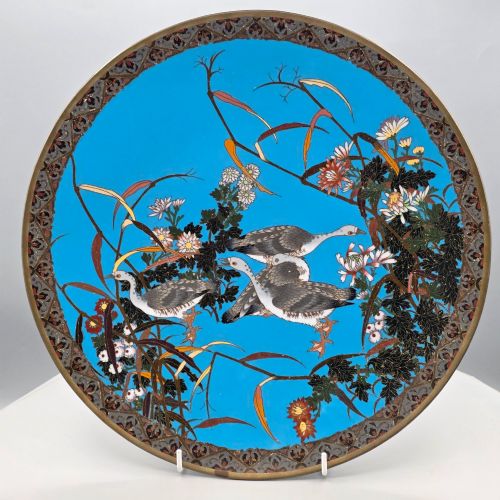
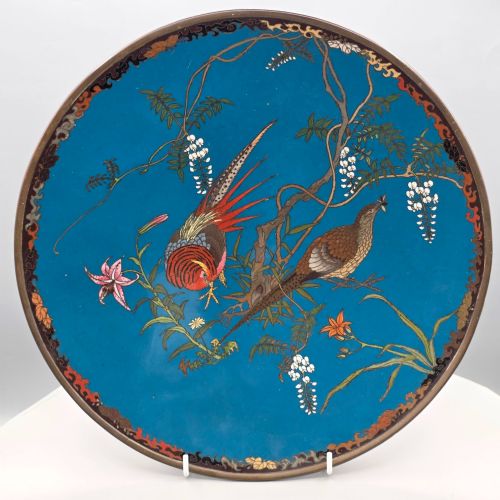
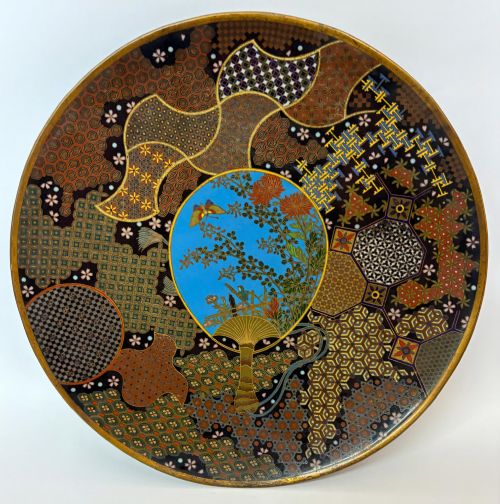
A bronze charger plate is a large decorative dish or platter designed for display rather than for serving food at the dining table. When exploring this selection, buyers encounter substantial metal vessels ranging from grand Victorian centrepieces and Grand Tour classical plaques to intricate Japanese cloisonne enamelled examples from the Meiji period.
The objects span multiple centuries, touching upon the 18th century, the 19th century and into the early 20th century. Alongside pure bronze, the inventory includes pieces fashioned from brass, copper, silver plated bronze and porcelain bases with cloisonne enamel or metal inlays.
Stylistic diversity defines the category, moving seamlessly from Neoclassical and French Rococo designs to Egyptian Revival motifs and Chinese Export works. Buyers are most likely to meet heavily decorated Asian export pieces alongside European classical revivals.
Materials and Techniques
Makers utilised bronze, brass and copper as foundational metals, often casting them into heavy plates and platters before applying decorative surface treatments. Many pieces employ silver plating or gilt bronze details to create tonal contrast against the dark metallic ground.
Cloisonne enamel technique appears frequently, requiring delicate metal wires soldered to the bronze body to form cells which are then filled with coloured enamel pastes and fired. Other works incorporate intricate hand-beating, chasing and copper-and-silver inlay work characteristic of specialised workshops.
Design influences span Neoclassical, French Rococo, Egyptian Revival and Japanese Meiji period styles.
Assessing Quality and Execution
Quality in a bronze charger plate rests on the crispness of the casting and the precision of the surface decoration. Superior examples display sharply defined motifs, whether depicting dragons, foliage or classical figures, without the softness or blurring seen in hurried work.
In enamelled and inlaid pieces, the excellence of the piece depends on the tightness of the wirework and the smoothness of the finished surface. Heavier gauge metalwork and signed pieces by known makers or distinct styles also elevate the standing of an individual platter.
Kinkozan·Faulkner Bronze Company
The Bronze Charger Plate Glossary
- Charger
- A large decorative plate or platter traditionally used for display rather than everyday dining.
- Cloisonne
- An enamel technique where metal wires are affixed to a metal base to create compartments for coloured paste.
- Ormolu
- Finely ground high-carat gold applied to a bronze object, frequently seen in mountings and decorative highlights.
- Grand Tour
- A cultural journey undertaken by 19th-century travellers who acquired classical bronzes and plaques as souvenirs.
- Meiji Period
- The era in Japanese history spanning from 1868 to 1912, noted for exceptional export metalwork and enamel.
Bronze Charger Plate: Frequently Asked Questions
What is a bronze charger plate used for?
These large metallic vessels served primarily as decorative centrepieces, grand wall plaques or table displays rather than functional tableware.
Their substantial weight and intricate ornamentation made them ideal showpieces for formal reception rooms and drawing rooms.
How do you display a heavy bronze plate?
Displaying these substantial pieces requires sturdy wall brackets designed to hold significant weight safely, or robust plate stands for tabletop placement.
Care should be taken to ensure the supporting surface or hanging fixture matches the heavy gauge of the bronze or copper.
How can I tell the period of a bronze charger?
Dating relies on identifying stylistic markers such as Neoclassical motifs, Meiji period Japanese imagery or Victorian revival aesthetics.
Examining the manufacturing techniques, patina and any maker signatures or stamps provides further clues to the age of the piece.
What is the difference between cloisonne and plain bronze?
Cloisonne involves soldering fine metal wires to the bronze base to form patterned cells which are filled with vitreous enamel before firing.
Plain bronze plates rely entirely on metal casting, chasing, engraving or applied silver plating for their visual impact.