



Silver Plated Wall Charger
A silver plated wall charger makes a bold vertical statement, bringing substantial metalwork and historic narrative directly to your interior wall.
Silver Plated Wall Charger
When you search for a silver plated wall charger, you encounter large decorative roundels intended primarily for display rather than dining. The examples span multiple centuries, ranging from the eighteenth century through to the early twentieth century.
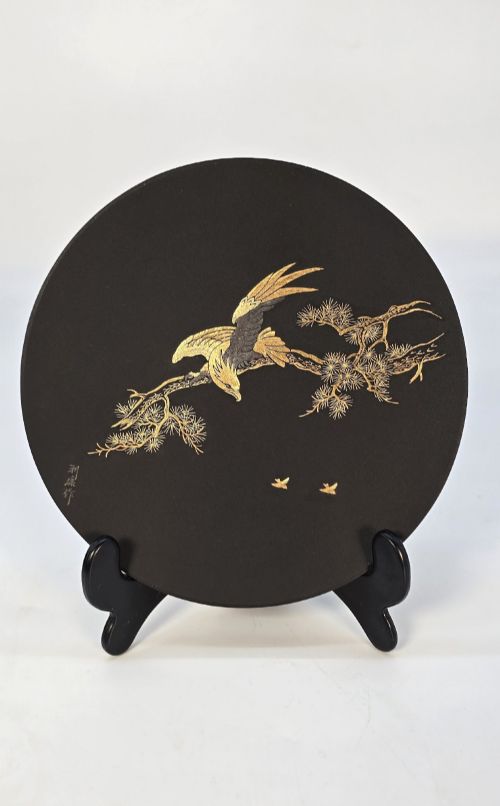
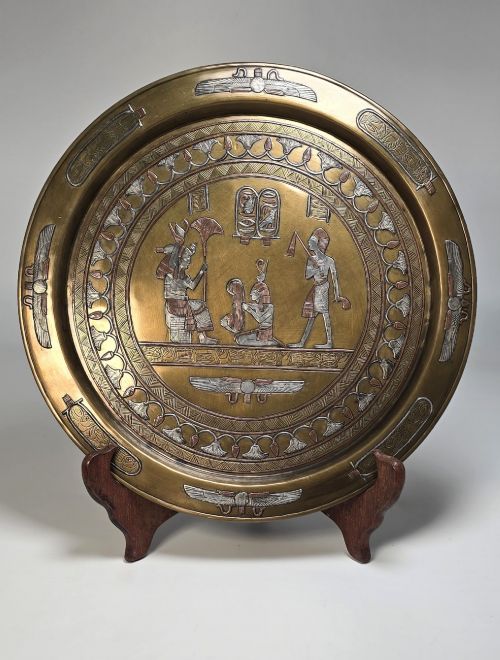
The selection includes pieces created in distinct historic revivals, alongside Middle Eastern Cairo Ware and Japanese ironwork. Makers and artisans utilised diverse base metals beneath silver plating, creating rich decorative focal points.
Materials and construction techniques
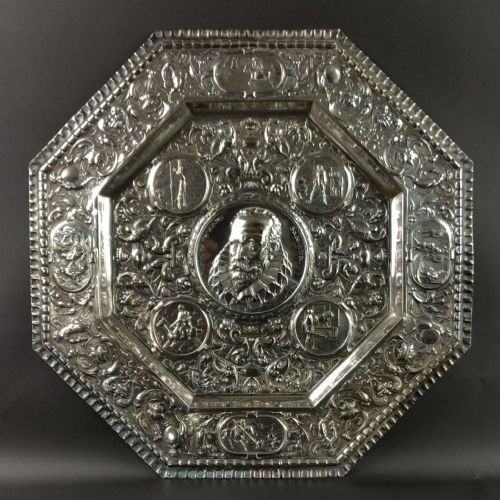
Many chargers utilise copper, bronze, or pewter as a substrate for silver plating, or employ electrotype metal to achieve intricate relief. Artisans frequently applied repoussé and chasing techniques to hammer complex figural scenes and floral patterns from the reverse.
Miguel de Cervantes makes an unexpected appearance cast in repoussé copper, ensuring literary history hangs quietly beside your dining table.
Judging the quality of wall chargers
Quality rests in the depth and clarity of the chased or repoussé detail, separating flat surfaces from deeply modelled figural narratives. Crisply rendered crests, portraits, and battle scenes indicate superior craftsmanship by the metalworker.
The integrity of the underlying metal and the preservation of the applied plating or inlay dictate the enduring visual strength of each charger. Heavier gauges of metal and skilful patination contribute to a more convincing historic presence.
James Spackman·Elkington & Co·WMF·Thomas Powell
The Silver Plated Wall Charger Glossary
- Repoussé
- A metalworking technique where the artisan hammers the design from the reverse side to create raised relief on the front. This method gives depth to figural scenes and decorative borders.
- Electrotype
- A method of reproducing metal objects through electroplating onto a mould, enabling the replication of complex Renaissance designs in high detail. Elkington utilised this process extensively in the nineteenth century.
- Cairo Ware
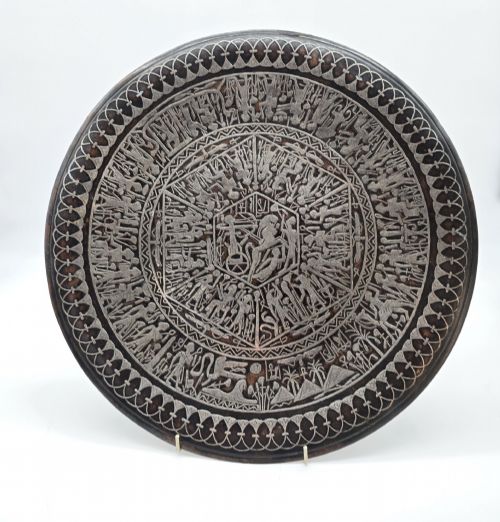
- Middle Eastern metalwork featuring intricate silver and copper inlay upon a dark patinated bronze or brass ground. These pieces were often acquired during the nineteenth-century Grand Tour.
- Charger
- A large decorative plate or platter originally used at formal dining tables and later hung upon walls. Eighteenth-century examples frequently show plain or reeded rims.
- Patination
- The natural or induced ageing of a metal surface over time that alters its colour and sheen. Skilled patination highlights intricate chased details and inlay work.
Silver Plated Wall Charger: Frequently Asked Questions
How do I hang a heavy metal charger safely?
Wall chargers require robust fixings suited to their substantial weight and diameter, as many measure twenty inches across.
Utilise secure wall hooks and adjustable plate hangers designed to distribute the load evenly without straining the rim.
What is the difference between a charger and a platter?
Chargers are traditionally the largest plates in a service, measuring significantly wider than standard dining plates.
While platters served food, chargers often served ornamental purposes or sat beneath other courses to decorate the table before moving to the wall.
How should I clean silver plated wall chargers?
Dusting with a soft, dry cloth preserves the historic patination and prevents the accumulation of grime in recessed repoussé areas.
Avoid aggressive metal polishes that strip away thin silver plate or damage the dark contrast of patinated copper and bronze.
How do I date a nineteenth-century revival charger?
Examine the fastening loops, the composition of the base metal, and the style of the relief work to connect the piece with prevailing nineteenth-century revival movements.
Electrotype pieces and Grand Tour souvenirs often bear specific manufacturing traits characteristic of the mid to late Victorian period.