
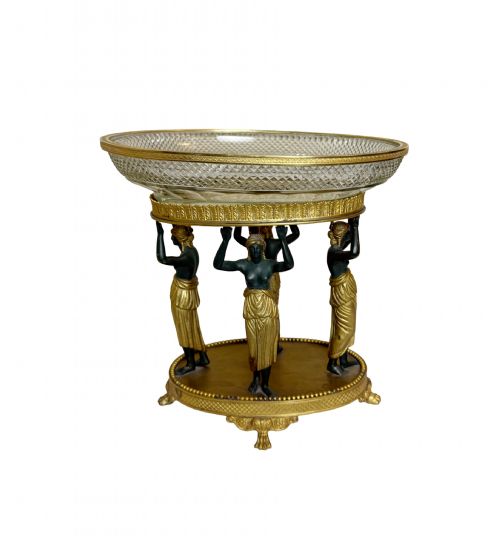


19th Century Bronze Dish
A 19th century bronze dish brings substantial weight, classical ornament, and varied metalwork into a room.
19th Century Bronze Dish
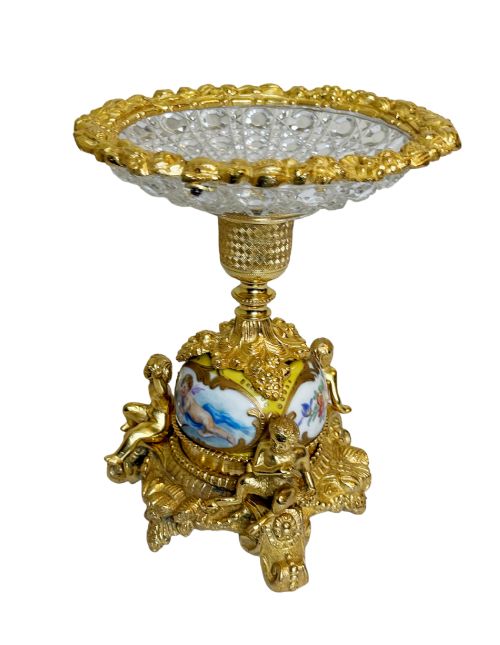
When searching for a 19th century bronze dish, collectors encounter a diverse group of vessels designed for display, serving, or holding small items. The selections on this page span from French rococo revival and empire style pieces to Japanese Meiji and Edo period works, reflecting global tastes of the nineteenth century.
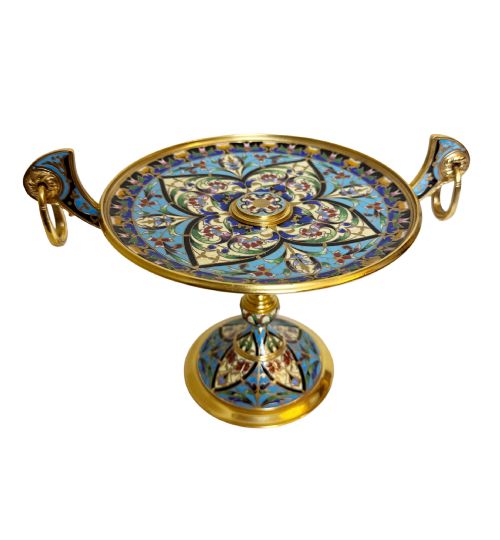
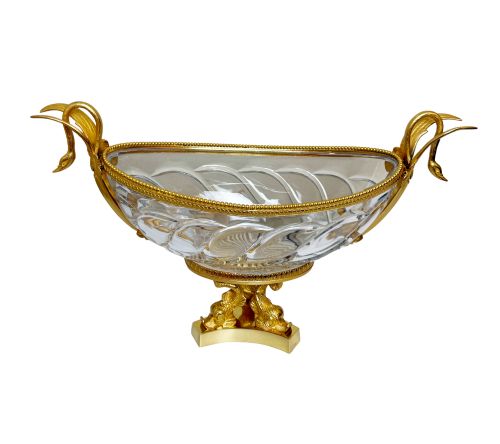
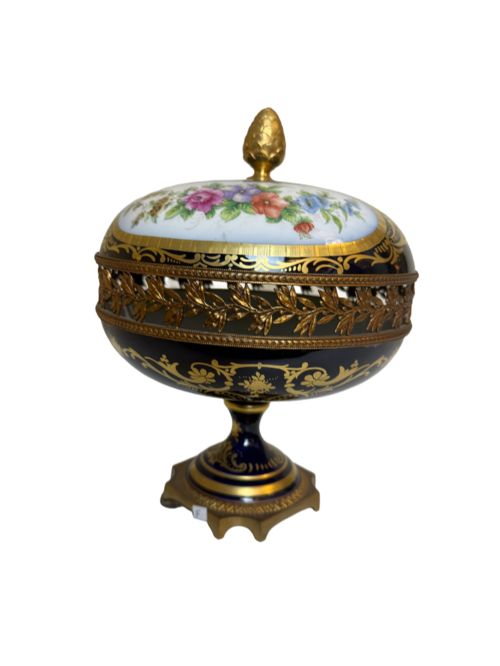
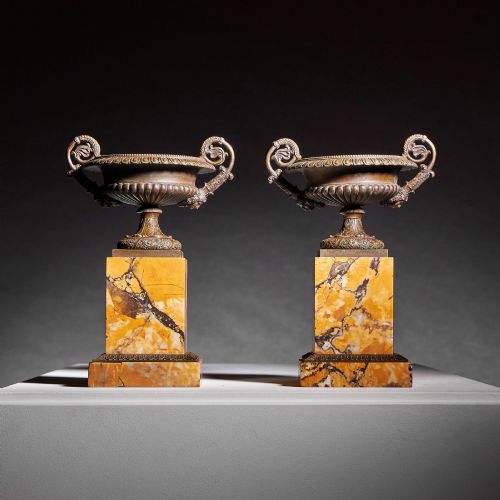
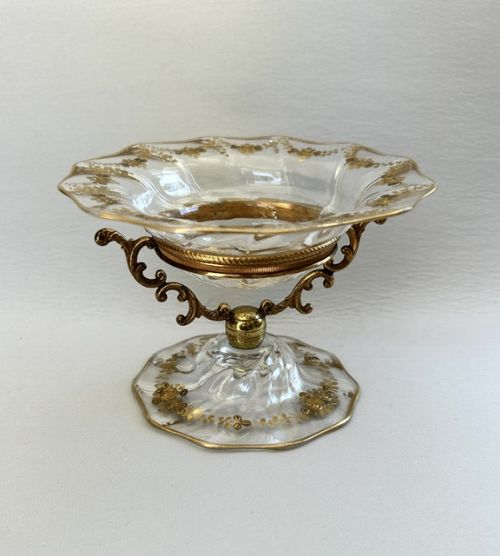
The forms range from flat platters and pin trays to raised tazzas, comports, and elaborate centrepieces. Many incorporate secondary materials such as porcelain, enamel, crystal, and marble, creating items intended to catch the eye on tables and mantelpieces.
How they were made
The foundation of these objects rests in cast bronze, often treated with a gilt finish, patination, or ormolu mounts. Makers utilised methods of casting, chasing, and plating to achieve intricate surface detail, whether depicting winged cherubs, mermen, or classical scrollwork.
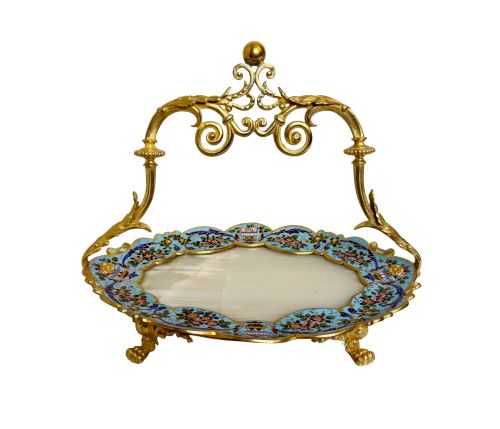
Many examples integrate decorative techniques such as champlevé and cloisonné enamel, porcelain panels from factories like Sevres and Limoges, or carved hardstones including onyx, agate, and malachite. These varied components required specialised assembly to join metal frames securely with glass, stone, or ceramic.
Materials appearing across the inventory include gilt bronze, ormolu, champleve enamel, porcelain, onyx, agate, and mother-of-pearl.
What varies in quality
The distinction between standard production and exceptional work lies in the sharpness of the bronze casting and the precision of the chasing. Superior pieces display crisp relief work in figures and foliage, where details remain distinct rather than softened by excessive finishing.
Quality also shows in the integration of mixed materials. Finer examples combine high-grade porcelain, evenly fired enamel, or unblemished crystal with heavy, stable metal mounts that fit together seamlessly without gaps.
Louis Pierre Malpass·Ferdinand III·Sevres
The 19th Century Bronze Dish Glossary
- Ormolu
- Gilded bronze, where a layer of gold is applied to a bronze object using a mercury amalgamation process or electrochemical methods. This finish gives the metal a rich, warm yellow lustre common in French decorative arts.
- Tazza
- A shallow bowl or plate mounted on a stem and foot, originating from classical forms. These pieces often serve as centrepieces or decorative displays.
- Champlevé
- An enamelling technique where troughs or cells are hollowed out in the surface of the bronze and filled with vitreous enamel before firing. The metal partitions remain visible between the coloured enamel areas.
- Cloisonné
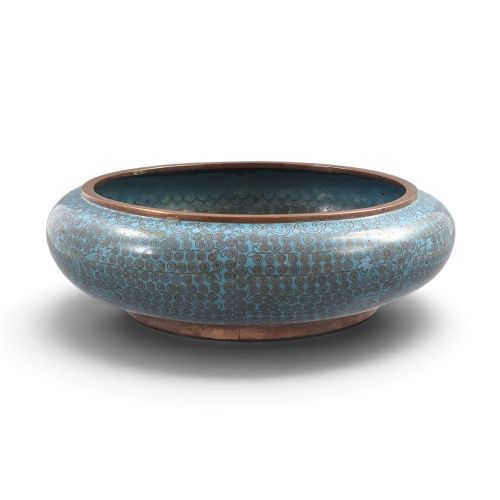
- A method of decorating metal objects by soldering flat metal wires to the base to create compartments, which are then filled with enamel paste and fired. This technique produces intricate patterned surfaces across dishes and chargers.
- Vide poche
- A small tray or dish intended to hold pocket contents such as coins, keys, or jewellery upon entering a room. These items often feature ornate metal mounts and enamel or porcelain inserts.
19th Century Bronze Dish: Frequently Asked Questions
What is the difference between a tazza and a centrepiece?
A tazza is defined by its raised pedestal base supporting a shallow bowl or dish, giving it distinct height on a surface. A centrepiece covers a broader category of large decorative vessels placed in the middle of tables, which may include tazzas, large trays, or mounted urns.
While a tazza focuses on the elevated dish form, a centrepiece often incorporates more elaborate figural supports, multi-material combinations, and larger footprints designed for dramatic room presence.
How were these dishes used in the 19th century?
These pieces served both functional and decorative roles in nineteenth-century interiors. Many acted as centrepieces for dining tables, holding fruit, bonbons, or floral arrangements during formal meals.
Smaller versions functioned as pin trays, vide poches, or scholar's brush washers for desks and hallways, while grander chargers and platters were displayed on sideboards to demonstrate taste and wealth.
How do I identify French empire style bronze work?
French empire style pieces draw heavily on classical motifs inspired by ancient Greece and Rome. Look for symmetrical designs, martial or mythological figures, laurel wreaths, palmettes, and high-contrast finishes of bright ormolu against dark patinated bronze.
These items often feature architectural proportions and solid, weighty construction characteristic of the early nineteenth century.
Can I place items on the enamel surfaces?
Enamel surfaces on these dishes, whether champlevé or cloisonné, are glass-based decorations fused to metal. While durable enough for light daily use as pin trays or decorative displays, they benefit from gentle handling.
To prevent scratching or chipping the vitreous enamel, avoid placing hard metal objects or heavy items directly onto the decorated interior wells.