



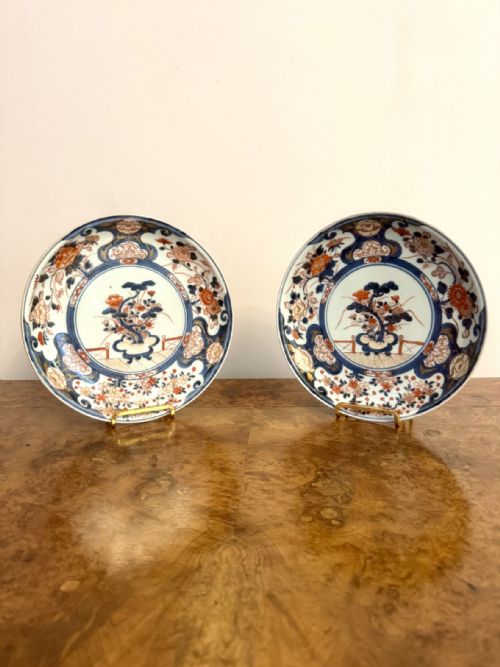
19th Century Charger Plate
A 19th century charger plate brings substantial scale and historic craft directly to walls and sideboards.
19th Century Charger Plate
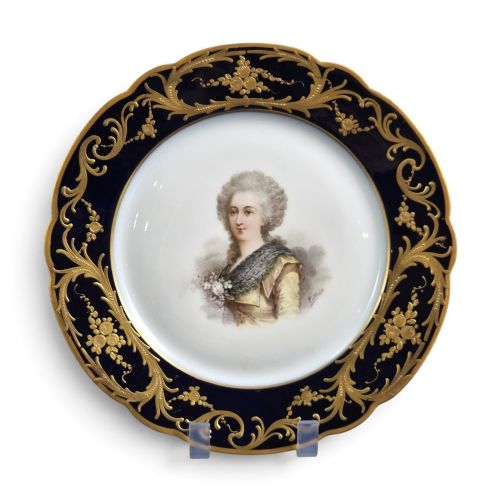
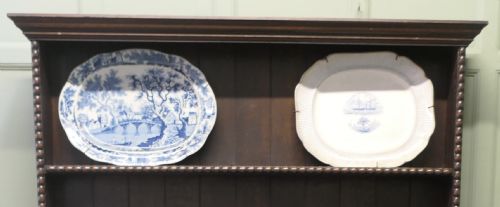
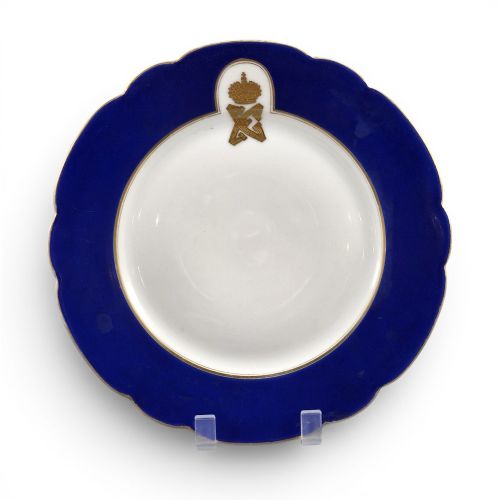
A 19th century charger plate encompasses large decorative platters and display pieces originating from British, European and Asian workshops. These items span periods from the Regency era through to the late Victorian years and the turn of the twentieth century.
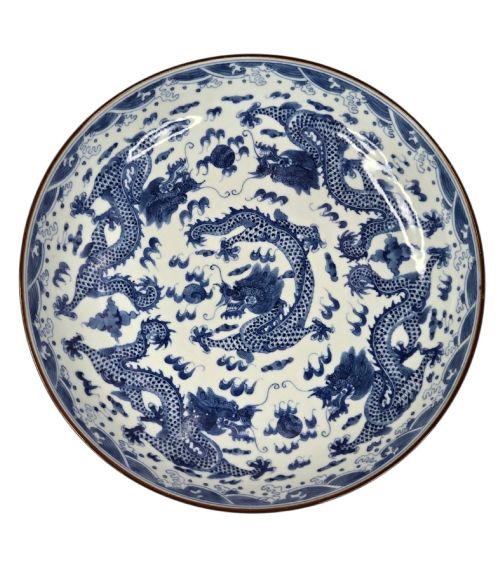
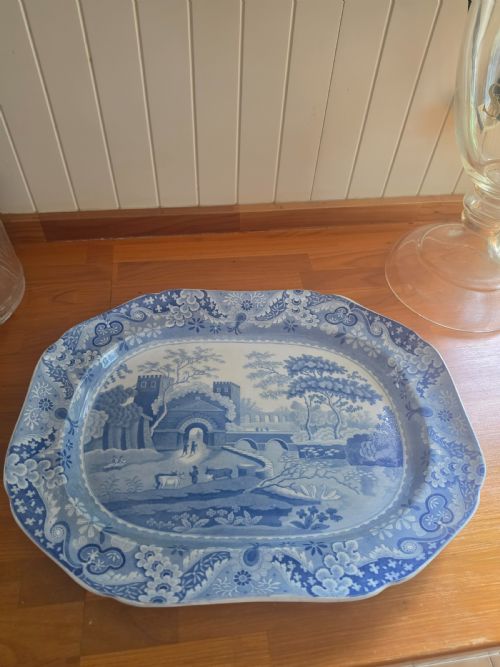
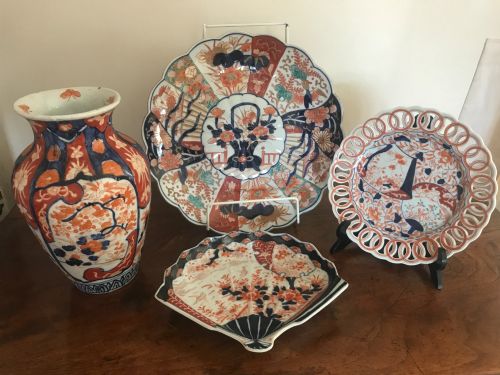
The selection frequently includes Japanese Imari patterns, cloisonné enamel trays, and large blue and white porcelain or earthenware dishes. Many examples function as wall plaques or cabinet pieces rather than functional tableware.
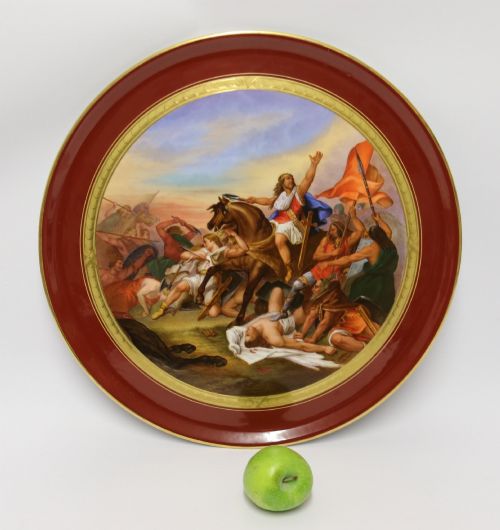
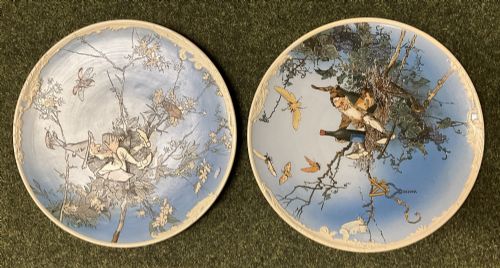
Origin points range from English potteries like Spode and Copeland to French Sèvres-style works, German Mettlach and Meissen, and Meiji period Japanese studios.
Materials and production methods
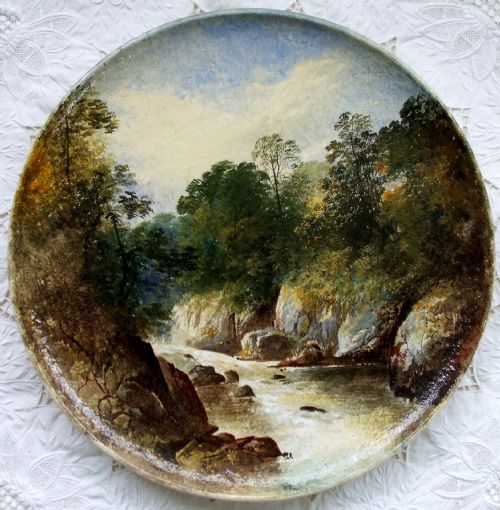
Ceramic pieces rely on porcelain, earthenware, and slipware finished with glazes, cobalt blue pigments, and hand-painted or transfer-printed decoration. Enamel, gold leaf, and gilt often accent these ceramic surfaces.
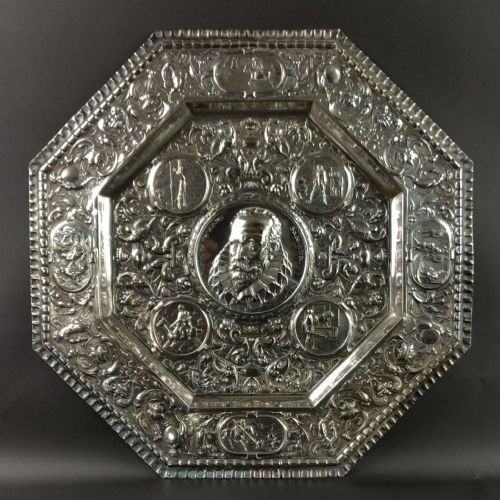
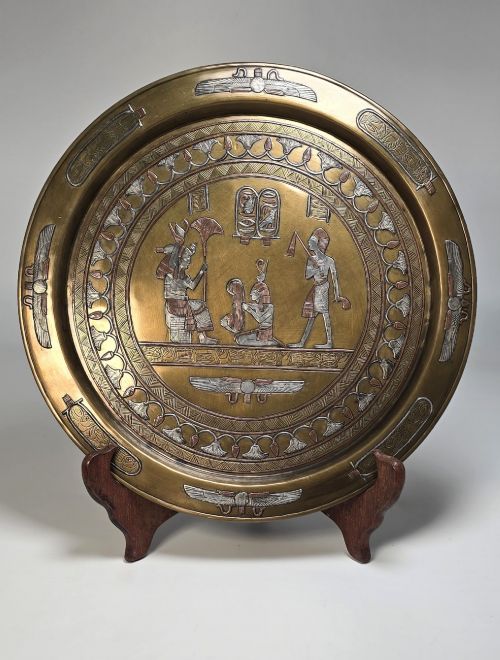
Metal alternatives utilise copper, bronze, and brass shaped through repoussé hammering, silver plating, and intricate silver inlay known as Cairo Ware. Cloisonné examples incorporate fine metal wires on metal or porcelain bases to contain coloured enamel pastes before firing.
Geographic origins span French, German, Russian, Chinese, and Japanese workshops alongside domestic British potteries.
Factors determining quality
Quality rests in the precision of the hand-painted brushwork, the depth and clarity of repoussé metalwork, and the complexity of enamel cellular wirework. Superior pieces display crisp detailing in figural scenes and balanced composition across large surfaces.
The reputation of the manufactory or potter, evidenced by factory marks such as Meissen crossed swords or signed cloisonné panels, distinguishes standard decorative output from masterwork productions.
Seaton Pottery·Spode·Copeland Pottery·Meissen·Mettlach
The 19th Century Charger Plate Glossary
- Charger plate
- A large decorative platter or flat dish traditionally positioned beneath other courses or hung as a display piece. These items measure significantly larger than standard dining plates.
- Repoussé
- A metalworking technique where a design is hammered into relief from the reverse side of the sheet. This creates a three-dimensional decorative surface on bronze or copper plates.
- Cloisonné
- An enamel decoration method using thin metal wires soldered to a base to form compartments filled with paste. These trays and chargers undergo multiple firings to vitrify the glass paste.
- Imari
- A style of Japanese export porcelain featuring underglaze blue and overglaze iron red, gold, and secondary colours. These patterns became exceptionally popular across European households during the Victorian period.
- Slipware
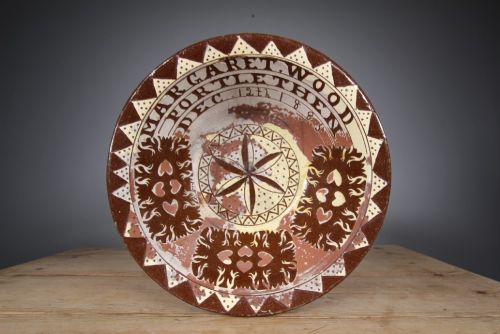
- Pottery decorated with a liquid clay mixture applied before firing to create surface patterns. This method appears on traditional earthenware bowls and regional British vessels.
19th Century Charger Plate: Frequently Asked Questions
How were 19th century charger plates used?
These large vessels served primarily as decorative display pieces on sideboards, walls, and cabinet shelves rather than functional dinnerware. Their substantial diameters made them ideal centerpieces for formal rooms.
Metal and ceramic versions also functioned as commemorative plaques or presentation pieces for significant historical figures and events.
How do I hang a heavy charger safely?
Displaying large ceramic and metal platters on walls requires dedicated hardware designed to distribute weight evenly across the rim. Spring-loaded brass wire hangers or custom wooden brackets provide secure support.
Ensuring the wall fixing anchors securely into solid masonry or stud work prevents accidental slips.
How do I distinguish Japanese Imari from European copies?
Japanese Imari porcelain from the Meiji period typically exhibits distinct body densities, unglazed foot rings, and characteristic iron-red and cobalt hues applied over bright white paste. European factories like Meissen and Sèvres produced their own interpretations with distinct paste compositions and factory marks.
Examining the glaze pooling and pigment saturation helps identify regional manufacturing traits.
How should I clean antique metal and porcelain plates?
Ceramic and cloisonné surfaces require gentle dusting with a soft, dry cloth to protect fragile enamels and glazes from moisture damage. Avoid harsh chemical cleaners or submersion in water.
Silver-plated and bronze platters benefit from minimal intervention, preserving the natural historic patina accumulated over time.