


Bronze Wall Plate
A bronze wall plate brings heavy metallic presence and meticulous chased, enamelled or inlaid detail to an interior.
Bronze Wall Plate
A bronze wall plate encompasses large decorative chargers, platters and shallow dishes created to be hung or displayed across nineteenth-century and early twentieth-century interiors. These items range from Grand Tour classical souvenirs to intricate Asian imports designed for Western collectors.
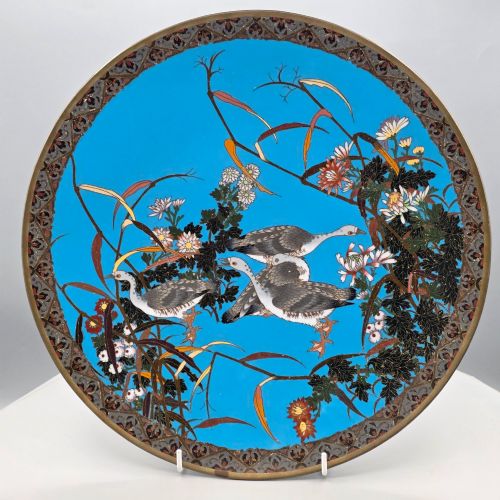
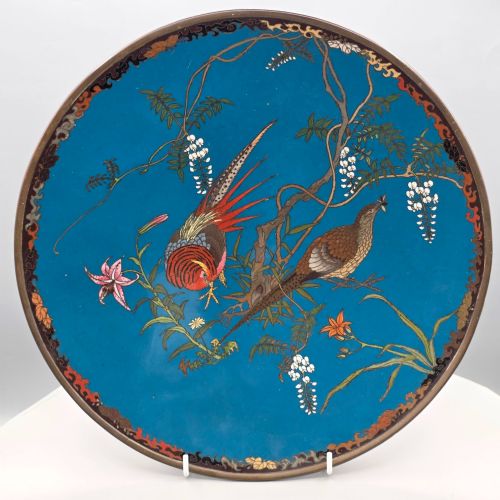
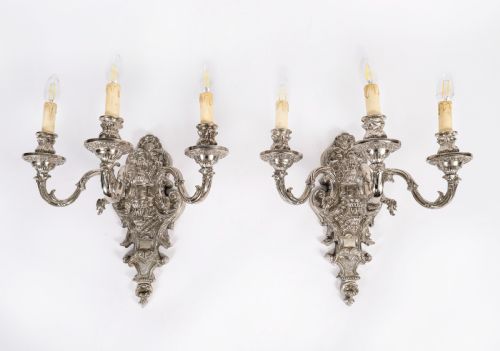
Japanese Meiji period cloisonne enamel chargers dominate the selection alongside French Rococo revival wall lights, Neo-Classical platters and Egyptian Cairo Ware inlaid pieces. Buyers encounter heavy cast bronze forms, beaten copper plates and silver-plated items decorated with birds, dragons, flowers and symbols.
The objects serve primarily as striking visual centerpieces or architectural wall ornaments, utilising diverse cultural motifs spanning Chinese export work, Indian Raj plaques and European revival styles.
How they were made
Manufacturing methods rely heavily on casting solid bronze, brass or copper bases, which are then finished through hammering, chasing or silver-plating. Many European pieces utilise classical casting techniques for heavy relief decoration, while other items employ beaten metal construction.
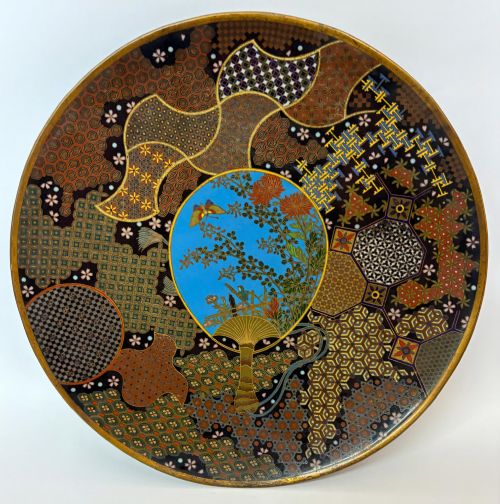
Enamelling techniques define a major portion of the selection, specifically cloisonne and Totai Shippo methods where wire cells contain coloured glass pastes fired onto metal foundations. Cairo Ware items demonstrate distinct hand-inlay work combining copper and silver wires directly into the bronze surface.
Frogs, butterflies, leaping koi and fierce dragons share wall space across these nineteenth-century metal plates.
What varies in quality
Quality rests upon the precision of the metalwork and the complexity of the decorative surface, separating mass-produced souvenir items from masterworks. Finer Japanese cloisonne displays microscopic wirework and flawless enamel gradients depicting complex subjects like dragons, koi and chrysanthemums.
The depth of relief casting and the crispness of chased detailing dictate the distinction in European Neo-Classical and revival pieces. Substantial weight, artist signatures and integrated silver or copper inlay elevate the status of individual platters.
Faulkner Bronze Company
The Bronze Wall Plate Glossary
- Cloisonne enamel
- A metalworking technique where thin wire partitions are soldered to a bronze or copper base to create cells filled with enamel paste and fired. This method produces intricate pictorial designs across Japanese chargers.
- Charger
- A large decorative plate or platter intended for display on a wall or sideboard rather than for dining use. These substantial objects often feature elaborate figural or botanical motifs.
- Grand Tour
- A nineteenth-century cultural journey undertaken by wealthy Europeans, resulting in the acquisition of classical souvenirs such as bronze plates and archaeological reproductions. These items reflect classical antiquity.
- Cairo Ware
- Metalwork originating from Egypt featuring contrasting silver and copper wire inlaid into a dark bronze ground. The technique creates dense geometric and calligraphic patterns.
- Komai style
- Metalwork decoration originating from Kyoto involving delicate gold and silver overlay on a darkened iron or brass ground. Pieces often depict deities and mythical beasts.
Bronze Wall Plate: Frequently Asked Questions
How do I hang a heavy bronze wall plate safely?
Heavy pieces require robust brass or steel wall brackets specifically designed to support significant weight without straining the metal rim. Ensure fixings anchor directly into solid wall studs or masonry.
Avoid using simple adhesive hangers or thin picture wire for items exceeding a few kilograms. Professional mounting provides secure display for substantial chargers.
What is the difference between a charger and a plate?
Chargers measure significantly larger in diameter than standard dining plates and feature deeper wells intended purely for visual display. They function as commanding wall art rather than functional tableware.
Plates in this category generally serve similar decorative purposes but occupy a slightly smaller scale within domestic arrangements.
How do I clean an antique bronze wall plate?
Dust the surface gently with a soft dry cloth to remove everyday particles without disturbing delicate patinas or inlaid wires. Avoid commercial chemical metal polishes that strip historical age.
Enamelled and silver-plated sections require particular caution to prevent moisture damage or abrasion to fragile glass pastes.
How can I tell a Meiji period cloisonne charger apart?
Meiji period examples typically exhibit dense wirework outlining flora, fauna or mythological subjects like dragons against coloured enamel grounds. Many bear artist signatures on the reverse or base.
The weight, vibrant enamel colours and meticulous attention to detail distinguish nineteenth-century Japanese production from later tourist wares.