




Gold Bronze Dish
A gold bronze dish brings a warm metallic gleam to a table, combining cast metal with crystal, porcelain or enamel.
Gold Bronze Dish
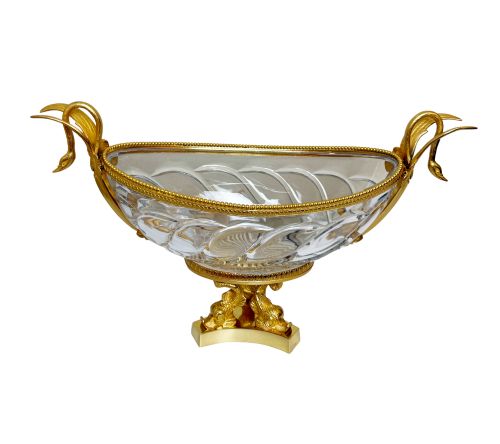
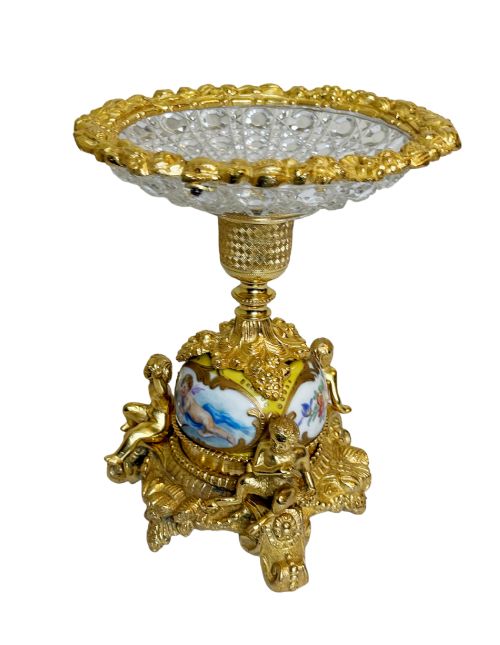
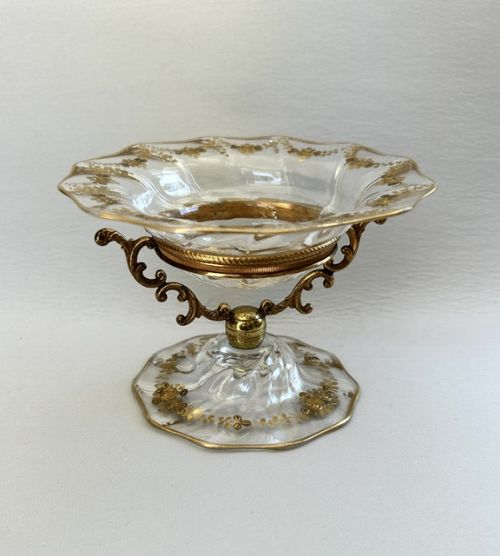
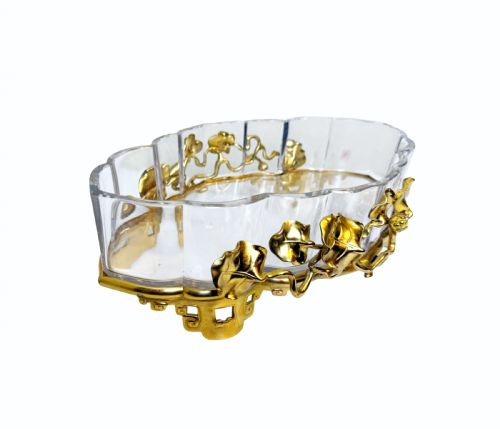
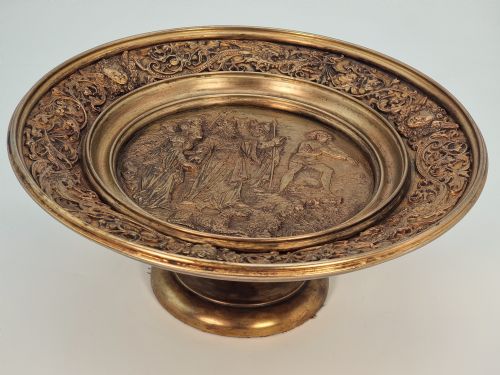
A gold bronze dish encompasses tazzas, centrepieces, chargers and decorative platters finished in gilt bronze or ormolu. These pieces serve as table centrepieces or decorative trays, drawing the eye with their substantial weight and reflective surfaces.
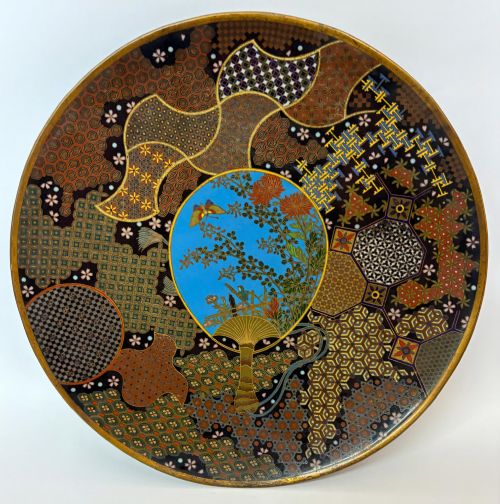
The versions most common here range from late nineteenth century French ormolu mounts and Meiji period Japanese mixed-metal chargers to Regency tazzas set with hardstones. Makers combined cast brass and bronze with cut crystal, porcelain and enamel to create ornate serving vessels and display pieces.
Originating across European workshops and East Asian kilns and metalworking studios, these objects reflect distinct regional aesthetics from French Rococo Revival to Japanese Komai style. Buyers encounter pieces spanning the Victorian era through the early twentieth century, each utilising metallic finishes to catch the light.
Materials and Working Methods
Artisans cast bronze and brass using traditional foundry methods, subsequently applying a gold wash or mercury gilding to produce the distinctive ormolu surface. This gilt layer protects the base metal while providing a rich, golden lustre that requires careful handling.
Many examples integrate cut crystal, Sevres porcelain, Limoges enamel, Blue John or malachite, securing these fragile elements within elaborate metal frames and mounts. Japanese pieces employ mixed-metal inlays of silver, gold and bronze directly into the dark bronze body to delineate complex motifs.
Materials recur in combination, pairing gilt bronze and ormolu with cut crystal, porcelain, enamel, malachite and Blue John.
Factors That Separate Examples
The sharpness of the cast detail dictates the quality of metalwork, distinguishing crisp chasing on cherubs, mermen and floral motifs from softer, worn impressions. Superior pieces retain the definition in every feather, petal and facial feature without loss from over-cleaning.
The harmony between the metal frame and its inserted element, whether cut glass, enamel or porcelain, marks the standard of the piece. Masterwork examples align the gilt bronze mounts flush against the body, whereas lesser objects show gaps or uneven joins in the assembly.
Louis Pierre Malpass·Olof Ahlberg
The Gold Bronze Dish Glossary
- Ormolu
- Gilded bronze, produced by applying a gold and mercury amalgam to a bronze object and heating it to drive off the mercury. This technique yields a durable, matte gold surface characteristic of nineteenth-century French decorative arts.
- Tazza
- A shallow bowl or dish mounted on a stem and foot, designed for display or serving fruit and sweetmeats. These elevated pieces frequently feature cast figures or hardstone inlays.
- Champlevé enamel
- A technique where troughs are dug into the surface of the metal and filled with vitreous enamel before firing. The resulting design sits flush with the surrounding metal borders.
- Cloisonne
- Enamelwork in which thin metal wires are soldered to a metal base to form compartments that hold coloured enamel pastes. Japanese makers utilised this method for intricate charger designs.
Gold Bronze Dish: Frequently Asked Questions
How were gold bronze dishes used originally?
These pieces functioned primarily as centrepieces on dining tables, holding fruit, flowers or sweetmeats during formal meals. Smaller trays and boxes served on side tables to hold jewellery or calling cards.
Over time, their role shifted toward pure display, placed upon credenzas and mantelpieces to showcase fine metalwork, porcelain and coloured glass.
How do I clean an ormolu mount?
Gilt bronze requires gentle dusting with a soft, dry brush to remove particles from recessed crevices without abrading the thin gold layer. Moisture and chemical polishes strip the historic gilding.
If the metal requires attention, use a mild solution of warm water and soap on a cloth, drying the surface immediately to prevent spotting.
What is the difference between ormolu and gilt bronze?
Ormolu specifically refers to the historical French process of mercury gilding bronze, popular during the eighteenth and nineteenth centuries. The term denotes the bright, warm gold finish seen on French decorative arts.
Gilt bronze is a broader description that includes any bronze object coated in a gold-coloured layer, regardless of the precise chemical method used.
How do I date a nineteenth century piece?
Dating relies on stylistic clues, such as the exuberant scrolls of Rococo Revival versus the restrained symmetry of Neoclassical or Empire designs. The presence of specific ceramic bodies, like Sevres porcelain, helps narrow the production window.
Factory marks and signature styles, such as Japanese Meiji period mixed-metal work, provide further chronological markers within the broader Victorian era.