

Antique Cocktail Bar
When choosing an antique cocktail bar, collectors discover sophisticated storage forms and silver barware spanning from the Victorian era to the Art Deco period.
Antique Cocktail Bar
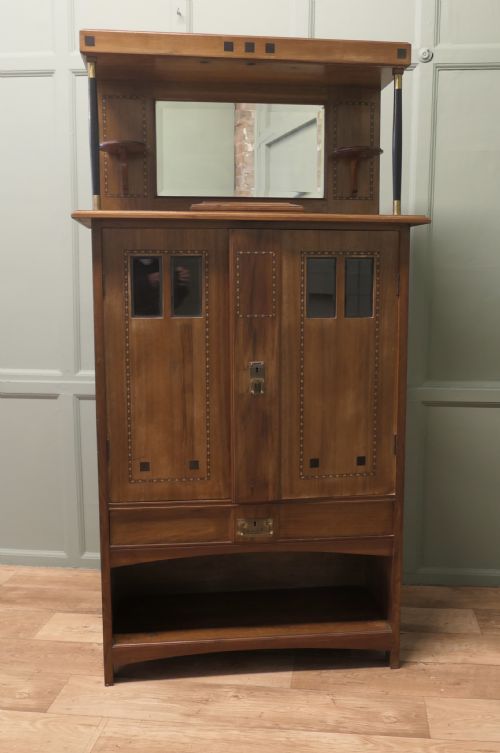
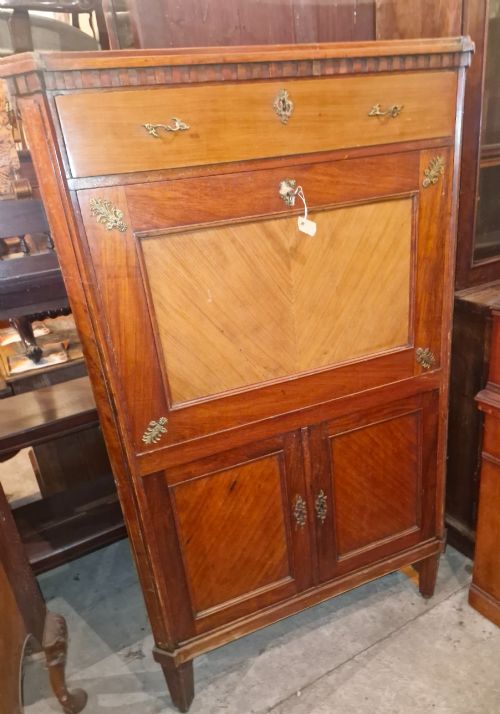
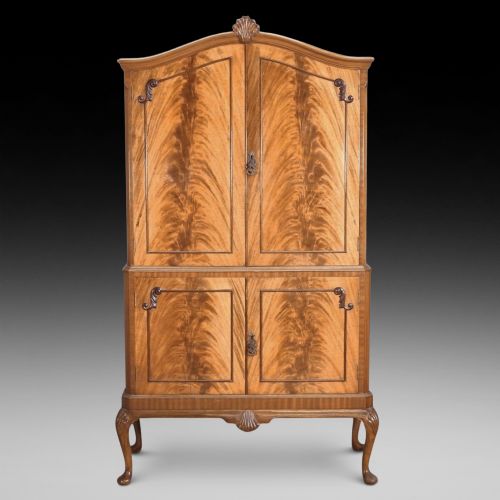
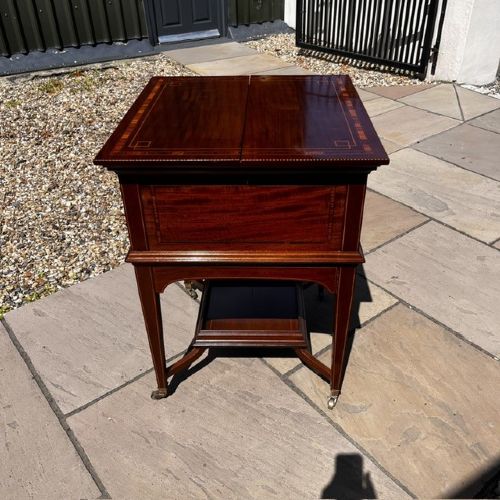
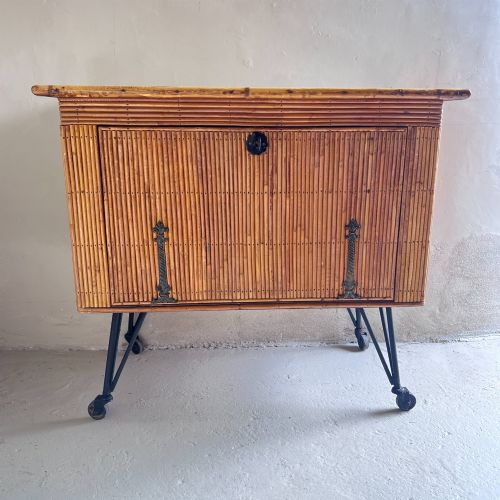
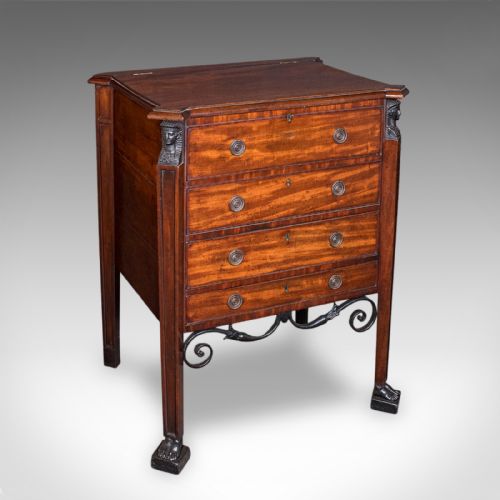
An antique cocktail bar encompasses a wide range of specialised furniture and serving accessories designed for mixing and dispensing drinks. The selection includes substantial freestanding drinks cabinets, folding dry bars, serving trolleys, and smaller tabletop items.
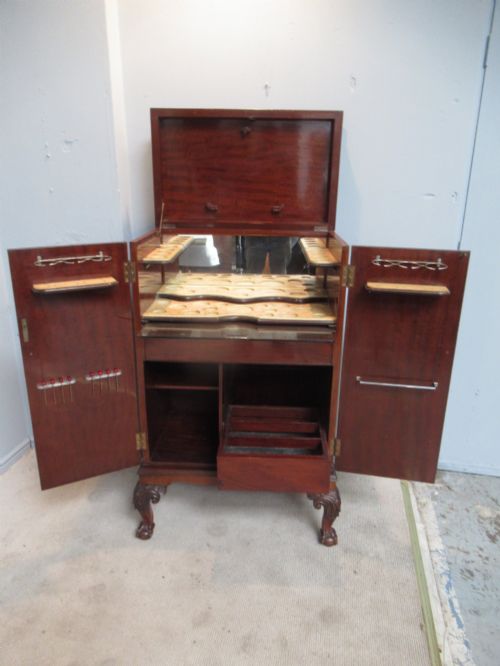
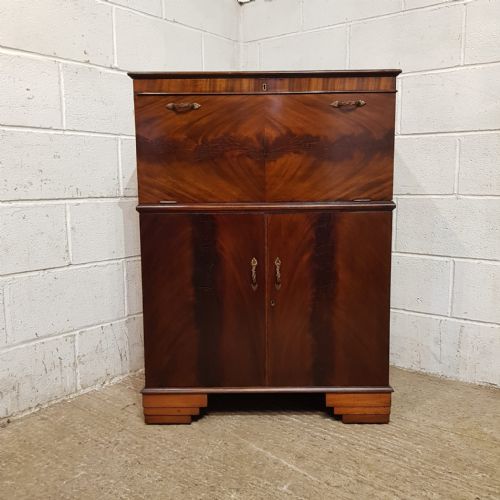
The most prevalent pieces on this page date from the 1920s and 1930s, heavily influenced by Art Deco design alongside earlier Edwardian and Victorian forms. Cabinets often feature fitted interiors with mirrored backs, glass shelves, and built-in juicers or accessory compartments.
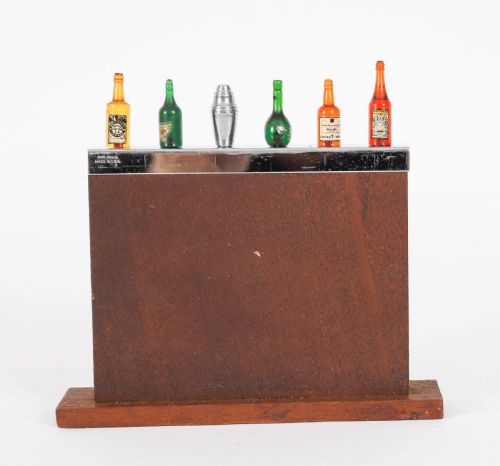
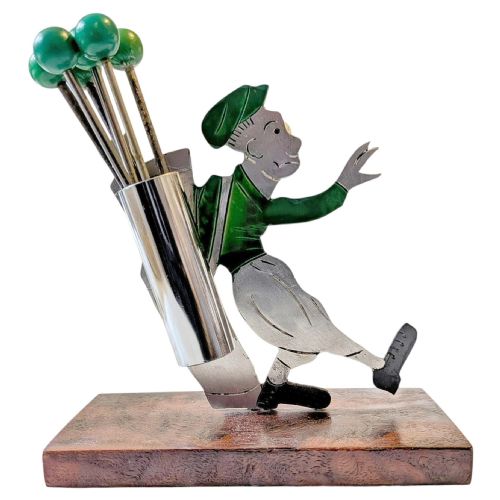
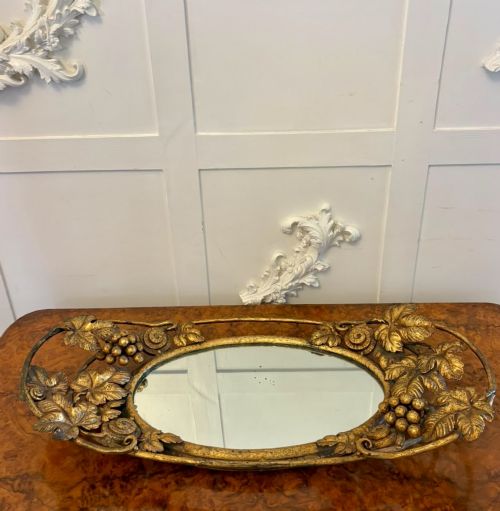
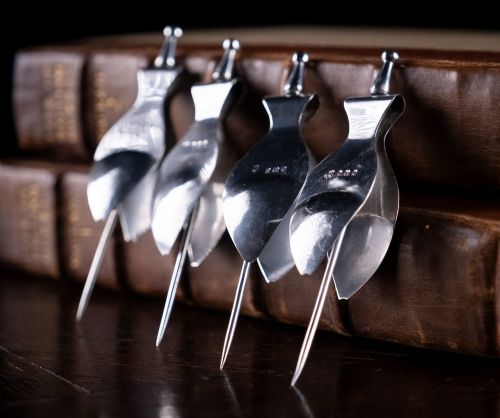
Beyond large furniture, the category extends to portable barware such as silver plated trays, cocktail shakers, lemon wedges, and novelty cocktail stick sets. These smaller items bring period elegance to modern home entertaining.
Materials and construction
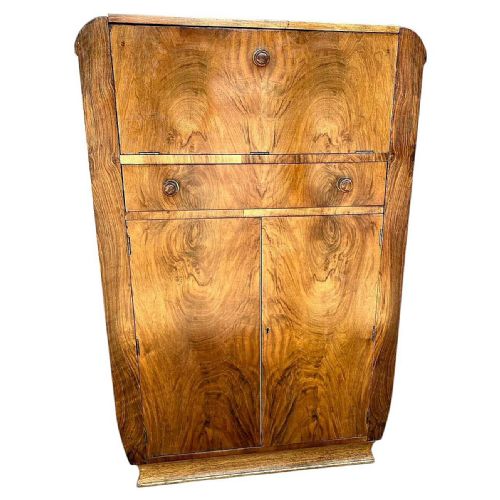
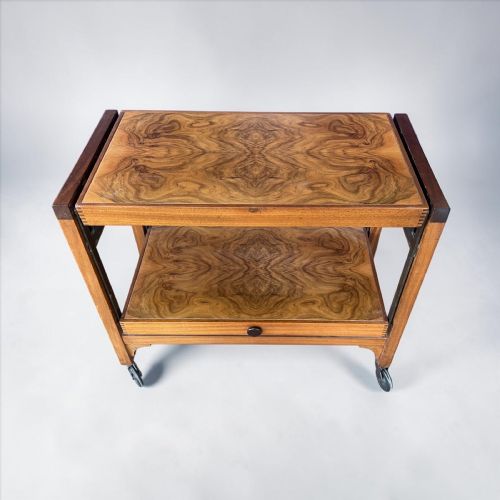
Cabinet makers relied heavily on rich timbers such as burr walnut, figured mahogany, satinwood, and bird's-eye maple to give these cocktail bars a striking exterior presence. Veneers were carefully matched and laid to create geometric or symmetrical patterns, particularly across Art Deco doors and drop-front panels.
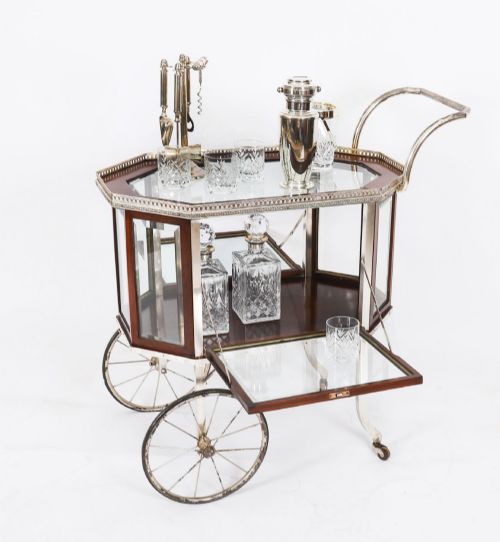
Metal and glass components played a crucial functional and decorative role, incorporating brass hardware, chrome accents, mirrored glass panels, and silver plate. Serving trolleys and bar carts frequently combined these elements with cast-iron or wooden wheels for mobility.
Novelty cocktail sticks featuring comical golfers and cherry men add a whimsical touch to 1940s barware.
Distinguishing quality
Quality in these pieces is dictated by the sophistication of the internal mechanism, the choice of cabinet veneers, and the attribution to noted makers. Superior examples offer clever folding or revolving designs, illuminated interiors, and complete matching glassware sets.
Finer silver and plated barware show crisp casting, intact hallmarks, and well-preserved plating, while lesser examples display heavy wear or replaced fittings that dilute their period integrity.
Epstein·Hukin and Heath·Maison Bagues·Maurice Adams·Richard Comyns
The Antique Cocktail Bar Glossary
- Burr walnut
- A highly figured timber veneer prized for its swirling grain patterns. It became the definitive finish for luxury Art Deco cabinets.
- Dry bar
- A specialised cabinet or counter designed exclusively for serving alcoholic drinks without a plumbed sink. These units often feature drop-down preparation ledges and bottle storage.
- Silver plate
- A layer of silver fused to a base metal such as copper or Britannia metal. It allowed manufacturers to produce ornate cocktail shakers and trays at a commercially viable scale.
- Metamorphic
- Descriptive of furniture that transforms in function through folding, sliding, or revolving mechanisms. Such pieces reveal hidden serving surfaces or bottle wells upon operation.
Antique Cocktail Bar: Frequently Asked Questions
How do I identify an Art Deco cocktail cabinet?
Art Deco cabinets typically display symmetrical burr walnut or bird's-eye maple veneers, clean geometric lines, and mirrored internal compartments designed for glassware storage.
They frequently incorporate chrome hardware and contrasting inlaid details that set them apart from heavier Victorian or Edwardian precedents.
Are serving trolleys practical for modern use?
Period serving trolleys and bar carts provide mobile surface space fitted with wheels or castors, making them highly functional for contemporary entertaining.
Their mirrored glass trays and metal frames securely hold glassware while moving between rooms.
How do I date an antique cocktail cabinet?
Dating relies on combining stylistic markers, construction techniques, and materials such as Edwardian satinwood inlay or 1930s chrome and lacquer finishes.
Makers' stamps, silver hallmarks on accompanying barware, and patent numbers on internal mechanisms also help narrow down the precise decade.