


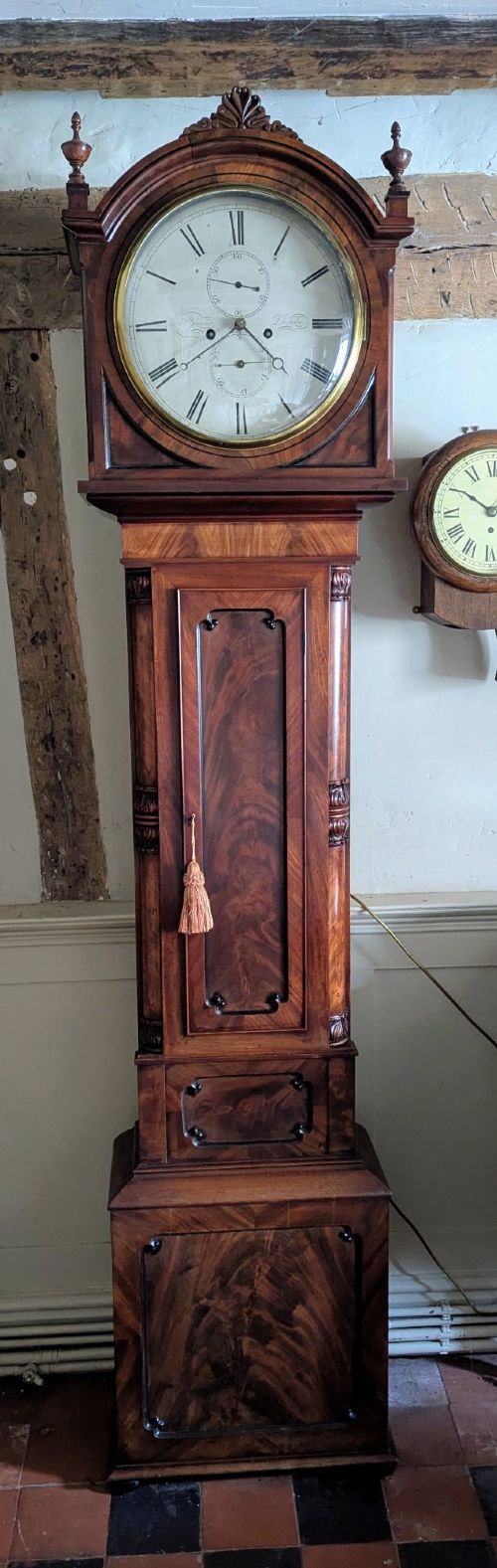
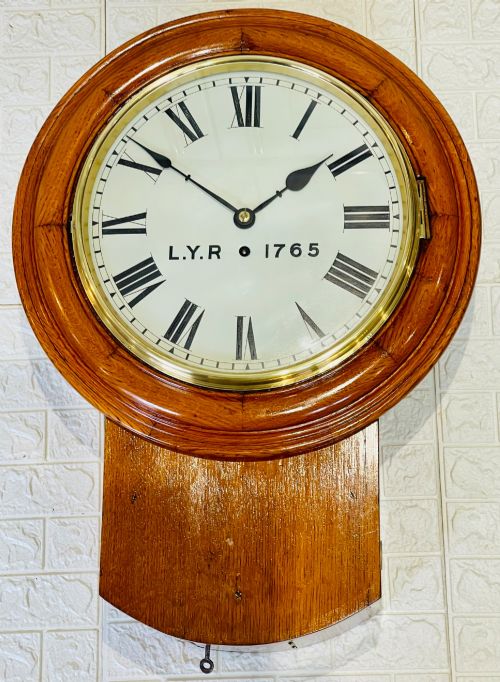
Antique Clock with Pendulum
An antique clock with pendulum brings rhythmic movement and historic timekeeping to a room, offering mechanical depth alongside traditional cabinetry and casework.
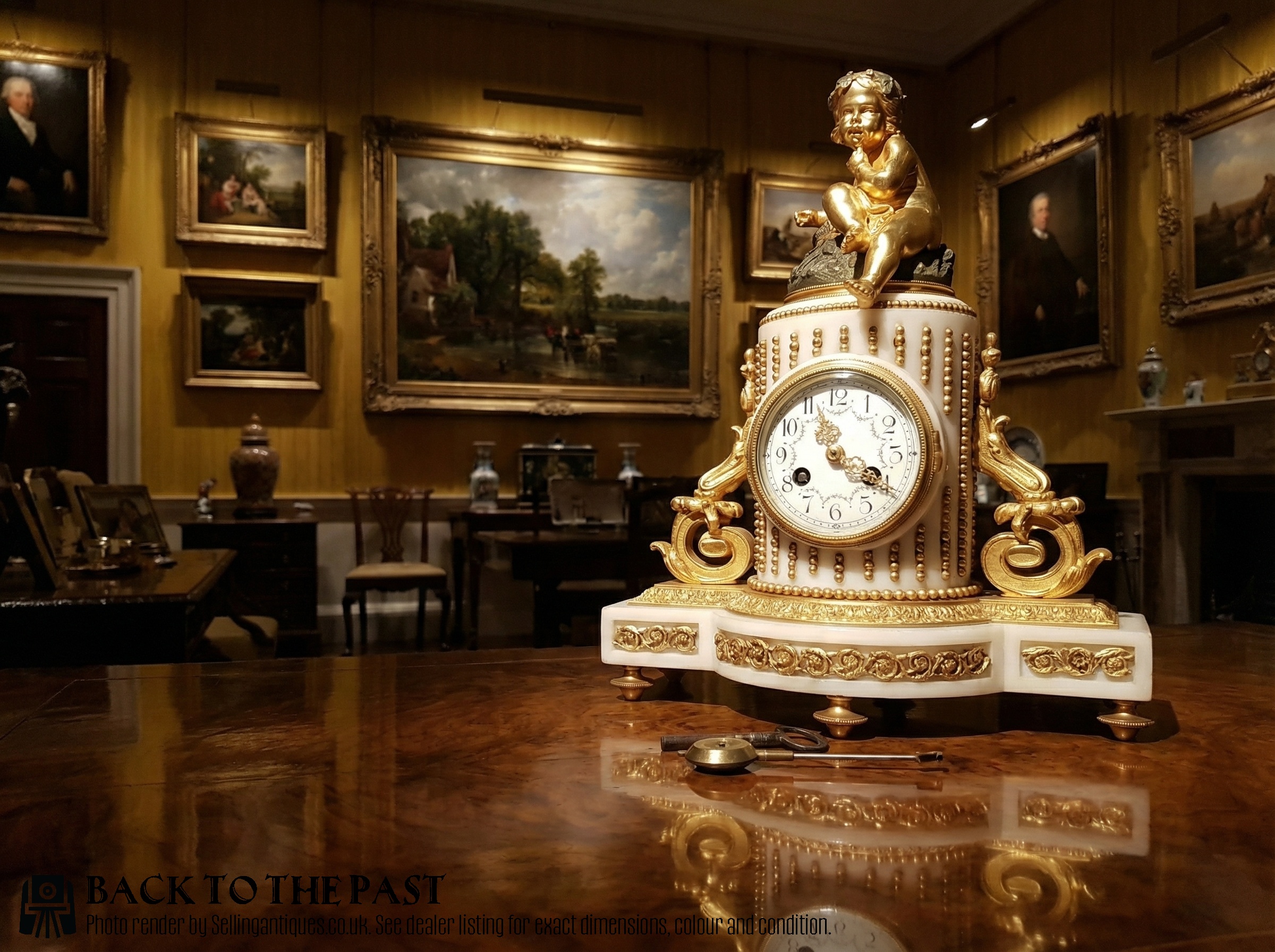
Antique Clock with Pendulum
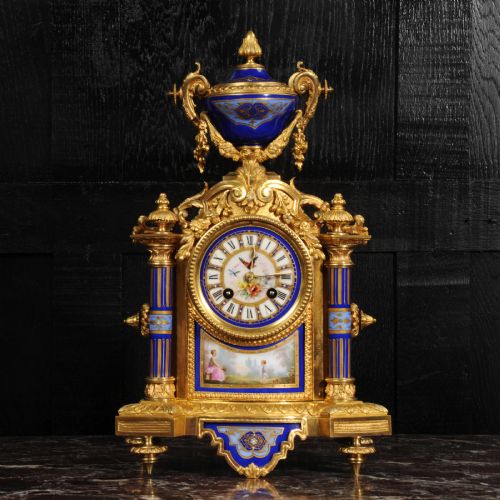
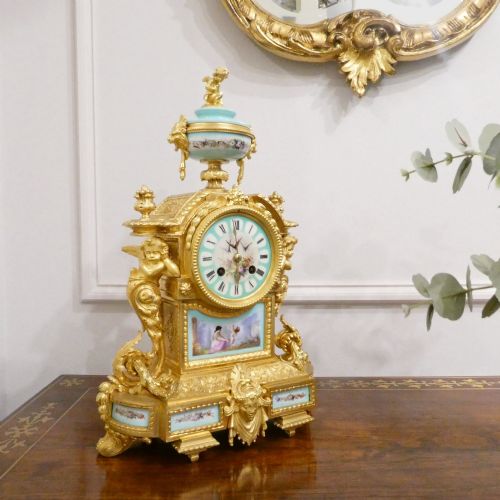
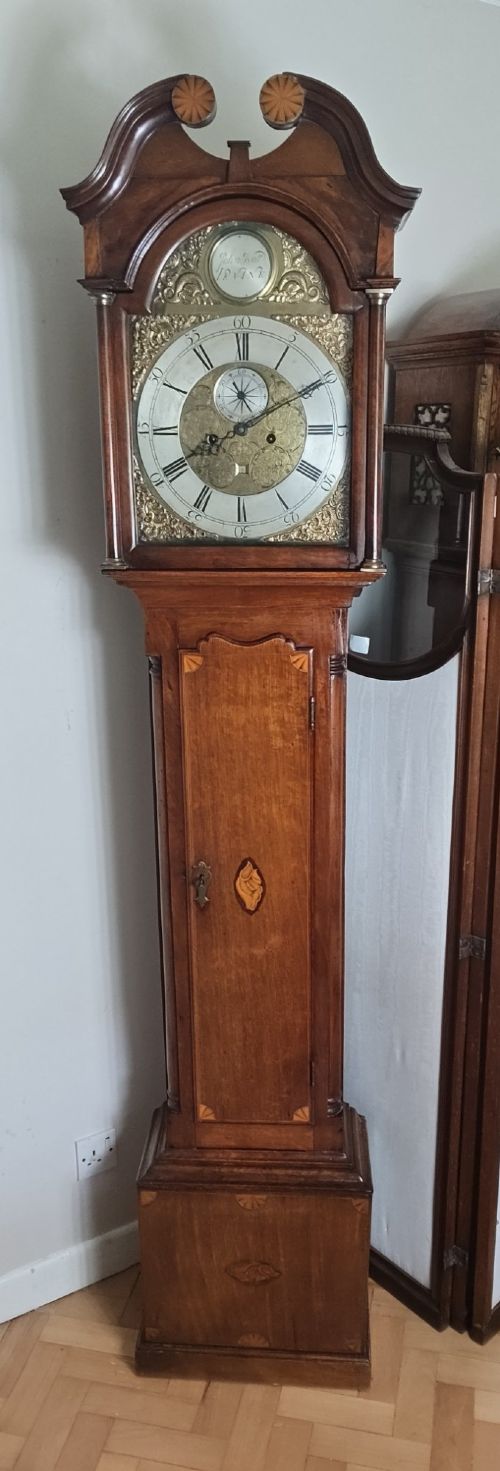
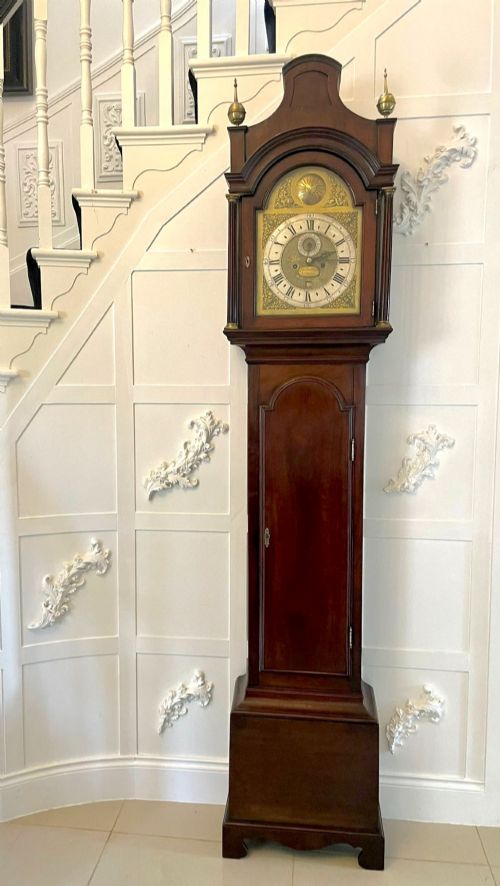
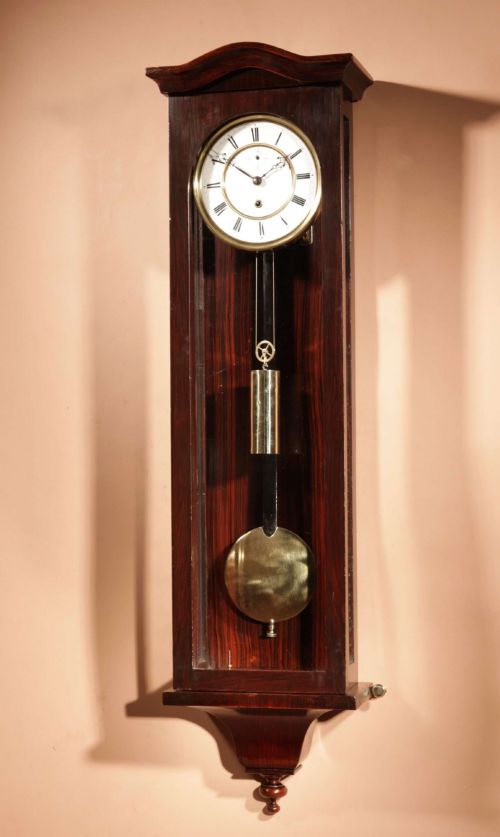
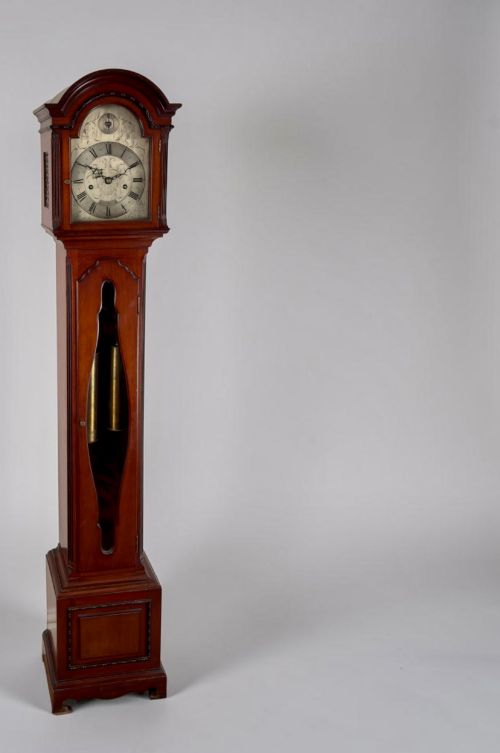
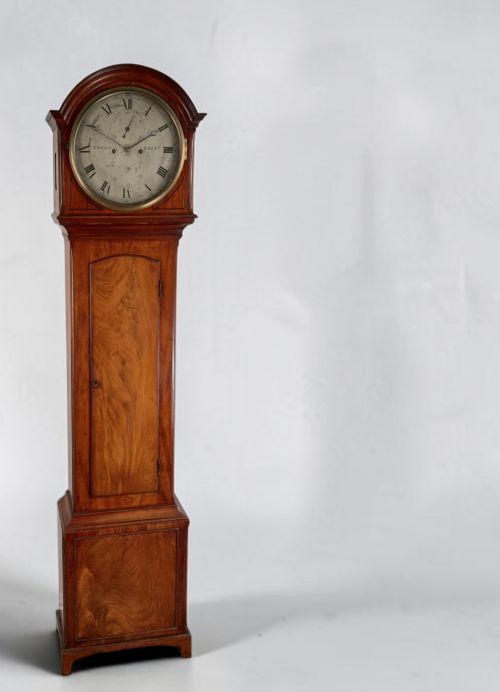
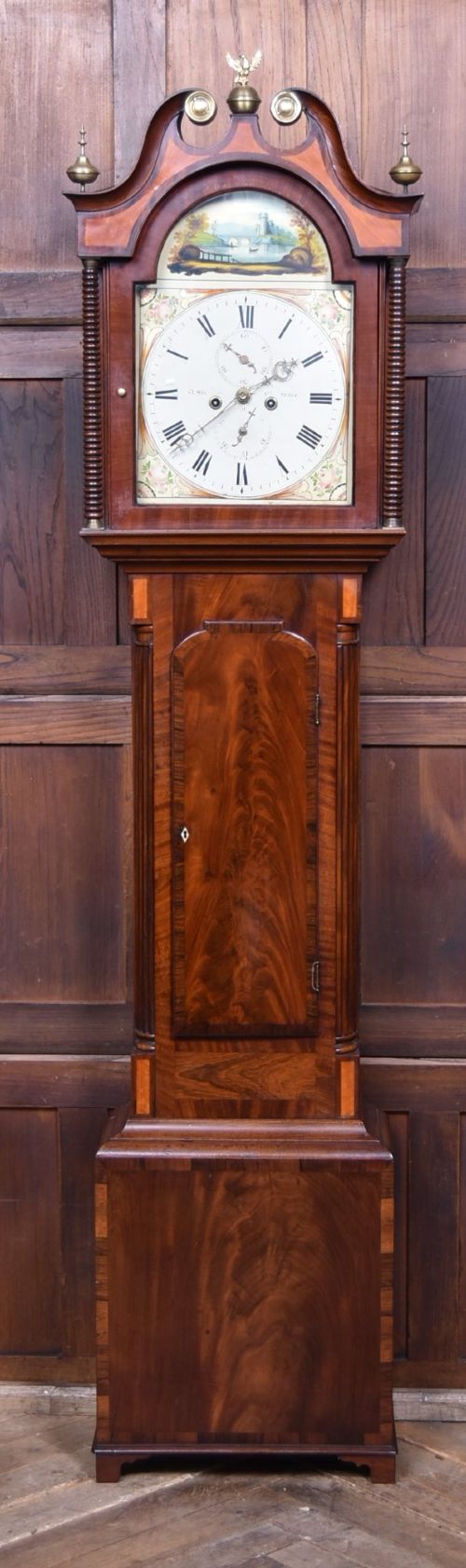
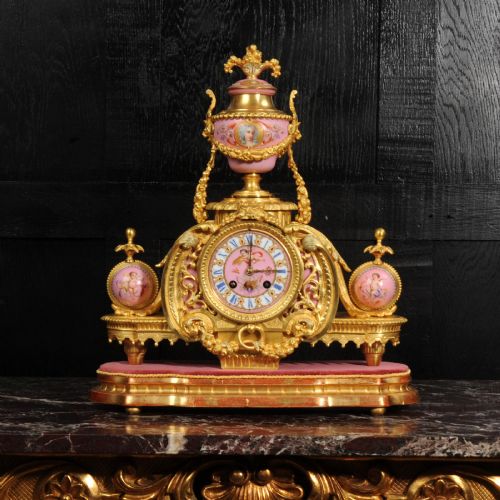
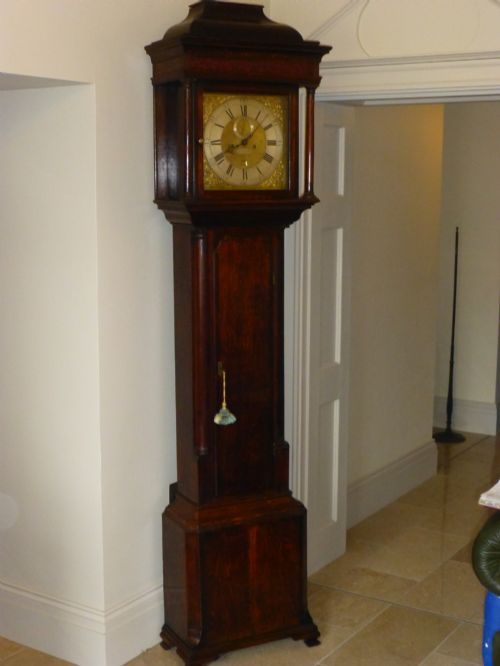
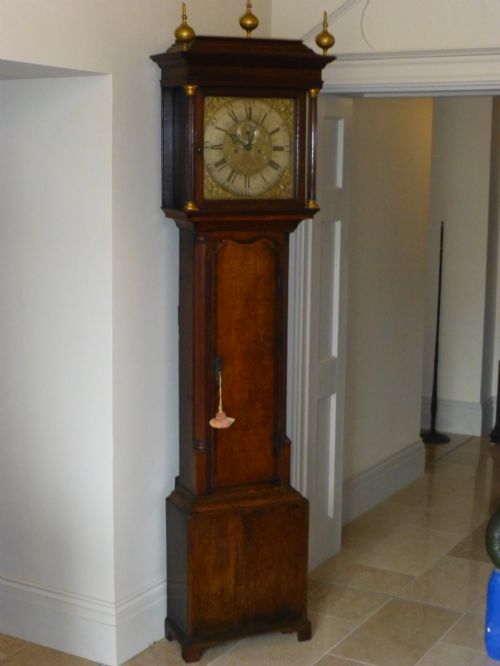
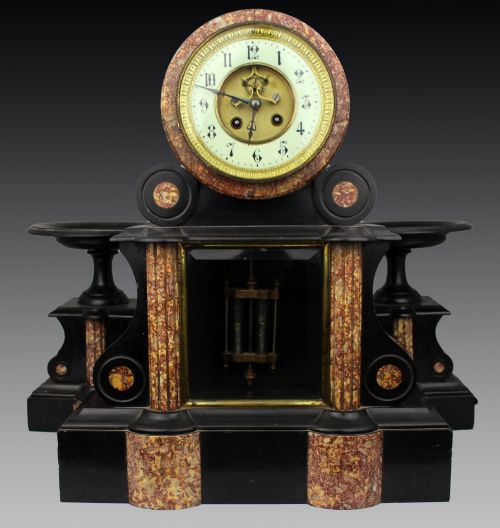
An antique clock with pendulum spans tall floor-standing longcase examples from the eighteenth century to compact wall dials and mantel pieces from the nineteenth century. Buyers encounter British fusee wall clocks alongside ornate French gilt bronze portico and mantel models, as well as German and Austrian wall regulators.
Tall grandfather and grandmother clocks dominate the earlier eras in oak and mahogany, while later decades favour walnut wall hanging pieces and glass-fronted crystal regulators. These objects derive from various European traditions, incorporating regional dial paintings and distinct striking movements.
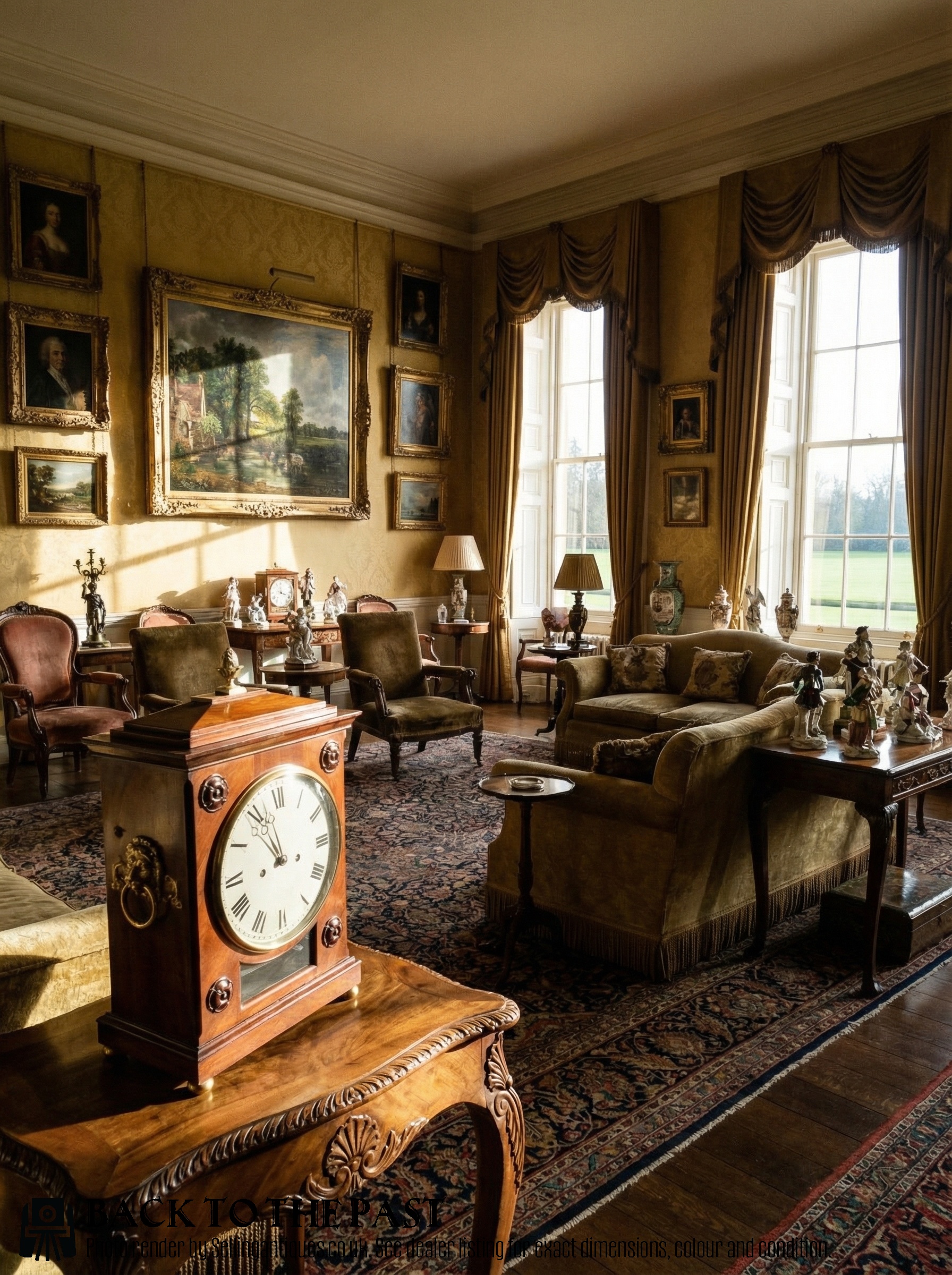
Craftsmanship and preservation
Preservation of original surface finishes, undamaged enamel dial faces, and intact fire-gilt or ormolu patination separate high-grade horology from heavily restored or later assembled alternatives.
Antique Clock with Pendulum Retail Price Guide 2026
Typical asking prices for clock with pendulum among the pieces listed under this phrase on Sellingantiques today, from the lower quarter to the upper quarter. They describe what is for sale here now, not the wider market.
Several French mantel designs feature delicate porcelain doves and ships wheels to keep time while daydreaming.
Edward White Birmingham·John Shelton London·J. A. Wheatley Carlisle·Furnival Oldham·Edward Stanton·Jn Wright Linton·Joseph Windmills London·Emile Colin Paris
The Antique Clock with Pendulum Glossary
- Fusee
- A conical pulley connected to the mainspring by a cord or chain that ensures even torque as the spring unwinds. This mechanism improves timekeeping accuracy across the duration of the wind.
- Ormolu
- Finely ground high-carat gold mercury-gilded onto a bronze base metal object. It provides a rich, durable metallic lustre typical of decorative French clock cases.
- Longcase clock
- A tall freestanding weight-driven timekeeper housed in a wooden case with a pendulum swinging within the waist. They are frequently referred to as grandfather clocks.
- Regulator
- A precision timekeeper designed for high accuracy, often featuring a grid-iron pendulum to compensate for temperature changes. These pieces typically display clean dials for straightforward reading.
- Spandrel
- The decorative corner ornamentation surrounding the central dial of a clock face. They are usually cast in brass and cast or chased in various historical styles.
Antique Clock with Pendulum: Frequently Asked Questions
How do fusee movements work?
A fusee movement uses a conical pulley and a gut line or chain to equalise the diminishing power of the mainspring as it unwinds. This maintains steady force to the gear train for consistent timekeeping.
Most common in British clocks from the eighteenth and nineteenth centuries, this system requires careful handling during winding to protect the delicate chain.
Where should I place a longcase clock?
Longcase clocks need a stable, dry interior wall with a solid floor to ensure the pendulum swings evenly and the case remains plumb. Avoid placing them near direct heat sources or exterior damp walls.
Securing the tall wooden case to the wall using internal brackets prevents accidental tipping and helps keep the beat steady.
How do I keep a pendulum clock running accurately?
Pendulum clocks require careful levelling on a vertical surface and regular winding using the appropriate key or pulling the weights up. Minor timing adjustments are made by turning the regulation nut on the pendulum bob to raise or lower it.
Environmental changes in temperature and humidity can cause wood casework to shift slightly, requiring periodic adjustments to the beat and suspension.