


Antique Chinese Porcelain Dish
An antique chinese porcelain dish brings centuries of kiln-fired artistry to the table, offering a tangible link to dynasties and maritime trade routes.
Antique Chinese Porcelain Dish
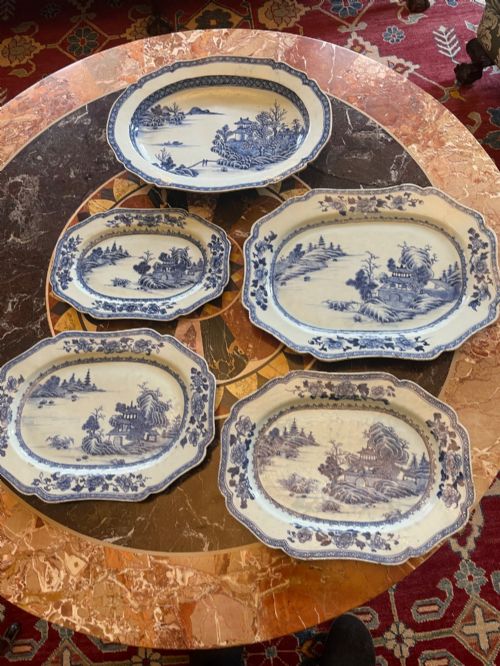
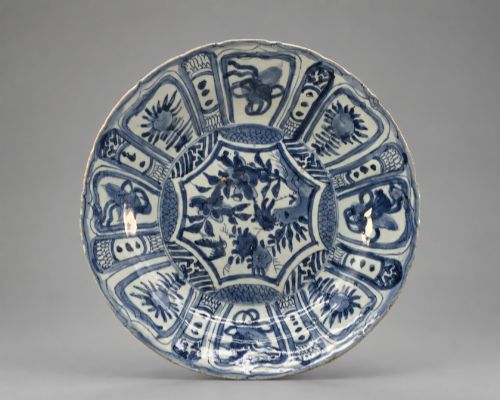
The search for an antique chinese porcelain dish uncovers forms ranging from deep saucers and lobed bowls to large platters and chargers. Pieces trace a timeline through the Ming and Qing Dynasties, alongside later export wares produced for Western markets.
Vessels on this page emerge from distinct periods including the Kangxi reign, the eighteenth century, and the Victorian era. Alongside traditional serving dishes and plates, buyers encounter specialised forms such as chestnut baskets, brush washers, and pedestal dishes.
Materials and construction
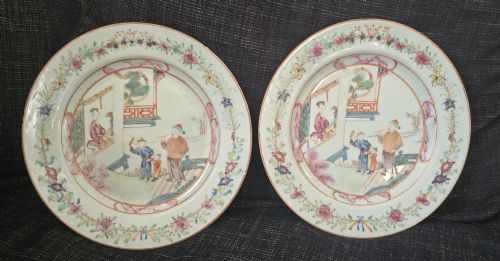
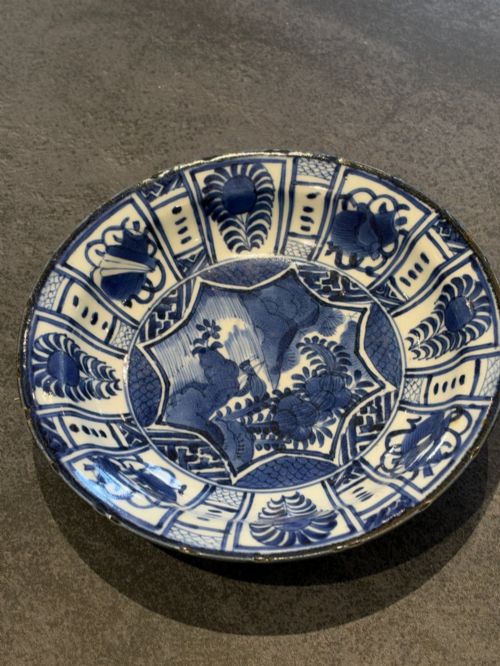
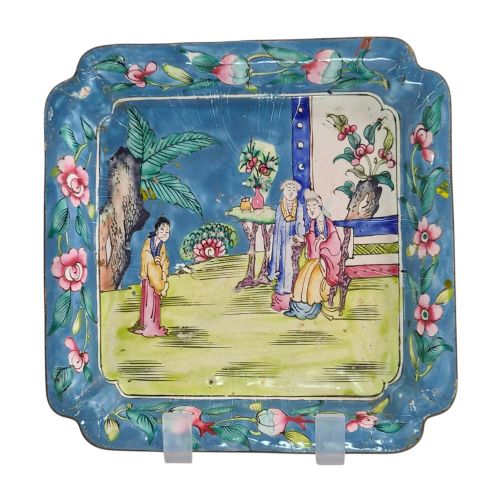
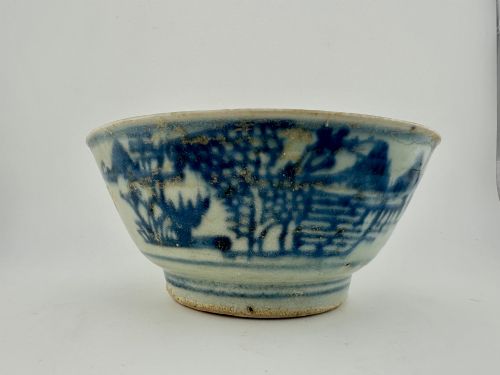
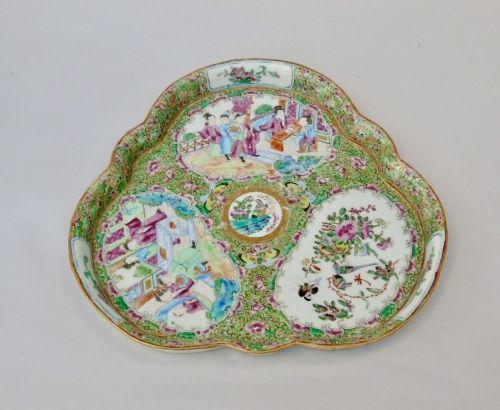
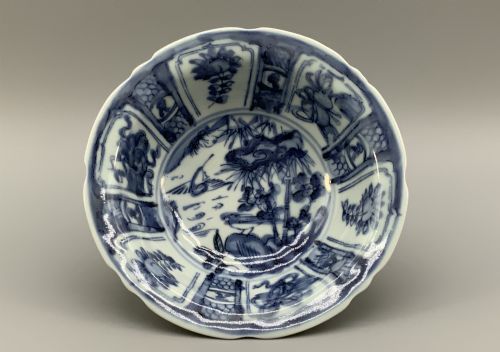
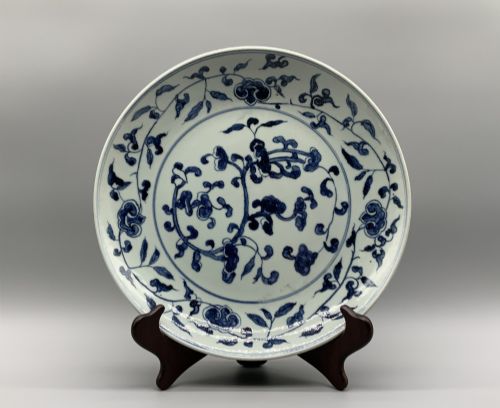
Potters utilised hard-paste porcelain combined with cobalt underglaze to achieve deep blue pigments beneath clear glass layers. Enamel painting in families like rose and verte added vibrant polychrome details directly over the fired glaze.
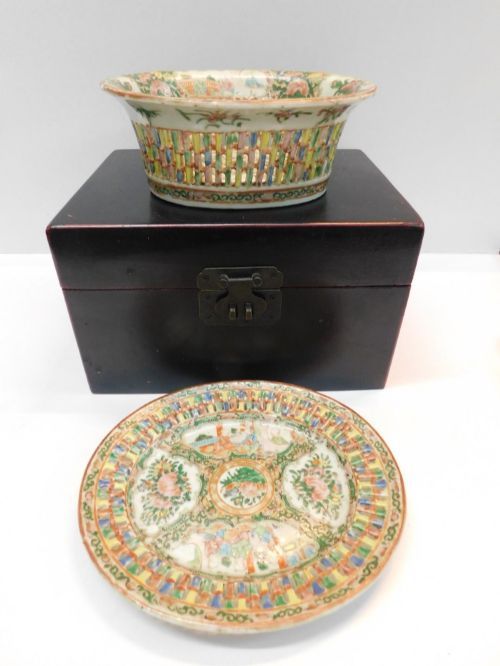
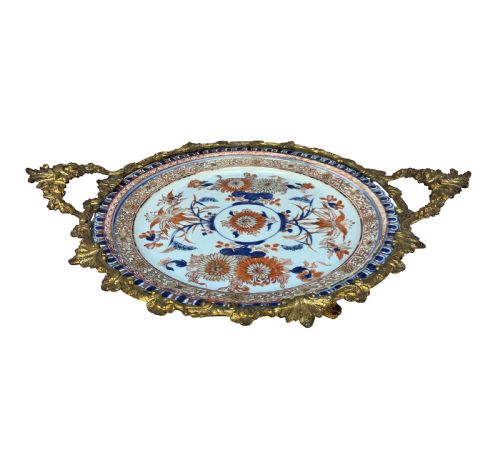
Selected works received additional enrichment through gold leaf, gilding, and ormolu mounts applied to European tastes. Certain forms incorporated moulded elements, such as reticulated lattices or chamfered squares, shaped before the initial kiln firing.
Antique Chinese Porcelain Dish Retail Price Guide 2026
Typical asking prices for chinese porcelain dish among the pieces listed under this phrase on Sellingantiques today, from the lower quarter to the upper quarter. They describe what is for sale here now, not the wider market.
Listings feature hard-paste porcelain items spanning the Ming Dynasty, Qing Dynasty, and Victorian periods.
Judging quality and execution
Differentiation across the range rests on the precision of the brushwork and the clarity of the glaze. Master painters achieved fine control over cobalt tones and enamel saturation, whereas standard production shows looser execution.
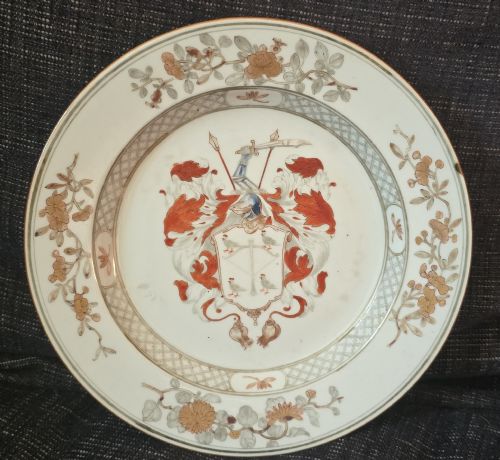
The presence of imperial marks, specific period attributes, and specialised decorative schemes like five-clawed dragons or armorial details elevate the standing of a vessel. Potter proficiency is further judged by the uniformity of the porcelain body and the crispness of moulded relief work.
Daisy Makeig Jones
The Antique Chinese Porcelain Dish Glossary
- Famille Rose
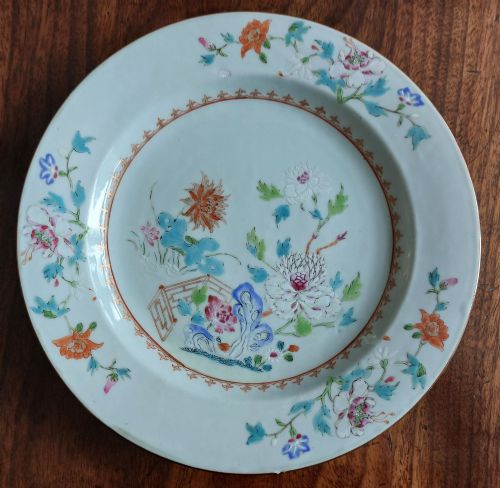
- A palette characterised by pink opaque enamels introduced during the Qing Dynasty. It allowed artists to render soft gradients on plates and bowls.
- Kangxi Period
- A major era of porcelain production lasting from 1662 to 1722. Wares from this time are noted for brilliant cobalt blue underglazes and fine potting.
- Swatow Ware
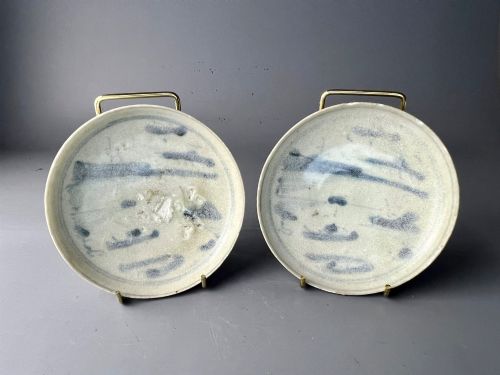
- A category of coarse-paste export porcelain made in southern Fujian province during the late Ming Dynasty. These large chargers typically feature bold brushwork under thick glazes.
- Imari
- A style combining underglaze blue with iron red and gilt highlights overglaze. The aesthetic originated in Japan but heavily influenced Chinese export porcelain.
- Celadon
- A green glazed ceramic category where iron oxide in the glaze fires to jade hues under reducing conditions. Longquan kilns produced notable examples of this ware.
Antique Chinese Porcelain Dish: Frequently Asked Questions
How do I identify a Kangxi period dish?
Pieces from the Kangxi period often display vivid cobalt blue underglazes with strong botanical or narrative motifs. Examination of the base reveals fine-grained porcelain bodies and occasionally apocryphal reign marks.
Potters during this era achieved notable depth in blue and white painting through layered washes of cobalt. Collectors look for crisp foot rims and characteristic glaze textures that separate these wares from later copies.
What is Chinese export porcelain?
Chinese export porcelain encompasses ceramics manufactured specifically for markets in Europe and the Americas from the Ming period onward. These orders often incorporated Western armorials, shapes, or decorative commissions.
Kilns adapted traditional Chinese potting techniques to satisfy foreign tastes, resulting in hybrid forms like platters, tureens, and armorial plates. The resulting wares document centuries of commercial exchange between East and West.
How should I display a charger safely?
Large chargers require sturdy wall hangers designed for heavy ceramics or dedicated plate stands with broad bases. Placing them out of high-traffic zones prevents accidental knocks.
Direct sunlight can affect certain overglaze enamels over extended periods, making shaded wall placements preferable. Metal mounts should feature protective padding to avoid scratching the porcelain rim.
What distinguishes Famille Rose from Famille Verte?
Famille Rose relies on a dominant opaque pink enamel derived from colloidal gold, introduced in the eighteenth century. This allowed artists to paint soft tonal gradations of flowers and robes.
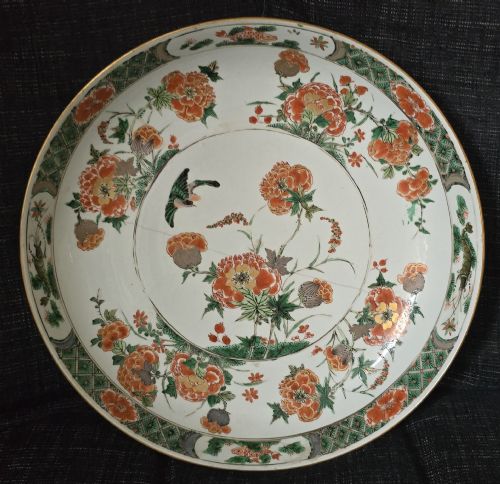
Famille Verte utilises a green-dominated palette established earlier in the Qing Dynasty, paired with iron red, yellow, and blue. The visual effect of green wares is brighter and more translucent compared to the pastel tones of rose.