

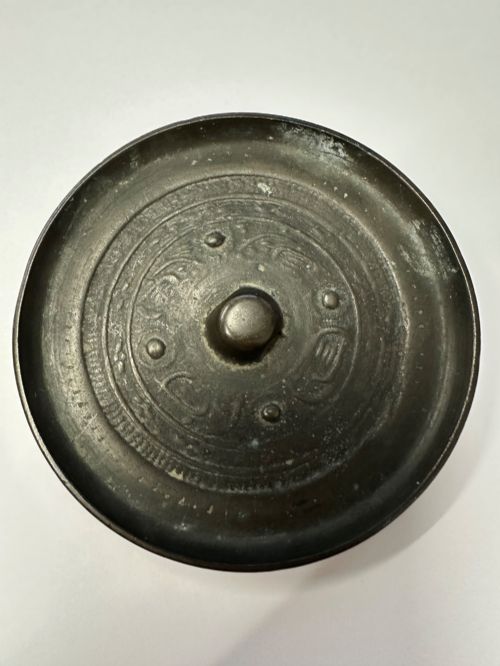
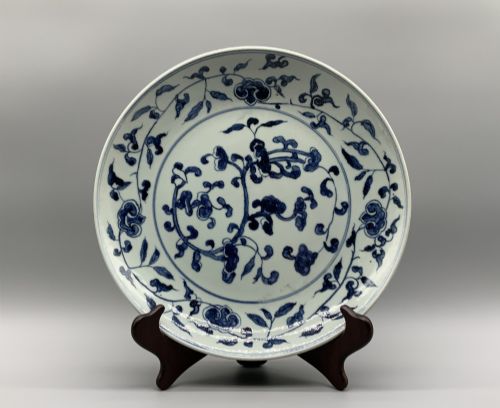
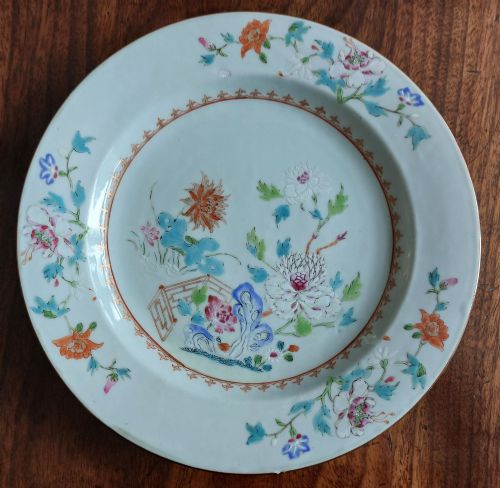
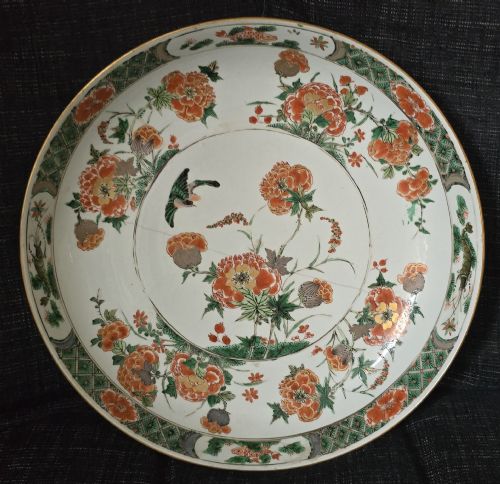

Antique Chinese Plate
An antique chinese plate brings centuries of kiln mastery and narrative decoration straight to the table or wall.
Antique Chinese Plate
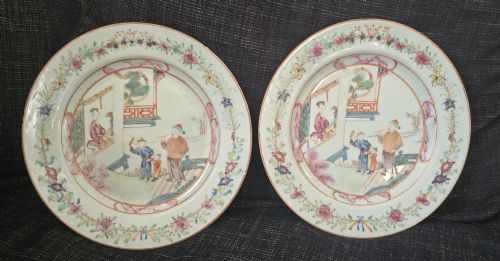
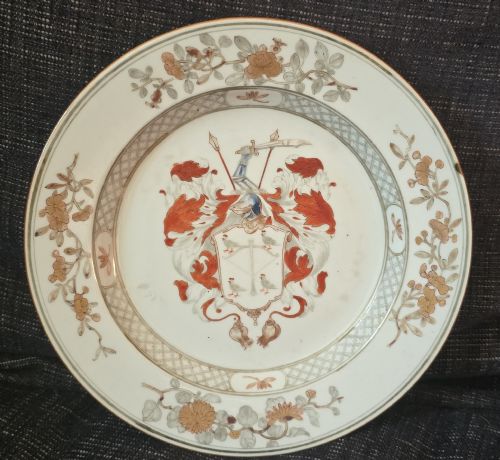
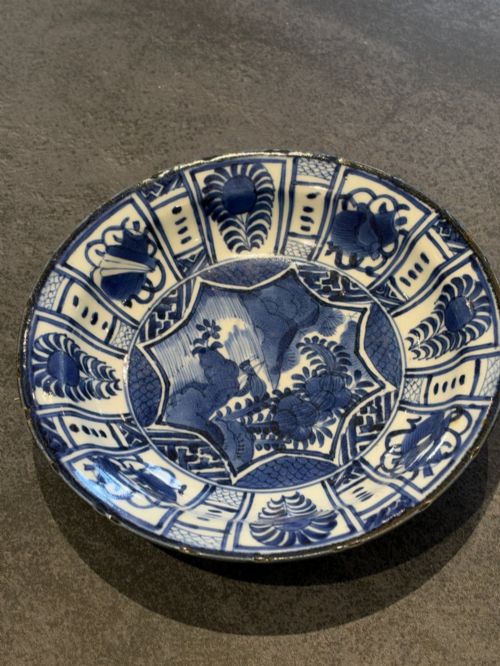
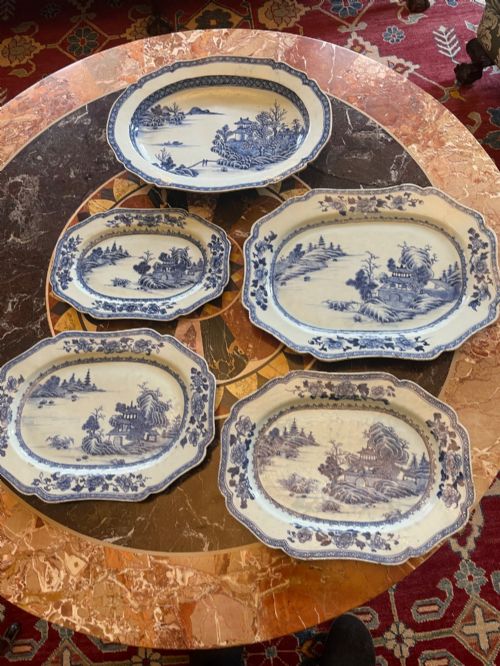
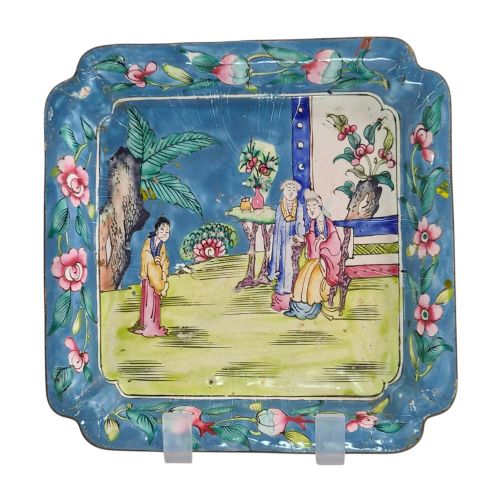
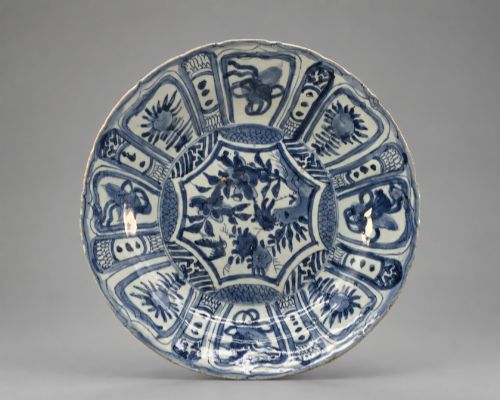
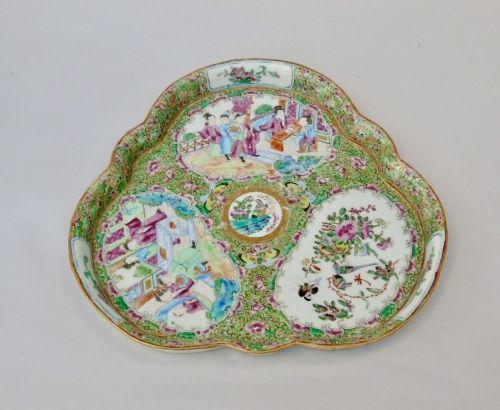
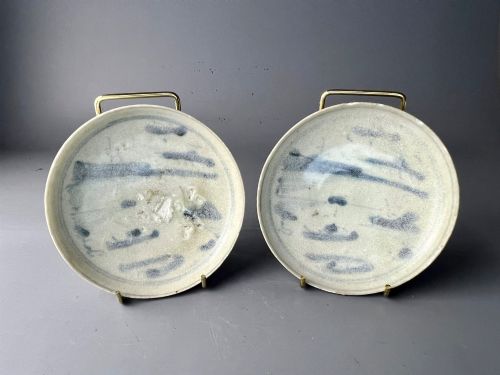
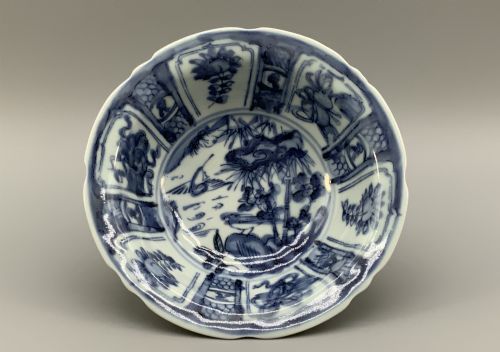
The pieces on this page span from Ming dynasty Swatow ware and Kangxi blue and white porcelain to eighteenth-century Famille Rose platters and nineteenth-century Canton Rose Medallion dishes. Forms range from foliate-rim bowls to armorial soup plates and decorative chargers.
Imperial-style dragon dishes and delicate tea wares sit alongside European-market commissions decorated with armorial crests or Mandarin palette scenes. These objects capture both domestic Chinese aesthetic shifts and the demands of global maritime trade.
How They Were Made
Potters utilised high-firing mineral pigments, principally cobalt glaze beneath transparent covers to create enduring blue and white designs. Enamel colours and gold leaf were applied in subsequent low-temperature firings to build rich Famille Rose and Famille Verte palettes.
Bodies were formed from fine ceramic pastes, porcelain clays, and occasional earthenware or lacquered wood with mother of pearl inlay. Moulded floral scrolls and incised celadon details relied on skilled carving before the glaze met the kiln.
Antique Chinese Plate Retail Price Guide 2026
Typical asking prices for chinese plate among the pieces listed under this phrase on Sellingantiques today, from the lower quarter to the upper quarter. They describe what is for sale here now, not the wider market.
Listings feature porcelain, earthenware, and lacquered wood pieces spanning from the 14th-century Yuan period through the 20th century.
What Varies in Quality
The distinction between ordinary export wares and exceptional pieces rests upon the precision of the hand-painted brushwork and the clarity of the glaze. Imperial dishes displaying five-clawed dragons or precise reign marks demonstrate superior technical execution and scholarly oversight.
Depth of colour, such as the vibrancy of iron-red pigments or the subtlety of carved celadon surfaces, dictates the visual power of a charger or dish. Compositional balance across complex court scenes or floral motifs separates routine workshop production from masterwork output.
Edmé Samson & Cie·C.J. Mason
The Antique Chinese Plate Glossary
- Famille Rose
- A polychrome enamel palette dominated by opaque pink or rose colours, introduced during the Qing dynasty. It allowed artists to achieve delicate shading on floral and figurative subjects.
- Celadon
- A green jade-like glaze applied over a pale clay body, often featuring subtle carved or moulded patterns beneath the surface. This ancient finish mimics the prized appearance of natural stone.
- Charger
- A large decorative plate or platter used historically for grand table service or upright display on a sideboard. These substantial pieces frequently showcase the most ambitious painted scenes.
- Armorial
- A ceramic service or individual plate painted with a European family's heraldic coat of arms. These were custom-ordered through maritime trade networks during the eighteenth century.
- Imari
- A style of ceramic decoration featuring underglaze cobalt blue combined with iron red and gilt highlights. Originating in Japan, this aesthetic heavily influenced Chinese and European export kilns.
Antique Chinese Plate: Frequently Asked Questions
How do I identify a Qing dynasty plate?
Look for characteristic glaze qualities, cobalt tones, and enamel palettes associated with eighteenth and nineteenth-century kilns. Reign marks on the base provide specific chronological markers, though these must be evaluated alongside potting techniques.
Stylistic elements like Famille Rose florals or Canton patterns help narrow down the production era. Comparing the weight and footrim finish to established period examples confirms the dating.
What is the difference between blue and white and Famille Rose?
Blue and white porcelain relies on cobalt oxide painted directly onto the clay body under a transparent glaze before a single high-temperature firing. This creates a durable blue design embedded within the glassy surface.
Famille Rose pieces introduce opaque enamel colours applied over the fired glaze, requiring an additional, cooler kiln run. This technique permits a broader spectrum of pinks, greens, and yellows with distinct surface relief.
Were these plates meant for dining or display?
Many large chargers and armorial plates served functional roles at elite European and Chinese dining tables during banquets and formal meals. Smaller dishes and tea wares accommodated domestic service and ritual gatherings.
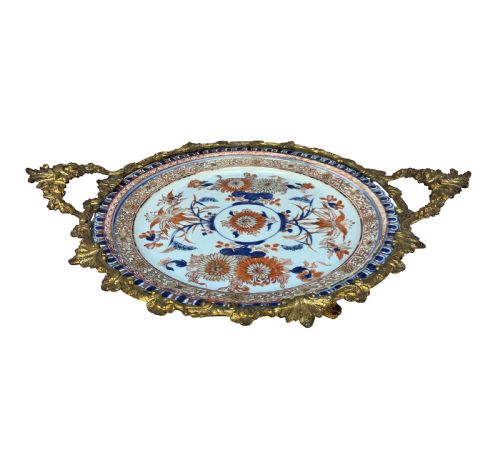
Over time, grander chargers were frequently hung on walls or mounted in ormolu frames to showcase wealth and taste. Both utilitarian service and decorative display shaped the survival of these ceramics.
How should I care for antique porcelain?
Keep porcelain dishes away from direct, harsh sunlight to prevent any degradation of delicate enamel pigments or gilding over long periods. Dust them gently with a soft, dry cloth rather than using chemical cleaning agents.
Avoid stacking pieces without protective dividers between surfaces to safeguard the glazes and rims. Hand washing in lukewarm water with mild soap is necessary if cleaning is required; dishwashers must be avoided entirely.