




18th Century Imari Ceramic
These 18th century imari ceramic pieces offer striking iron red and blue palettes fused with gold leaf that collectors seek for vibrant interiors.
18th Century Imari Ceramic
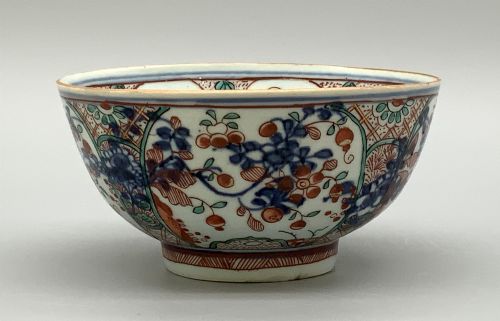
When searching for 18th century imari ceramic objects, buyers encounter a diverse selection of decorative bowls, plates, vases, and jardiniere forms originating from both Japanese Arita kilns and Chinese export workshops. The pieces span the 17th century, 18th century, and Georgian periods, showcasing traditional motifs associated with the Edo period and Qing dynasty.
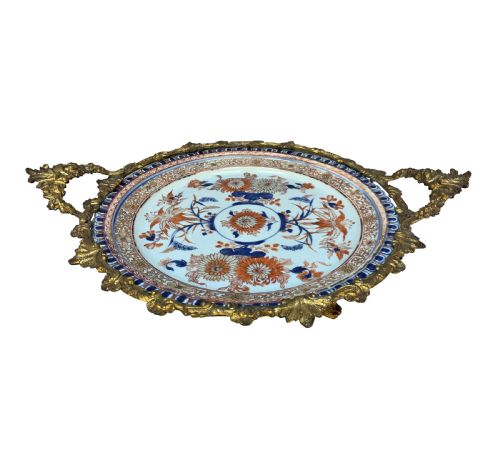
The most frequent examples on this page are Japanese Arita imari vases and Chinese export porcelain dishes. Items range from large scale covered bowls and sake ewers to table lamps fitted with ormolu mounts, reflecting both original utilitarian functions and later decorative adaptations.
Materials and Techniques
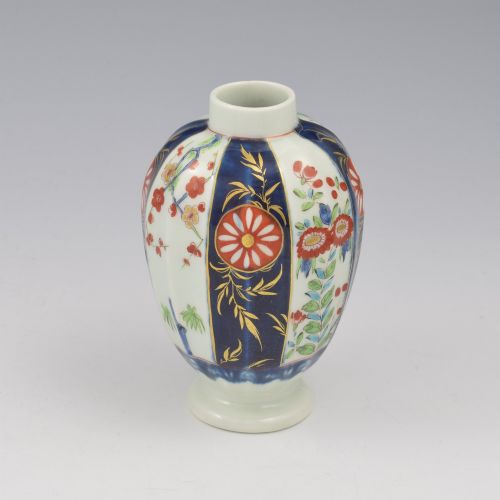
The foundation of these works relies upon hard porcelain and soft-paste porcelain shaped into plates, bowls, and mugs, often glazed and painted with vibrant enamel colours. Gold leaf is frequently applied over the glaze to highlight intricate patterns alongside blue and iron red pigments.
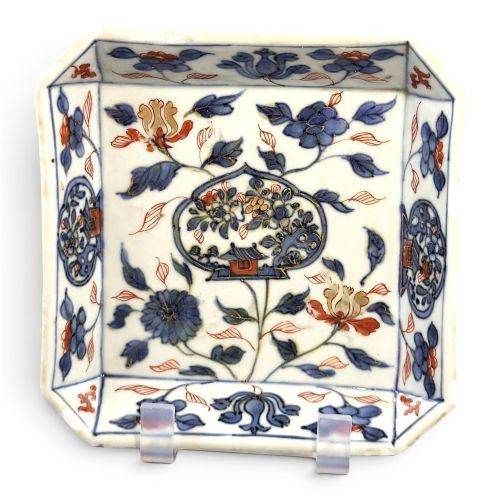
Certain vessels incorporate supplementary materials such as brass and ormolu mounts, or silk and fabric elements utilised in adapted lighting fixtures. Potters employed moulding in shallow relief for specialised crane shaped dishes and chamfered square bowl forms.
Listings feature porcelain, enamel, gold leaf, and brass across periods including the Georgian era, Qing dynasty, and Japanese Edo period.
Distinctions in Quality
Quality rests upon the crispness of the painted detail and the richness of the contrasting cobalt blue, iron red, and gold leaf decoration. Finer examples display precise brushwork within scrolling foliate borders and well defined moulded relief forms.
The balance between the body of the porcelain and any applied metal mounts, such as ormolu fittings, dictates the overall refinement of the piece. Superior specimens maintain intact enamel surfaces and clear period characteristics without heavy rubbing to the gilt highlights.
The 18th Century Imari Ceramic Glossary
- Imari
- A style of Japanese and Chinese porcelain decorated in underglaze blue, iron red, and gold. This palette originated in Arita and was widely exported during the Edo period.
- Arita
- The Japanese town and surrounding region famous for producing porcelain. Kilns here supplied the bulk of early imari wares.
- Kangxi
- A period of the Qing dynasty spanning from 1662 to 1722. Ceramics from this era are noted for fine potting and vibrant Chinese imari designs.
- Ormolu
- Gilt bronze mounts applied to furniture and ceramics. These metal additions were often fitted to porcelain bowls and plates during later European adaptations.
- Jardiniere
- A large decorative pot or stand used for holding plants or flowers. These items appear in substantial scales within Arita imari porcelain.
18th Century Imari Ceramic: Frequently Asked Questions
What is Chinese imari?
Chinese imari refers to porcelain manufactured in China during the Qing dynasty, particularly the Kangxi and Qianlong periods, copying the distinct blue, red, and gold colour schemes of Japanese wares.
Export workshops produced these pieces specifically for international markets, matching the aesthetic demands of European buyers who admired Eastern ceramics.
How are Japanese and Chinese imari told apart?
Distinguishing between the two traditions involves examining the tone of the blue underglaze and the texture of the porcelain body. Japanese Arita pieces often feature a slightly greyer or milkier paste.
Chinese export examples tend towards a brighter white porcelain body with crisper painting styles typical of the Kangxi and Qianlong dynasties.
Were these ceramics used daily?
Many forms such as bowls, plates, and mugs served practical dining and serving functions in period households. Tea canisters and sake ewers were designed specifically for holding consumable goods.
Over time, numerous vessels transitioned into purely decorative objects, and some were later converted into table lamps with brass or ormolu mounts.
What does the gold leaf indicate?
The presence of gold leaf highlights the finer decorative tiers of imari production. Artisans applied gilding over the fired glaze to accentuate specific motifs within scrolling foliate borders.
Well preserved gilding points to careful historical handling, as the delicate gold layer is prone to rubbing and fading through centuries of cleaning.