


Antique China Figurines
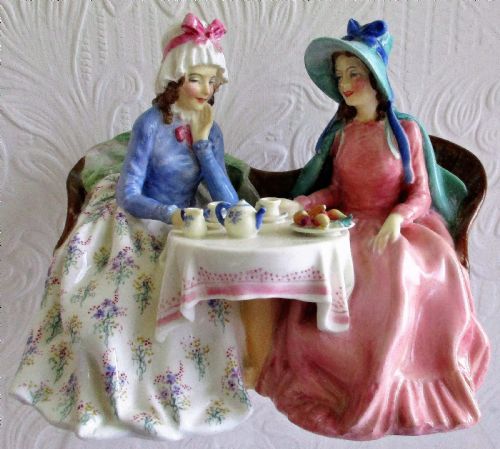
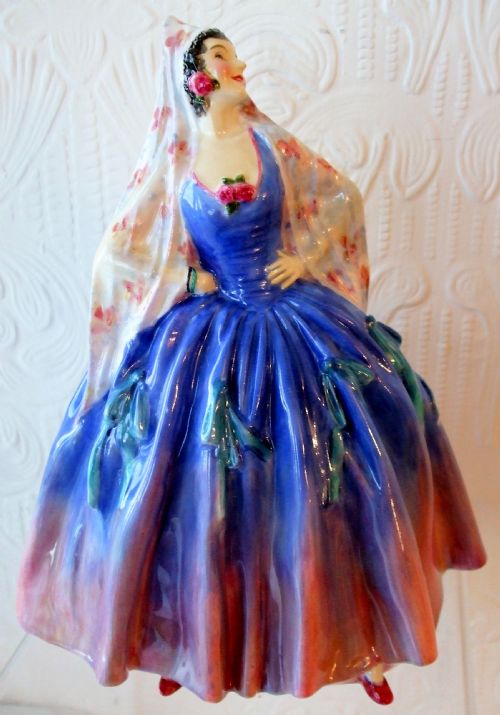
These antique china figurines capture human figures, animals, and allegorical subjects crafted across centuries of ceramic tradition.
Antique China Figurines
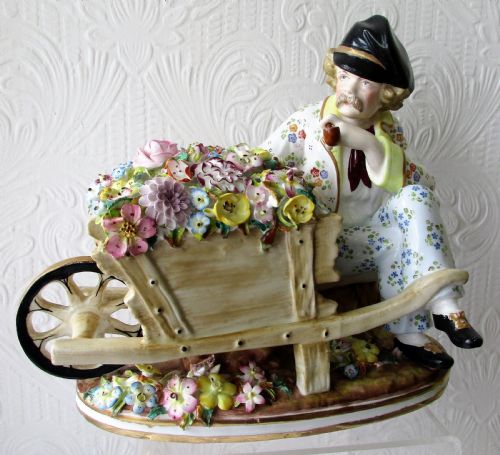
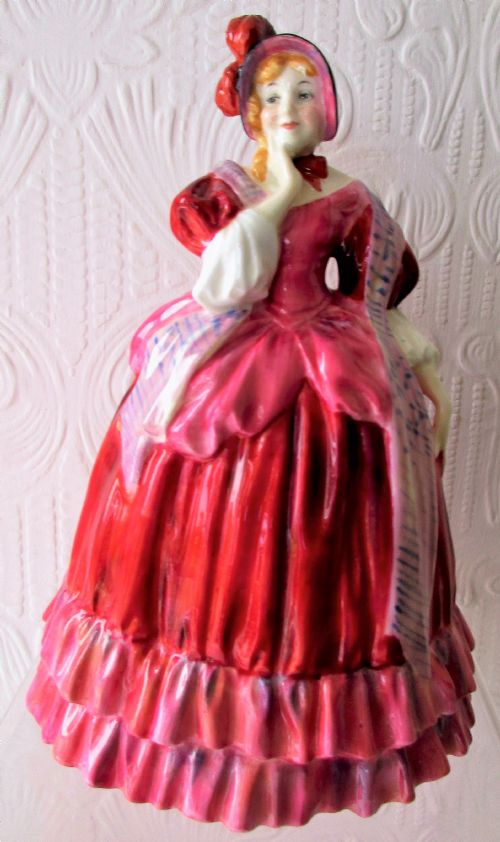
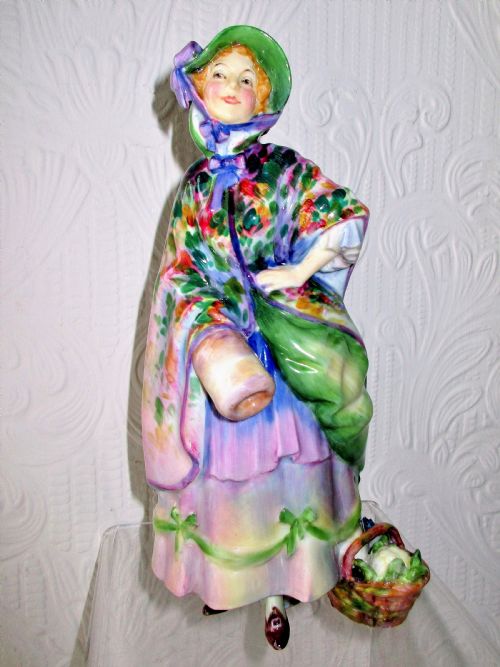
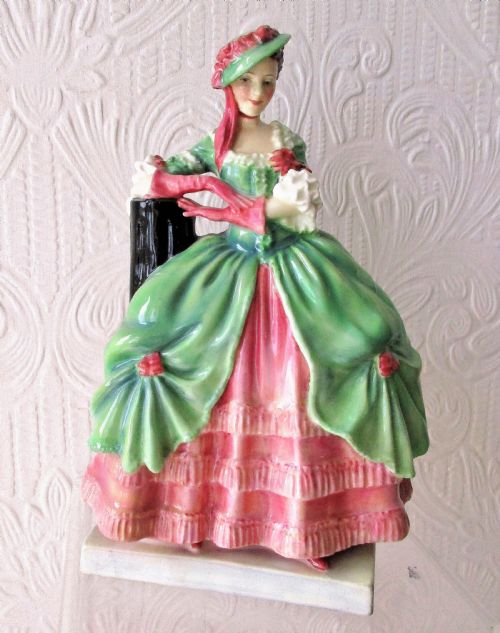
When you search for antique china figurines, you encounter modelled ceramic figures spanning the eighteenth, nineteenth, and early twentieth centuries. The selection includes figures produced by English factories such as Bow, Derby, and Royal Doulton alongside continental European porcelain works.
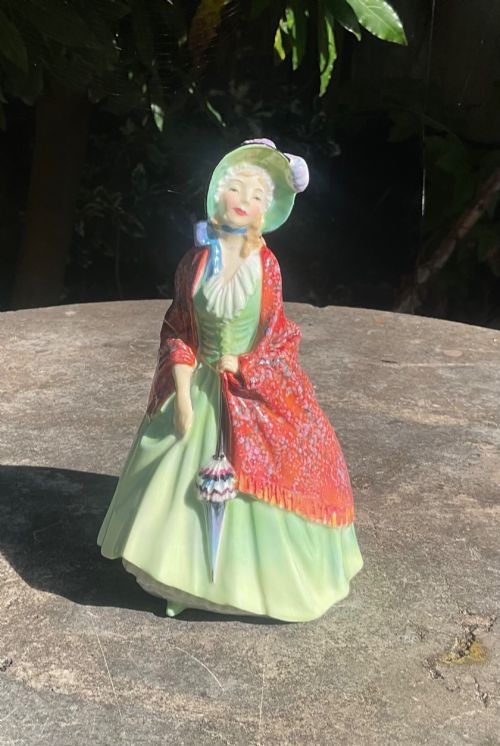
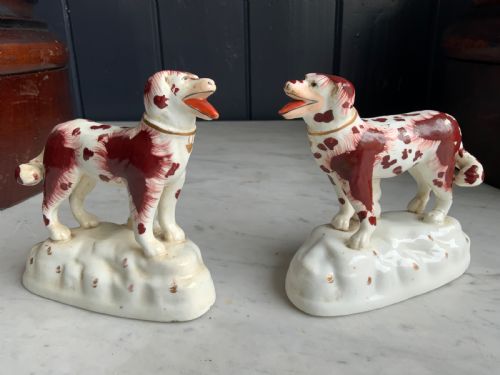
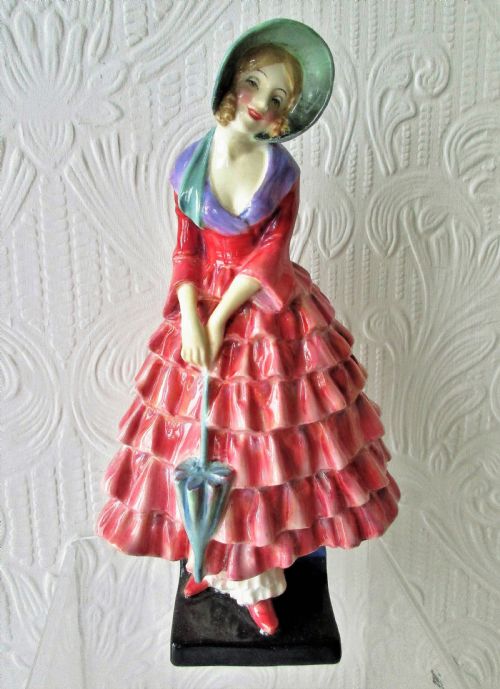
You are most likely to meet twentieth-century porcelain figures from makers like Royal Doulton alongside nineteenth-century Staffordshire pottery dogs and eighteenth-century allegorical groupings. These objects range from pastoral street vendors and musicians to literary characters and domestic animals.
The category encompasses both glazed and unglazed biscuit porcelain forms, sometimes arranged as pairs or matching sets representing seasons or elements. They serve primarily as decorative mantel or cabinet ornaments rather than utilitarian vessels.
How they were made
The manufacturing process typically involved pressing soft paste or hard paste porcelain and earthenware into plaster moulds, followed by careful hand-modelling of intricate details like lace, flower petals, and clothing folds. Manufacturers applied underglaze pigments and overglaze enamel colours before firing the pieces in kilns.
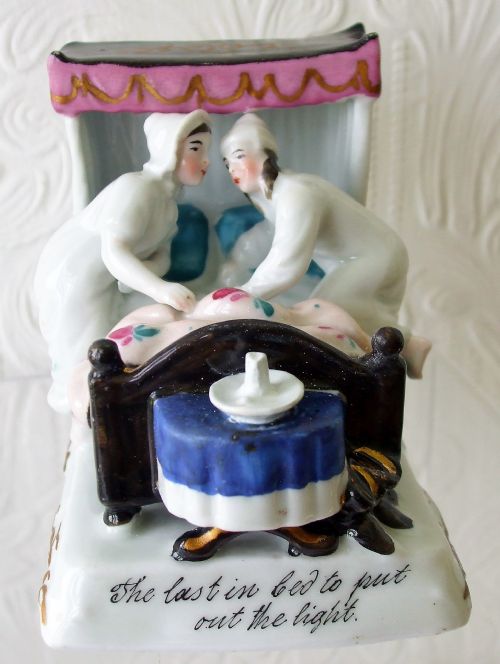
One Victorian fairing captures a late sleeper rushing to extinguish the bedroom candle, preserving an amusing domestic moment in porcelain.
What varies in quality
Quality in these ceramics depends significantly on the crispness of the modelling and the precision of the hand-painted enamels. Finer pieces retain sharp facial expressions, delicate fingers, and cleanly applied gilt without blurring or pooling.
The sophistication of the initial sculptural design and the purity of the porcelain paste distinguish master factory output from standard commercial production. Earlier eighteenth-century figures often demonstrate greater individual artistry in their modelling compared to mass-produced twentieth-century counterparts.
Royal Doulton·Bow Porcelain·Derby Porcelain·Royal Worcester·Ernst Bohne Sohne·Helena Wolfsohn Dresden·Mabel Lucie Attwell Shelley·John Bevington
The Antique China Figurines Glossary
- Biscuit porcelain
- Unglazed fired ceramic that has a matte, marble-like texture. This finish highlights fine sculptural detail without the glossy shine of standard glazes.
- Fairing
- Small Victorian ceramic ornament, often humorous or domestic in theme, designed as an affordable souvenir. These pieces typically depict everyday comical scenes from nineteenth-century life.
- Soft paste
- An early ceramic composition made from glass frit and white clay rather than true kaolin and petuntse. It fires at lower temperatures and produces a warm, creamy tone.
- Staffordshire
- Pottery figures and animals produced by numerous kilns in the English Midlands during the nineteenth century. They were commonly modelled as spaniels and lions for display on cottage mantelpieces.
- Gilt
- A thin layer of gold applied to the surface of the porcelain as a decorative accent. It appears on clothing borders, bases, and accessories.
Antique China Figurines: Frequently Asked Questions
Were these figures meant for display?
Most of these ceramic pieces served as decorative ornaments for mantelpieces, dining tables, and glass display cabinets in wealthy homes. Some elaborate examples, such as figural candlesticks, combined decorative scenes with functional lighting.
Smaller fairings and Staffordshire dogs were intended for more modest domestic interiors, offering affordable cheer and storytelling charm to middle-class Victorian households.
How can I tell eighteenth-century figures apart from later copies?
Early eighteenth-century figures often utilise soft paste porcelain bodies that display a warm translucency under strong light. Their hand-painted enamels tend to sink slightly into the softer glaze during firing, creating a subtle integration of colour.
Later nineteenth-century and modern reproductions frequently use harder porcelain pastes with brighter, more uniform factory colours that sit strictly on top of the glaze surface.
What are porcelain fairings?
Fairings are small, amusing Victorian ceramic ornaments that were originally sold at county fairs and seasonal markets across nineteenth-century Britain. They frequently depict domestic humour, courtship scenes, or playful commentary on daily life.
Collectors prize them for their distinct social narratives and the whimsical insight they provide into Victorian popular culture and domestic habits.