





Antique Ceramic Wall Display
These antique ceramic wall display pieces bring vibrant colour and historic craftsmanship directly to vertical spaces.
Antique Ceramic Wall Display
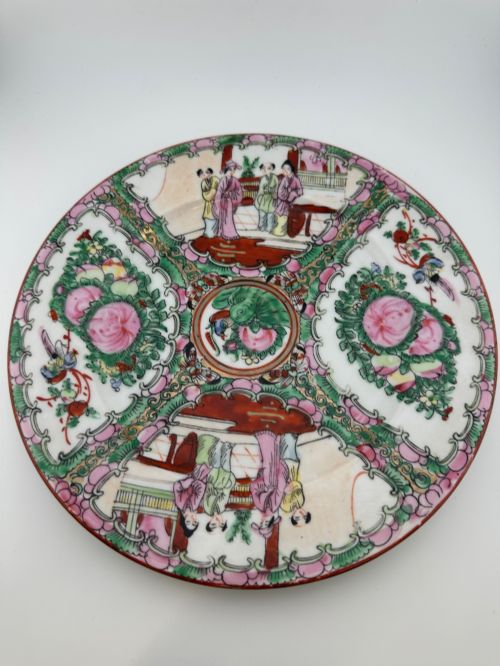
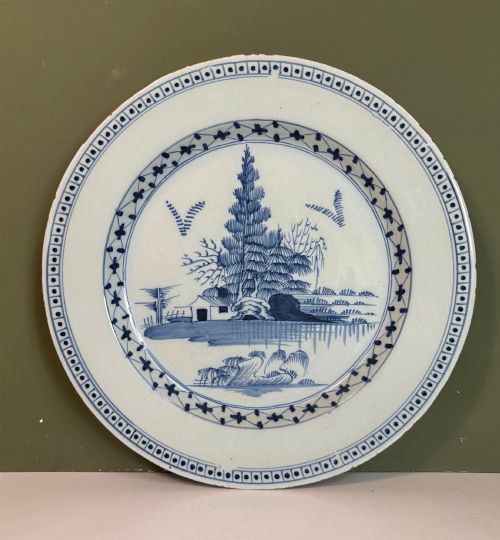
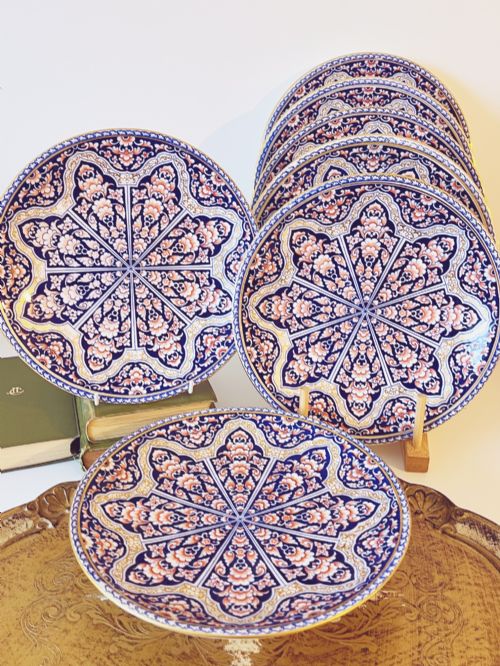
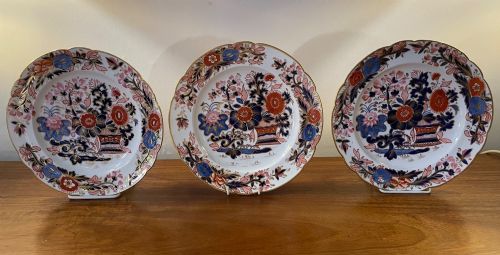
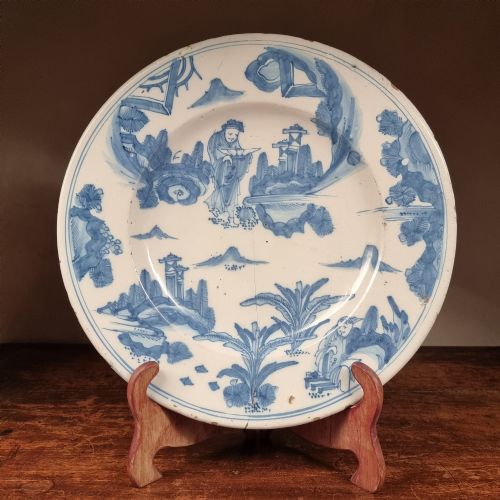
When you search for antique ceramic wall display, you encounter chargers, cabinet plates, and decorative dishes intended for vertical presentation rather than dining use. These items range from large Japanese Imari porcelain chargers and Dutch Delft tin-glazed earthenware to English bone china cabinet plates.
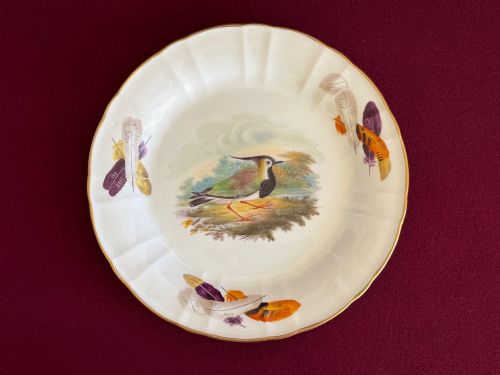
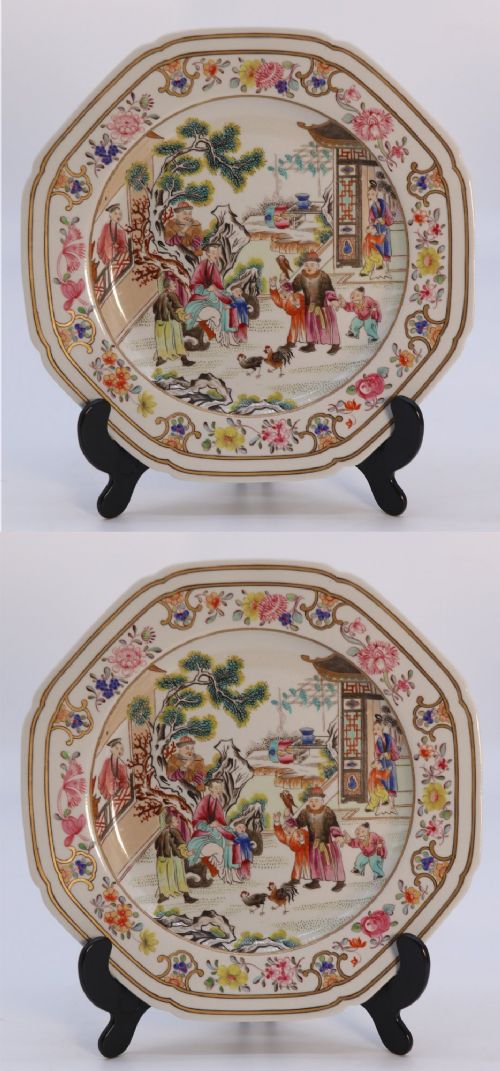
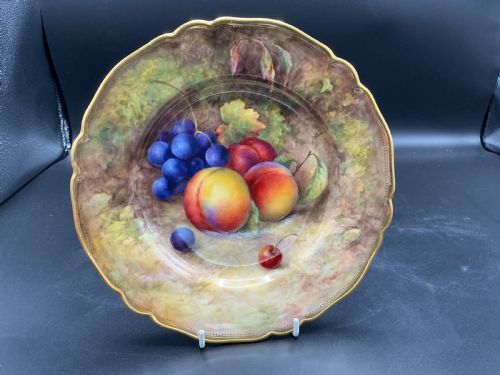
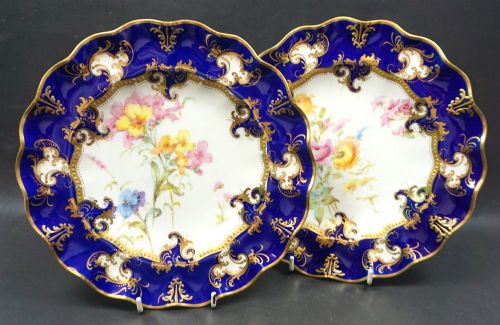
The selection includes wares spanning from the 17th century through the Victorian and Edwardian eras, encompassing styles such as Japanese Meiji, Rococo Revival, and Dutch Baroque. You will frequently find pieces featuring hand-painted floral motifs, Chinoiserie designs, and ornithological subjects.
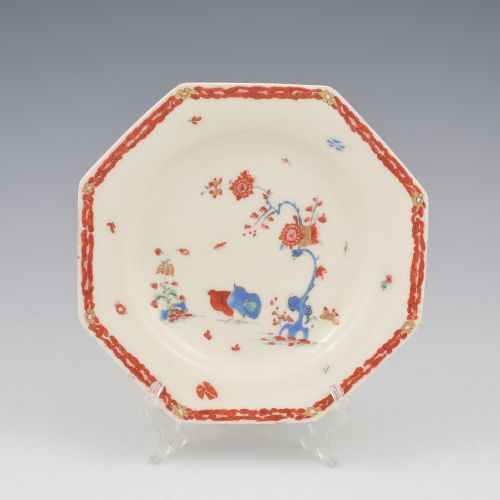
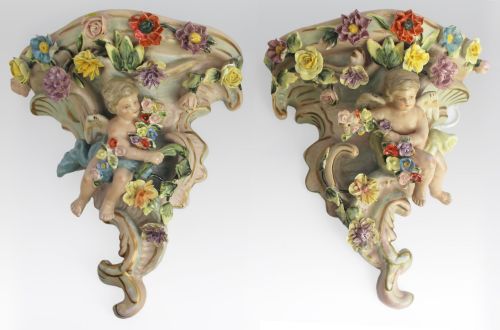
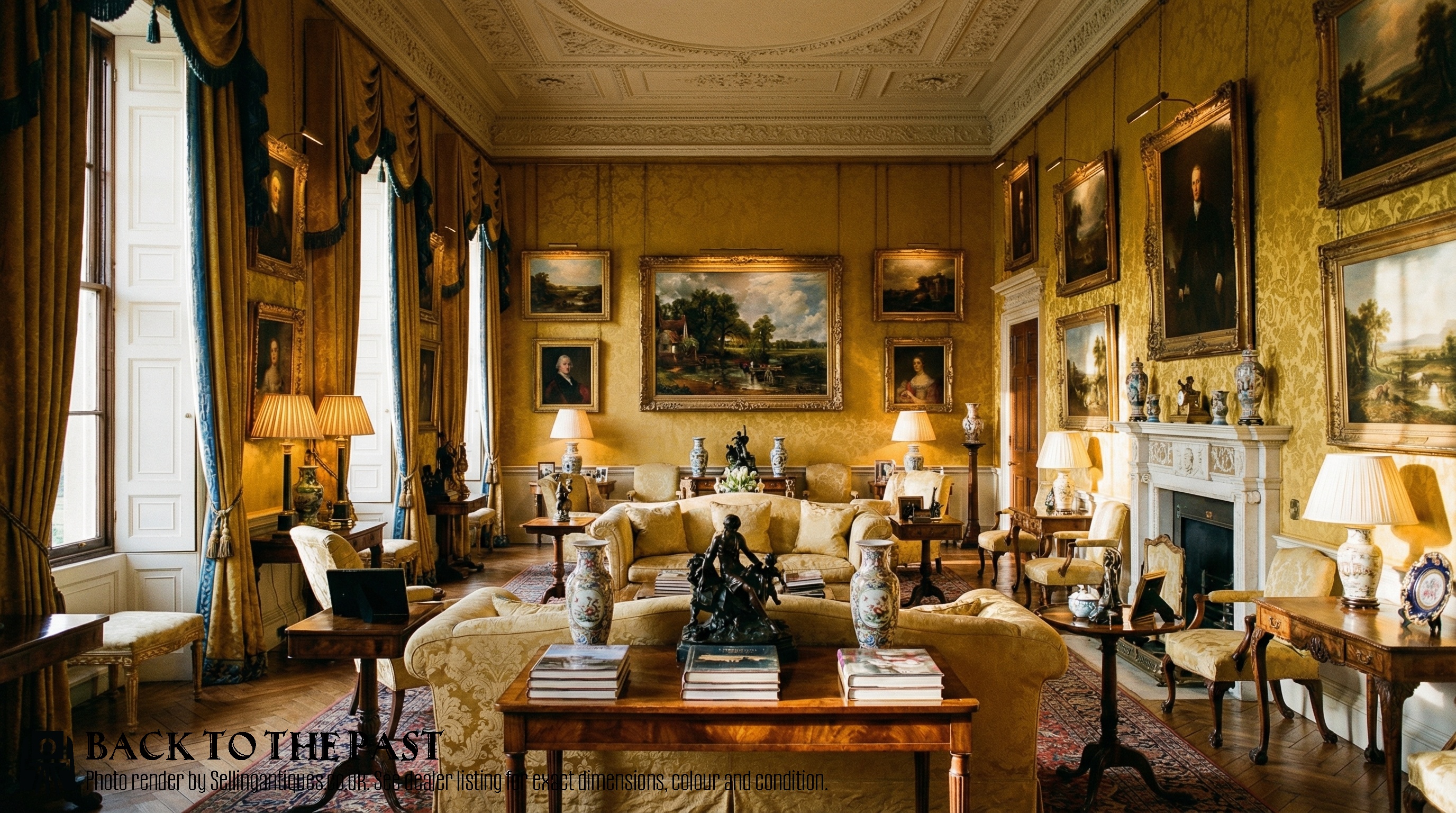
Many of these objects incorporate hanging provisions or were historically mounted to punctuate panelled walls and drawing rooms. The forms vary from octagonal cabinet plates to lobed dishes and substantial wall corbels.
Materials and construction
Makers utilised traditional porcelain, earthenware, and tin-glazed bodies, shaped by hand or moulded before undergoing high-temperature kiln firing. Surfaces received intricate applications of glaze, enamel, and occasionally gold leaf or gilt highlights.
Decoration relied heavily on underglaze blue and polychrome overglaze painting, executed with fine brushes to achieve detailed birds, armorials, and botanical scenes. Ironstone China and stone china provided heavier, robust alternatives for substantial plates and dishes.
Antique Ceramic Wall Display Retail Price Guide 2026
Typical asking prices for ceramic wall display among the pieces listed under this phrase on Sellingantiques today, from the lower quarter to the upper quarter. They describe what is for sale here now, not the wider market.
Even fierce bears on old Spode plates look remarkably polite when hung among quiet 18th-century botanical dishes.
Assessing quality
Quality rests in the precision of the hand-painted brushwork and the clarity of the enamel palette. Superior examples demonstrate crisp definition in complex Japanese Imari patterns or finely rendered botanical and ornithological subjects by named artists.
The sophistication of the ceramic body and glaze smoothness distinguish finer cabinet pieces from standard wares. Artisanal execution in tin-glazed earthenware or porcelain forms the boundary between standard production and exceptional decorative works.
Wedgwood·Royal Crown Derby·Spode·Royal Worcester·Meissen·Edmé Samson & Cie·Stubbs
The Antique Ceramic Wall Display Glossary
- Charger
- A large decorative plate traditionally used for display rather than service. These sizable pieces form the focal point of many wall collections.
- Tin-Glazed Earthenware
- Pottery covered with a glaze containing tin oxide, turning white and opaque upon firing. This surface provided a smooth ground for painted decoration.
- Imari Palette
- A decorative scheme employing underglaze blue, iron red, and gilt, originating in Japan. European factories frequently copied this vibrant colour combination.
- Cabinet Plate
- A high-quality decorative plate intended for display in a cabinet or on a wall. These items often feature elaborate hand-painted scenes.
- Chinoiserie
- European artistic styles reflecting Chinese motifs and techniques. Artisans applied these imaginative interpretations to ceramics during the 18th and 19th centuries.
Antique Ceramic Wall Display: Frequently Asked Questions
How were antique ceramic wall display pieces originally hung?
Many historic plates and chargers featured pierced footrings or were secured using specialised wire hangers designed to grip the rim safely without causing damage.
Over time, collectors developed various mounting methods to ensure these heavy earthenware and porcelain items remained secure on vertical surfaces.
What is the difference between a charger and a cabinet plate?
Chargers are significantly larger, often measuring over thirty centimetres across, and were made to command visual attention on a wall or sideboard.
Cabinet plates are typically smaller, produced with refined porcelain bodies and delicate hand-painted artwork intended for close inspection.
Can I mix different periods in a wall display?
Combining pieces from the 17th century through the Edwardian era creates a layered interior scheme based on complementary colour palettes rather than strict chronological matching.
Matching shared motifs like Japanese Imari patterns or blue and white Delftware helps unify displays spanning multiple decades.
How do I identify Japanese Imari from European copies?
Japanese Imari pieces from the Meiji period or earlier exhibit specific paste characteristics, iron-red tones, and characteristic underglaze blues unique to Arita kilns.
European factories produced their own versions, known as Imari palette wares, using local earthenwares or soft-paste porcelains.