
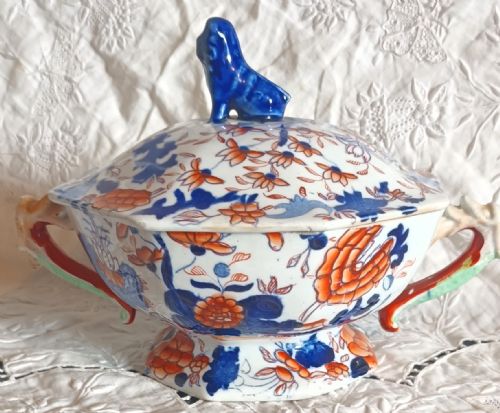


Antique Ceramic Sauce Boat
An antique ceramic sauce boat brings genuine eighteenth or nineteenth-century dining history to the table.
Antique Ceramic Sauce Boat
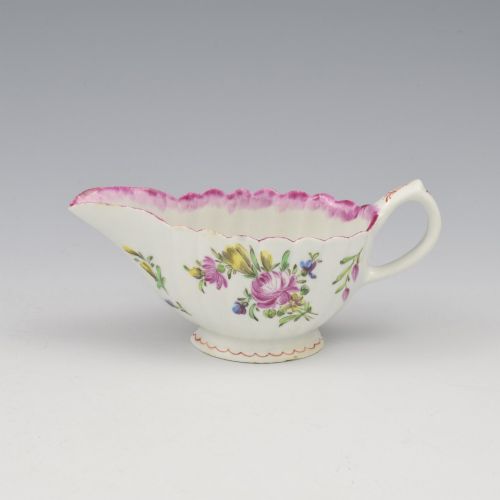
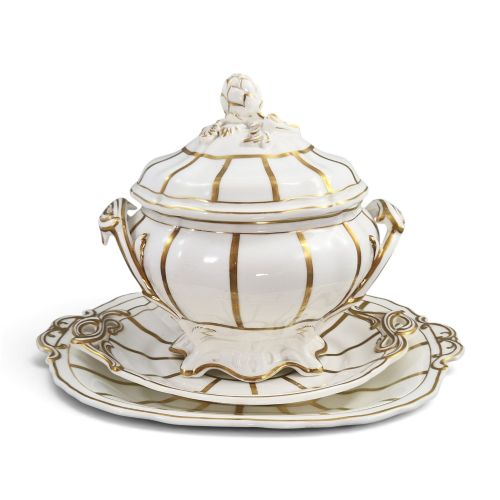
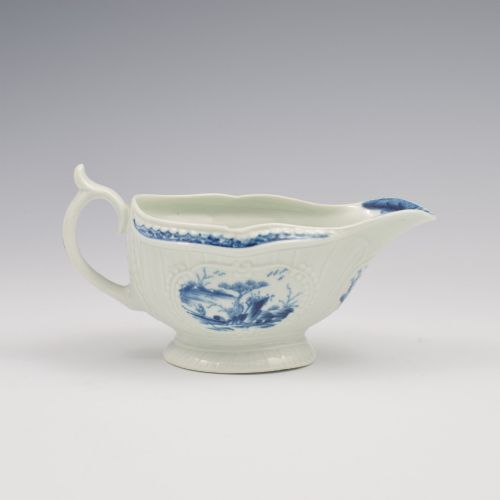
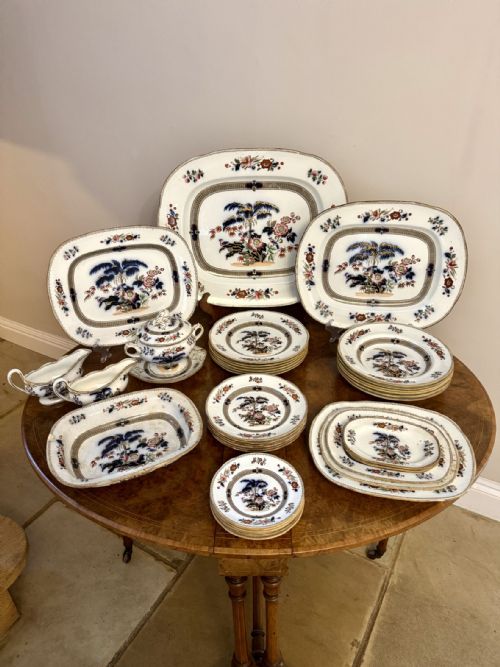
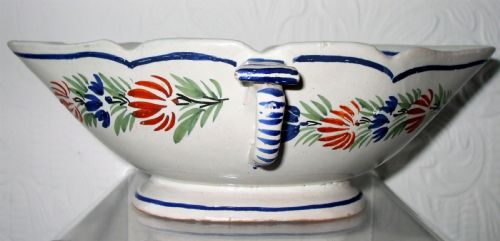
An antique ceramic sauce boat is a utilitarian vessel designed for serving gravies, butter, and sauces at formal or domestic meals. These serving pieces take various forms, including handled boats, covered tureens on matching stands, and double-lipped French faience vessels.
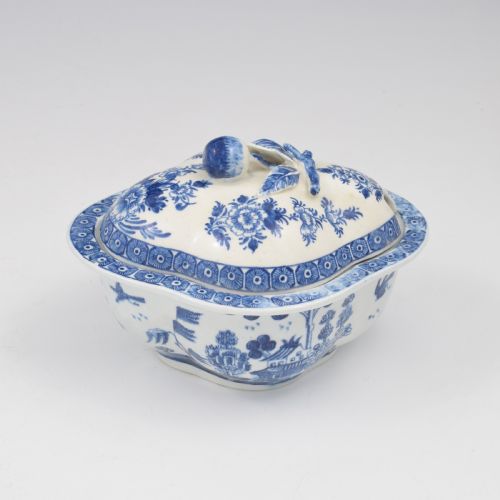
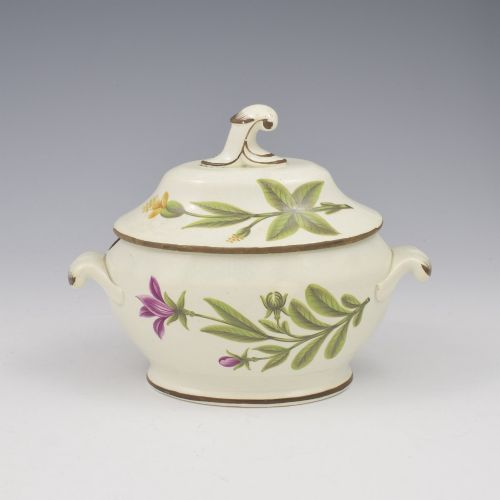
The selection ranges widely across periods, spanning mid-eighteenth-century porcelain examples up to robust nineteenth-century ironstone and earthenware productions. Buyers encounter everything from delicate slip-moulded botanical patterns to sturdy transfer-printed earthenware designs intended for regular family dining.
Materials and production techniques
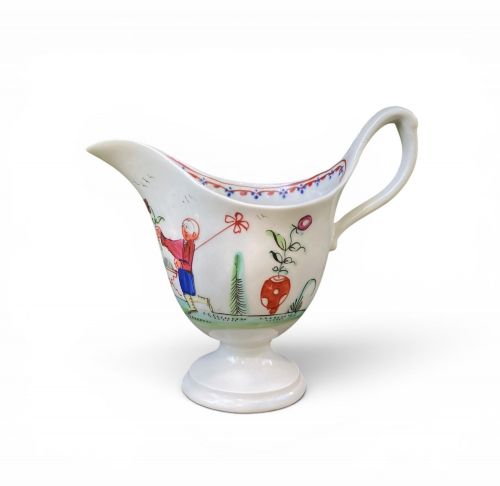
Potters relied on soft-paste porcelain, bone china, ironstone, and pearlware, shaping them by hand or moulding them into specific botanical and rococo contours. Artisans applied cobalt blue underglazes, polychrome enamel painting, and occasionally gold leaf highlights to enrich the finished ceramic surface.
Transfer printing technology allowed factories to repeat intricate landscape and figurative motifs with reliable precision across large dinner services. Firing temperatures dictated the vitrification of the paste, resulting in either translucent porcelain bodies or dense, durable earthenware structures.
Forms include single sauce boats, lidded tureens with matching stands, and lettuce-form vessels from periods such as Georgian and Victorian.
Judging quality and craftsmanship
Quality rests upon the crispness of the moulded relief and the delicacy of the hand-painted or transfer-printed decoration. Superior pieces display clean glaze coverage without excessive pooling, firing cracks, or warping from the kiln.
Artistic execution distinguishes standard utilitarian ware from exceptional cabinet pieces. Precision in brushwork, particularly on hand-painted botanical or Chinese figures patterns, elevates the visual merit of the vessel significantly.
Davenport Bone China·Derby Porcelain·Swansea·Dr Wall Worcester·Wedgwood·New Hall·Quimper French Faience·Mason s Ironstone·Bow Porcelain·Flight Barr And Barr·Chelsea Derby·Spode·Rogers·Meissen
The Antique Ceramic Sauce Boat Glossary
- Sauce boat
- A small pitcher or boat-shaped vessel used for serving table sauces. They often feature an integral handle and a shaped spout for pouring.
- Ironstone
- A heavy, durable type of earthenware patented in the nineteenth century. It resists chipping and served as a robust alternative to porcelain.
- Soft-paste porcelain
- An artificial ceramic composition fired at lower temperatures than true porcelain. It produces a warm, slightly creamy body with a soft glaze.
- Pearlware
- A refined earthenware developed in the late eighteenth century. It possesses a bluish tinge in the glaze that pools around recessed details.
- Transfer printing
- A decoration technique using engraved copper plates to transfer ink impressions onto paper and then onto ceramic bisque. This method mechanized patterned dinnerware production.
Antique Ceramic Sauce Boat: Frequently Asked Questions
How were sauce boats used at the table?
These vessels held warm gravies, melted butter, or savory juices to accompany roasted meats and vegetables during formal meals. Servants passed them around the table or kept them stationed on matching ceramic stands to protect table linens.
Their spouts and handles allowed diners or attendants to pour liquids evenly onto individual plates without spilling.
Can I use an antique sauce boat today?
Many sturdy ironstone and porcelain examples remain robust enough for careful modern dining use. Hand washing preserves the delicate enamels and gold leaf from harsh dishwasher detergents.
Thermal shock should be avoided by preventing sudden temperature changes when transferring hot gravies into cold ceramic vessels.
How do I date an antique sauce boat?
Dating relies on identifying factory marks, paste compositions, and stylistic indicators such as rococo moulding or transfer-printed motifs. Eighteenth-century pieces often exhibit lighter soft-paste bodies and hand-painted Chinese export scenes.
Nineteenth-century examples frequently utilise denser ironstone materials, printed registration marks, or standardised factory pattern numbers.
What is the difference between a sauce boat and a tureen?
A sauce boat is typically an open, handled vessel with a defined pouring spout designed for thin liquids. A sauce tureen is deeper, often includes a fitted lid to retain heat, and frequently rests upon a matching ceramic base plate.