


Georgian Ceramic Gravy Boat
A georgian ceramic gravy boat brings eighteenth-century elegance to the table, offering collectors exquisite soft-paste porcelain and hand-painted cobalt blue designs.
Georgian Ceramic Gravy Boat
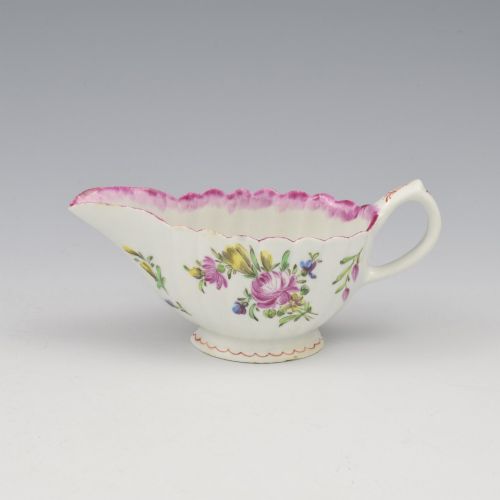
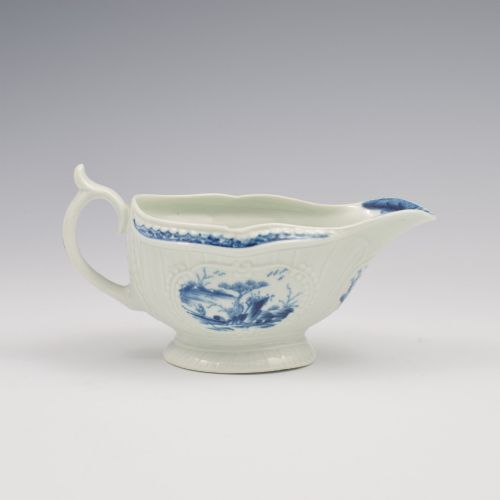
When searching for a georgian ceramic gravy boat, collectors encounter eighteenth-century sauce boats and sauceboats originating from notable English factories. These functional table vessels appear in forms such as fluted bodies, lettuce leaf moulding, and triangular platforms.
The pieces on this page span the eighteenth century and the early nineteenth century, featuring styles from classic georgian to georgian chinoiserie and rococo. Makers often decorated these items with hand-painted scenes like the fisherman pattern or delicate floral motifs.
Buyers will also find matching sauce tureens complete with covers and bases from later periods. Each vessel demonstrates the practical dining requirements of wealthy households during the georgian era.
How They Were Made
Potters utilised soft-paste porcelain and earthenware to form these vessels, shaping them by hand or moulding them into botanical and animal designs like lettuce forms and elephant handles. Cobalt glaze and enamel colours were applied before firing to create vivid blue and white scenes or polychrome Chinese figures.
Many examples received delicate touches of gilt to highlight the rims and moulded handles. Transfer printing emerged in later pieces, allowing factories to produce intricate patterns such as the doughnut tree design with reliable consistency.
Listings feature soft-paste porcelain, earthenware, and enamel materials across eighteenth-century and early nineteenth-century periods.
What Varies in Quality
The distinction between standard domestic items and superior cabinet pieces rests in the crispness of the moulding and the skill of the brushwork. Early soft-paste porcelain bodies display a characteristic warmth and translucency that elevates the visual depth of the underglaze cobalt blue.
Complexity of form also dictates distinction, moving from simple oval vessels to elaborate triangular platforms, lion head covers, and naturalistic leaf shapes. Pieces retaining their original matching components demonstrate greater historical completeness.
Bow Porcelain·Dr Wall Worcester·Chelsea Derby·Rogers
The Georgian Ceramic Gravy Boat Glossary
- Soft-paste porcelain
- An artificial ceramic composition fired at lower temperatures than hard paste, known for its creamy body and soft glaze texture. This material defines many eighteenth-century English tablewares.
- Cobalt glaze
- A metallic oxide pigment applied under the glaze to produce deep blue decoration that withstands high kiln temperatures. It remains stable during firing, yielding crisp outlines.
- Chinoiserie
- A European artistic style reflecting Chinese motifs, featuring imaginary landscapes, figures, and pavilions. This aesthetic heavily influenced georgian porcelain decoration.
- Sauce boat
- A small pitcher with a spout and handle designed for serving gravies and sauces at the dining table. Georgian examples often feature moulded feet and elaborate handles.
- Transfer print
- A method of applying engraved designs to ceramics using paper templates inked with metallic colours. This technique revolutionised factory production during the late eighteenth and early nineteenth centuries.
Georgian Ceramic Gravy Boat: Frequently Asked Questions
What is a georgian ceramic gravy boat?
These pieces are eighteenth and early nineteenth-century table vessels used for serving sauces and gravies during formal meals. They are prized for their soft-paste porcelain bodies and hand-painted or transfer-printed decoration.
Collectors value them for their diverse forms, ranging from simple fluted designs to elaborate botanical shapes and triangular platforms.
How were these gravy boats used?
Households utilised these vessels at the dining table to serve warm gravies, melted butter, and flavoured sauces alongside roasted meats. Their spouts and comfortable handles ensured smooth pouring during meals.
Today, many buyers collect them to display as cabinet pieces or to use during traditional dinner parties.
How do I identify a georgian piece?
Identification relies on examining the ceramic body, glaze characteristics, and decorative style such as georgian rococo or chinoiserie. Early soft-paste porcelain often shows subtle imperfections and a warm translucency under strong light.
Matching stylistic details with known factory patterns from the eighteenth century helps confirm the period.
Are matching covers common?
Covers and matching bases appear on specific forms like sauce tureens rather than standard open sauce boats. These lidded examples often incorporate sculptural elements such as lion head handles.
Finding a complete set with its original cover adds significantly to the historical interest of the vessel.