



Antique Ceramic Lady Statue
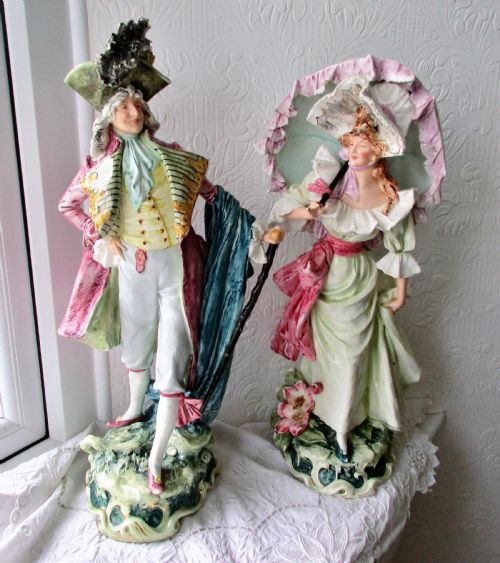
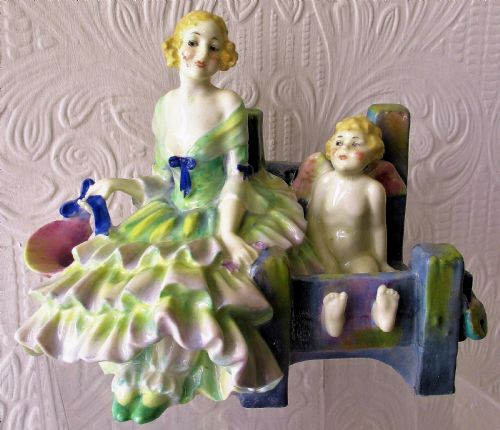
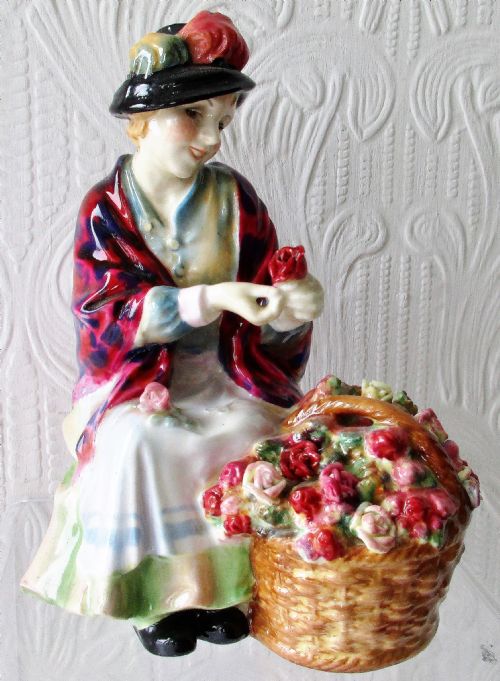
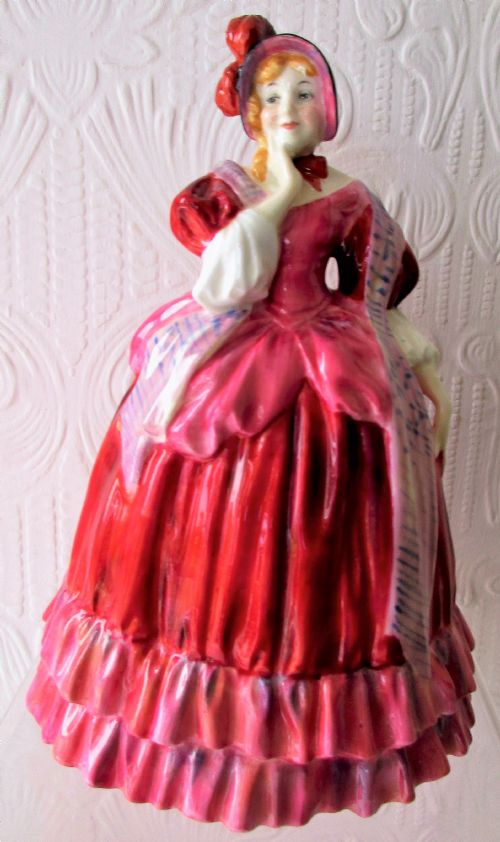
An antique ceramic lady statue brings quiet grace to a room, captured in porcelain, earthenware or terracotta across periods from the Victorian era to Art Deco.
Antique Ceramic Lady Statue
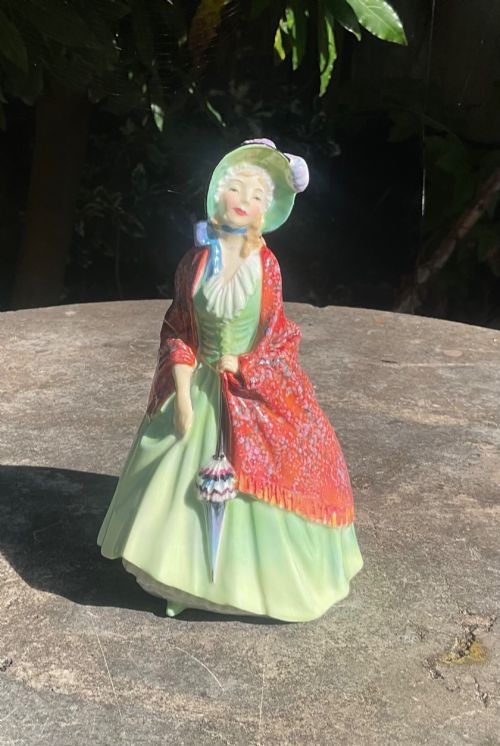
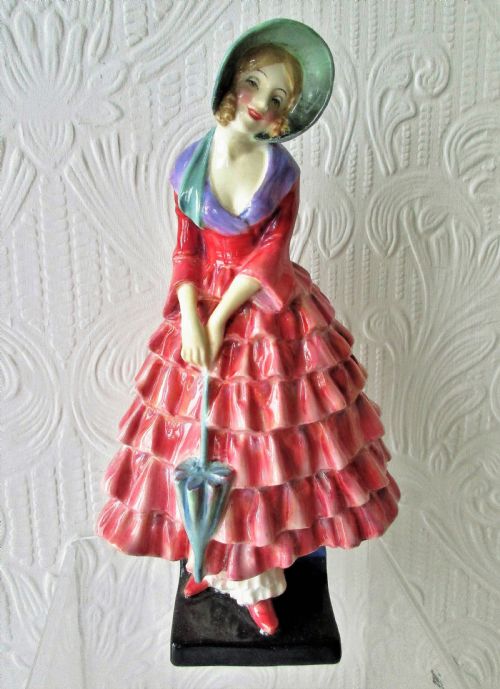
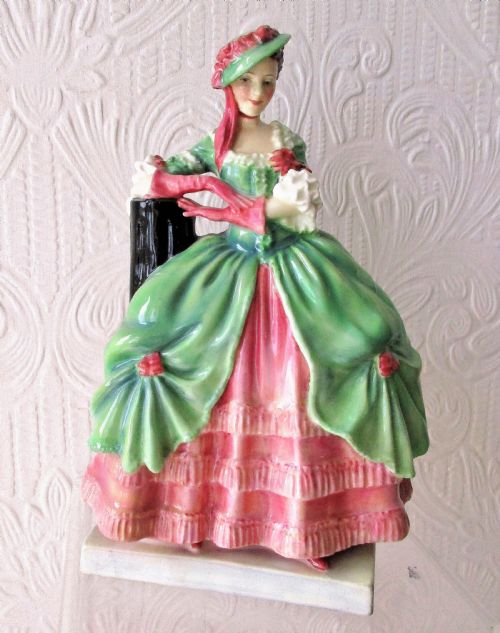
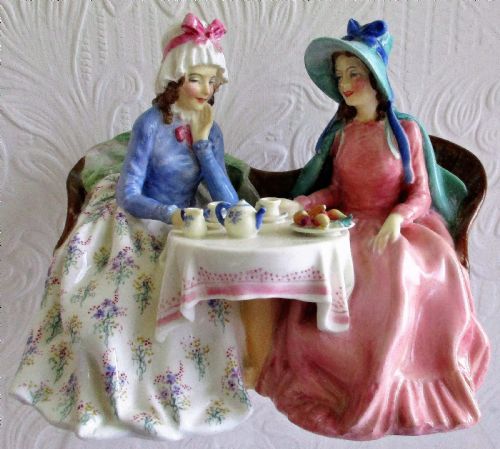
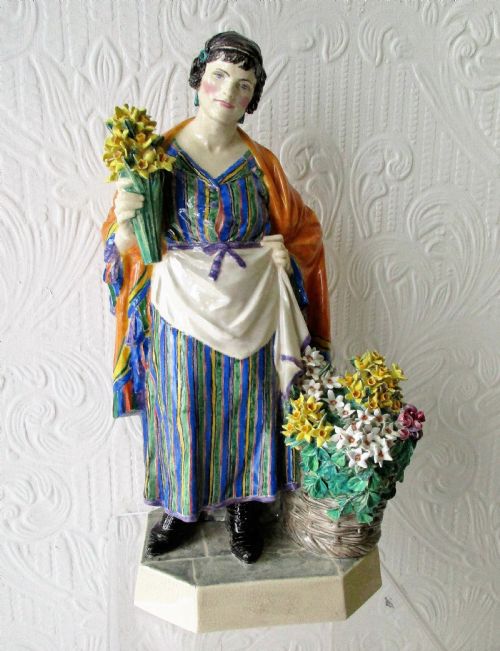
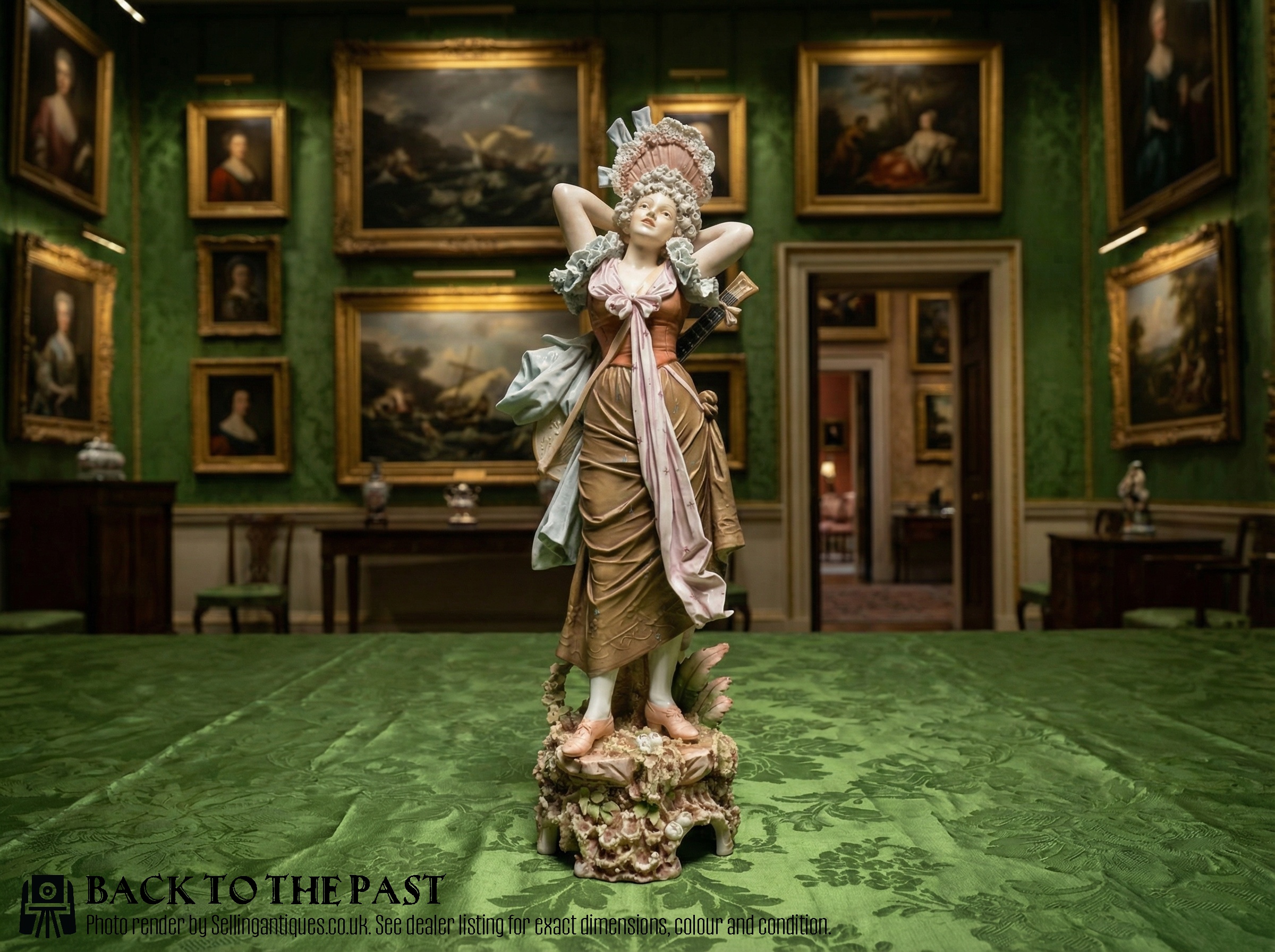
An antique ceramic lady statue encompasses figures, figurines, and busts portraying female subjects in various styles. Buyers encounter everything from English bone china character studies to monumental continental porcelain maidens and terracotta busts.
The selection ranges across the nineteenth and twentieth centuries, featuring Victorian works, Edwardian pieces, and distinct Art Deco designs. Formats span from intimate cabinet figurines to substantial pairs of figures.
Origins stretch from English potteries and French kilns to German studios and Japanese workshops. This phrase gathers diverse traditions of ceramic sculpture under one heading.
How they were made
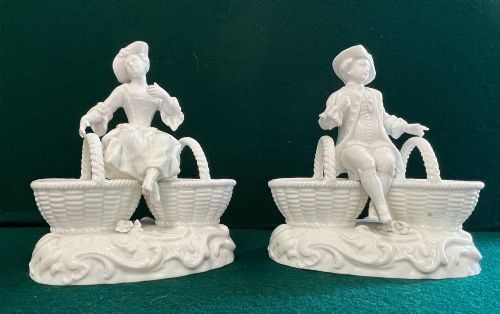
Makers shaped these statues from porcelain, bone china, earthenware, and terracotta, applying glazes, enamel, and occasionally gold leaf or gilt details. Some pieces utilise biscuit porcelain for an unglazed, matte finish that highlights sculptural form.
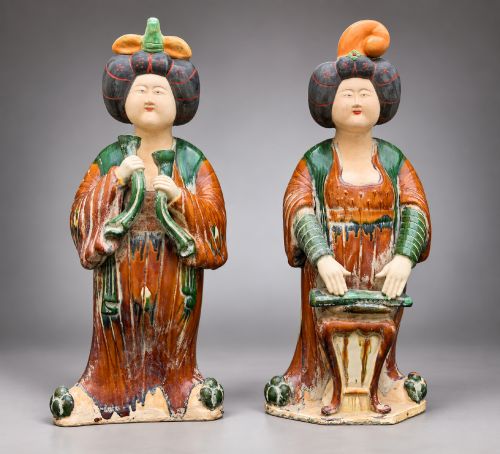
Firing techniques varied by region and period, from traditional Oriental kilns producing Sancai glazes to European factories creating fine painted glazes and delicate parian ware. Artists modelled robes, expressions, and accessories with close attention to fine detail.
Listings feature pieces from the 18th century through to the 1940s, spanning Art Nouveau, Art Deco, and Victorian styles.
What varies in quality
The reputation of the maker and the complexity of the form distinguish standard production wares from monumental or artist-signed sculptures. Preservation of delicate elements like fingers, hats, and instruments also defines the standing of a piece.
Royal Doulton·Charles Vyse·Royal Worcester·Royal Dux·Meissen·Ernst Wahliss·Samson·Georges Morin·Ludwigsburg
The Antique Ceramic Lady Statue Glossary
- Biscuit
- Unglazed ceramic fired once, producing a matte, porous surface resembling marble. This finish is frequently found on nineteenth-century figures.
- Parian ware
- A fine white unglazed porcelain developed to imitate marble, often used for Victorian portrait figures. It takes its name from Parian marble found in Greece.
- Faience
- Tin-glazed earthenware originating in France and other European regions, known for bright painted decoration. Pieces often depict historical or pastoral scenes.
- Bone china
- Porcelain mixed with bone ash, creating a durable body with a warm, milky translucency. English factories utilised this material extensively for cabinet figurines.
- Bijin
- A traditional Japanese term for a beautiful woman, frequently depicted in Meiji period porcelain and prints. These figures often hold traditional objects like drums.
Antique Ceramic Lady Statue: Frequently Asked Questions
How do I identify the period of a ceramic lady statue?
Examine the style of dress, hair, and base markings, as these reflect the design ethos of periods like Art Deco or the Victorian era.
Compare the glaze type and manufacturing technique with known examples from the nineteenth and twentieth centuries to narrow down the date of creation.
Where should I display my porcelain figurine?
Place figures in stable locations away from direct sunlight and heavy foot traffic to protect delicate painted details and protruding accessories.
Enclosed cabinets or sturdy mantelpieces offer safe display while allowing the form and colours to be appreciated from a distance.
What is the difference between porcelain and earthenware statues?
Porcelain is fired at higher temperatures until vitrified, resulting in a dense, non-porous material that often exhibits translucency.
Earthenware is fired at lower temperatures, producing a more porous body that requires a glaze to hold water and display colour.
How do I clean an antique ceramic figure safely?
Dust gently with a soft, dry brush or feather duster to remove surface particles without disturbing fragile painted enamel or gold leaf.
Avoid using water or chemical cleaners, particularly on unglazed biscuit porcelain or parian ware, which can absorb moisture and stain.