



Antique Bronze Torchere
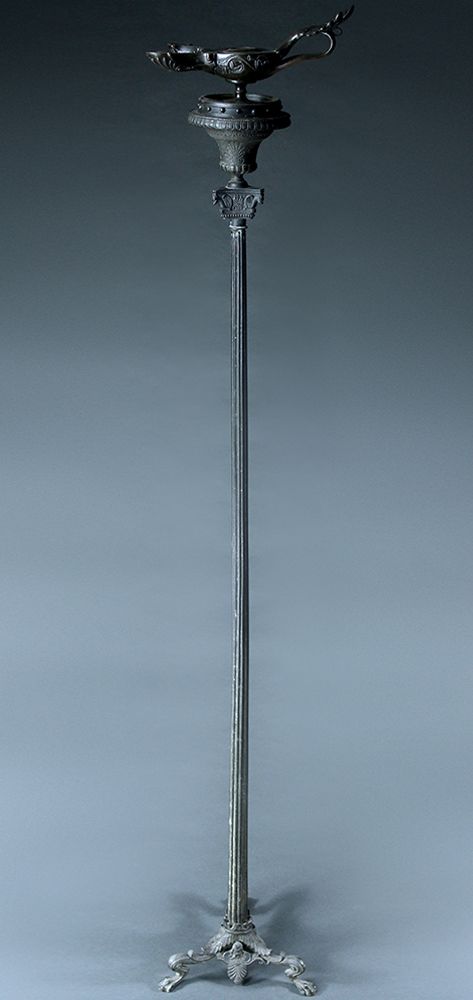
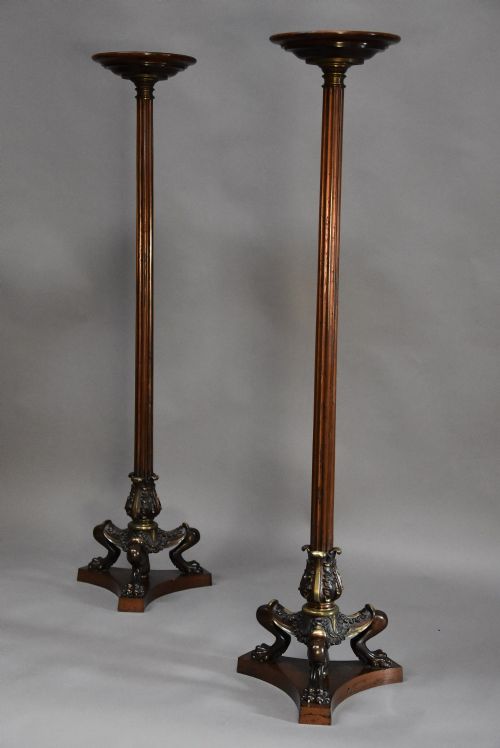
An antique bronze torchere brings classical sculpture and sculptural illumination into a room, combining architectural columns with figural or patinated metalwork.
Antique Bronze Torchere
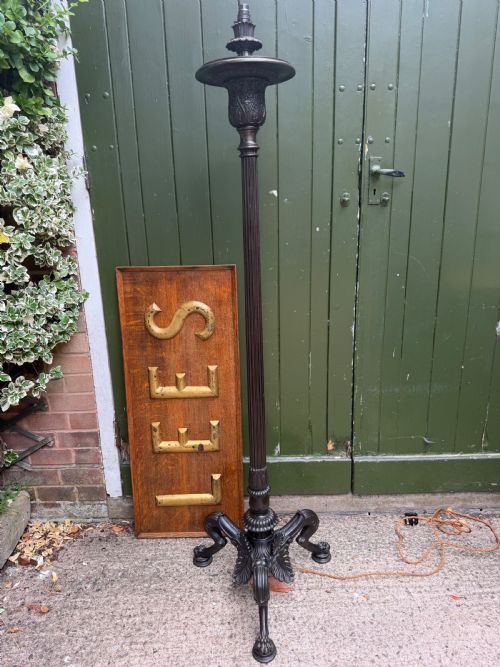
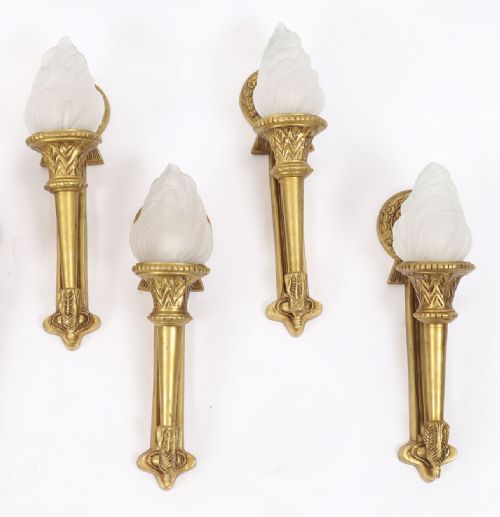
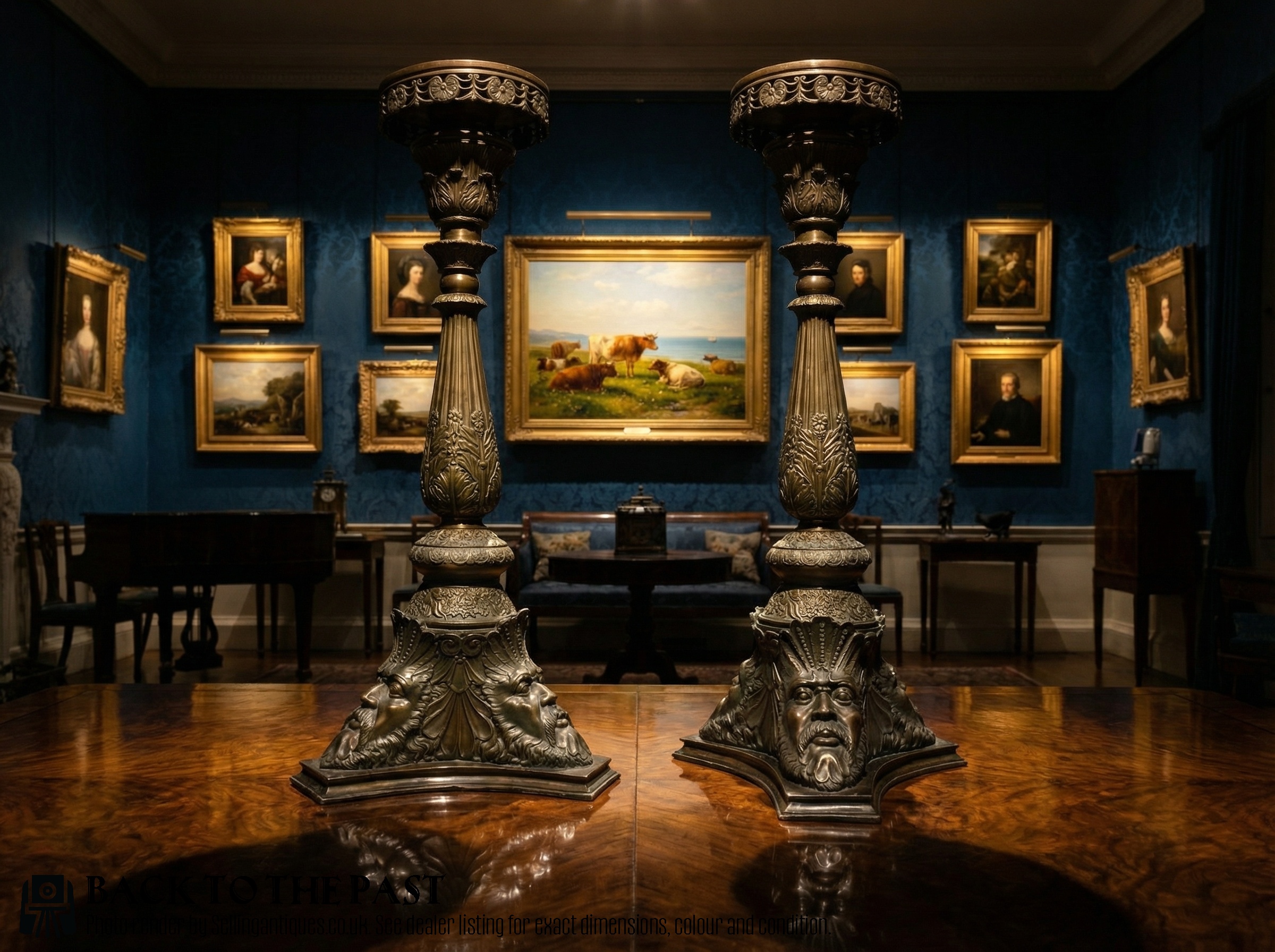
An antique bronze torchere stands as a tall display stand, floor standing lamp, or wall light derived from classical lighting forms. When searching this phrase, buyers encounter vertical standards designed to hold lights or display objects, frequently taking the form of figural or column structures.
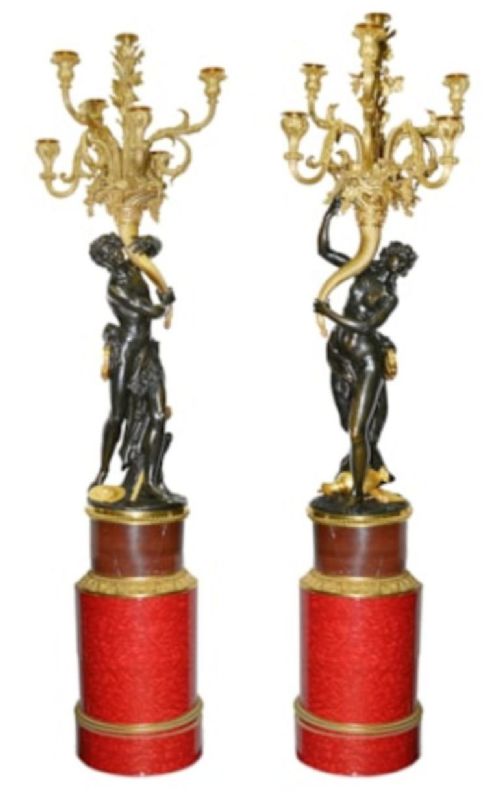
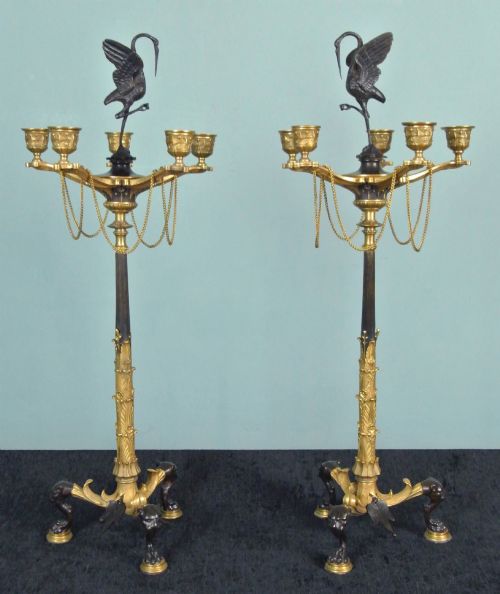
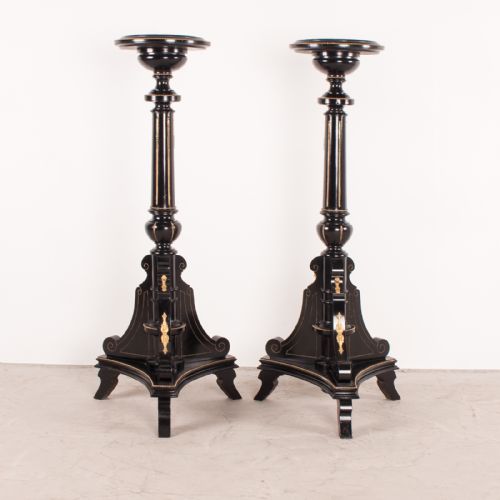
The pieces appearing on this page span the nineteenth century into the twentieth century, encompassing Victorian, Regency, and Neo-Classical designs. Examples range from monumental figural lamps to pairs of candelabra and pedestal stands.
Origins heavily reflect French and British workshops, with many items drawing on Grand Tour influences, mythological figures, and classical architectural orders such as Doric columns.
Materials and construction methods
Maker workshops utilised cast bronze, patinated bronze, and ormolu, frequently combining these metals with contrasting materials like marble, onyx, glass, rock crystal, and mahogany. Foundational structures rely on heavy metal casting combined with carved wood or stone components.
Finishes involve distinct patination treatments alongside gilt highlights, bringing out the detail in figural castings representing muses, cherubs, and classical deities. Structural integrity depends on secure joinery between heavy metal figures and their supporting columns or bases.
Listings incorporate nineteenth-century and early twentieth-century periods, utilising bronze, glass, marble, ormolu, and onyx across floor lamps, candelabra, and wall lights.
Distinctions in execution and design
Execution quality rests in the crispness of the bronze casting and the nuance of the hand-chased surface detail on figural elements. Superior examples display refined anatomy and facial expression in figures like Libertas or classical muses.
Material selection divides standard productions from exceptional works, where elements such as solid marble columns, rock crystal sections, or fire-gilt ormolu elevate the presence of the piece.
Barbedienne·F. De Luca·Emile Picault·Humphrey Hopper·Jean-Jules Cambos·François-Christophe-Armand Toussaint·Coutan·Moreau
The Antique Bronze Torchere Glossary
- Torchere
- A tall stand or standard lamp designed to support a light source or display an object. The form originated as a candle stand before adapting to oil and electricity.
- Ormolu
- Gilt bronze produced by applying a finely ground high-carat gold mercury amalgam to a bronze object. This technique creates a durable, warm metallic finish seen on Neo-Classical pieces.
- Patinated Bronze
- Bronze treated with chemical solutions to produce a darkened or coloured surface oxidation. This finish accentuates sculptural relief and protects the underlying metal.
- Grand Tour
- The nineteenth-century practice where travellers collected classical antiquities and bronzes across Europe. Pieces from this context often reproduce ancient statues and architectural fragments.
Antique Bronze Torchere: Frequently Asked Questions
What is an antique bronze torchere used for?
These pieces function as vertical light sources or architectural display stands within grand interiors. They occupy corners or entrance halls to provide ambient illumination and sculptural presence.
Historically designed for candles or oil, many examples now accommodate wired electrical fittings while retaining their original decorative purpose.
How do I identify a Neo-Classical style torchere?
Neo-Classical pieces draw inspiration from ancient Greek and Roman art, featuring strict symmetry and architectural motifs. Look for columns, urns, mythological figures, and classical drapery.
Materials such as patinated bronze combined with gilt ormolu frequently characterise this aesthetic across nineteenth-century examples.
Where were these torchere lamps made?
The evidence points strongly to French and British manufacture during the nineteenth and early twentieth centuries. Parisian foundries and British studios produced many of these figural and column lamps.
Grand Tour pieces additionally reflect Italian influence through classical revival subjects acquired by European travellers.
How do I care for bronze and ormolu?
Bronze and ormolu require gentle dusting with a soft, dry cloth to prevent the accumulation of abrasive particles. Avoid using metal polishes or chemical cleaners that can strip historic patination or mercury gilt surfaces.
Stable indoor humidity and moderate temperatures protect any integrated organic materials like wood or onyx columns.