


Renaissance Revival Pedestals
Renaissance revival pedestals are architectural stands carved in walnut, oak, and marble that elevate sculpture and vases with historicist drama.
Renaissance Revival Pedestals
Renaissance revival pedestals are sculptural furniture supports designed to elevate display items like vases, figures, and architectural ornaments. These pieces draw directly on sixteenth-century Italian and French design vocabulary, reinterpreted by nineteenth-century cabinetmakers.
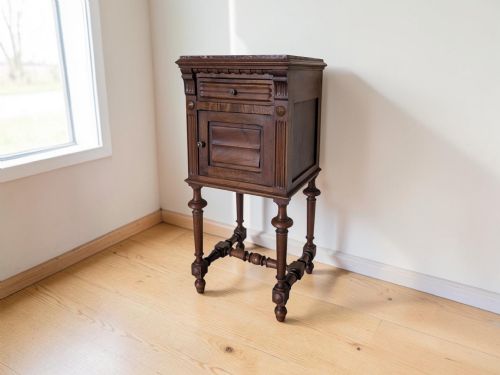
The versions you meet on this page most often take the form of carved oak or walnut columns and figural stands dating from the Victorian era. Alongside traditional pedestals, you find related forms such as jardiniere stands and torchere columns utilising matching historic revival styles.
Originating largely from nineteenth-century workshops in Britain, France, and Italy, these pieces reflect a period obsession with grand architectural decoration. They serve as substantial structural furniture items that demand specific placement within a room.
How They Were Made
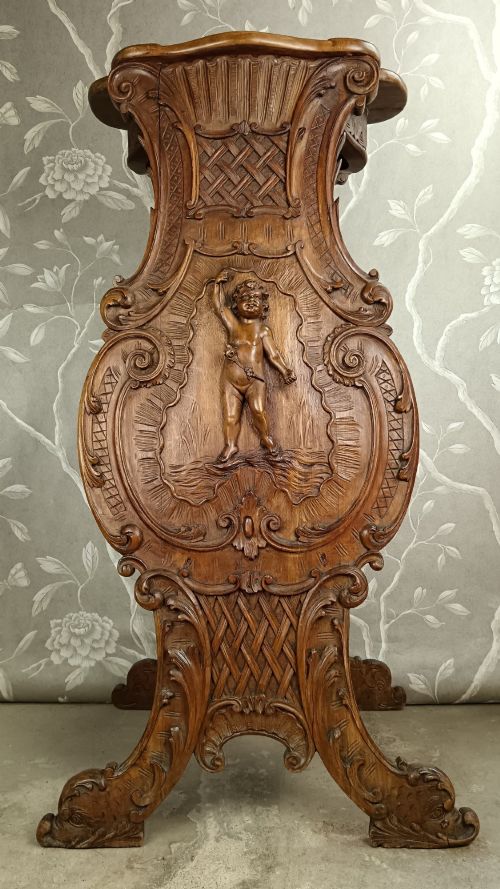
Makers constructed these supports primarily from dense hardwoods like oak, walnut, and mahogany, often selecting timber for deep carving potential. Carvers utilised hand chisels and gouges to render elaborate relief work, scrollwork, and figural elements directly into the solid wood.
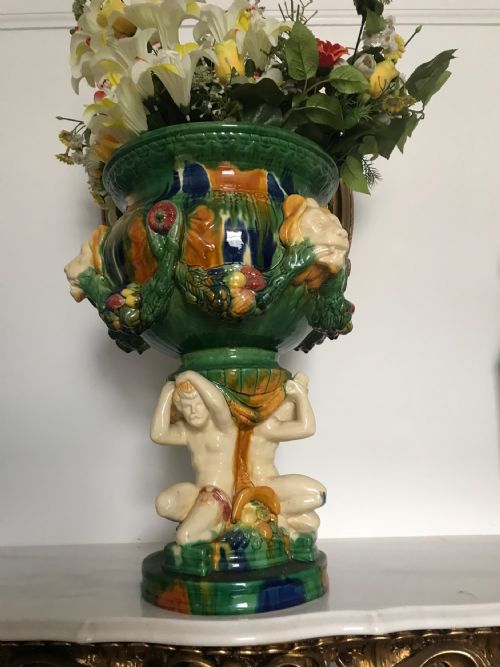
Some examples incorporate secondary materials such as marble tops, bronze mounts, or tin-glazed earthenware sections to create varied surface textures. Joinery relied on traditional mortise and tenon construction to support heavy weights placed upon the top surface.
Watch for carved lions watching the room from beneath heavy ceramic planters.
What Varies in Quality
The depth and sharpness of the hand carving separate standard production stands from exhibition-grade examples. Crisp undercut relief and well-proportioned figural elements indicate skilled workshop output rather than mechanical copying.
Timber selection and structural stability dictate the enduring integrity of each piece. Heavier woods combined with balanced, solid bases ensure that the support safely holds substantial ornaments without leaning.
Ulisse Cantagalli
The Renaissance Revival Pedestals Glossary
- Renaissance Revival
- A nineteenth-century design movement drawing inspiration from the art and architecture of the fifteenth and sixteenth centuries. It relies heavily on classical motifs, symmetry, and robust carving.
- Caryatid
- A sculpted female figure serving as an architectural support taking the place of a column or pillar. These figures frequently appear on the corners of revival pedestals.
- Torchere
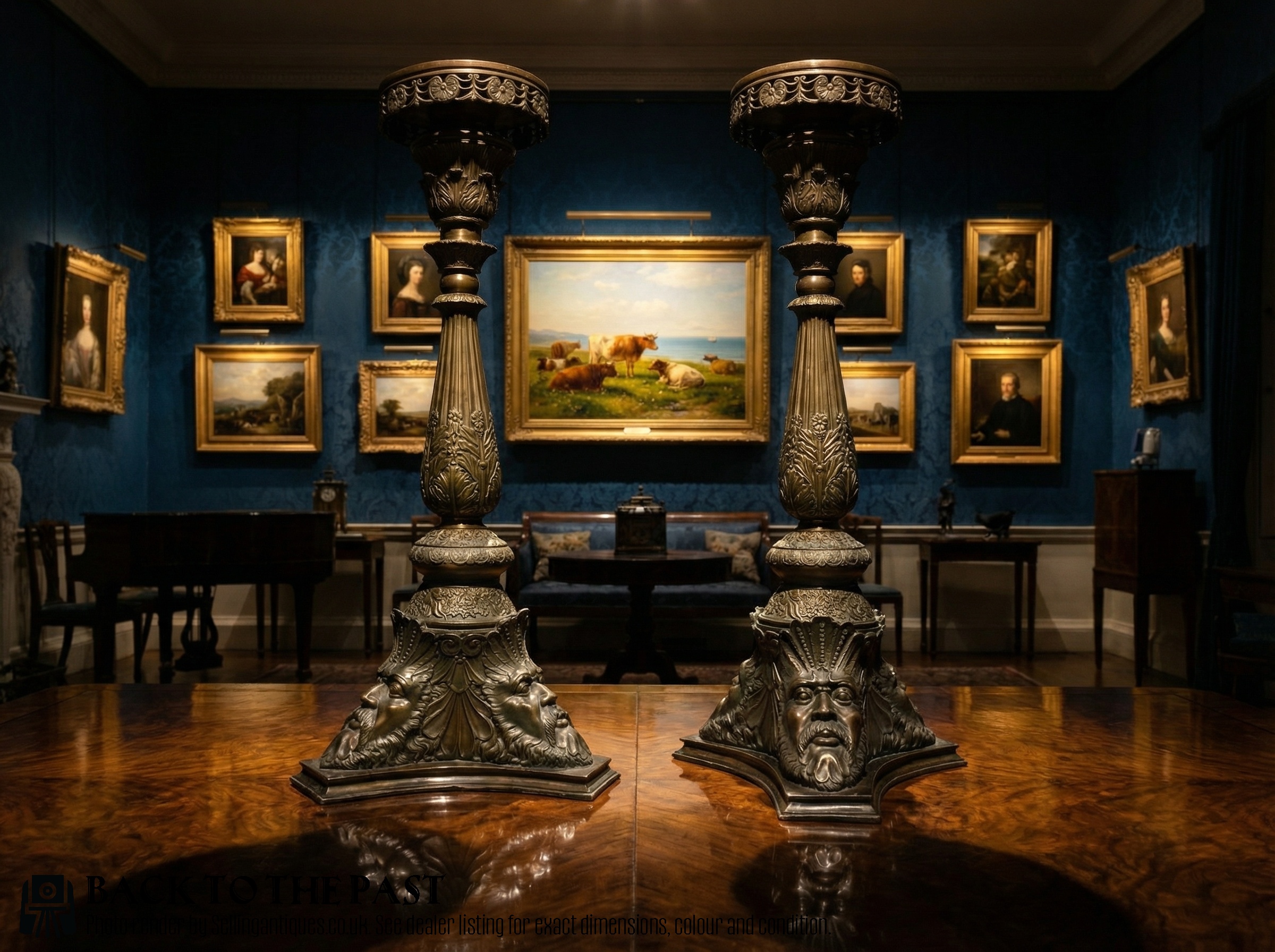
- A tall stand or pedestal originally designed to hold a candle or torch, later adapted to support lamps or decorative vases. Pairs of these stands often frame architectural doorways or large fireplaces.
- Majolica
- Tin-glazed earthenware decorated with opaque colourful metallic oxide glazes, often produced in Italy during the nineteenth century. These ceramic pieces frequently top or accompany ceramic pedestals.
- Tazza
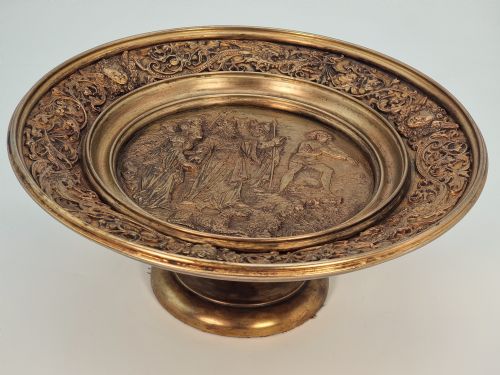
- A shallow saucer-shaped vessel mounted on a stem and foot, used as a decorative centrepiece. They appear in metal and ceramic forms within revival decorative arts.
Renaissance Revival Pedestals: Frequently Asked Questions
What were pedestals used for?
These tall stands served to elevate decorative urns, bronze sculptures, and large vases to eye level within grand nineteenth-century interiors. By lifting the object off the floor, they highlighted specific artistic pieces as focal points in a room.
They also functioned as standalone architectural ornaments that contributed to the historicist aesthetic of Victorian and continental reception rooms.
How do I place a pedestal at home?
Pedestals work best in corners, hallways, or against blank walls where their carved profiles can be viewed without obstruction. Ensure the floor is level so that heavy stone or wood stands remain entirely stable.
Pair the pedestal with an appropriate urn, bronze figure, or ceramic vase that matches the scale and weight capacity of the top surface.
How do I identify the wood type?
Examine the grain patterns, colour variations, and weight of the timber beneath any surface finishes. Oak typically shows prominent medullary rays, while walnut presents a darker, richer tone with smoother grain lines.
Bleached oak and mahogany also appear in these groupings, each offering distinct textural qualities that reflect nineteenth-century finishing preferences.
What defines the Victorian revival style?
This style combines historic motifs from Italian and French Renaissance periods with heavy Victorian proportions and construction methods. It is characterised by dense carved decoration, columns, and rich dark woods.
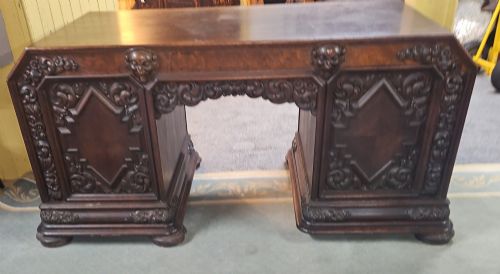
Makers borrowed freely from sixteenth-century ornamentation, applying it to domestic furniture forms such as desks, cabinets, and display stands.