


Classical Bronze Pedestals
Classical bronze pedestals bring the dignity of antiquity indoors, offering structured display space shaped by centuries of Neoclassical taste.
Classical Bronze Pedestals
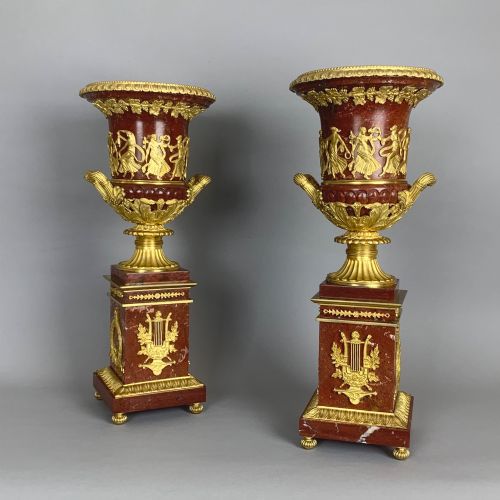
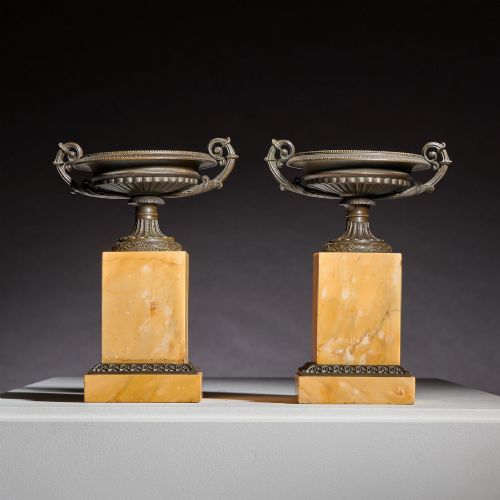
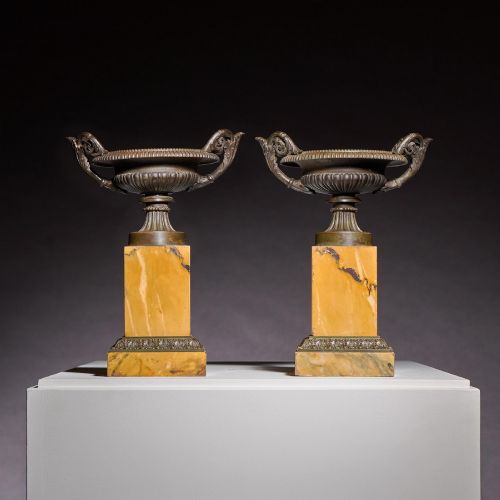
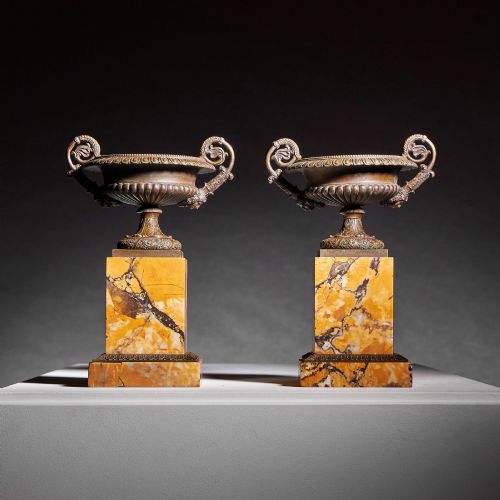
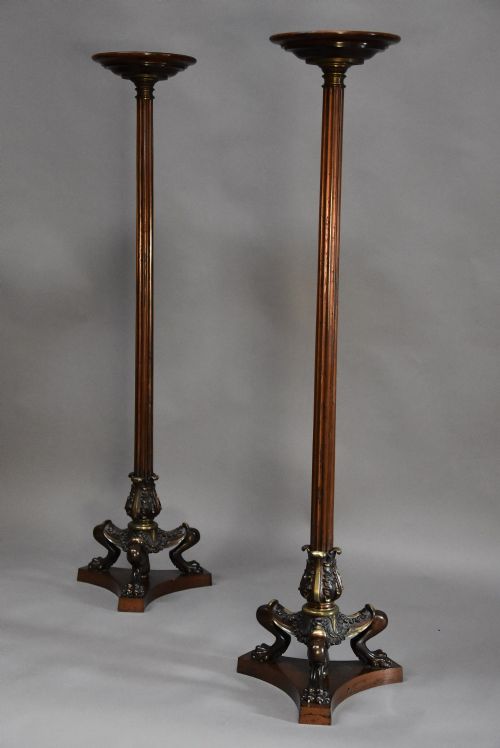
Classical bronze pedestals are substantial architectural supports and display columns designed to elevate sculptures, urns, and decorative works. When exploring classical bronze pedestals, a buyer frequently encounters nineteenth-century interpretations drawing heavily on French Empire and Grand Tour aesthetics.
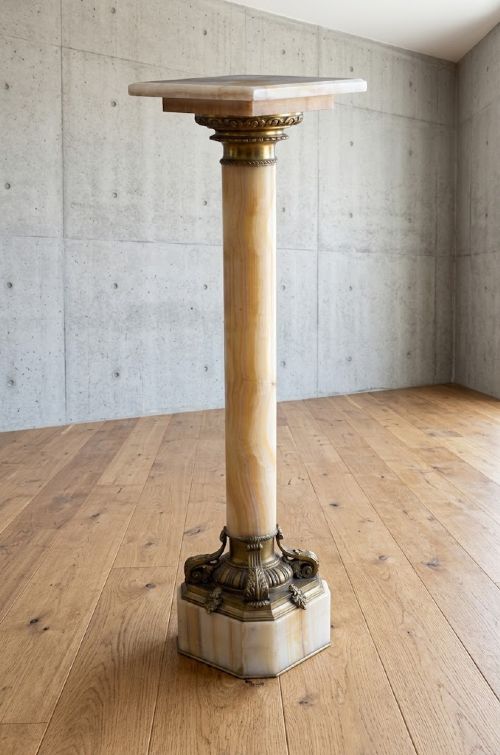
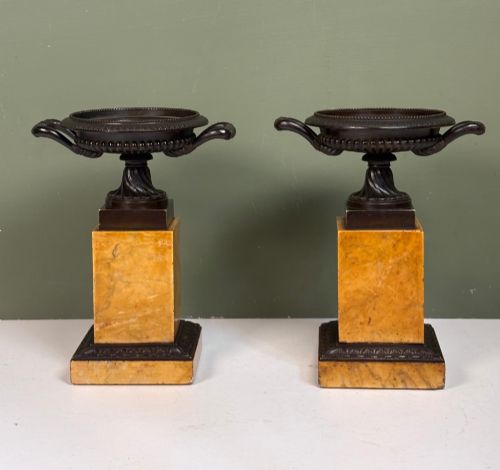
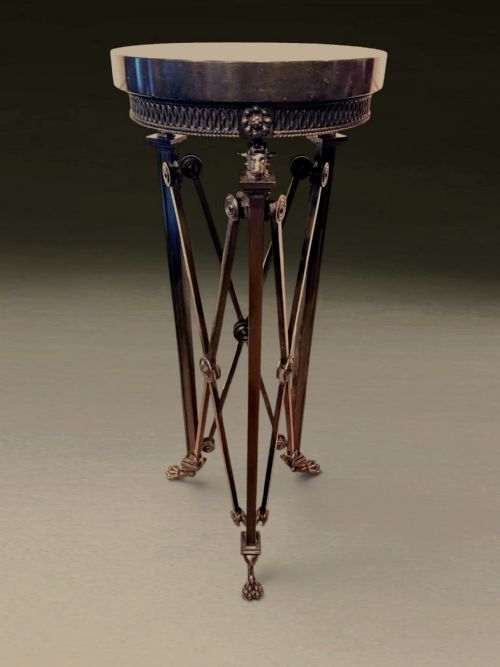
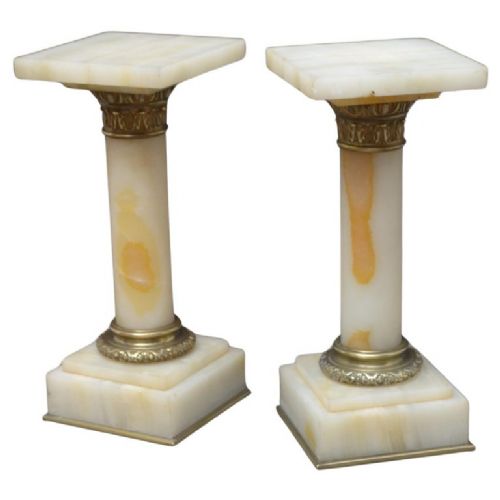
The selection ranges from tall torchere columns and marble stands with ormolu collars to low plinth bases and specialised display stands. These pieces predominantly reflect Neoclassical, Regency, and Victorian revivals rooted in ancient architectural forms.
Makers and designers of the period often turned to marble, onyx, and mahogany to complement cast bronze elements. Such compositions served both practical lighting functions and purely ornamental display roles within nineteenth-century interiors.
How they were made
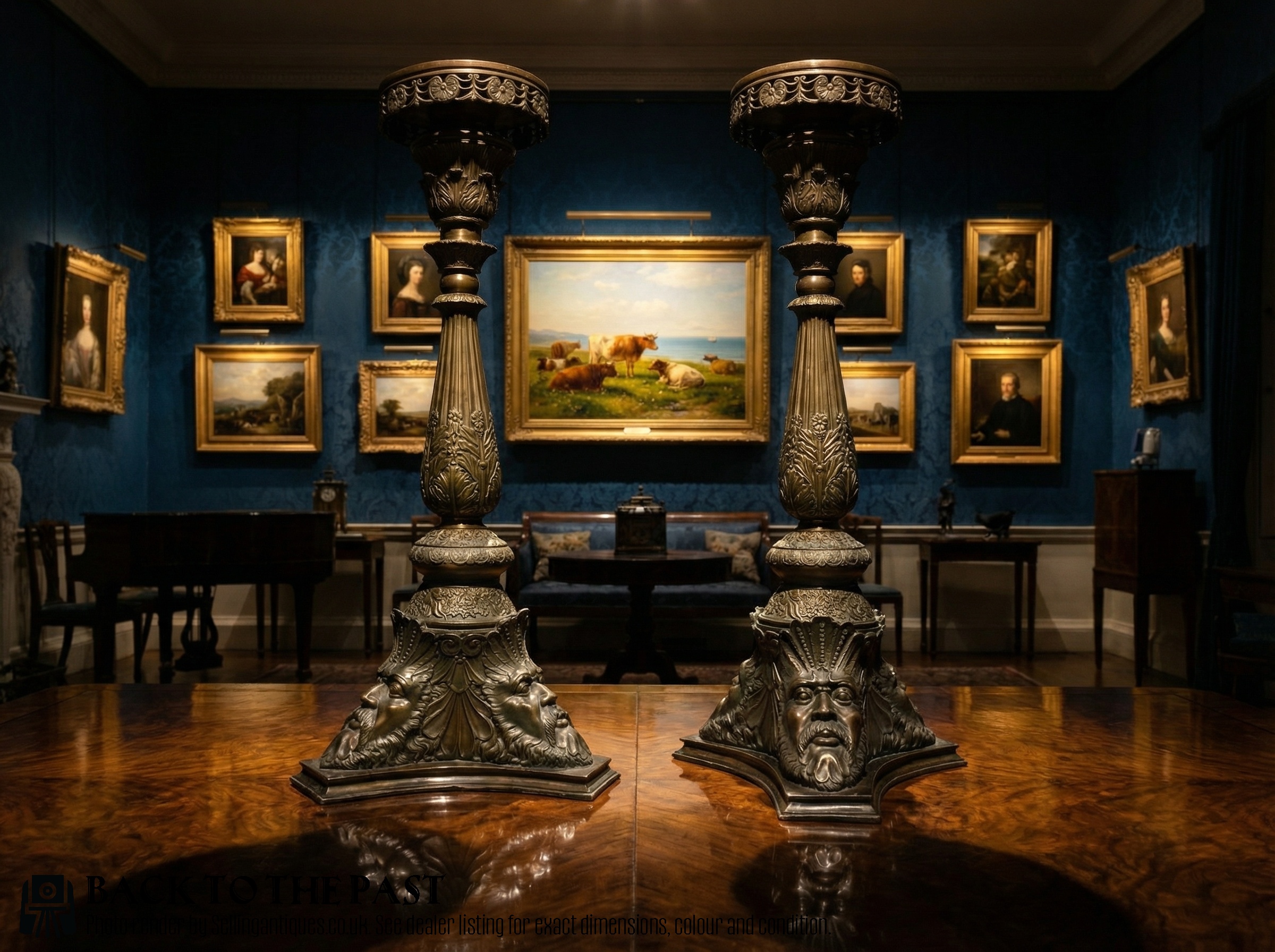
Foundry workers utilised traditional lost-wax or sand-casting techniques to shape the bronze components, achieving sharp detail in acanthus leaves, classical figures, and reeded columns. These bronze castings were frequently finished with patination or fire-gilding to create bright ormolu highlights.
Stonemasons shaped matching sections of white marble, Siena marble, and variegated onyx to form the shafts and bases of the stands. Ormolu collars, brass mounts, and patinated bronze figures were then mechanically joined to these stone elements using threaded rods and pins.
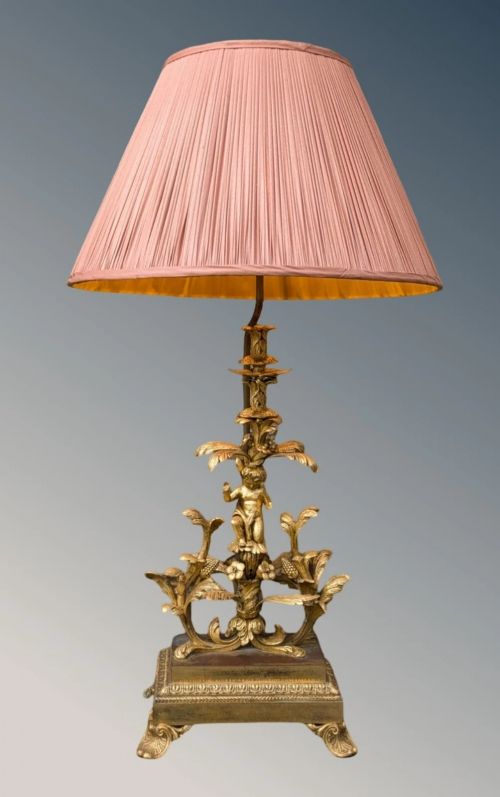
Several pieces double as torcheres, standing ready to illuminate the room after Napoleon leaves.
What varies in quality
The distinction between standard commercial production and finer work lies in the crispness of the bronze chasing and the selection of the stone. Superior examples display deeply chiselled surface detail on the metalwork and dense, unblemished marble or onyx shafts.
Proportion and architectural harmony also determine the caliber of a piece, with high-end items exhibiting balanced weight distribution between heavy stone bases and intricate cast bronze mounts. Lesser examples rely on simpler spun brass fittings and plain timber structures rather than solid cast bronze and carved stone.
George Smith·Thomas Hope·Antonio Merente·Sir Thomas Brock·Messina Roma·F. De Luca
The Classical Bronze Pedestals Glossary
- Ormolu
- Gilt bronze produced by applying a mercury and gold amalgam to cast bronze before heating. This technique creates a rich, durable golden surface seen on many nineteenth-century mounts and collars.
- Campana
- An inverted bell shape typical of classical vases and urns. This profile derives from ancient Roman garden urns.
- Grand Tour
- A cultural journey undertaken by wealthy Europeans to study classical antiquities. Souvenirs from these travels included miniature bronzes, tazzas, and architectural columns.
- Tazza
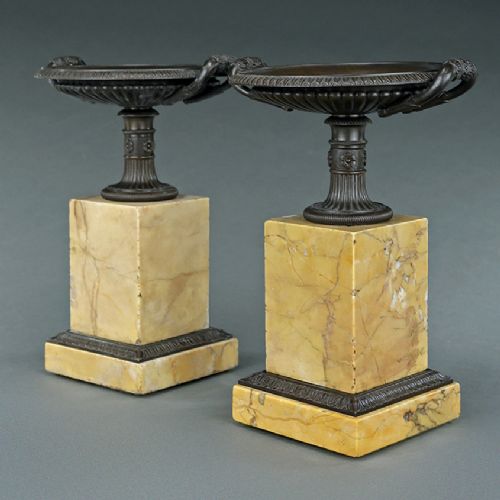
- A shallow cup or vase set on a slender stem and foot. These decorative vessels were frequently cast in bronze and paired with marble bases.
- Cassolette
- A decorative vase featuring a reversible lid that functions either as an open vessel or a closed urn. They often incorporate patinated bronze and ormolu mounts.
Classical Bronze Pedestals: Frequently Asked Questions
What were classical bronze pedestals used for?
These supports served primarily to elevate bronze sculptures, marble busts, and decorative urns within nineteenth-century reception rooms and libraries. By raising artwork to eye level, they allowed collectors to display Grand Tour souvenirs and classical figures with architectural dignity.
Some variations also incorporated lighting functions as torcheres or lamp stands, combining structural display with interior illumination. Their solid construction made them stable platforms for heavy stone and metal objects.
How do I tell Regency pieces apart from Victorian ones?
Regency examples generally adhere closely to strict archaeological Neoclassicism, drawing inspiration directly from ancient Greek and Roman designs. They often feature restrained patinated bronze surfaces paired with select marbles.
Victorian interpretations tend to incorporate heavier ornamentation and mixed materials like onyx and silver plating. The revival styles of the later nineteenth century frequently mixed French Empire and Baroque motifs.
How should I clean bronze and marble?
Dust bronze surfaces gently with a soft, dry cloth to protect the underlying patina and gilt finishes. Avoid harsh chemical cleaners that can strip historical patination or damage ormolu.
Marble and onyx columns benefit from wiping with a damp cloth followed by immediate drying. Acidic solutions must be avoided entirely to prevent etching the polished stone.
Where should I place a pedestal in a room?
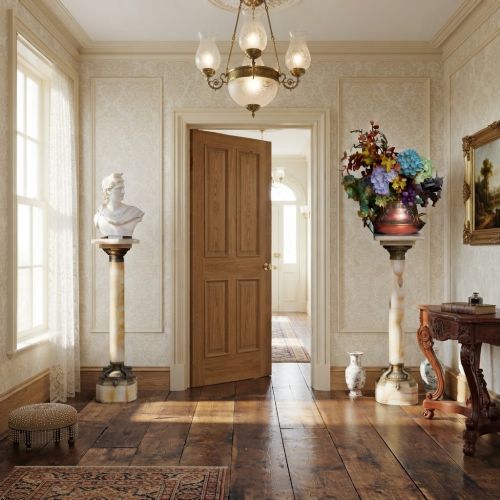
These tall architectural supports suit corners, hallways, or flanking doorways where they can anchor vertical space. Placing a sculptural urn or lamp on top completes the classical arrangement.
Ensure the floor surface is level because the combined weight of bronze and stone makes stability essential. Pairing them with complementary nineteenth-century furniture styles enhances their historical context.