
Antique Torchere Pedestals
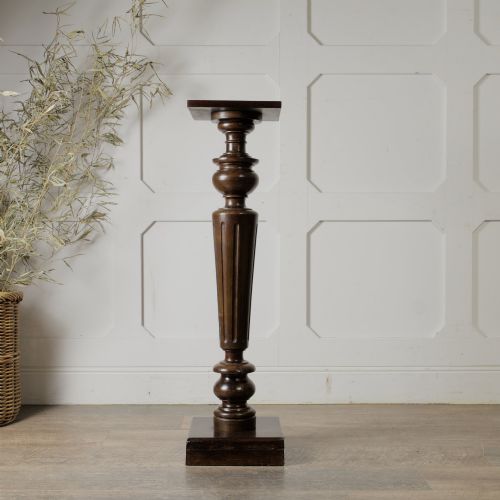
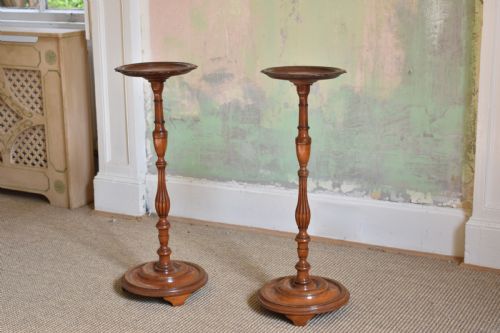
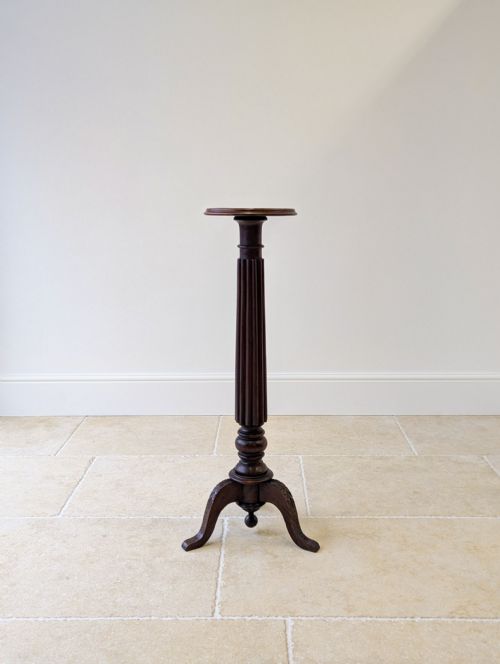
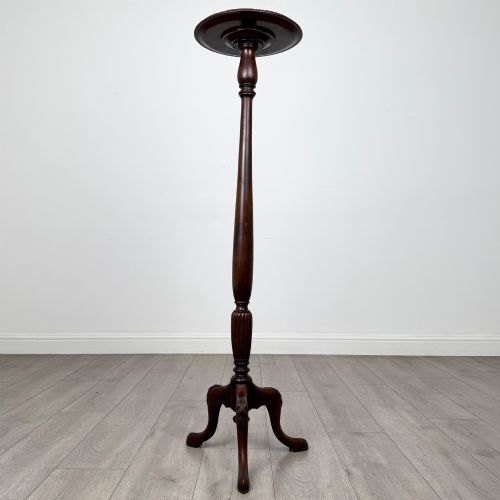
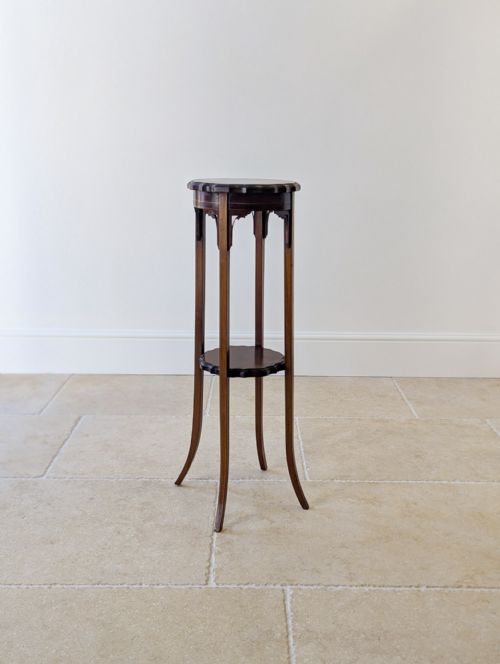
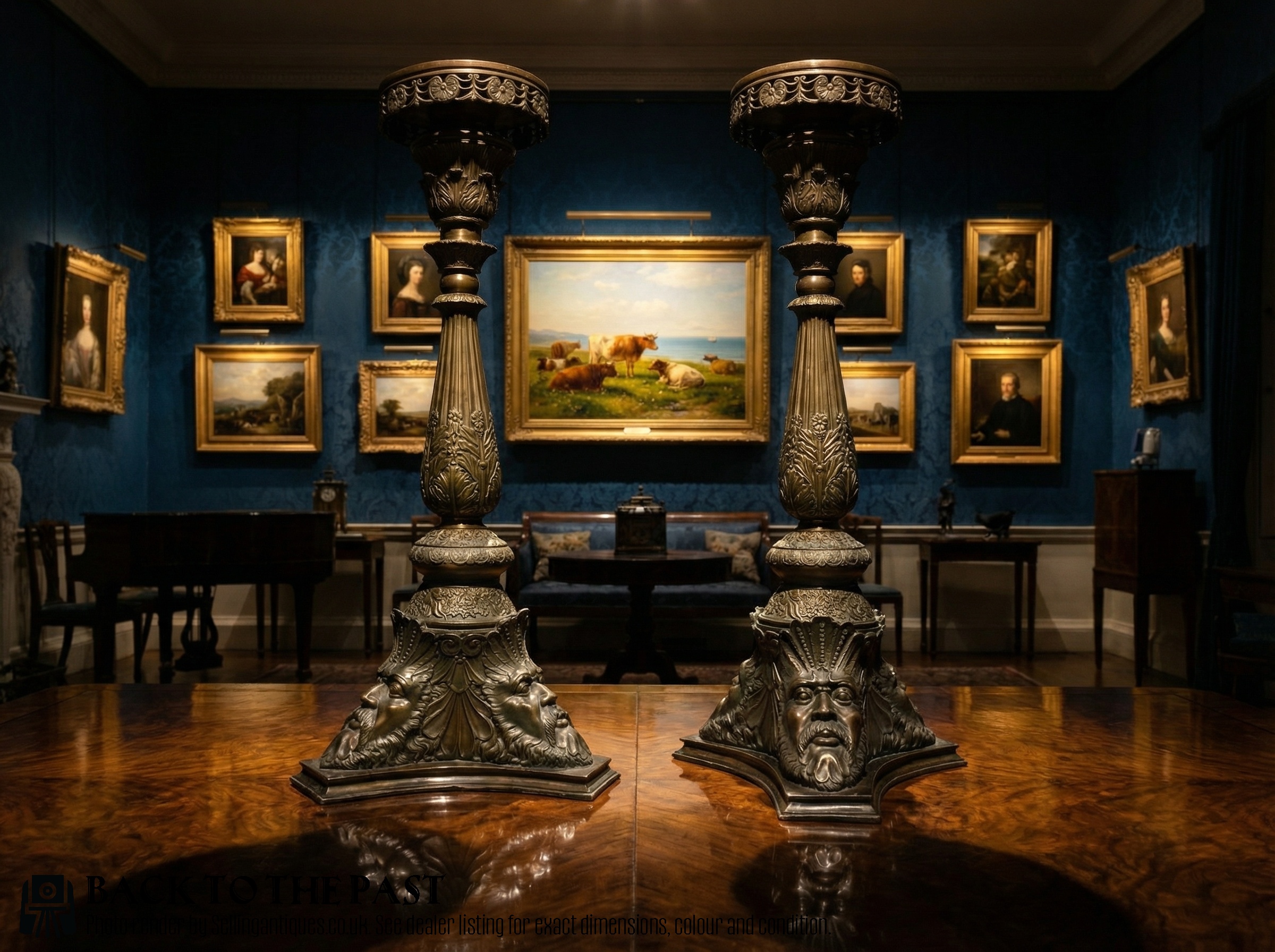
These antique torchere pedestals are elevated stands designed to display plants, lamps, or candles, bringing height and proportion to domestic interiors.
Antique Torchere Pedestals
When you search for antique torchere pedestals, you encounter tall, slender display columns originating from the eighteenth, nineteenth, and early twentieth centuries. These pieces encompass forms such as plant stands, candle stands, and sculptural pedestals designed to hold decorative objects.
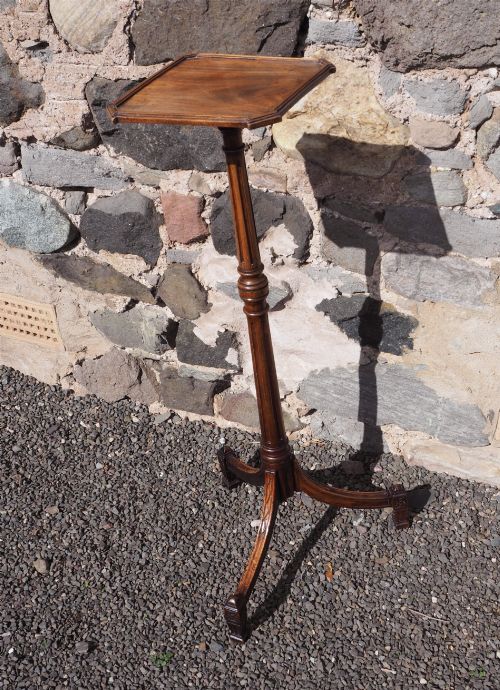
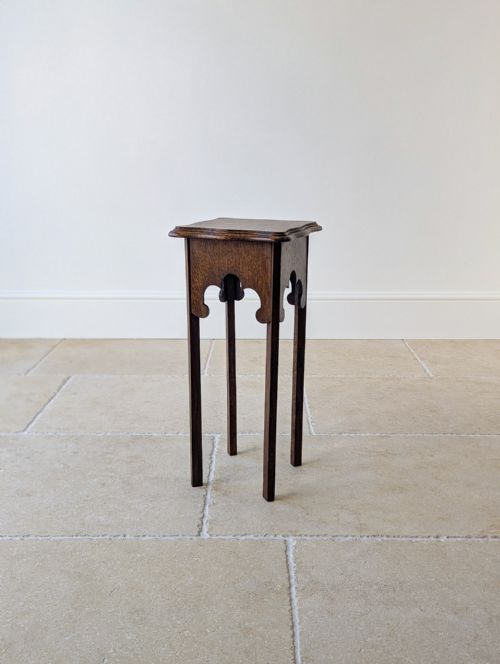
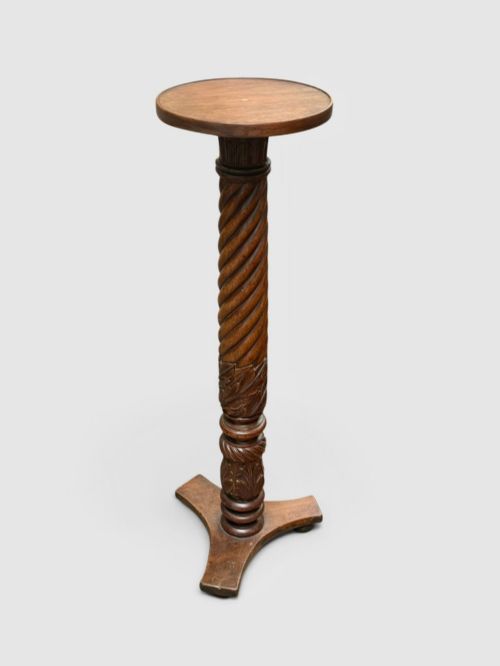
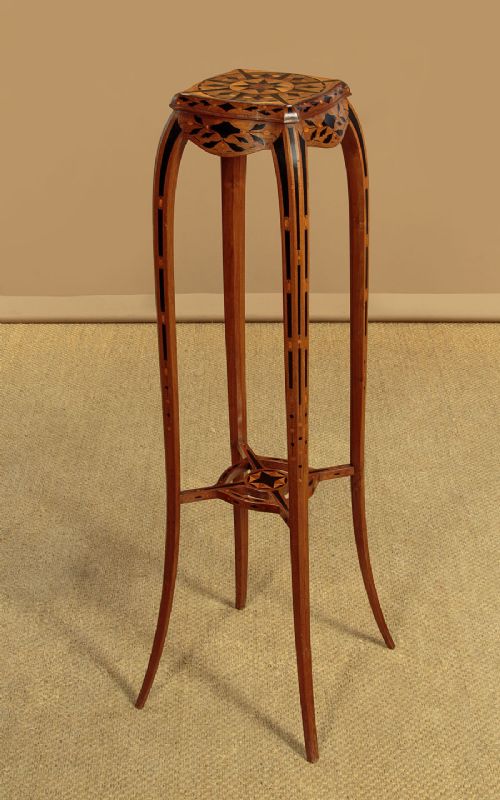
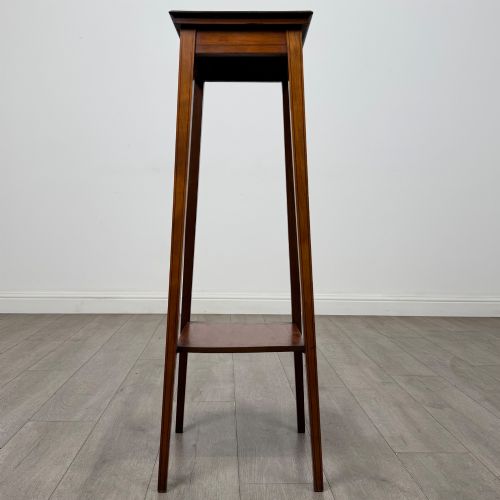
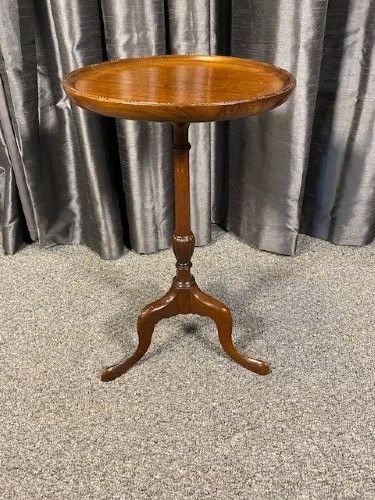
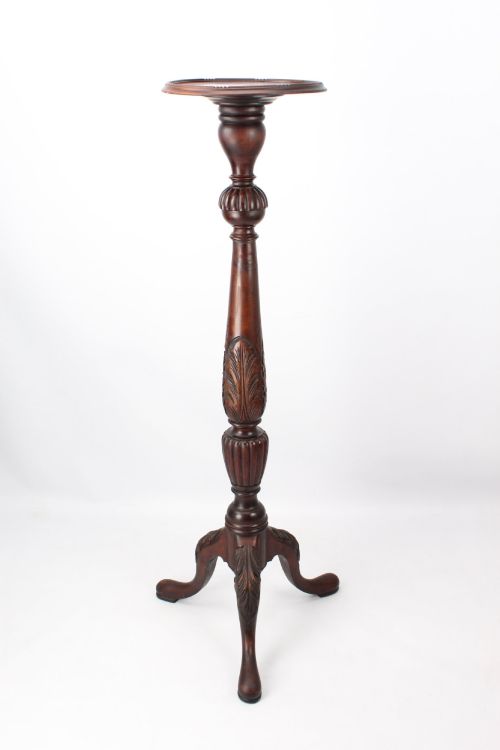
The examples most commonly met on this page date from the Victorian and Edwardian periods, constructed in mahogany, walnut, and oak. Many function as plant stands or jardinieres, utilising a small top platform supported by a turned column or carved figural shaft.
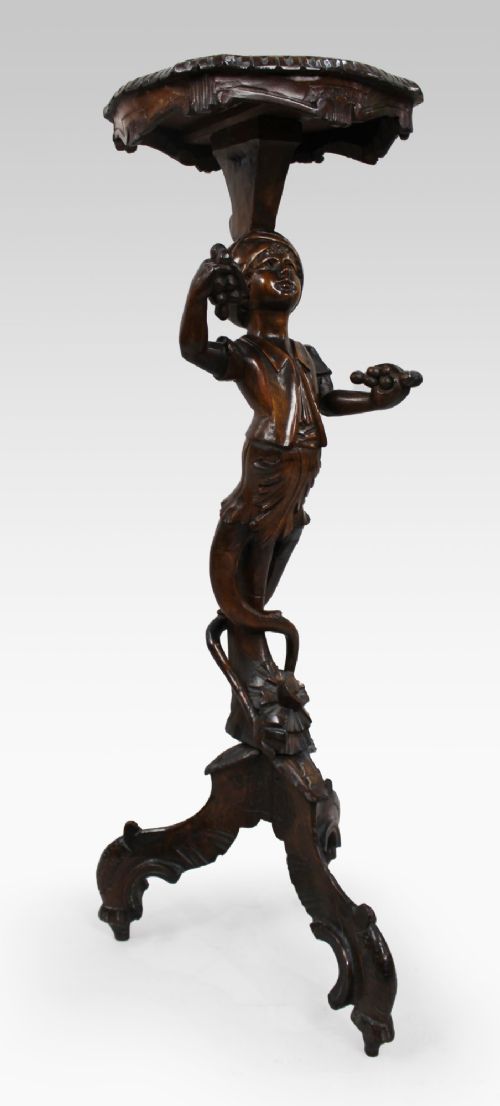
Makers produced these tall stands in various regional styles, including Georgian revivals, Venetian baroque interpretations, and Arts and Crafts designs. They served primarily to illuminate dark corners or elevate prized ornaments within period reception rooms.
How they were made
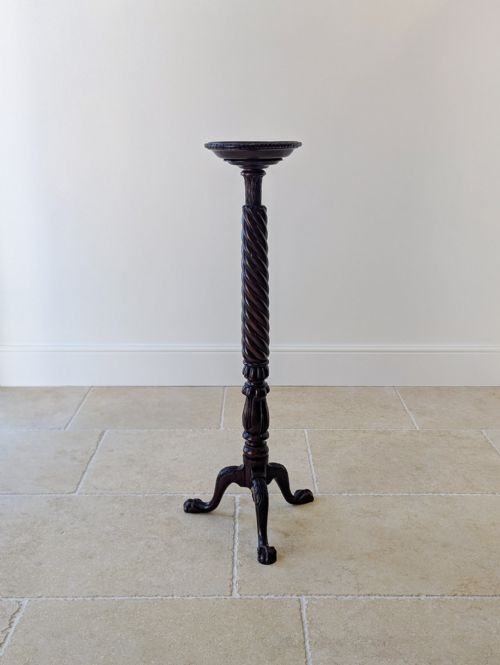
Cabinetmakers constructed these tall stands predominantly from dense timbers like mahogany, walnut, and oak, often incorporating specialist woods such as satinwood, kingwood, and assorted specimen timbers for decorative surface enrichment. Carpenters frequently turned central shafts on lathes to create slender, fluted, or reeded columns.
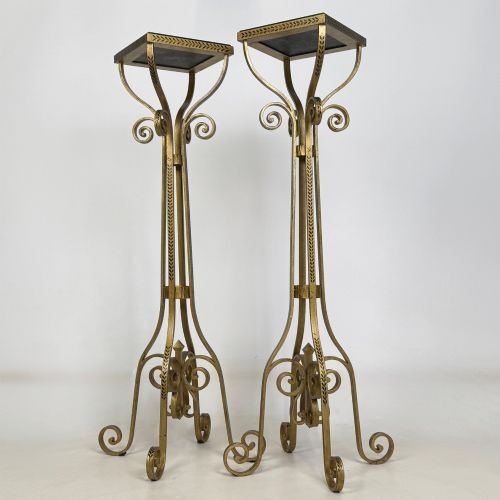
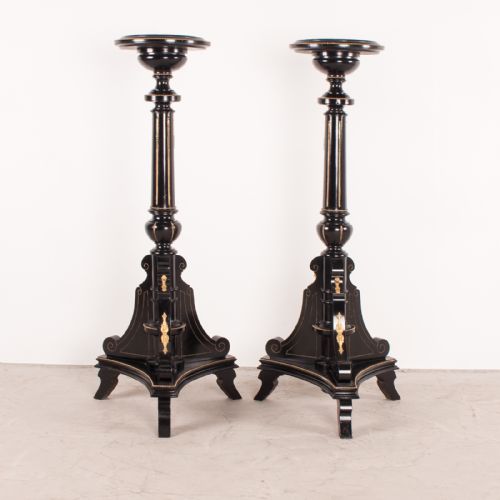
Carved wood elements, including acanthus leaves and figural motifs, required skilled hand-chiselling by artisans working within regional workshops and factories. Certain pieces integrate alternative materials such as inset marble tops, bronze mounts, and silver-plated statuary.
Surface treatments range from traditional polishing and ebonising to original painted finishes and polychrome details. Inlaid marquetry appears on refined Edwardian and Georgian revival examples, utilising contrasting veneers.
Several stands double as silent but dramatic hosts, featuring carved Blackamoor figures holding trays aloft in permanent attendance.
What varies in quality
The distinction between standard utility stands and superior examples lies in the depth and crispness of the hand-carved ornamentation upon the shaft and base. Superior pieces exhibit deeply undercut foliage, balanced proportions, and substantial timber scantlings rather than thin veneers over softer secondary woods.
Stability is paramount in tall, narrow supports; heavier bases and solid turning distinguish well-engineered columns from lighter, more precarious pieces. The integrity of original surfaces, whether polished mahogany or early paint, dictates the historical value of the stand.
Shoolbred·WMF
The Antique Torchere Pedestals Glossary
- Torchere
- A tall stand originally intended to carry a torch or candle, later adapted to support lamps, vases, or plants. The form dates back to the seventeenth century and remains slender to maximise vertical emphasis.
- Jardiniere
- A decorative receptacle or stand designed to hold a plant or flower arrangement. These containers often feature waterproof liners or raised rims.
- Plinth
- The heavy base or lower block of a column or pedestal. It provides the necessary weight distribution to keep tall stands upright.
- Vernis Martin
- A type of simulated Japanese lacquer developed in France during the eighteenth century. It uses multiple layers of varnish to achieve a translucent, lustrous finish.
Antique Torchere Pedestals: Frequently Asked Questions
What were antique torchere pedestals used for?
These tall stands were originally created to hold lighting devices such as candles or oil lamps in rooms lacking adequate wall brackets. As domestic lighting evolved, owners repurposed them to display decorative urns, sculptures, and potted plants.
Placed in corners or beside seating arrangements, they served to break up flat room perimeters by introducing vertical height and architectural interest.
How do I tell Victorian from Edwardian stands?
Victorian examples generally feature heavier proportions, darker polished mahogany, and robust carvings such as acanthus leaves or barley-twist columns. They project a sense of solid, imposing weight.
Edwardian stands often display lighter satinwood, delicate inlay work, and slender profiles influenced by neoclassical revivals. The aesthetic shifts towards brightness and refined elegance.
Are these stands stable enough for plants?
Most antique pedestals are engineered with weighted bases or broad footings to support the downward load of a heavy plant or vase. However, tall and narrow forms require sensible placement away from high-traffic walkways.
When positioning a heavy planter, verify that the central column connects securely to the top platform and base without wobble.
How do I care for wooden plant stands?
Protect the timber surface from moisture by placing waterproof saucers beneath any potted plants resting on the top platform. Wipe away condensation immediately to prevent water rings on polished mahogany or walnut.
Apply a traditional beeswax polish periodically to nourish the wood and maintain the natural lustre of the period finish.