

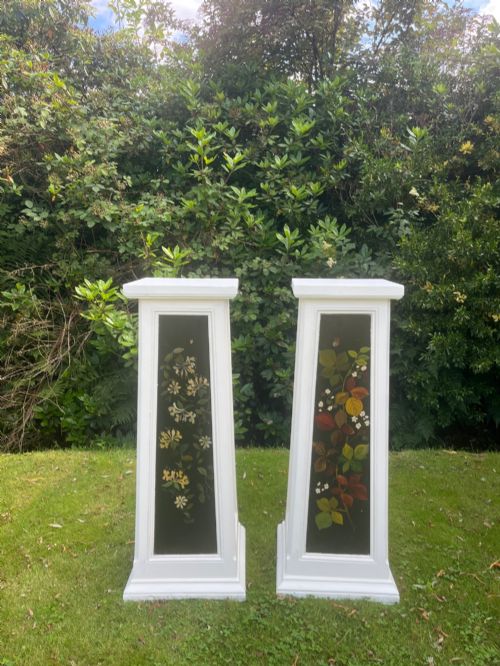
Victorian Pedestal Pair
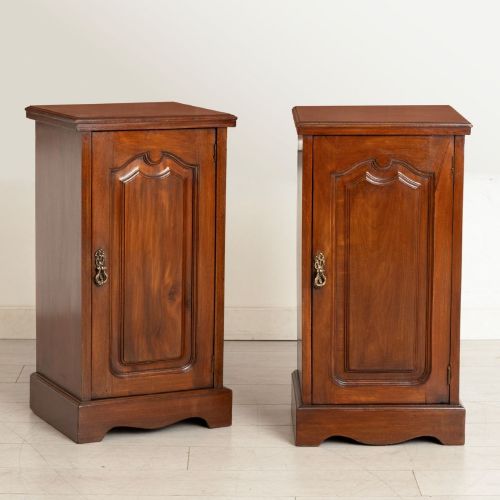
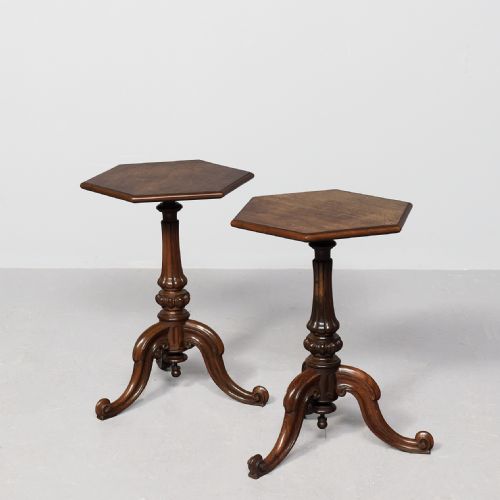
A victorian pedestal pair brings symmetrical balance and formal presence to a room, functioning as twin display stands or matching bedside storage.
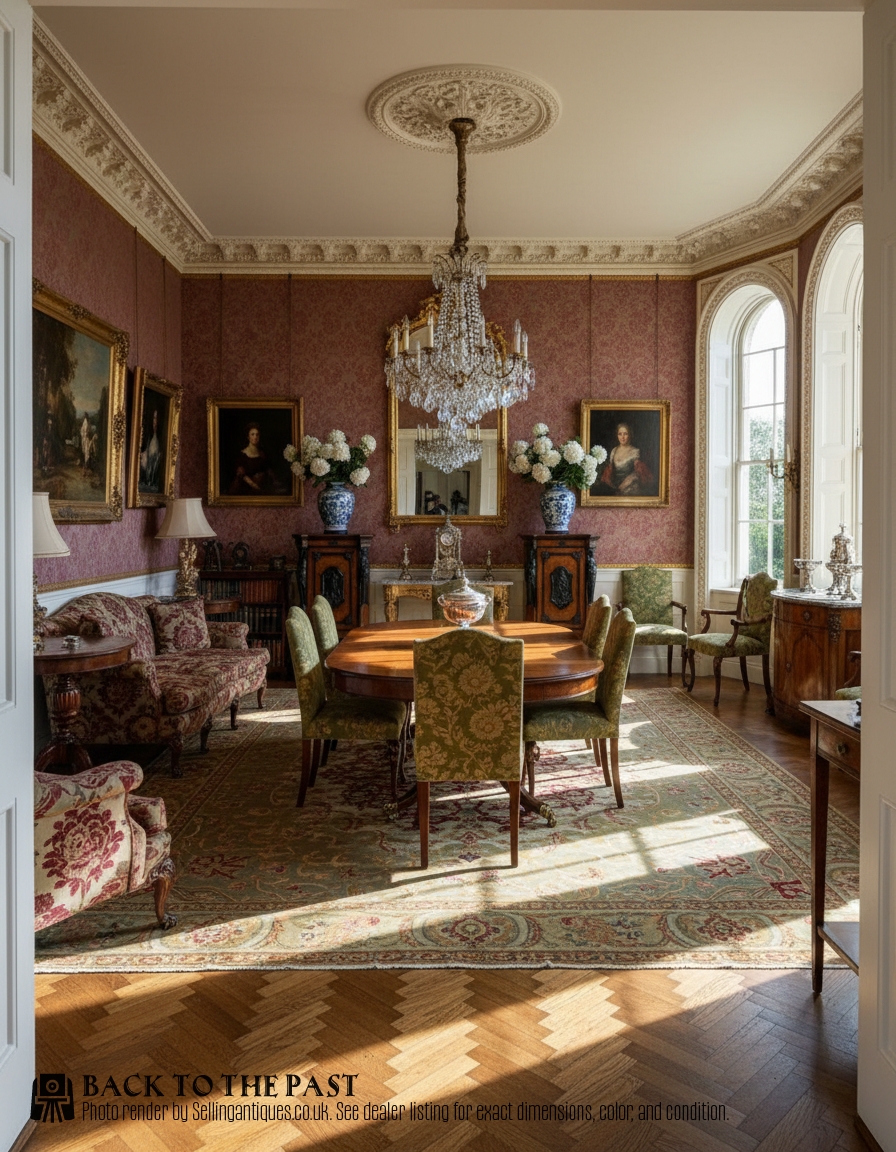
Victorian Pedestal Pair
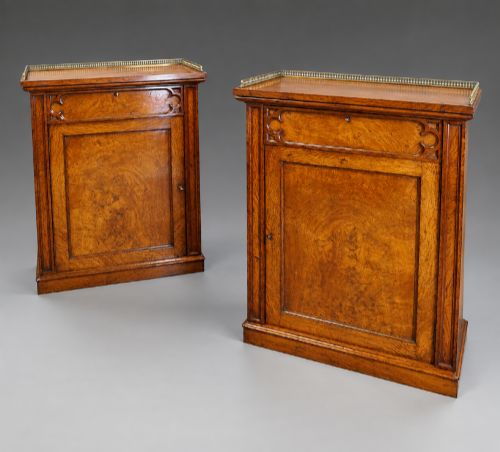
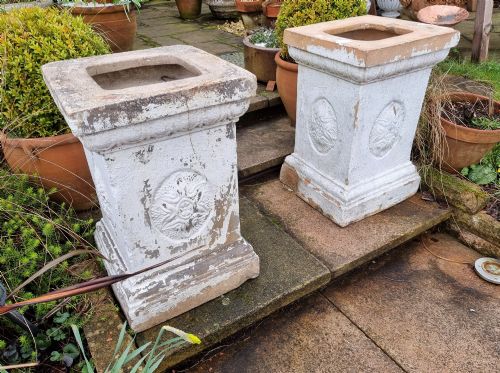
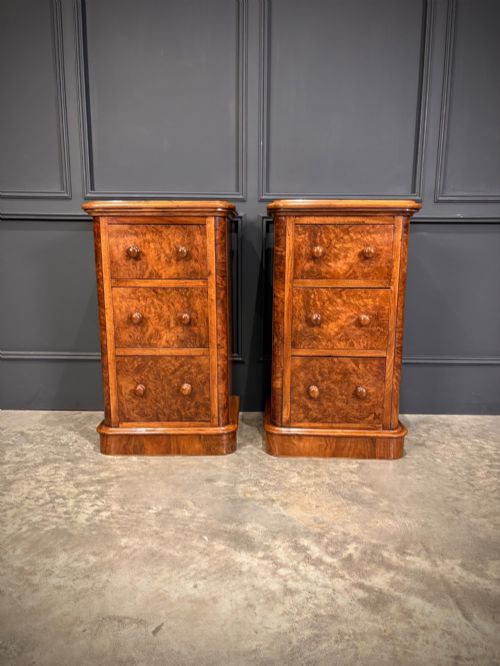
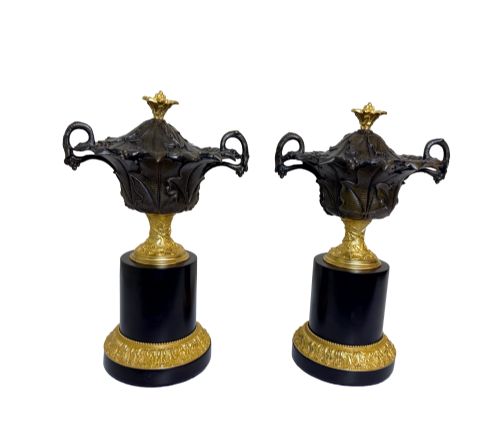
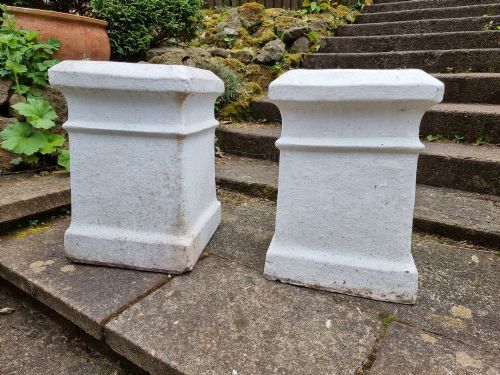
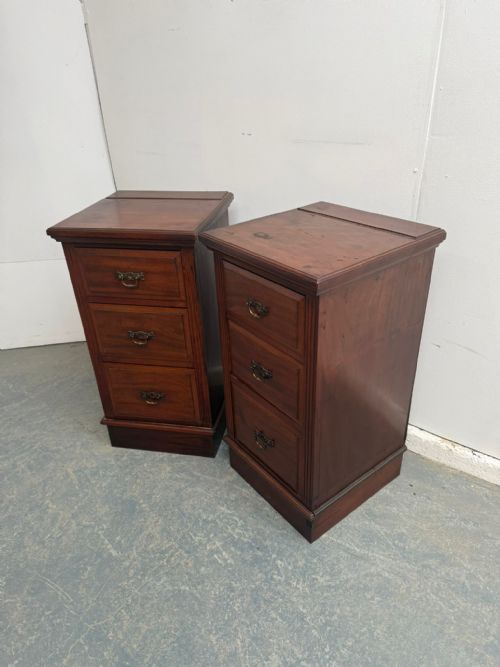
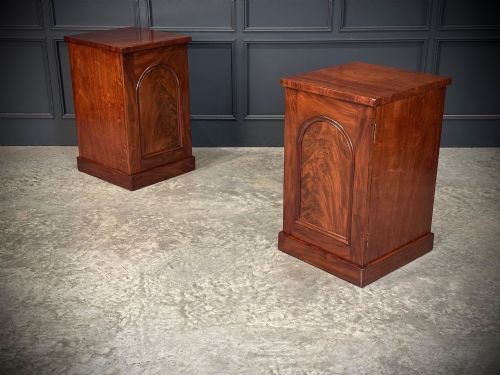
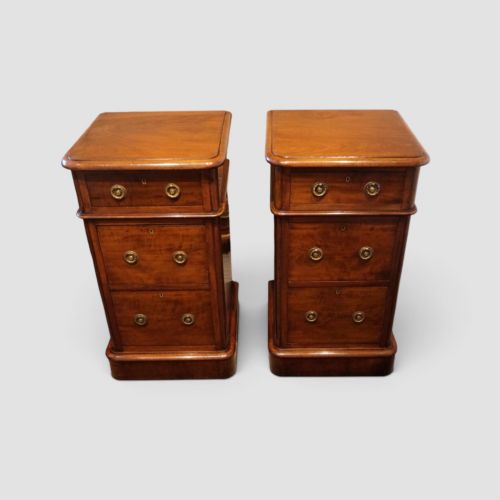
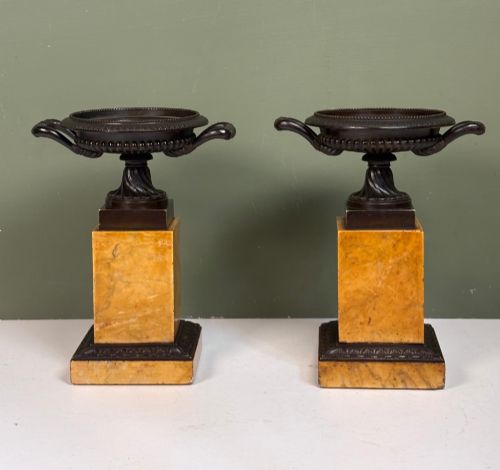
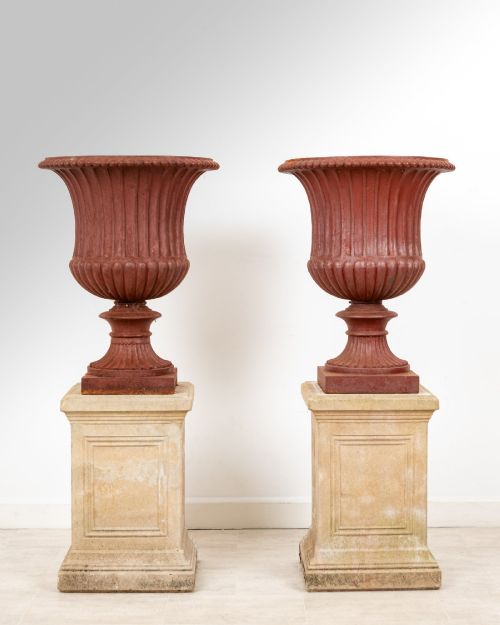
A victorian pedestal pair encompasses a wide assortment of matched supports, tables, and cabinets designed to elevate objects or furnish bedrooms and drawing rooms. The selection ranges from slender torcheres and plant stands to robust bedside chests of drawers and garden campana urns.
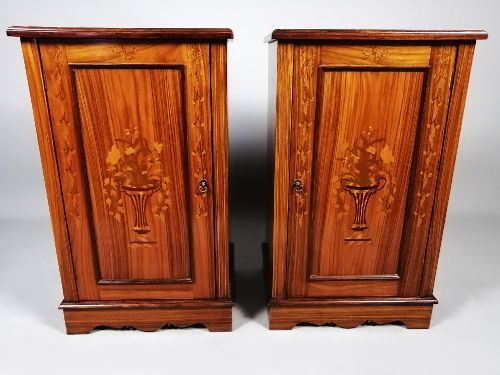
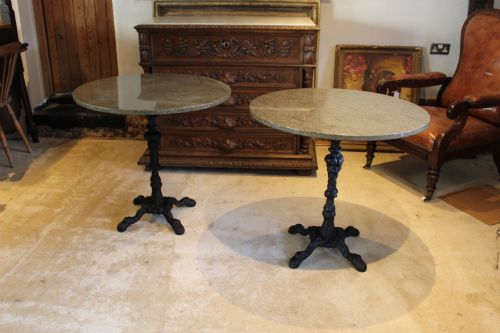
Indoor domestic variations such as mahogany and walnut bedside cabinets appear frequently alongside decorative architectural columns, marble-topped display pedestals, and cast iron garden ornaments.
Materials and Construction
Cabinet makers utilised dense hardwoods like mahogany, rosewood, and walnut, often employing flame veneers and marquetry inlay to create striking figured surfaces on bedside lockers and cupboards.
Outdoor and monumental pieces relied on durable metals and stone, incorporating cast iron, bronze, terracotta, scagliola, and marble to withstand garden environments or support heavy porcelain and metal vessels.
Among the stately mahogany and ironwork, a pair of revolving passenger chairs once sailed on ocean liners.
Material Depth and Joinery
Quality rests in the selection of timbers and secondary materials, where heavily figured burr walnut, amboyna, or intricate brass mounts elevate the piece far beyond standard utility furniture.
The precision of construction distinguishes finer examples, visible in tight dovetail joints on drawers, crisp carving on torcheres, and the substantial weight of genuine marble or cast bronze bases.
Dunfermline Clay Company·Coalbrookdale·Helena Wolfsohn·Ridgeways·Maple
The Victorian Pedestal Pair Glossary
- Torchere
- A tall, slender standing pedestal or lamp-stand originally designed to hold a candle torch. These decorative supports frequently elevate plants or sculptural urns.
- Campana
- A bell-shaped garden urn or vase form originating from classical antiquity. They are frequently cast in iron or formed from terracotta on stone plinths.
- Marquetry
- The art of applying decorative veneer pieces in wood to form intricate geometric or floral patterns. It appears frequently on nineteenth-century cabinet doors and tabletops.
- Scagliola
- A composite material made from glue, plaster, and pigments that mimics marble and other rich stone. Craftsmen used it to create ornate, smooth pedestal columns.
Victorian Pedestal Pair: Frequently Asked Questions
How do I distinguish bedside chests from display columns?
Bedside variations incorporate enclosed cupboards or stacking drawers designed for personal storage beside a sleeping berth.
Display columns and plant stands feature open shafts, capitals, and flat tabletops intended strictly to elevate decorative objects rather than store items.
Where should I place a heavy pedestal pair?
Sturdy marble-topped or cast iron garden urns suit hallways, conservatories, and patios where moisture and weight present no structural challenge.
Interior wooden cabinets and torcheres anchor bedroom flanks or frame architectural doorways and fireplaces to achieve balanced interior symmetry.
How do I care for nineteenth-century polished wood surfaces?
Protect delicate mahogany, rosewood, and walnut finishes from direct sunlight and extreme temperature shifts to prevent veneer lifting and timber splitting.
Apply gentle beeswax periodically and polish with a soft cloth to maintain the natural lustre of the antique grain without chemical buildup.