
Display Column Stand
A display column stand elevates sculpture or ceramics, bringing height and proportion to an interior through classical forms and rich materials.
Display Column Stand
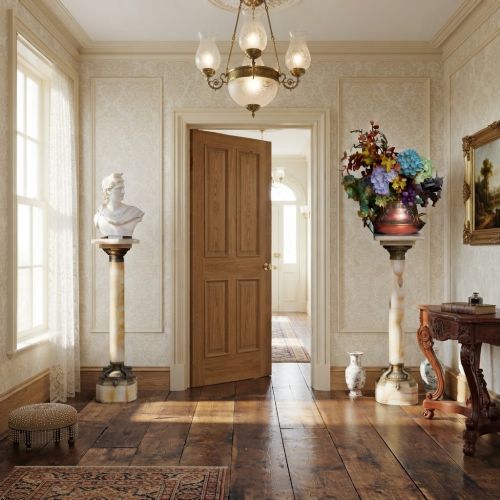
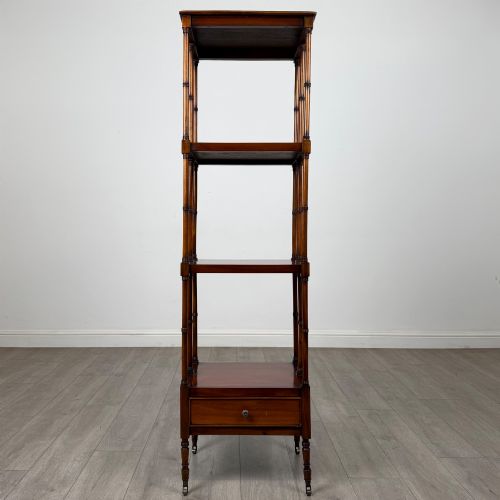
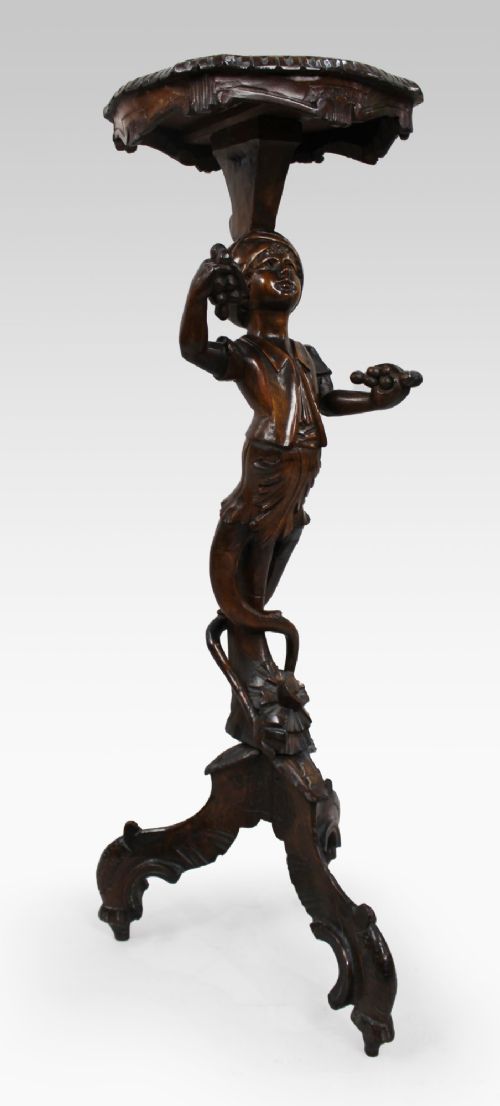
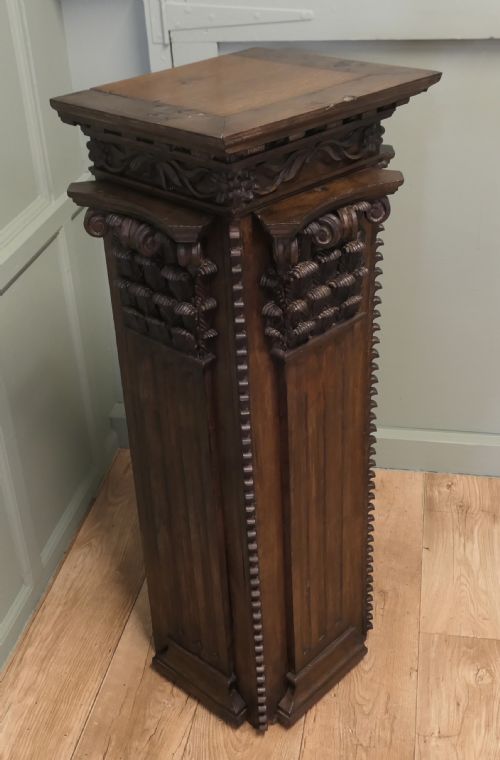
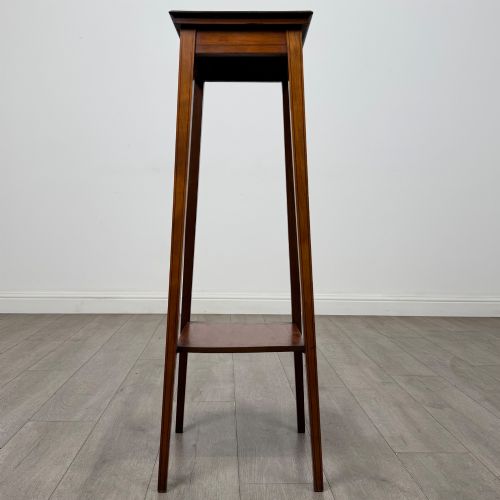
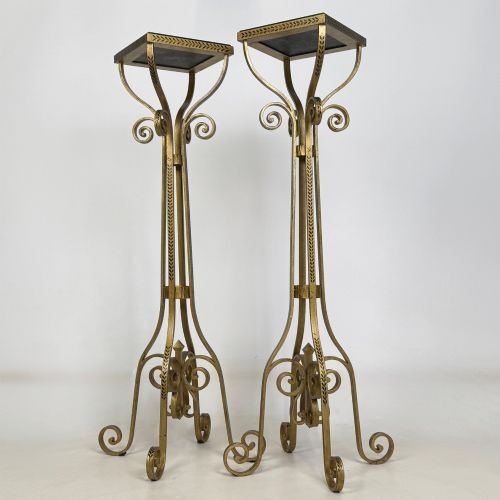
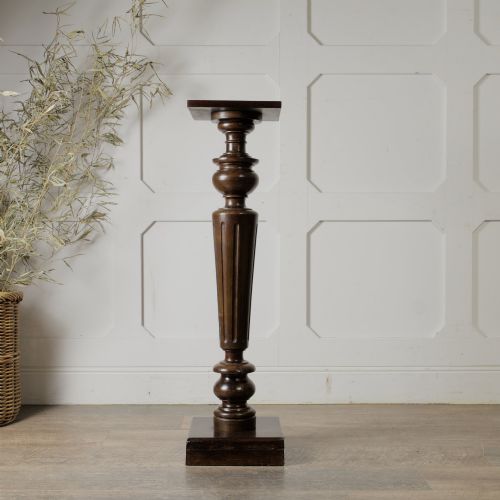
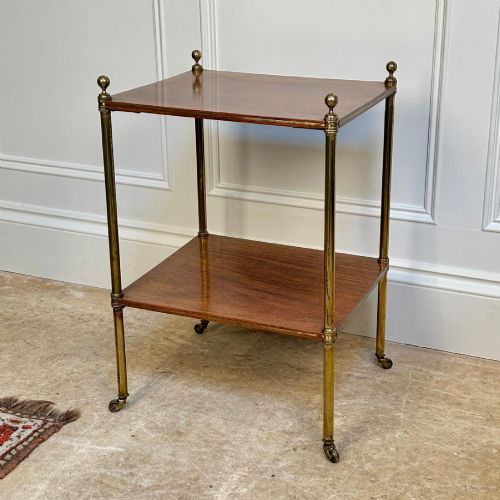
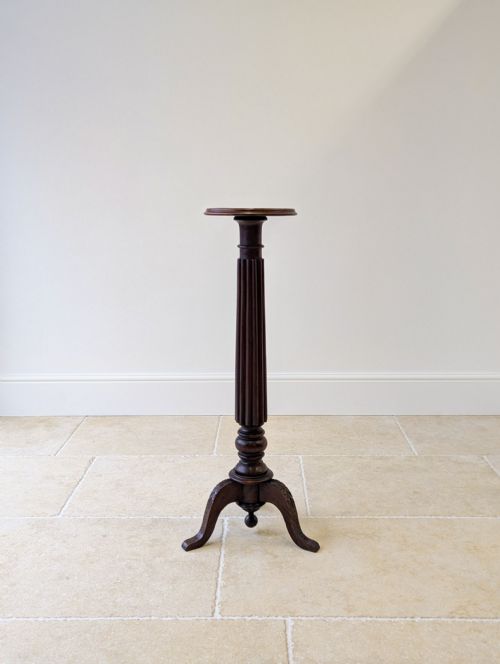
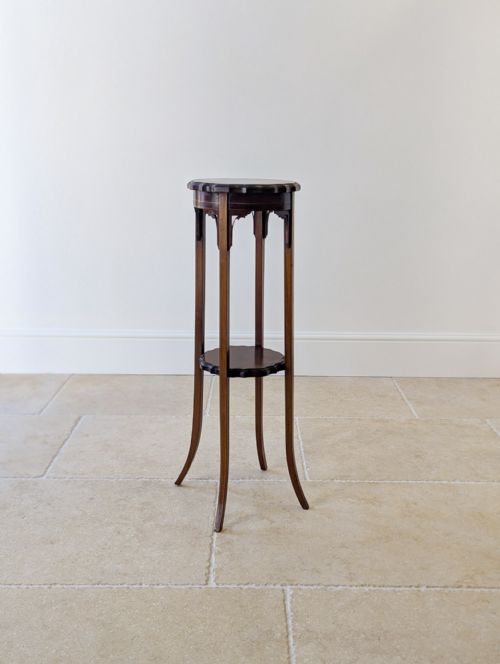
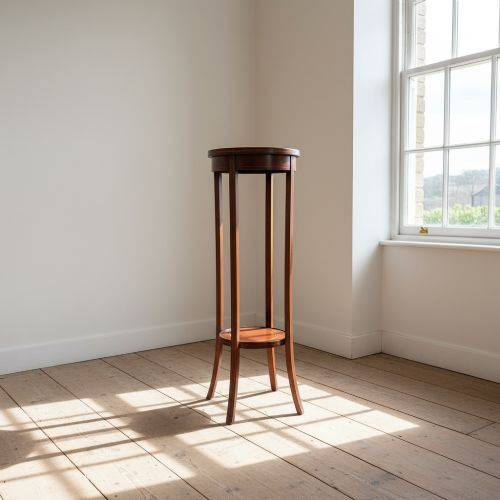
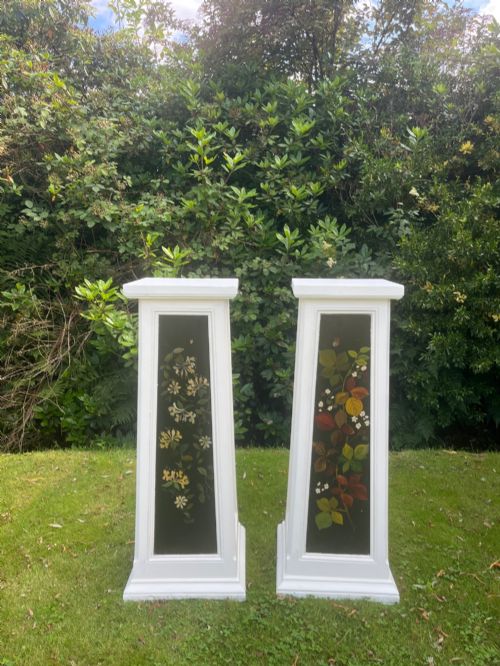
A display column stand functions as a vertical stage for decorative objects, taking the form of pedestals, plant stands, torcheres and multi-tiered whatnots. These pieces emerge primarily from the nineteenth century, spanning Regency, Victorian and Edwardian periods.
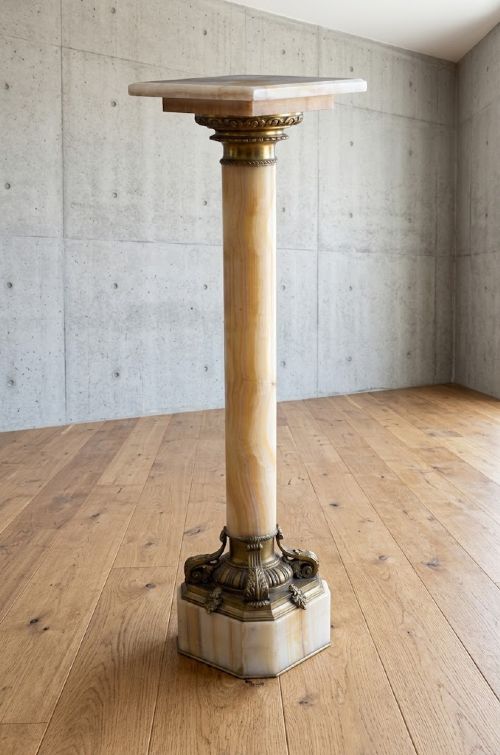
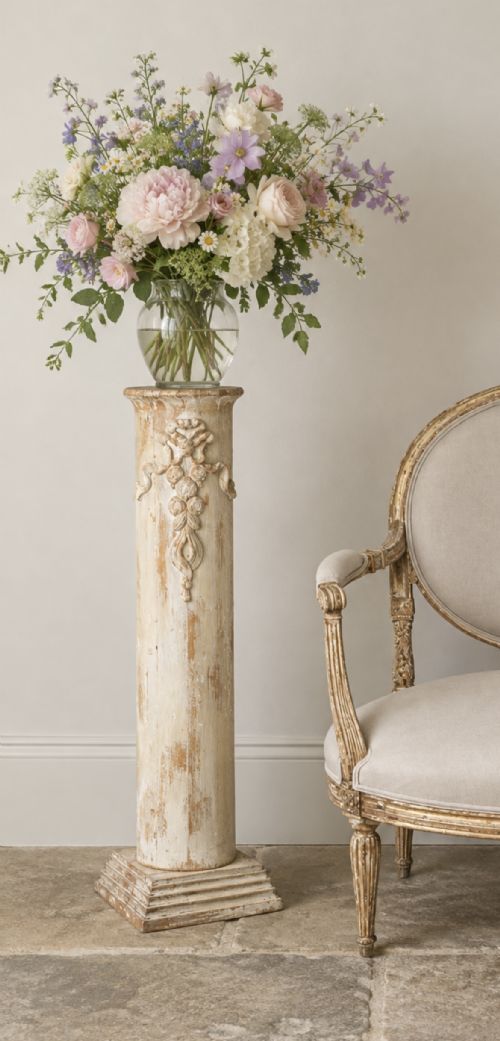
The most common examples encountered on this page are mahogany plant stands and marble columns. Makers from these eras utilised turned wood and polished stone to support busts, urns and floral arrangements.
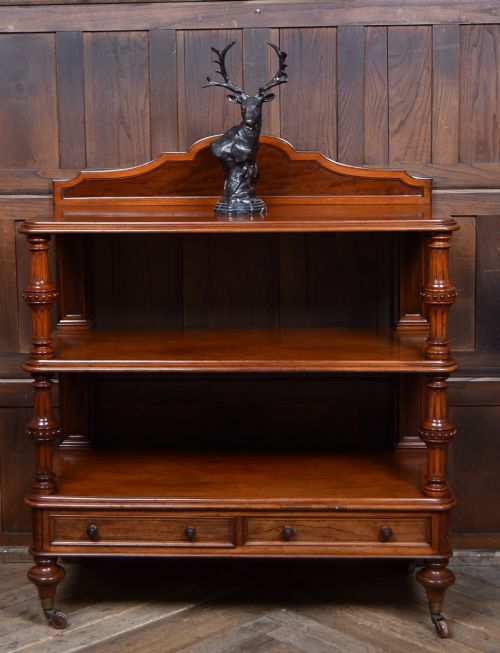
Forms range from slender single-shaft columns to tiered étagères and open bookcases. Each variant serves to lift objects from the floor, creating focal points within a room.
How they were made
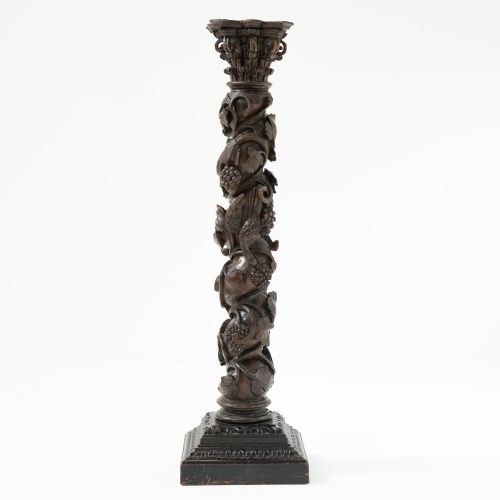
Construction relies heavily on dense timbers such as mahogany, walnut, satinwood and rosewood, often turned on a lathe or intricately carved. Cabinetmakers paired these woods with brass details, paint and inlay.
Among the stately timber columns and classical marble shafts, a taxidermy antler torchiere waits to hold your morning coffee.
What varies in quality
The distinction between standard utility pieces and finer examples lies in the selection of materials and the depth of carving. Solid marbles, exotic veneers and crisply defined capitals separate workshop productions from simpler items.
Proportion and architectural integrity dictate visual success. Pieces that balance heavy stone tops with stable, well-balanced bases demonstrate superior design and execution.
Shoolbred
The Display Column Stand Glossary
- Torchere
- A tall, slender stand designed to hold a light or a decorative object. These pieces frequently feature carved wooden stems or brass mounts.
- Whatnot
- A piece of furniture consisting of multiple open shelves for displaying ornaments. They appear in mahogany and walnut across the nineteenth century.
- Scagliola
- A composite material made from selenite, glue and pigments, mimicking true marble. Artisans applied this technique during the Grand Tour period to create decorative columns.
- Solomonic
- A helical or spiral twist applied to a column shaft. This classical motif appears on carved wooden pedestals.
- Ormolu
- Gilt-bronze mounts applied to furniture and stone columns. French pieces frequently incorporate these metallic collars.
Display Column Stand: Frequently Asked Questions
What fits on a display column stand?
These stands accommodate marble busts, bronze sculptures, heavy ceramic urns and potted plants. The flat top surface secures the object at eye level.
Larger platform tops allow for asymmetrical arrangements, while smaller round capitals suit single portrait busts or tall vases.
How do I choose between wood and marble?
Mahogany and walnut stands introduce warmth and grain texture to a room, fitting traditional and academic interiors. They suit organic forms like plant pots and carved wood figures.
Marble and onyx columns offer classical architectural presence and cooler tones. They provide a stable, weighty foundation for heavy stone or bronze sculptures.
Where should I place a torchere stand?
Torcheres work effectively in corners or flanking doorways where vertical height draws the eye upward. Their slender profiles require minimal floor space.
Pairing matching stands on either side of a fireplace or console creates symmetry in a formal reception room.
How do I identify nineteenth-century pieces?
Nineteenth-century examples display characteristic timber ageing, hand-turned elements and traditional joinery methods. Regency and Victorian pieces often incorporate classical revival motifs.
Materials like scagliola, ormolu collars and specific regional marbles point directly to Victorian workshop practices and Grand Tour influences.