


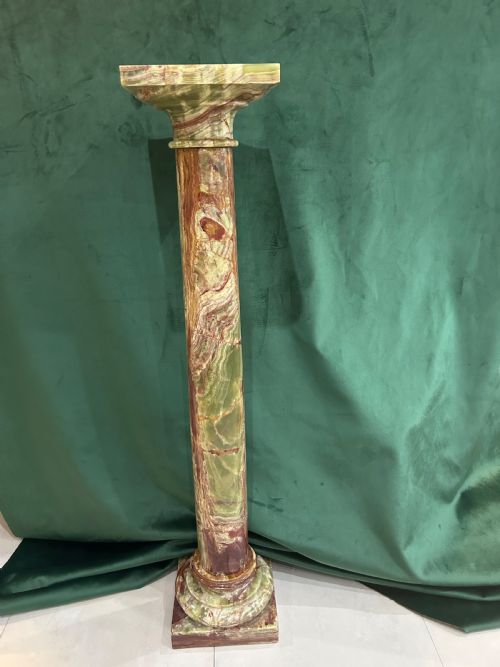

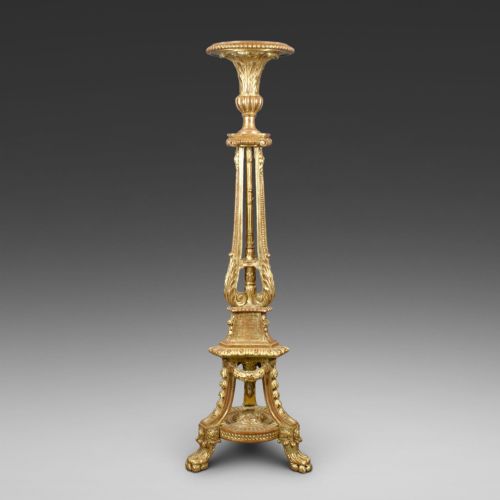


Classical Standing Torchere
A classical standing torchere brings height and architectural dignity to a room, holding a light or displaying an ornament upon a slender column.
Classical Standing Torchere
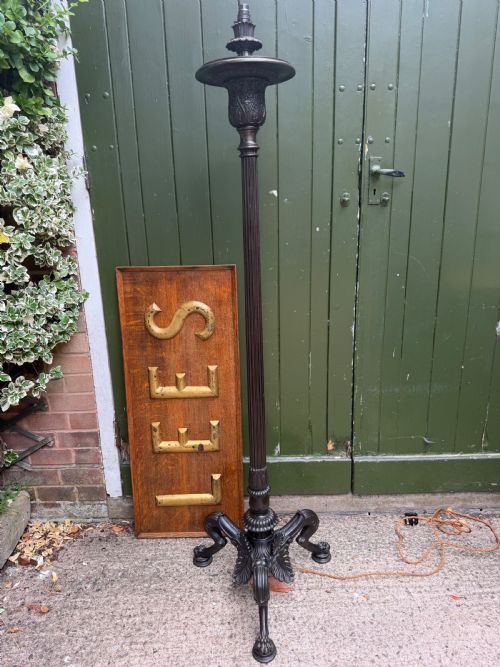
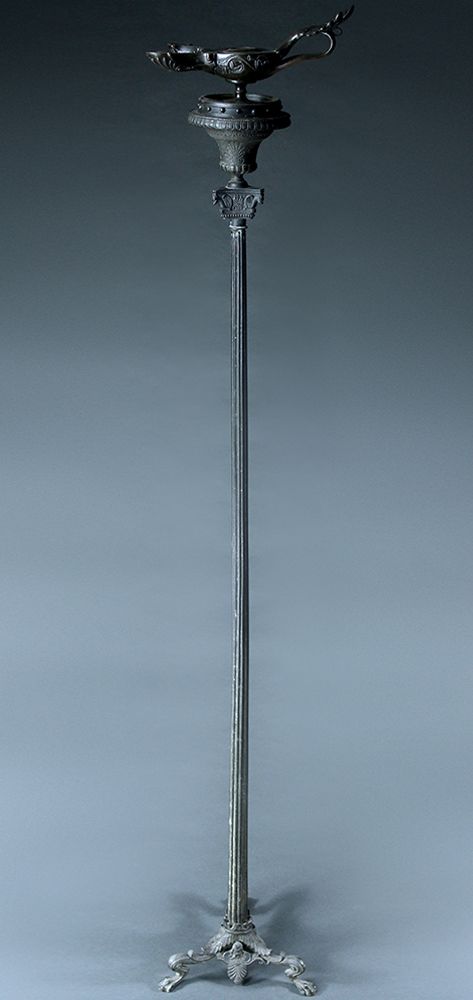
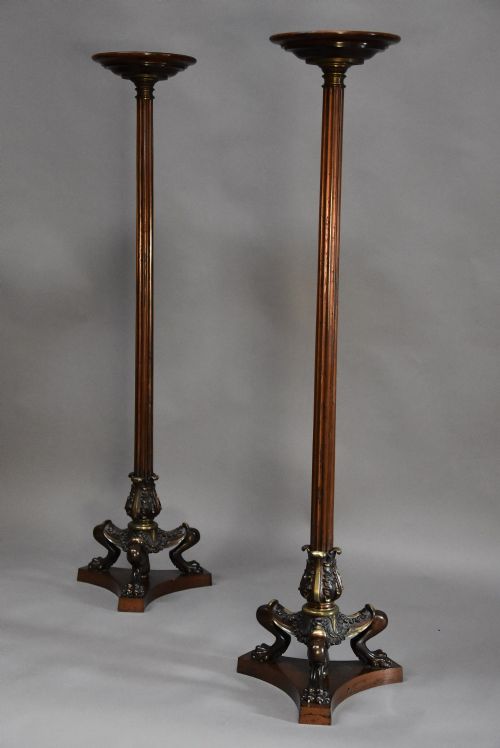
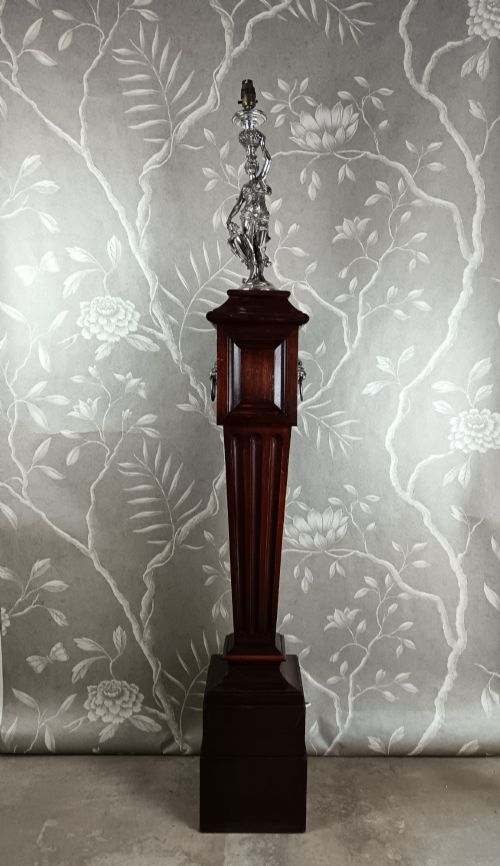
A classical standing torchere is a tall support designed to elevate a light source or an object of display, taking the form of a column, pedestal, or standard lamp. When you search for a classical standing torchere, you encounter tall stands and floor lamps spanning the eighteenth, nineteenth, and early twentieth centuries.
The materials reflect the classical vocabulary of these pieces, utilising carved wood, mahogany, bronze, brass, marble, gesso, and onyx. Makers drew upon Regency, Victorian, Neoclassical, and Edwardian styles to shape these vertical supports.
The forms range from painted and gilded pine and carved giltwood to cast-iron, bronze-patinated standards, and onyx columns. Many pieces adopt revival idioms, referencing the eighteenth century or ancient Pompeian and Grecian designs.
Distinctions in Quality
The distinction between standard production and exceptional execution lies in the sharpness of the carving and the quality of the materials. Hand-carved giltwood and finely chased bronze display an articulation of detail that mechanical casting or simple turning lacks.
Material selection dictates the presence of the piece, with solid marbles, dense mahoganies, and heavy cast bronzes offering greater substance than painted pine or plated substitutes. Signed works and identified makers elevate the standing of a torchere beyond domestic utility into documented craftsmanship.
Listings feature pieces spanning the eighteenth to the twentieth centuries, employing mahogany, bronze, marble, onyx, and giltwood.
WMF·Humphrey Hopper·Coutan
The Classical Standing Torchere Glossary
- Torchere
- A tall stand or floor lamp originally intended to carry a torch or candle, evolving to support electric lighting or decorative vessels. These vertical pieces provide illumination or display height.
- Neoclassical
- A style drawing upon the classical art and architecture of ancient Greece and Rome. This idiom informs the proportions, columns, and decorative motifs seen across many nineteenth-century stands.
- Gesso
- A plaster-like mixture applied to wood surfaces as a base for painting or gilding. It allows craftsmen to carve intricate relief ornamentation before applying gold leaf.
- Patinated
- A surface treatment or aged coloration applied to metals or wood to enhance texture. Bronze standards frequently exhibit a dark, applied patination to simulate antiquity.
- Regency
- A British design period spanning the early nineteenth century characterised by Greco-Roman revival themes. Pieces from this era employ simulated marble, giltwood, and classical column forms.
Classical Standing Torchere: Frequently Asked Questions
What is a classical standing torchere used for?
A classical standing torchere functions as a tall support for a lamp, candle, or display object, elevating the light source or ornament to create vertical emphasis in a room.
Historically, these pieces held illumination in grand rooms, while surviving examples frequently serve as floor-standing lamps or decorative plant stands.
How do I identify a Regency torchere?
Regency torcheres often display strict classical proportions, drawing inspiration from ancient Greek and Roman architecture through columns, tripods, and patinated bronze.
They frequently employ materials like mahogany, giltwood, and painted simulated marble to achieve the characteristic aesthetic of the early nineteenth century.
Are these pieces wired for electricity?
Many standing torcheres and standard lamps from the nineteenth and twentieth centuries have been adapted to hold electrical fittings for modern interior lighting.
Some retain their original configuration as candle-lamps or pedestals, while others show later conversions from oil or candle to electric service.
What materials are typical for these stands?
The materials include hardwoods such as mahogany and oak, alongside softer pine prepared with gesso for gilding and painting.
Heavier examples incorporate cast bronze, brass, carved marble, and onyx columns to provide stability for the tall, slender shaft.