

Antique Bronze Column
These heavy, classical supports carry history in metal and stone, offering an antique bronze column to ground a room with architectural weight.
Antique Bronze Column
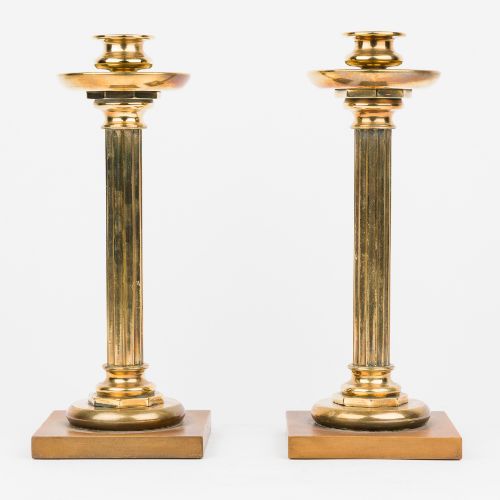
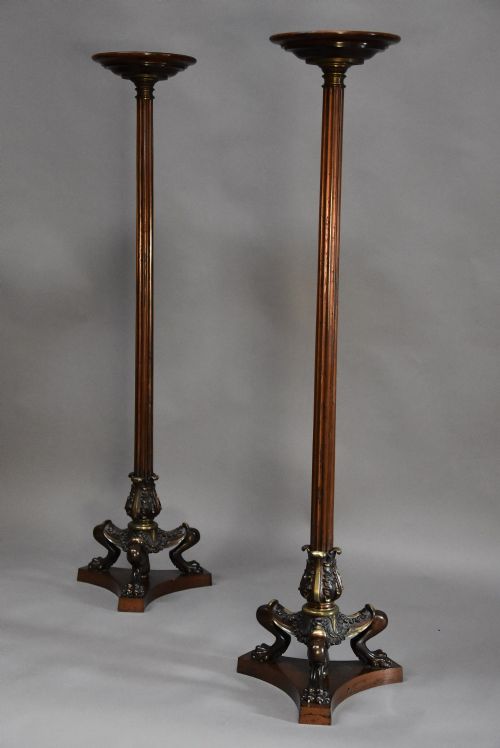
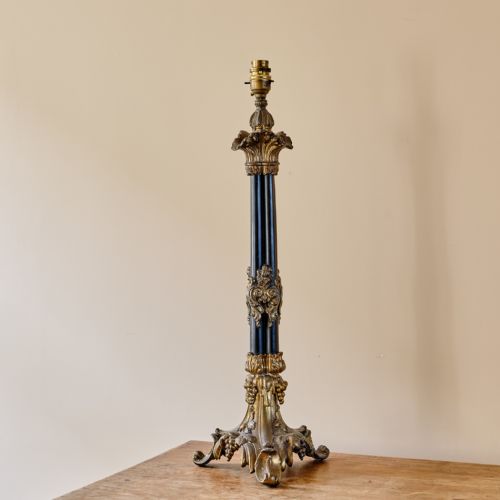
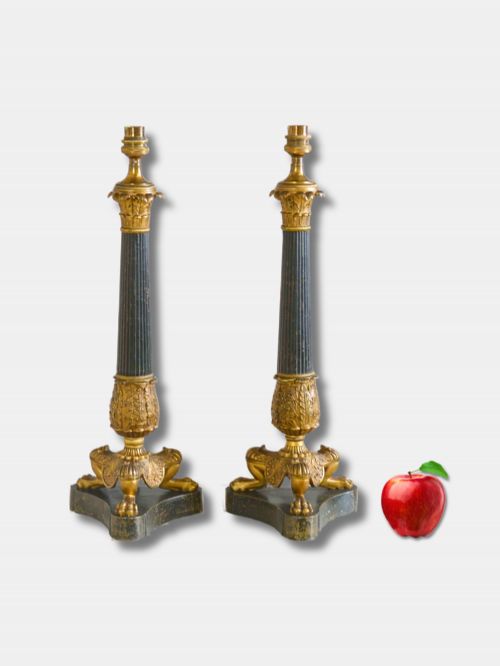
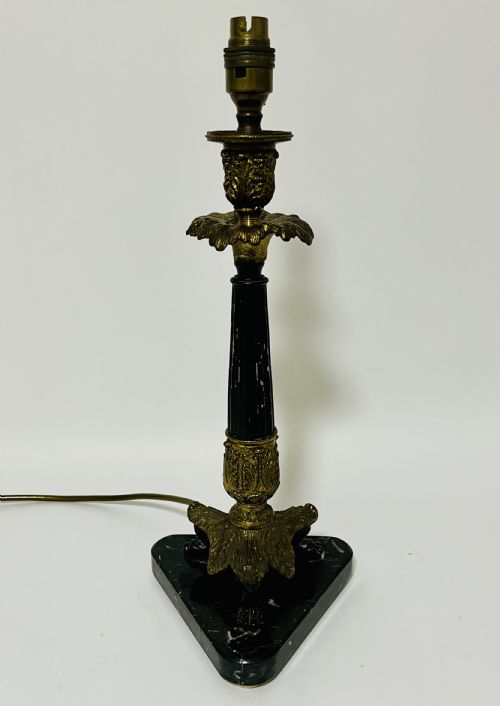
When you search for an antique bronze column, you encounter pieces spanning domestic lighting, grand tour souvenirs, and heavy furniture supports. The selection ranges from towering pedestals and torcheres to smaller table lamps and miniature models of famous Roman and Parisian monuments.
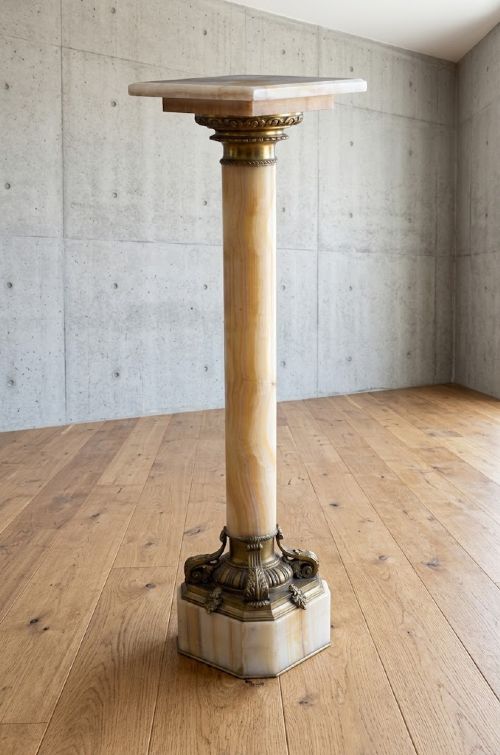
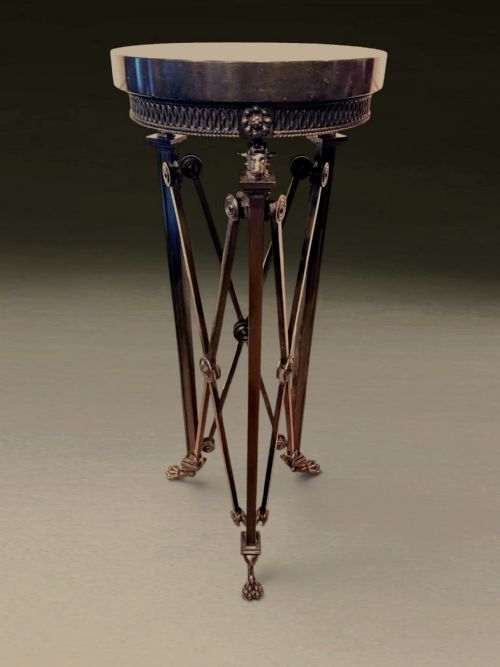
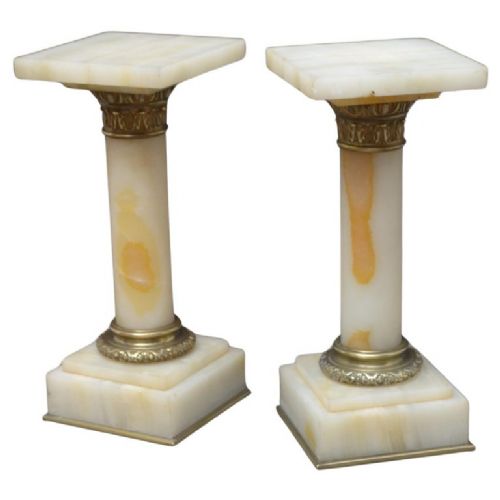
Nineteenth-century examples dominate the offerings, heavily influenced by Neoclassical, French Empire, and Regency styles. These items frequently combine cast metal shafts with contrasting bases of marble, onyx, or mahogany, reflecting the period's obsession with classical antiquity.
Materials and construction methods
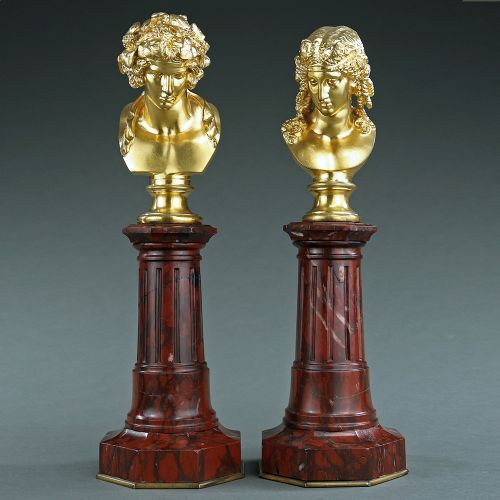
Foundry work relied on traditional casting methods to produce the bronze components, which were then finished with patination, gilding, or ormolu collars. These metal sections were frequently combined with turned stone elements such as marble and onyx, or decorative woods.
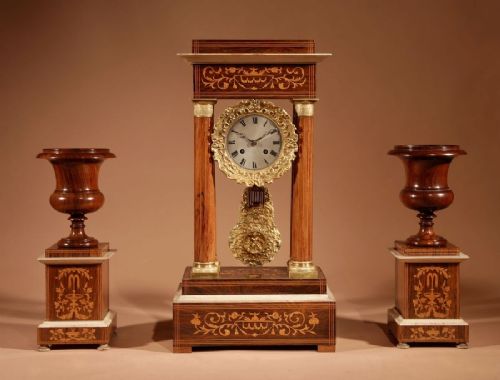
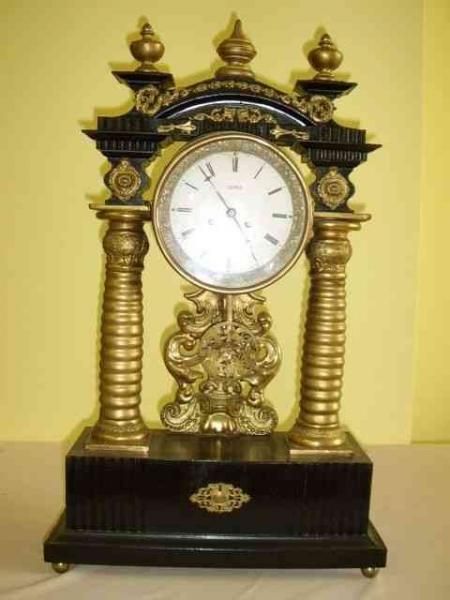
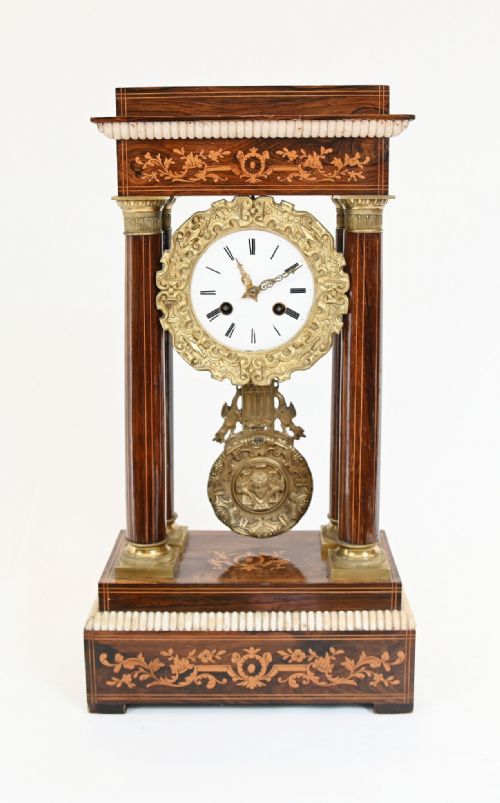
Makers integrated functional elements like electrical fittings into older lamp conversions later in the Victorian and Edwardian eras, while clockmakers housed movements within architectural portico frames supported by these vertical shafts.
Listings feature items spanning the 18th, 19th, and early 20th centuries, executed in bronze, ormolu, brass, marble, onyx, and glass.
Determining quality and execution
The crispness of the casting work separates standard production from exceptional pieces, particularly in the rendering of capitals, fluting, and figural mounts. Finer items exhibit sharp chisel work on ormolu details and substantial weight in the underlying bronze.
Material selection significantly influences the grade of a piece, with dense marbles, unblemished onyx, and rich gilt finishes marking superior examples from the 18th and 19th centuries compared to later, lighter brass adaptations.
Philippes Paris·Joseph Hinks·Humphrey Hopper·George Smith·Thomas Hope·Paul Ponsard·Breguet
The Antique Bronze Column Glossary
- Ormolu
- Gilt bronze, typically referring to finely chased and gilded metal mounts applied to furniture, clocks, and lamps during the 18th and 19th centuries.
- Torchere
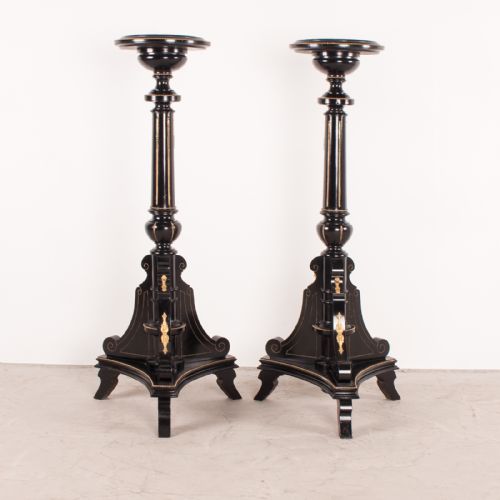
- A tall stand or floor lamp designed to hold a light source, often taking the form of an elaborate classical column.
- Portico clock
- A mantel clock featuring a dial housed within a classical architectural frame supported by vertical pillars.
- Grand tour
- A cultural journey undertaken by wealthy young Europeans, resulting in the collection of miniature bronze monuments and classical antiquities.
- Neoclassical
- A Western cultural movement drawing inspiration from the art and culture of classical antiquity, heavily featuring columns and architectural motifs.
Antique Bronze Column: Frequently Asked Questions
What were antique bronze columns used for?
Many of these pieces served as structural lighting supports, such as torcheres, table lamps, and candelabra, providing illumination in high-ceilinged period rooms.
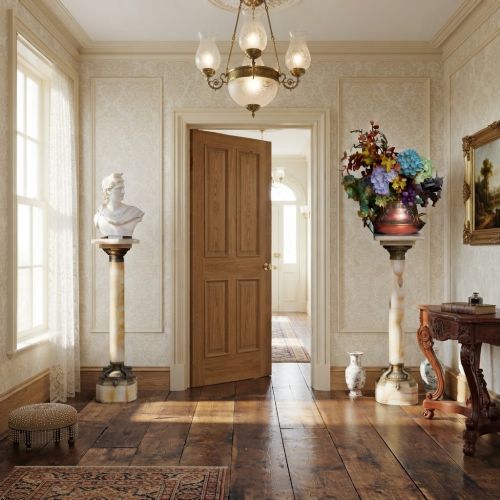
Others functioned purely as decorative pedestals for displaying busts and sculptures, or formed the architectural framework for French mantel clocks.
How do I date an antique column?
Dating relies heavily on the underlying materials, casting techniques, and prevailing stylistic influences, such as Regency or French Empire.
Examining the assembly methods, fasteners, and wiring or movement components helps narrow down whether a piece originates from the 18th century or later revivals.
Are these columns solid bronze?
Most examples combine a cast bronze or brass upper section with a substantial heavy base made of marble, onyx, or ebonised wood to ensure stability.
Many grand tour models and table lamps feature hollow bronze shafts or internal iron rods that secure the various stacked components together.
How should I place one in a modern interior?
These vertical architectural elements work effectively as freestanding pedestals in corners or as statement table lamps on heavy sideboards.
Their classical proportions add immediate visual weight and height to a room, pairing well with both period furniture and minimalist contemporary decor.