

Dark Bronze Plinth
A dark bronze plinth supports classical figures, animals, and architectural reductions cast across the nineteenth and early twentieth centuries.
Dark Bronze Plinth
When you search for a dark bronze plinth, you encounter metal sculptures, urns, and animalier studies mounted directly onto stone bases. These works span from seventeenth-century founder pieces to nineteenth-century Grand Tour souvenirs and early twentieth-century modernist casts.
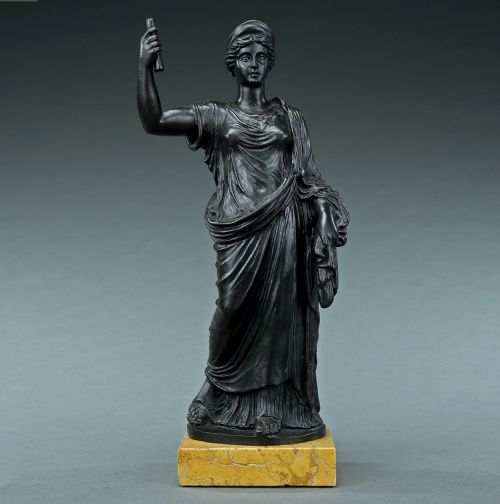
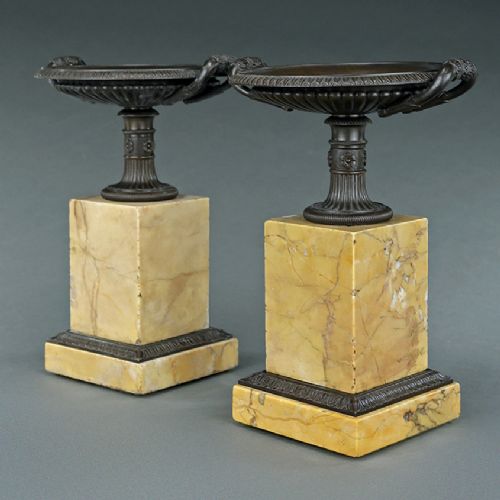
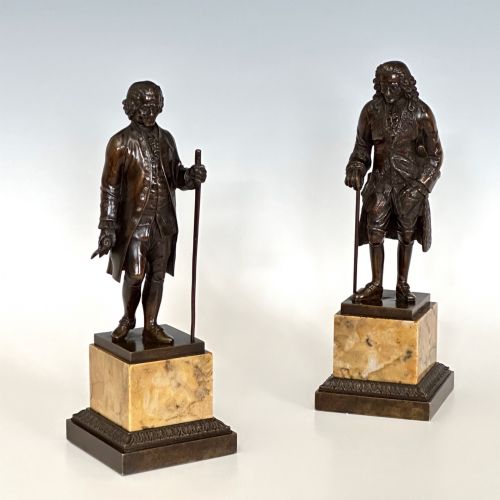
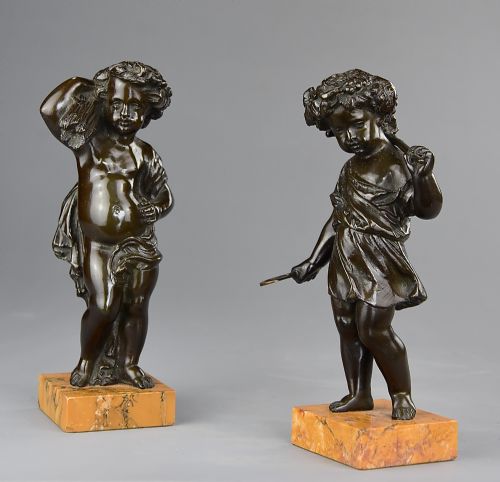
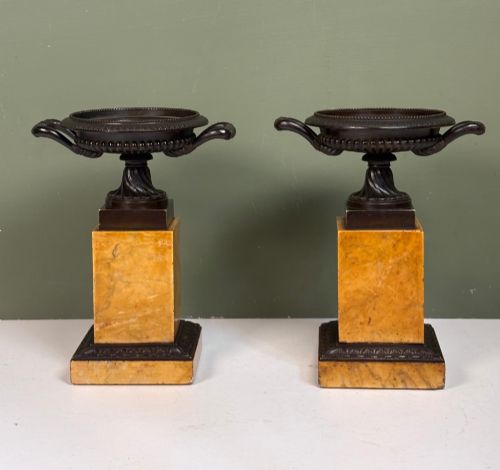
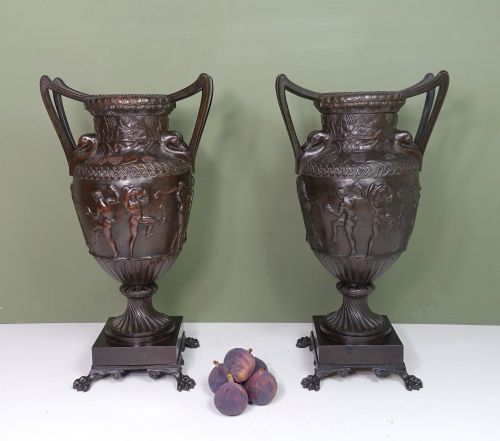
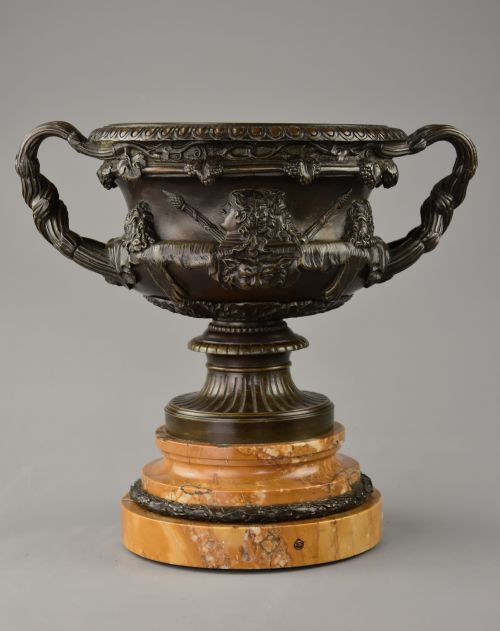
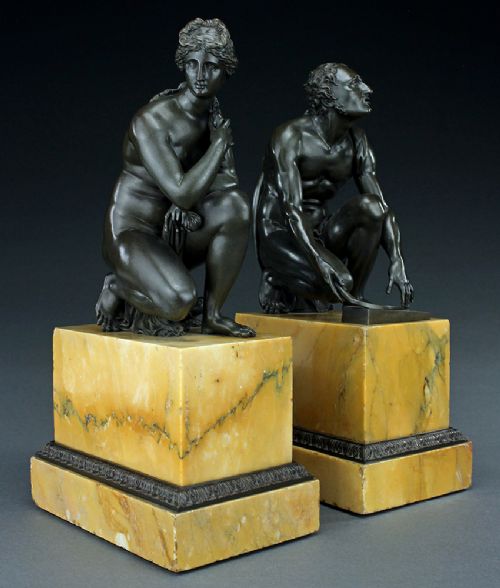
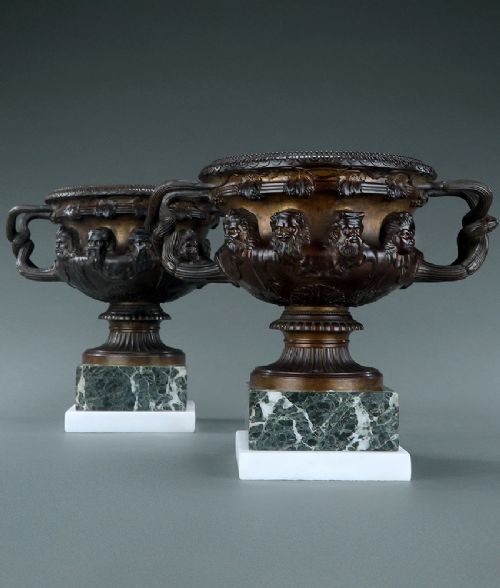
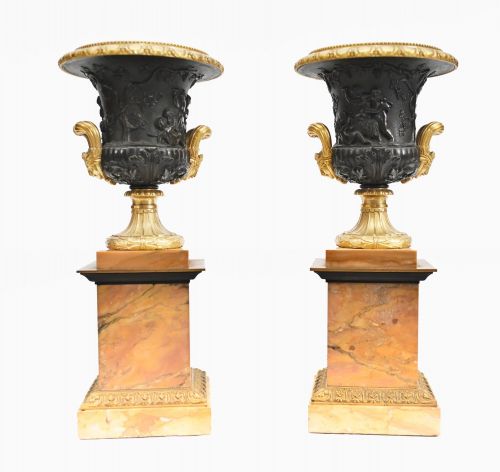
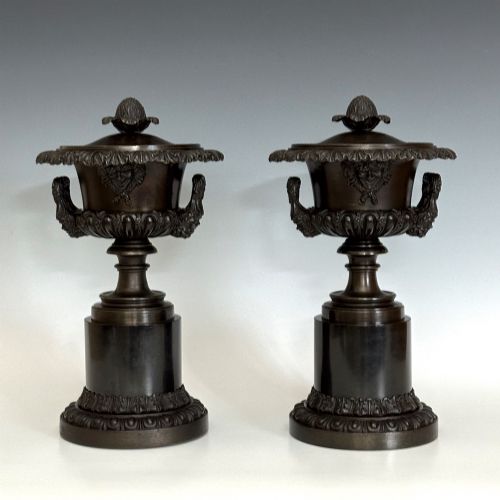
The version you meet most frequently on this page is the nineteenth-century bronze figure or campana urn raised on a marble or sienna marble plinth. These items originated as classical revivals, decorative library ornaments, or European travel souvenirs modelled after antique sculpture.
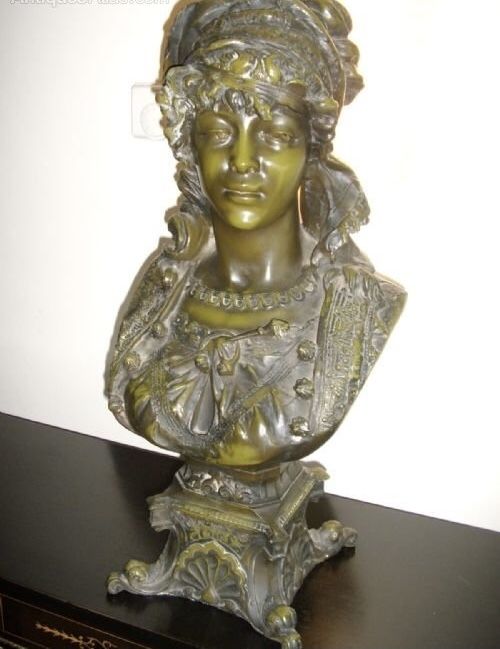
Makers utilised dark patination alongside polished metal to contrast with white, grey, or veined marble stands. The resulting objects function simultaneously as cabinet bronzes and architectural desk ornaments.
Materials and Casting Methods
Foundries produced these items using traditional metal casting techniques, predominantly through the lost-wax method or sand casting. Molten bronze filled moulds to capture fine anatomical and decorative details before cooling.
Artisans applied chemical patination to the metal surface to achieve deep brown, black, or greenish tones. This dark skin contrasts with underlying highlights or sits upon turned marble, sienna marble, or wooden plinths.
Sculptures and urns were mechanically attached to their stone or marble bases using threaded bolts or pins secured through the plinth. Stone bases were often carved, turned, and polished separately from the cast metal components.
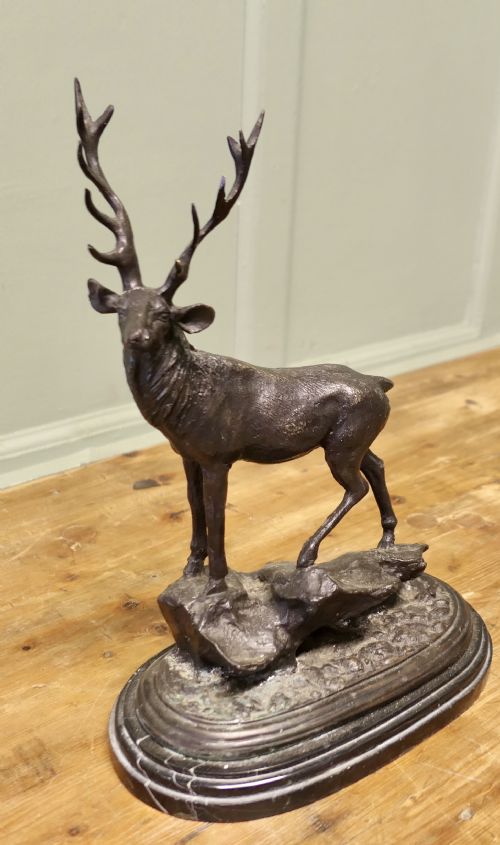
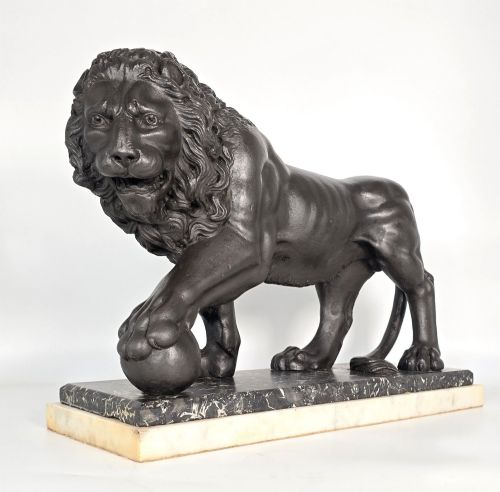
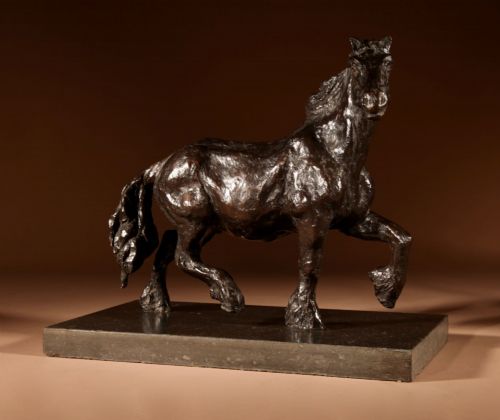
The object forms on this page include animalier sculptures, mythological figures, campana urns, and library tazzas.
Assessing Quality and Execution
The selection and working of the supporting stone also determine the standing of the work. Dense, richly veined marble or correctly proportioned sienna marble plinths elevate a piece above those mounted on simple turned wood or plain slate.
Surface finish separates routine studio work from exceptional examples. A controlled, stable dark bronze patina with subtle tonal variation indicates careful chemical treatment by the foundry rather than a uniform modern paint application.
Claude Michael Clodion·Renee Sintenis·Henry Wissen Senior·Carl Kauba·Aristide Maillol
The Dark Bronze Plinth Glossary
- Patination
- The chemical coloration applied to the surface of bronze metal. It protects the alloy and creates the characteristic dark tones seen on nineteenth-century bronzes.
- Grand Tour
- A cultural journey undertaken by wealthy Europeans through France and Italy. Travellers purchased small bronze sculptures and architectural models as souvenirs.
- Campana
- A distinctive bell-shaped form utilised for classical vases and decorative urns. Originating in ancient pottery, it was widely reproduced in bronze during the nineteenth century.
- Animalier
- A nineteenth-century artistic genre focused on the realistic portrayal of animals. Sculptors depicted dogs, horses, lions, and stags with careful attention to anatomy.
- Ormolu
- Finely ground high-carat gold mercury-gilded to a bronze base. This technique provides a bright golden surface that contrasts with dark bronze elements.
Dark Bronze Plinth: Frequently Asked Questions
What is a dark bronze plinth?
A dark bronze plinth refers to the metal-cast base or the stone and marble pedestal that supports a sculptural bronze object. These integrated bases elevate figures, animals, and decorative urns.
They provide physical stability while framing the artwork as a complete sculptural composition. The metal plinth often shares the same dark patination as the main figure.
How do I date a bronze sculpture?
Dating relies on examining casting seams, the quality of the chisel work, and the characteristics of the marble base. Nineteenth-century casts often show hand-chasing marks left by the finisher.
Secondary indicators include the style of the signature, foundry stamps, and the type of patination applied to the bronze surface.
What are Grand Tour bronzes?
Grand Tour bronzes are miniature souvenir sculptures produced in Italy and France during the eighteenth and nineteenth centuries. Wealthy travellers collected these reduced copies of famous classical statues.
Subjects included Roman deities, ancient politicians, and architectural monuments like the Warwick Vase. They were typically mounted on marble or stone plinths for display in European homes.
How should I clean my bronze?
Cleaning requires only gentle dusting with a soft, dry cloth to remove surface particles. Avoid chemical cleaners, water, or abrasive cloths that can strip the historic patina.
Applying a very thin layer of microcrystalline wax periodically helps protect the dark metal surface from atmospheric moisture.