
Antique Neoclassical Column
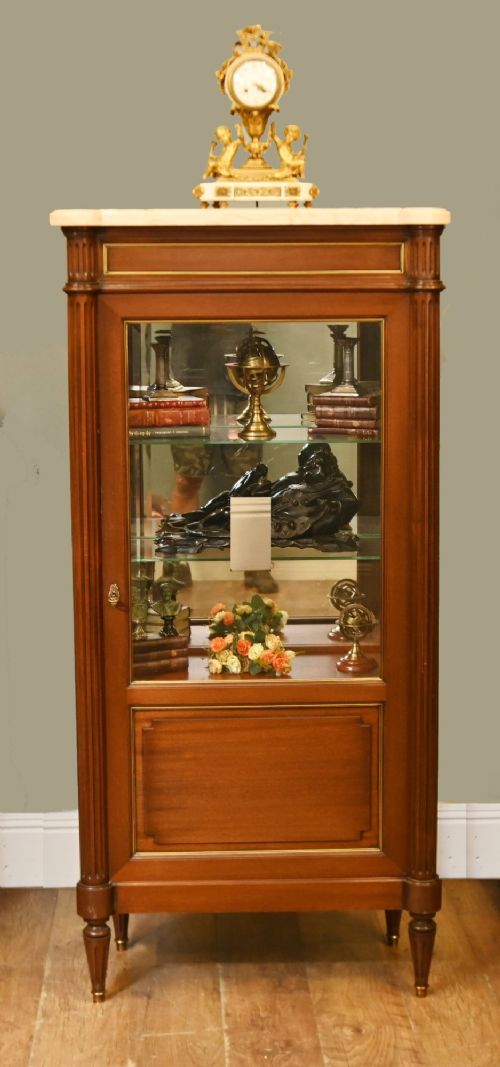
These antique neoclassical column pieces adapt classical architectural forms into domestic lighting, mantel clocks and decorative supports.
Antique Neoclassical Column
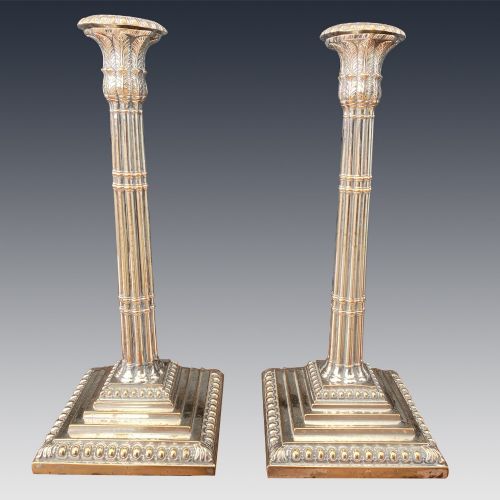
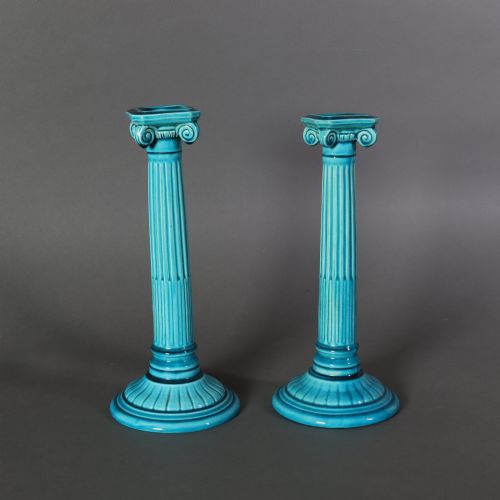
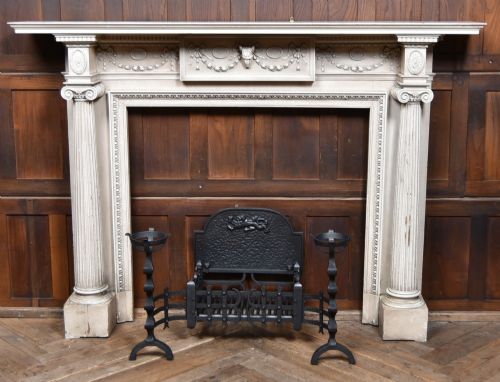
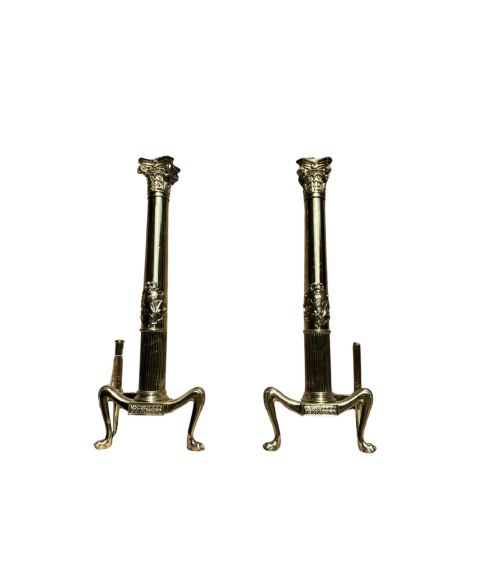
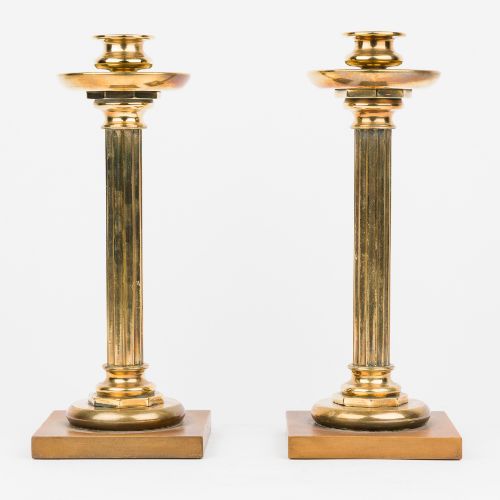
An antique neoclassical column draws directly upon ancient Greek and Roman architectural orders, translating monumental stone shafts into domestic furnishings. Buyers seeking this aesthetic encounter objects spanning the eighteenth century through to the early twentieth century, taking the form of table lamps, candlesticks, mantel clocks and decorative pedestals.
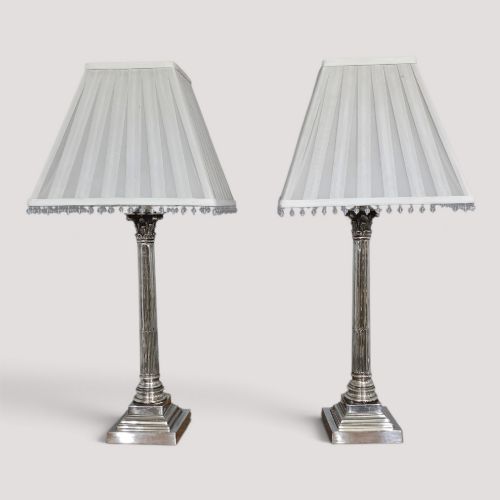
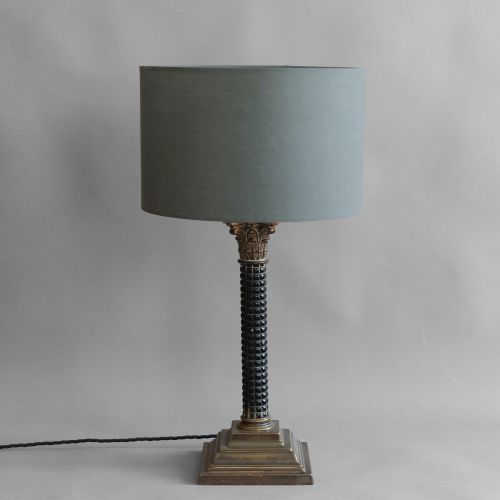
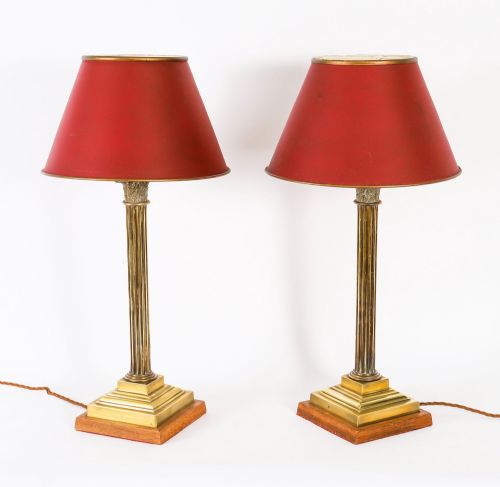
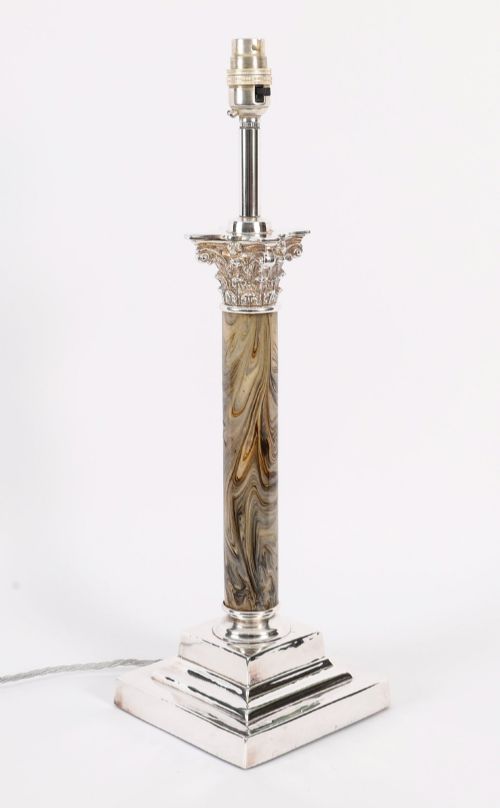
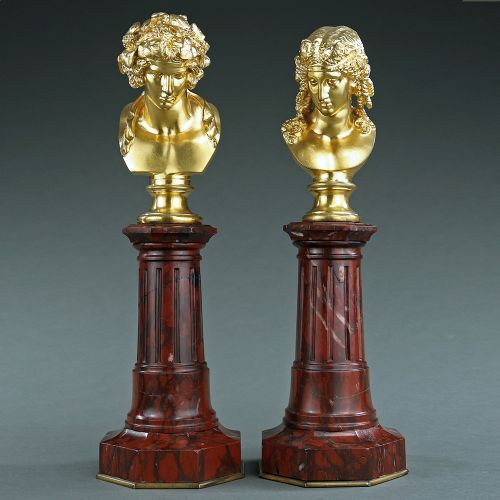
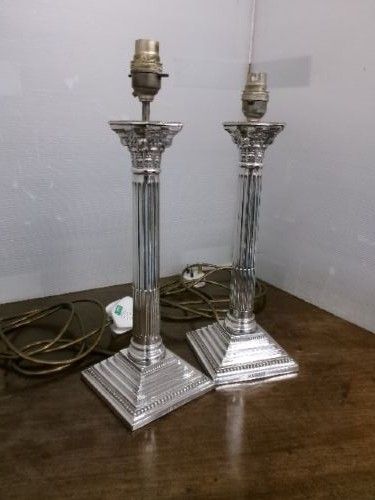
The material record on this page shows a heavy concentration of table lamps adapted from Corinthian columns in silver plate and brass, alongside marble columns and Grand Tour souvenir temples. Pieces emerge from periods including the Regency, Victorian, Edwardian and 1920 eras, reflecting successive revivals of classical taste in British and European interiors.
Materials and construction methods
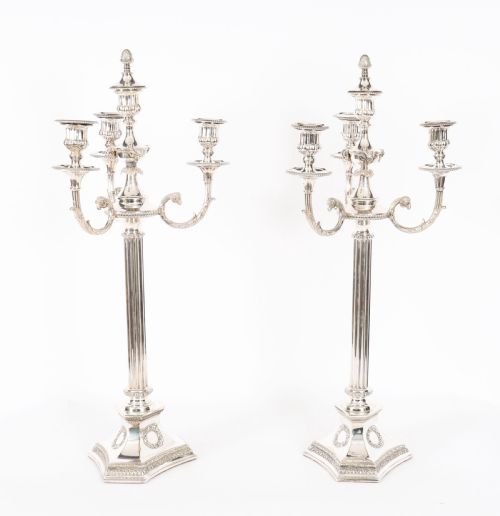
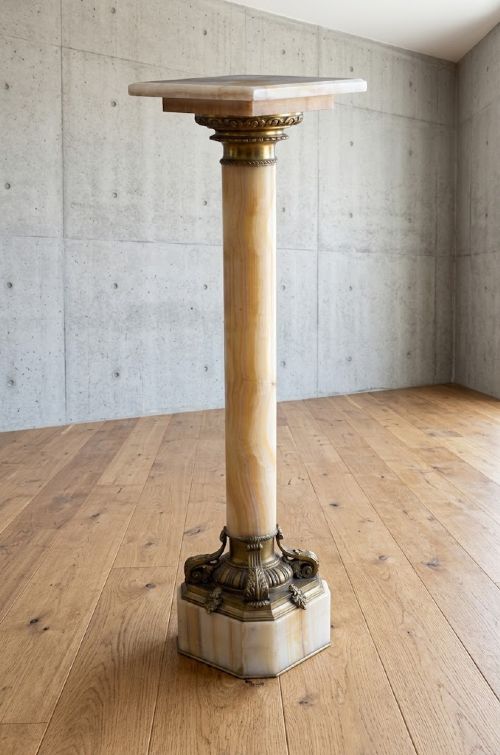
Metalwork dominates the construction of these columns, utilising cast brass, silver plate over base metal, sterling silver, bronze and ormolu mounts. Makers combined these metals with various stones, incorporating white marble, black marble, Siena marble, Bardiglio, Carrara and scagliola into shafts and bases.
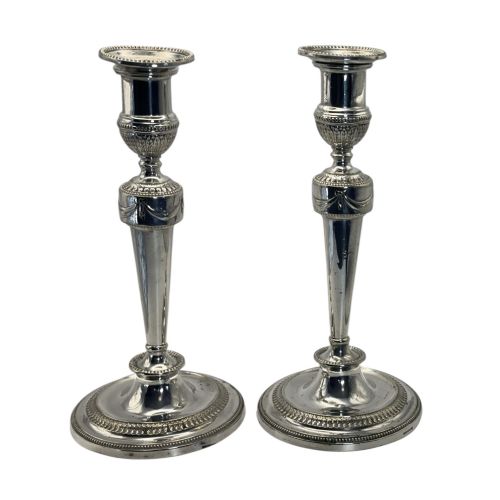
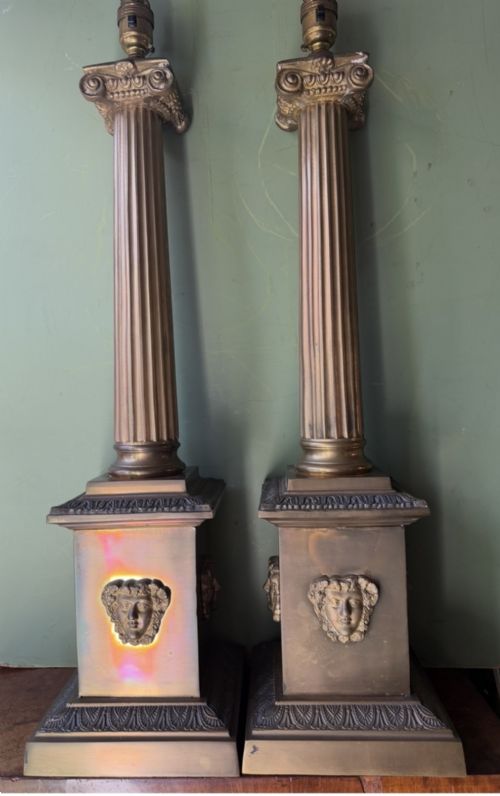
Casting techniques allowed workshops to render crisp acanthus leaves on Corinthian capitals and intricate lion mask or paw feet. Structural joins often relied on threaded central rods securing heavy metal capitals and marble sections to stepped plinths.
Travellers once lugged heavy marble temple models all the way from Italy just to decorate their English mantelpieces.
Determining quality and execution
Quality rests primarily on the crispness of the cast ornamentation, where superior examples exhibit sharply defined fluting, clean volutes on capitals and crisp detailing on acanthus foliage. Softer, worn casting indicates lower production standards or excessive replating that obscures the original metalwork.
The selection of materials also dictates standing, with solid architectural marbles, heavy gauge brass and fire-gilded ormolu marking out superior commissions from simpler plated wares or timber interpretations.
Mappin & Webb
The Antique Neoclassical Column Glossary
- Corinthian order
- A classical architectural style distinguished by elaborate capitals decorated with rows of acanthus leaves and small volutes. Many table lamps on this page utilise this specific capital design.
- Ormolu
- Finely ground high-carat gold mercury-gilded to a bronze object. It provides a rich, durable golden surface seen on mounts and decorative collars.
- Grand Tour
- A cultural journey undertaken by wealthy young Europeans visiting classical sites in Italy. Travellers purchased architectural models, bronzes and marble columns as souvenirs.
- Scagliola
- A composite material made from selenite, glue and pigments, mixed to imitate marbles and other fine stones. It was frequently used for decorative columns and pedestals.
Antique Neoclassical Column: Frequently Asked Questions
What is an antique neoclassical column lamp?
These lamps repurpose classical architectural column designs, predominantly in the Corinthian order, mounted as lighting fixtures during the nineteenth and early twentieth centuries.
They combine heavy brass or silver-plated shafts with stepped square bases, often wiring older candlesticks or purpose-built metal columns for electricity.
How do I date an antique column?
Dating relies on examining the manufacturing techniques, metal alloys, wiring conduits if converted, and stylistic markers associated with periods like Regency, Victorian or Edwardian eras.
Silver plating thickness, cast construction marks and underlying marble types help place an object within the eighteenth to early twentieth-century timeline.
How do I clean brass and ormolu columns?
Maintenance requires gentle dusting with a soft dry cloth to protect aged patination and delicate ormolu surfaces from unnecessary wear.
Harsh chemical polishes must be avoided on gilded bronze or silver plate to prevent stripping the historic finishes down to the base metal.