




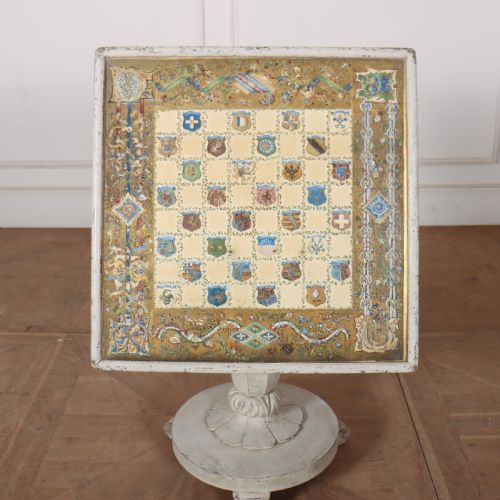


Regency Neoclassical Pedestal
A regency neoclassical pedestal brings architectural dignity to a room, supporting urns, busts, or lamps with classical restraint.
Regency Neoclassical Pedestal
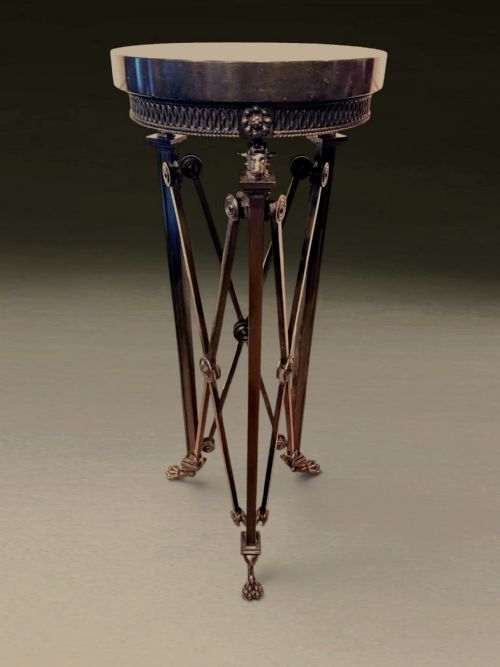
When you search for a regency neoclassical pedestal, you find architectural supports, plant stands, and columns drawn from classical antiquity. These pieces take forms such as pedestals, torcheres, and columns, often associated with the Regency and neoclassical styles.
The versions you meet most frequently on this page date from the nineteenth century, alongside later revivals from the early twentieth century. They serve as display platforms for sculptures, urns, and lighting rather than standalone tables.
Makers and designers of the period drew inspiration from archaeological discoveries, resulting in bronze columns, mahogany shafts, and painted surfaces. Each piece reflects the enduring fascination with Greek and Roman design principles.
Materials and Construction
Craftsmen utilised timber such as mahogany alongside cast metals, bronze, and brass to achieve structural integrity and decorative contrast. Giltwood, paint, and gesso added surface richness to pedestals and torcheres.
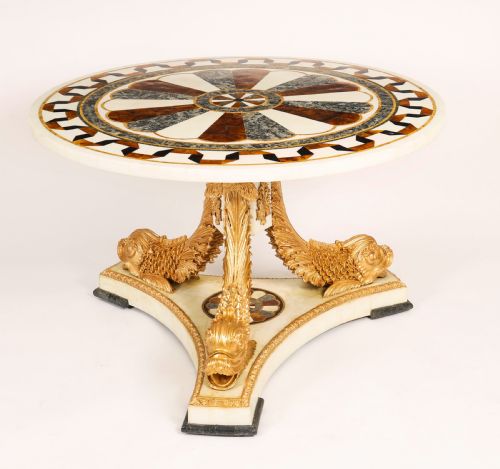
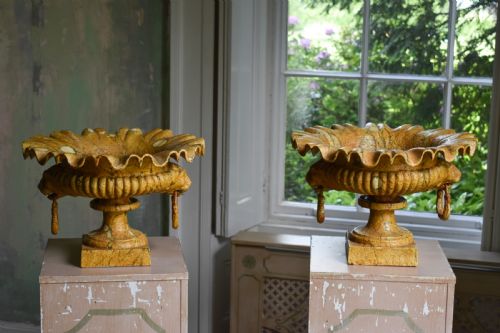
Marble tops frequently appeared on circular tables and stands, providing a cool, durable surface that contrasted with wooden or gilded bases. Cast iron and patinated plaster also formed the basis for classical urns and bust studies.
Listings feature nineteen-century origins alongside twentieth-century revivals, utilising mahogany, bronze, brass, and marble.
Judging Quality and Execution
Quality rests in the crispness of the carving, the weight and finish of the bronze or brass elements, and the choice of timber figure. Superior examples display precise attention to classical detail, such as acanthus leaves and fluted columns.
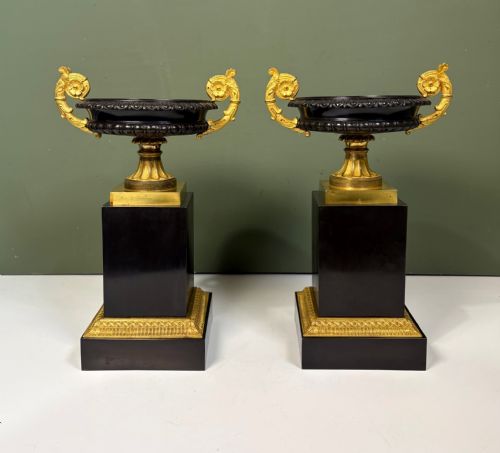
The integration of mixed materials, such as giltwood combined with marble or bronze with ormolu, separates standard production from finer decorative work. Proportion and balance remain central to the success of any architectural stand.
Thomas Hope·Richard Bridgens
The Regency Neoclassical Pedestal Glossary
- Regency
- A period in British design spanning the early nineteenth century, characterised by a strong revival of Greek, Roman, and Egyptian motifs. It follows the Georgian era and precedes the Victorian period.
- Neoclassical
- A style originating from the renewed interest in classical antiquity during the eighteenth and nineteenth centuries. It relies on symmetry, straight lines, and classical orders of architecture.
- Torchere
- A tall stand designed to support a light source, plant, or decorative urn. These pieces elevate objects to eye level within a room scheme.
- Athenienne
- A classical tripod stand supporting a basin or urn, named after the ancient Greek furniture form. It serves as a decorative display piece in neoclassical interiors.
- Ormolu
- Finely ground high-carat gold-copper mercury gilding applied to bronze objects. This technique creates a rich, durable metallic finish found on finer decorative hardware and mounts.
Regency Neoclassical Pedestal: Frequently Asked Questions
What is a regency neoclassical pedestal used for?
These pieces serve primarily as elevated platforms to display bronze figures, busts, urns, or table lamps within a room. Their height draws the eye upward and highlights decorative objects.
Historically, they formed part of symmetrical room schemes, often placed in corners, alcoves, or flanking doorways in grand reception rooms.
How do I date a neoclassical pedestal?
Dating relies on examining the timber species, construction methods, and the specific characteristics of the revival period. Nineteenth-century originals differ subtly in joinery and patina from early twentieth-century revival pieces.
Stylistic cues, such as the depth of bronze casting or the formulation of paint and gesso finishes, also indicate the era of manufacture.
Can these stands support heavy items?
Solid mahogany, heavy bronze, and cast iron columns offer robust support for substantial marble tops, heavy bronze urns, or large lamps. The weight of the base usually matches the load capacity.
However, lighter torchere stands in giltwood or painted gesso require more careful placement to ensure stability when holding heavy decorative objects.
How do I style a pedestal in a modern interior?
A classical pedestal functions effectively as a standalone sculptural element in a contemporary space. Placing a single contrasting object, such as a modern ceramic or an antique bronze, creates a focal point.
They fit well in hallways, living rooms, or dining spaces where vertical height breaks up low furniture layouts.