
Antique Brass Lamp Base
An antique brass lamp base brings functional warmth and period character to a room, ranging from classical columns to elaborate oil conversions.
Identifying an antique brass lamp base
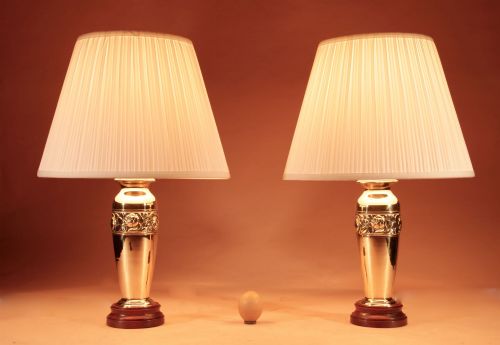
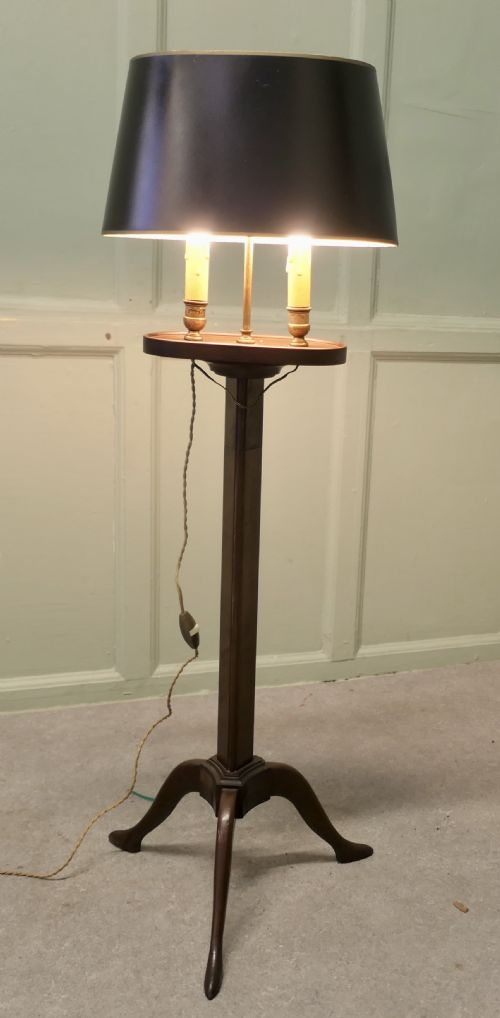
When you search for an antique brass lamp base, you find items spanning the Victorian era through the early twentieth century, alongside specific pieces from nineteen-ten and nineteen-twenty. These objects take the form of table lamps and former oil lamps, often repurposed for electricity.
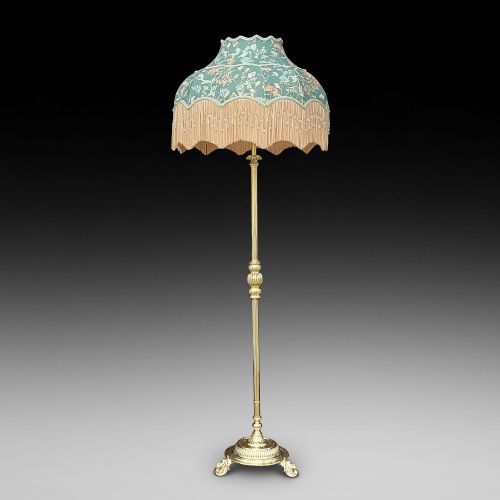
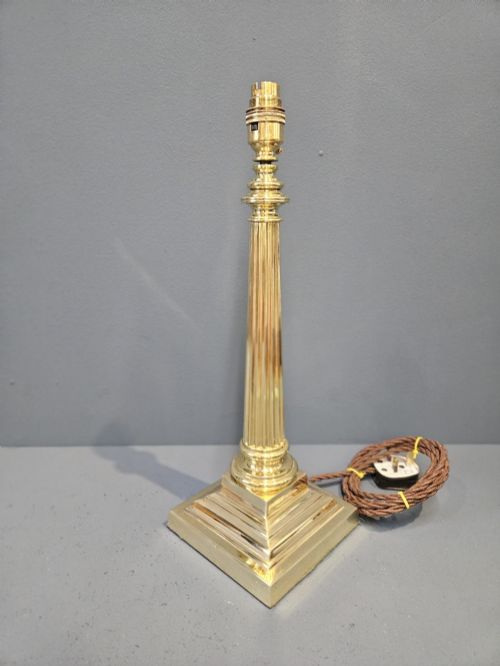
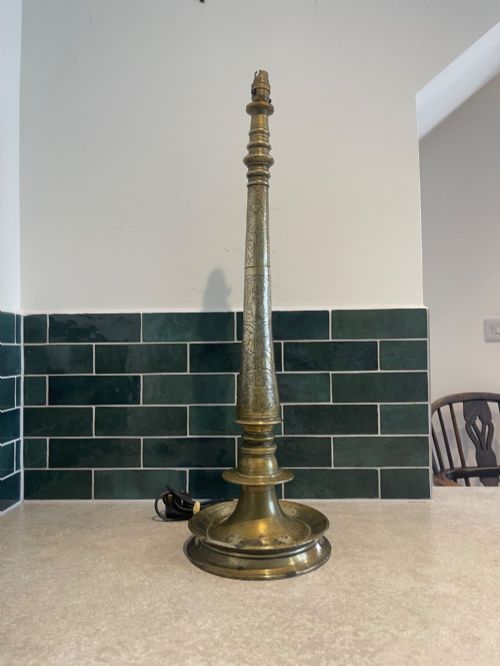
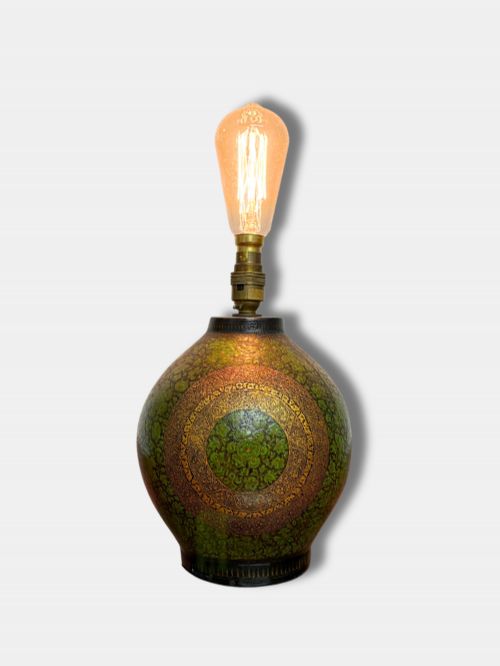
The most frequent examples on this page are Victorian designs, particularly neoclassical columns and converted oil lamps. Alongside these standard English forms, you encounter items reflecting broader global influences, including Indian manufacture and Japanese Meiji period metalwork.
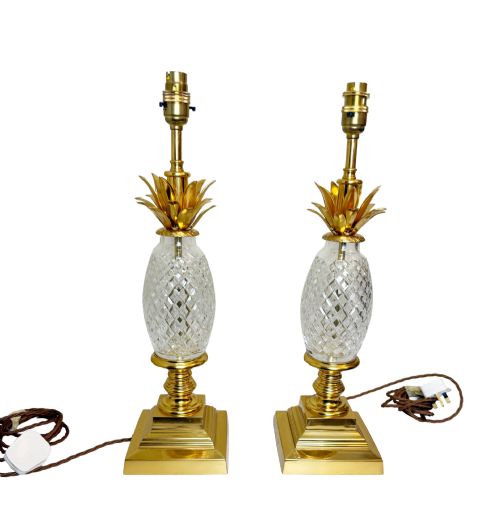
Earlier nineteenth century pieces sit alongside nineteen-hundreds production, showing how lighting technology shifted from liquid fuel to electrical wiring. Certain examples combine the metalwork with other media, introducing glass or ceramic elements to the structural core.
Materials and construction
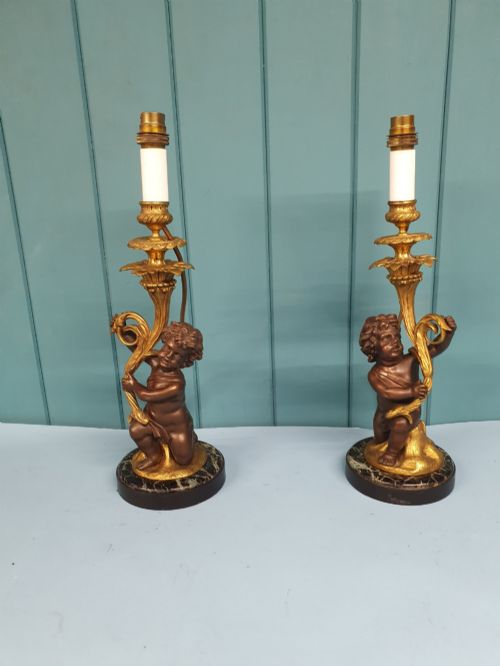
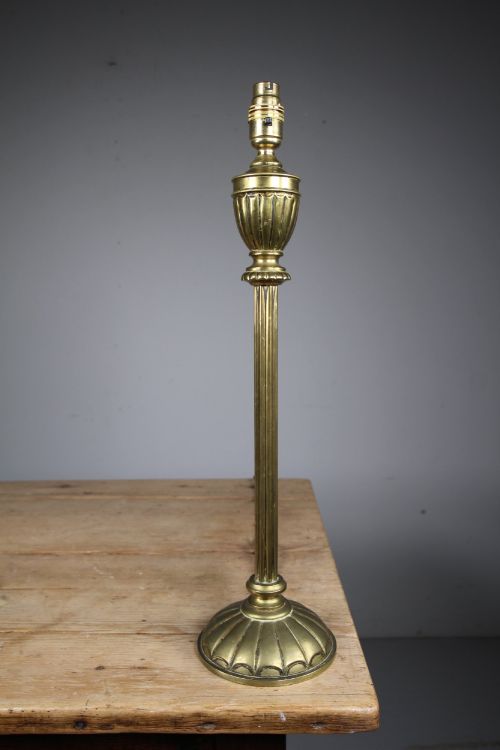
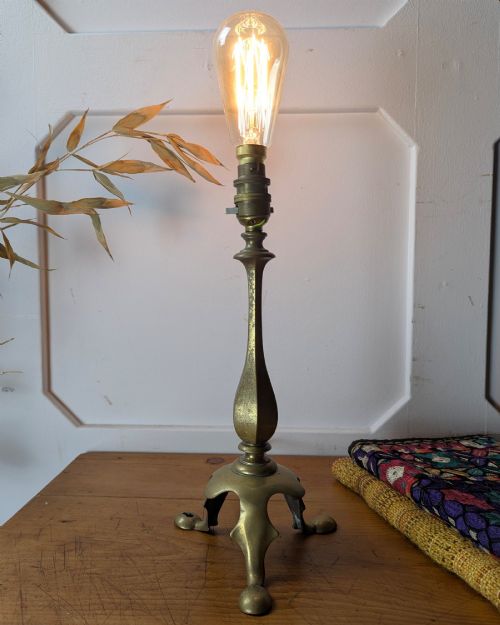
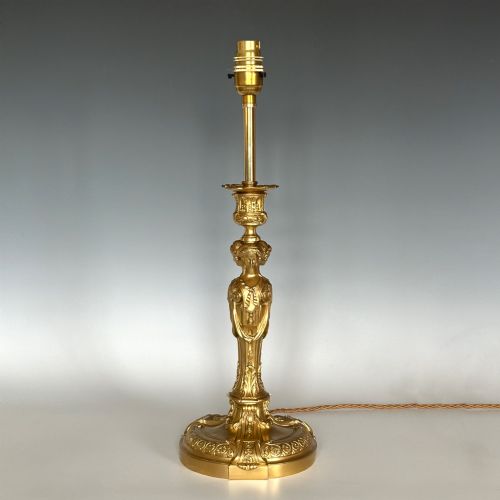
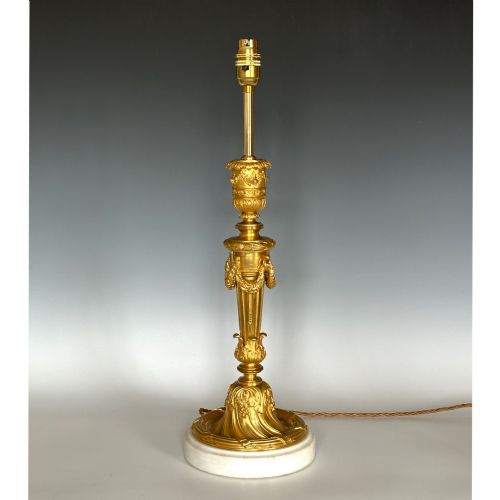
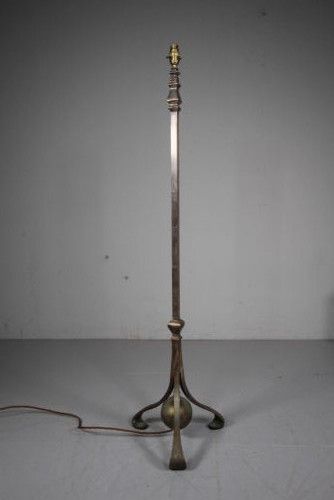
Construction relies primarily on cast and wrought brass, sometimes enhanced with gilt finishes or bronze components. Manufacturers utilised solid metal casting to achieve structural stability, particularly in tall column forms and heavy tripod bases.
Makers integrated mixed media into the metal framework, incorporating cut glass, frosted glass, enamel, and ceramic elements. Decorative detailing includes fine filigree work, cloisonné panels, and detailed surface chasing.
Fabric shades and glass components completed the original assemblies, though many surviving bases have shed their fragile elements over time. The transition from oil burning to electrical wiring involved internal threading and rewiring of existing metal reservoirs.
Retail Price Guide 2026
Typical UK retail prices for brass lamp base, calculated from the Sellingantiques database of over a million retail prices indexed since 2003. This retail price guide relies exclusively on Sellingantiques data; no external sources or auction records are used, so the figures do not describe the wider market.
Listings feature pieces spanning the Victorian era, nineteen-ten, and nineteen-twenty, alongside mid nineteenth century examples.
Assessing quality and execution
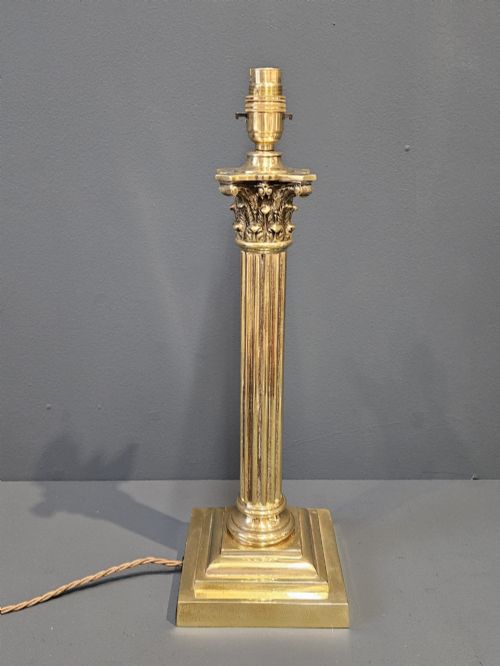
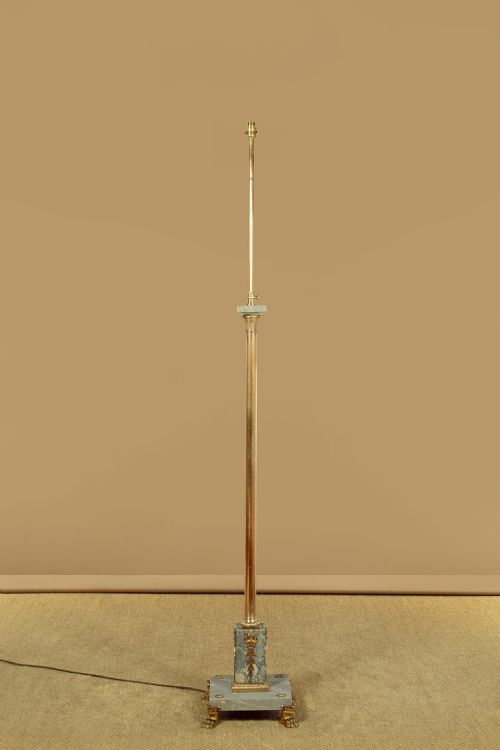
Quality reveals itself in the crispness of the casting and the precision of surface detail, particularly on architectural orders like the Corinthian column. Finer specimens show deep relief work and careful hand-finishing rather than smoothed industrial casting.
Material selection divides standard utilitarian production from high-end decorative pieces, where heavy gauge brass meets fine cut glass or intricate cloisonné enamel. The integration of secondary materials like bronze or specialised glass indicates higher workshop ambition.
Proportion and structural integrity dictate the overall presence of the object, with well-balanced columns and stable weighted bases maintaining better visual harmony.
The Antique Brass Lamp Base Glossary
- Corinthian Column
- A classical architectural column form featuring ornate acanthus leaf capitals, frequently adapted for Victorian table lighting. This design remains one of the most popular configurations found in nineteenth century metalwork.
- Cloisonne
- An ancient technique where enamel paste is applied within compartments created by soldered wire on a metal body. Japanese Meiji period examples showcase this intricate decorative method on bronze and brass substrates.
- Oil Lamp
- A domestic lighting device that burns liquid fuel via a wick, commonly converted to electricity in later decades. Surviving bases often retain burner mechanisms or modified reservoirs.
- Filigree
- Delicate ornamental work of fine metal wire intertwined to form transparent patterns. This technique appears on decorative bases to provide textural contrast against solid brass casting.
- Gilt Brass
- Brass that has been treated with a thin layer of gold or gold-coloured wash to enhance surface brilliance. The finish adds a warm reflective quality distinct from raw or polished base metal.
Frequently Asked Questions
How do I wire an old lamp base?
Rewiring requires running modern insulated cable up through the central channel of the metal shaft. Many buyers engage a qualified electrician to ensure safety while preserving the vintage components.
Original threaded fittings can sometimes accept modern brass lamp holders without altering the historic metalwork. Care must be taken to protect any fragile glass or enamel sections during the process.
Were these always electric?
The majority of nineteenth century examples began life as oil lamps or fluid-burning table lights. Conversion to electricity typically occurred during the twentieth century as domestic power supplies became standard.
Traces of the original burner mechanism or fuel reservoir often remain visible beneath the modern bulb fitting. This dual history adds industrial and domestic narrative to the piece.
How do I date a brass base?
Dating relies on stylistic clues, manufacturing techniques, and material combinations recorded across the Victorian period and early nineteen-hundreds. Architectural revival styles often point to mid-to-late nineteenth century production.
Weight, casting marks, and the presence of specific decorative motifs like cloisonné or specific glass types help narrow the decade of manufacture. Comparing proportions to documented period examples provides further context.
How do I clean antique brass?
Maintenance generally involves gentle dusting with a soft cloth to preserve the accumulated patina of the metal. Aggressive chemical polishing can strip away historic surface character and diminish visual depth.
If cleaning is necessary, mild soap and water applied sparingly works best, followed by thorough drying. Enamelled or gilt sections require particular care to avoid abrasion.