
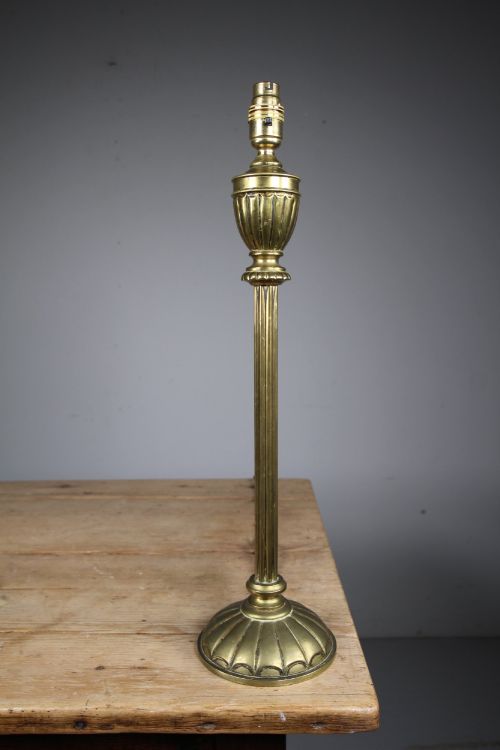
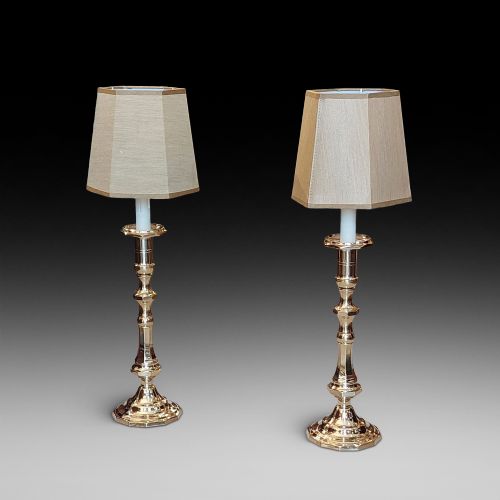
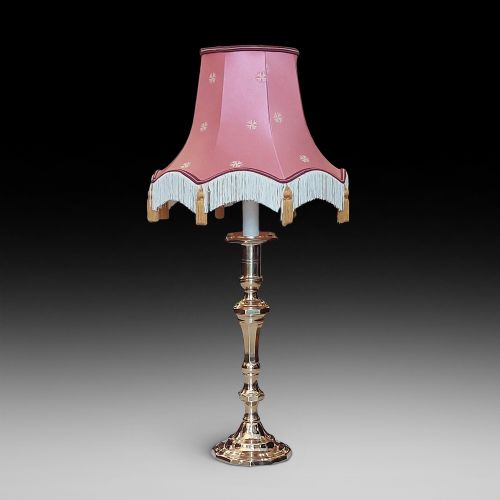
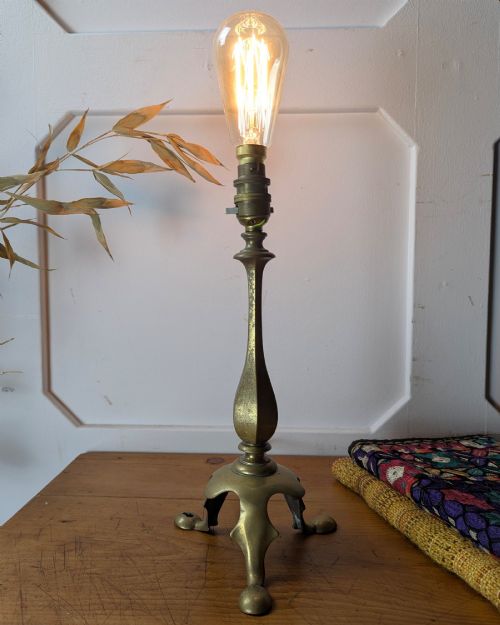
Brass Candlestick Table Lamp
These brass candlestick table lamps bring functional illumination and period character to a room, which is why collectors seek them.
What They Are
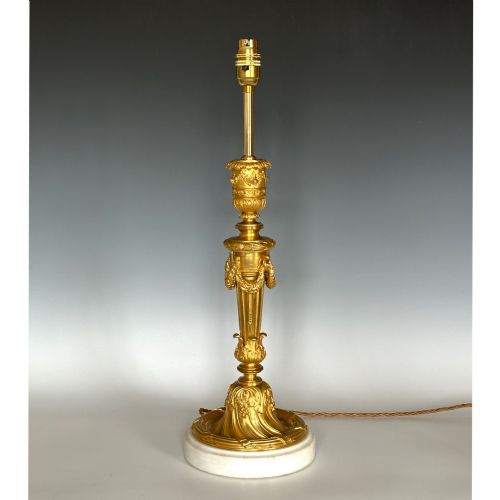
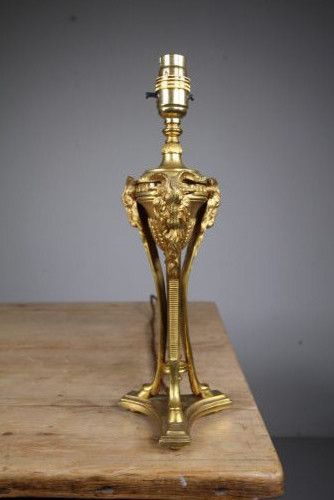
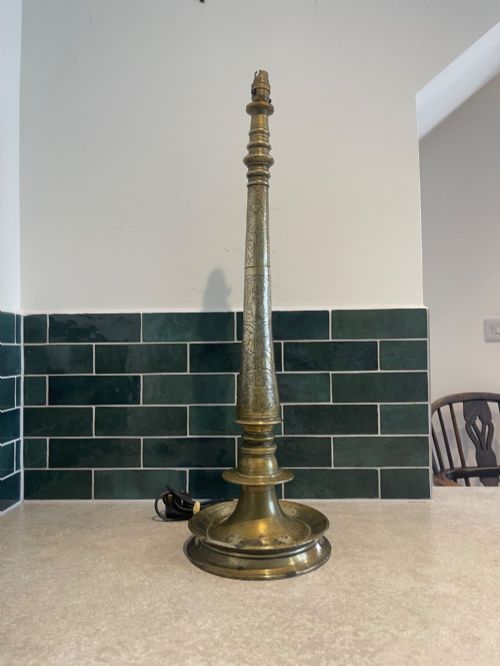
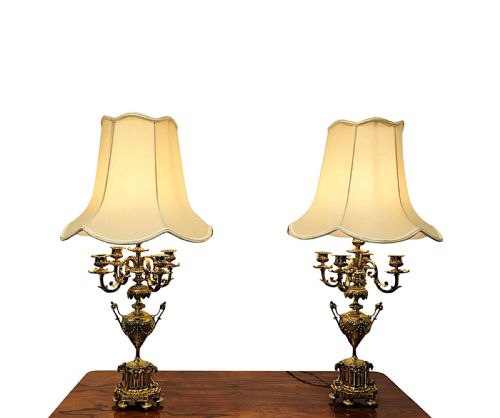
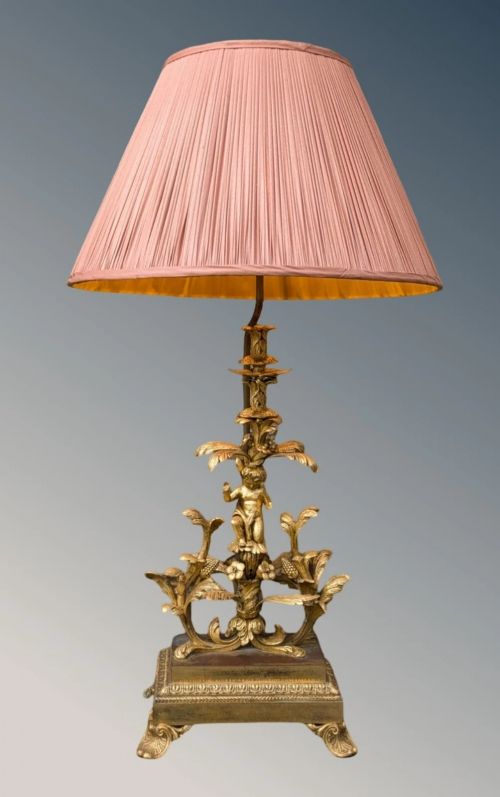
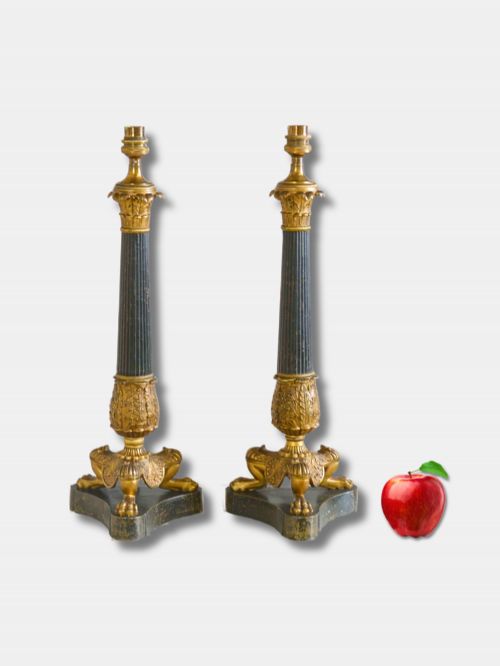
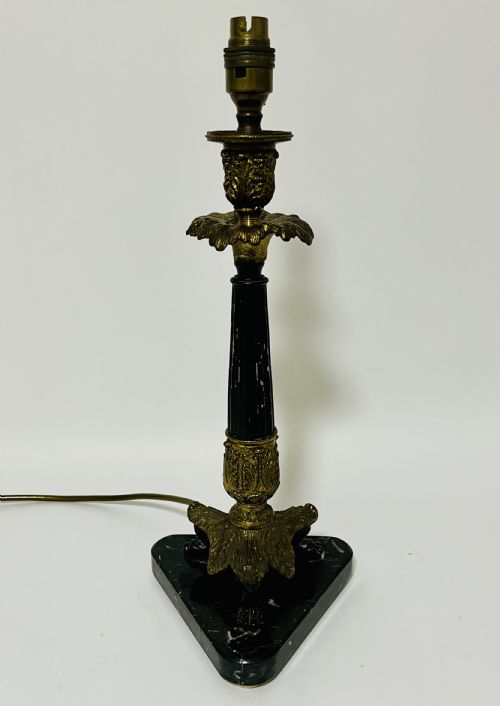
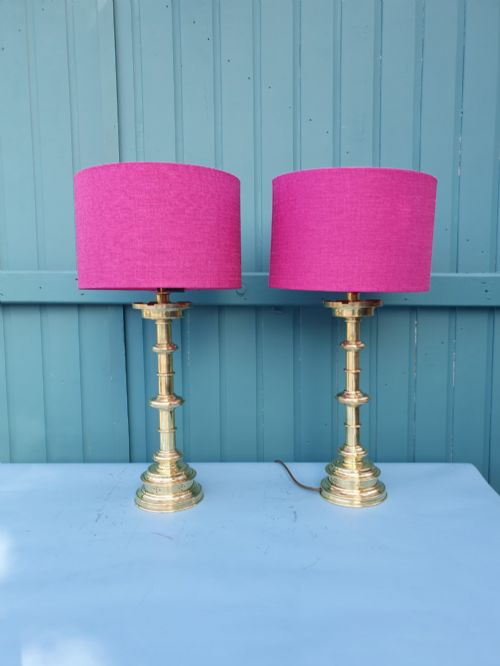
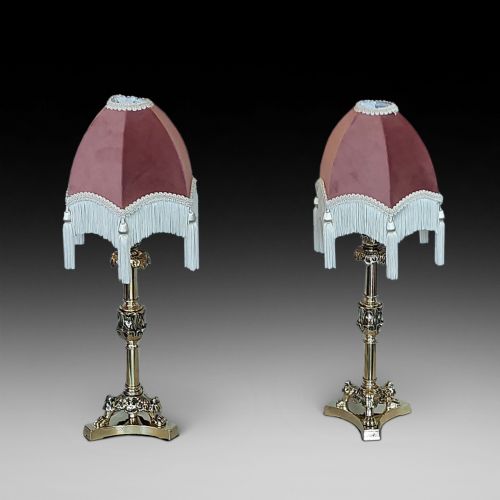
A brass candlestick table lamp adapts traditional lighting forms into electrical fittings suitable for domestic interiors. These pieces appear across various historical periods, incorporating styles from French Empire and Louis XV to Gothic Revival and Anglo-Indian designs.
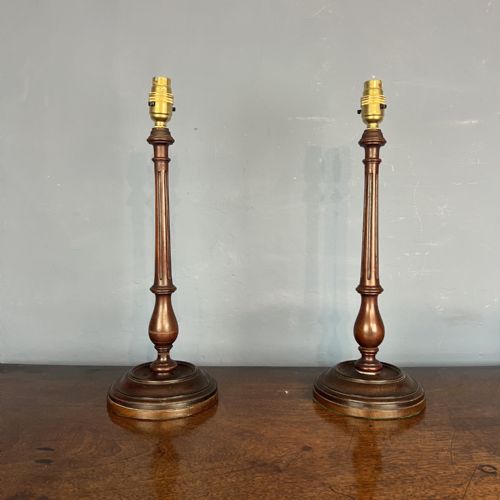
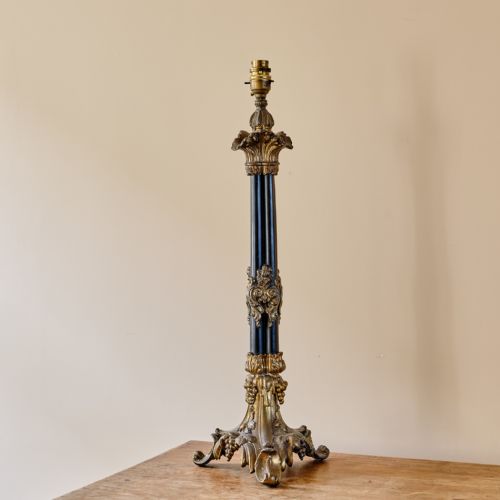
The inventory includes conversions from church altar pieces, bouillotte lamps with multiple branches, and standard column or baluster forms. Buyers encounter both single lamps and matched pairs originating from English, French, and Indian workshops.
Table lamps and desk lamps dominate the selection, often utilising traditional candlestick silhouettes adapted for modern use. Each piece reflects the decorative preferences of its specific era, ranging from austere Victorian designs to ornate gilt brass.
How They Were Made
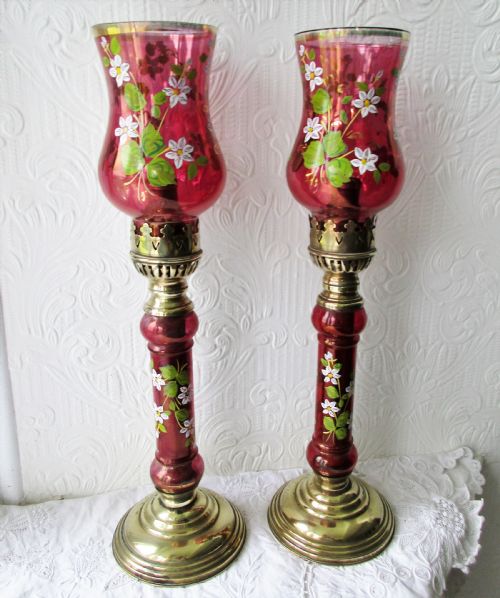
These items utilise base metals such as solid brass, gilt brass, and ormolu, sometimes combined with marble, glass, and tole elements. Manufacturers employed casting and turning techniques to shape the metal components into columns, balusters, and altar sticks.
Surface treatments include polishing, silver plating, and gilding to achieve different visual finishes. Many examples incorporate electrical wiring retrofitted into older candlestick bodies, adapting the original structure for modern illumination.
Retail Price Guide 2026
Typical UK retail prices for brass candlestick table lamp, calculated from the Sellingantiques database of over a million retail prices indexed since 2003. This retail price guide relies exclusively on Sellingantiques data; no external sources or auction records are used, so the figures do not describe the wider market.
Some church candlesticks spent decades holding candles before spending another century holding lightbulbs.
What Varies in Quality
Quality rests on the weight of the metal, the crispness of the cast detailing, and the integrity of the original construction. Superior items display clean lines, substantial solid brass or bronze mass, and well-executed decorative motifs without excessive wear.
The distinction between standard production items and finer examples involves the complexity of the design, such as multi-branch bouillotte configurations or intricate gothic tracery. The integration of secondary materials like marble or opaline glass also marks the distinction between basic utility pieces and more ambitious decorative objects.
The Brass Candlestick Table Lamp Glossary
- Ormolu
- Gilded bronze or brass applied to decorative objects and furniture mounts. This technique creates a rich golden finish that defines French Empire and Louis XV style pieces.
- Bouillotte lamp
- A traditional desk lamp featuring a central shaft with multiple candle arms and an adjustable shade. These pieces provide directed light suited for reading or writing.
- Altar candlestick
- A tall, heavy candlestick originally designed for ecclesiastical use on church altars. Antique examples often feature robust bases and substantial stems adapted into domestic table lamps.
- Baluster
- A moulded column of square or circular profile with a swelling contour. This architectural shape frequently forms the central stem of candlestick table lamps.
Frequently Asked Questions
Are these lamps safe to use?
Many older lamps undergo rewiring and safety testing to meet contemporary electrical standards.
Buyers should consult individual listings for details regarding current wiring status.
How do I clean antique brass?
Maintenance depends on the desired finish, as some collectors prefer aged patination while others choose polished surfaces.
Gentle dusting and appropriate metal care products help preserve the material without removing historic surface finishes.
Can I use modern lamp shades?
Fittings accommodate various shade styles, though the choice depends on the specific lamp type and fitter size.
Bouillotte lamps traditionally use specific metal or tole shades, while column candlesticks accept standard shade carriers.
How do I identify the period?
Dating relies on stylistic markers, casting techniques, and characteristic decorative details associated with specific decades or centuries.
Comparing structural forms against documented Victorian, Edwardian, or mid-century examples assists in placing the piece.