
Victorian Corinthian Column Lamp
A victorian corinthian column lamp brings classical grandeur indoors, pairing fluted dignity with period weight.
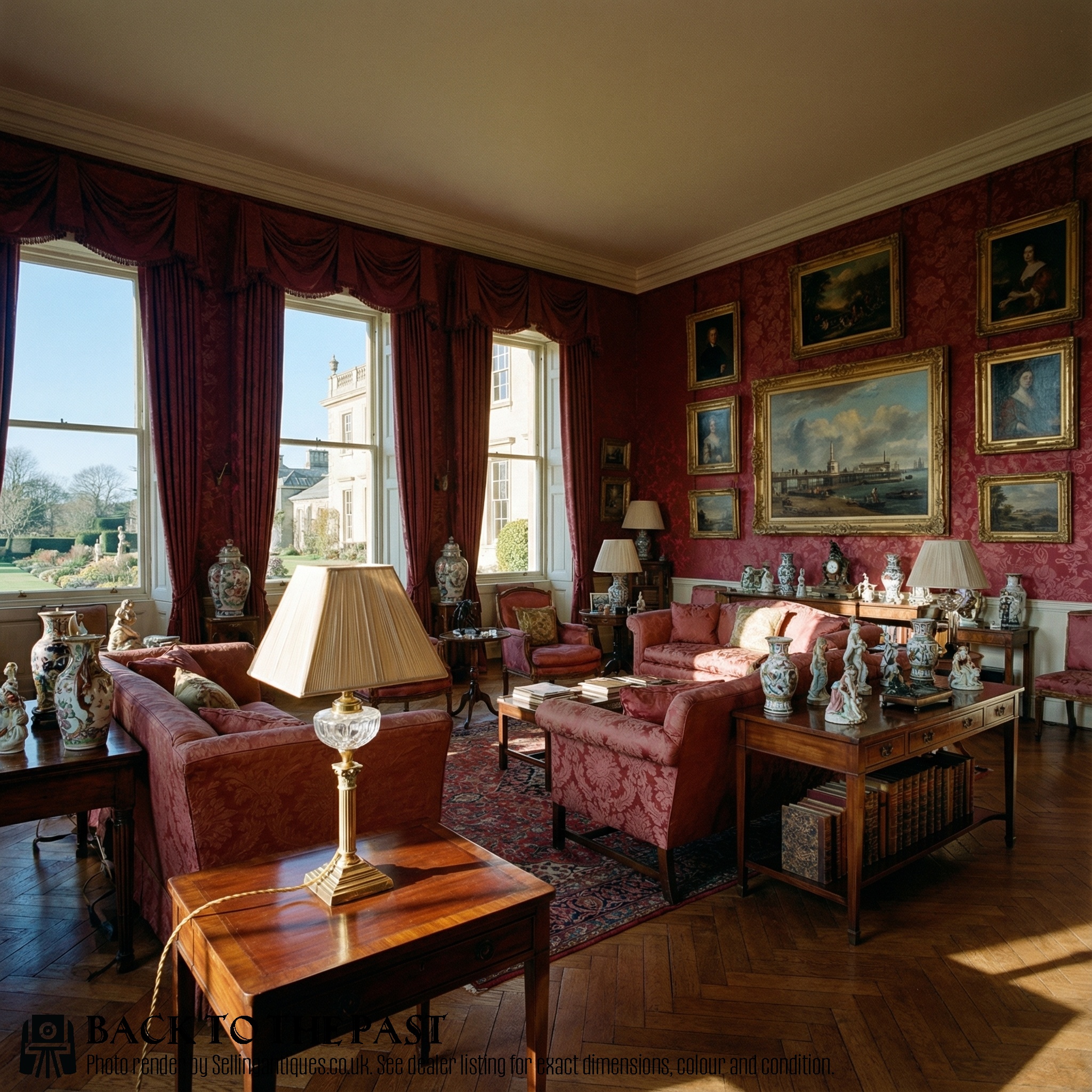
Victorian Corinthian Column Lamps
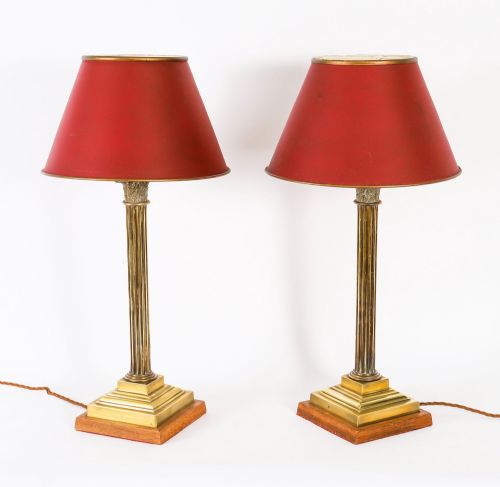
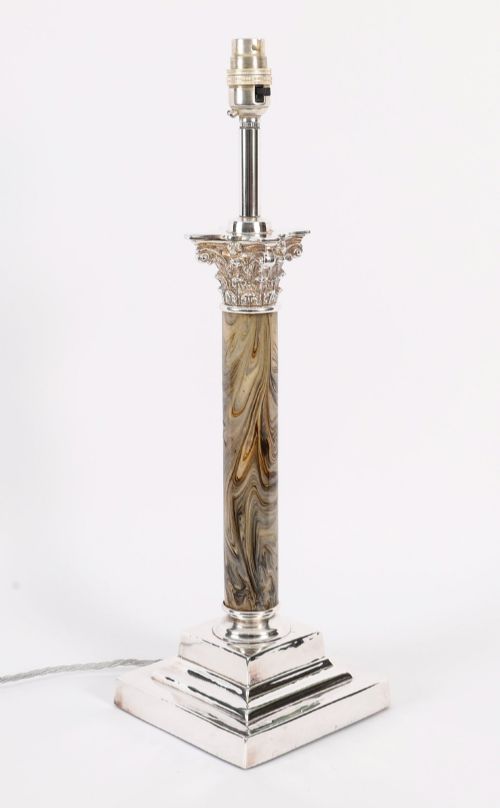
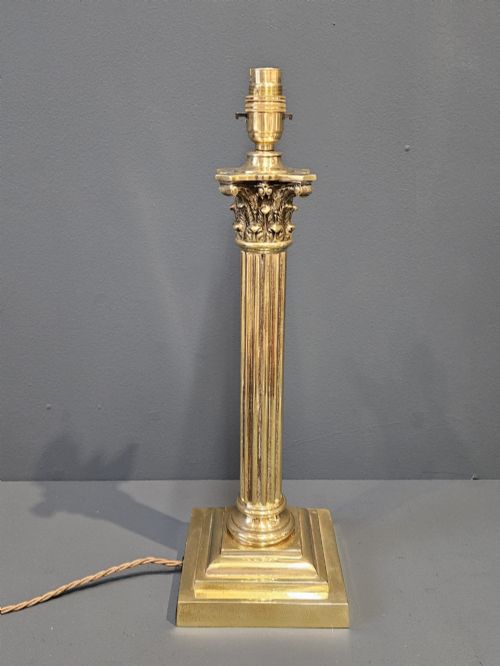
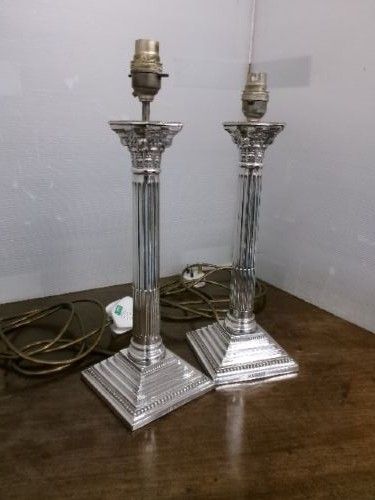
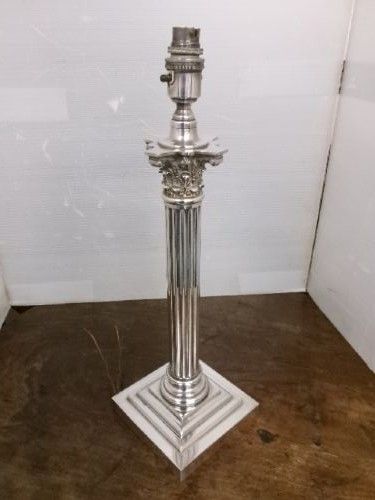
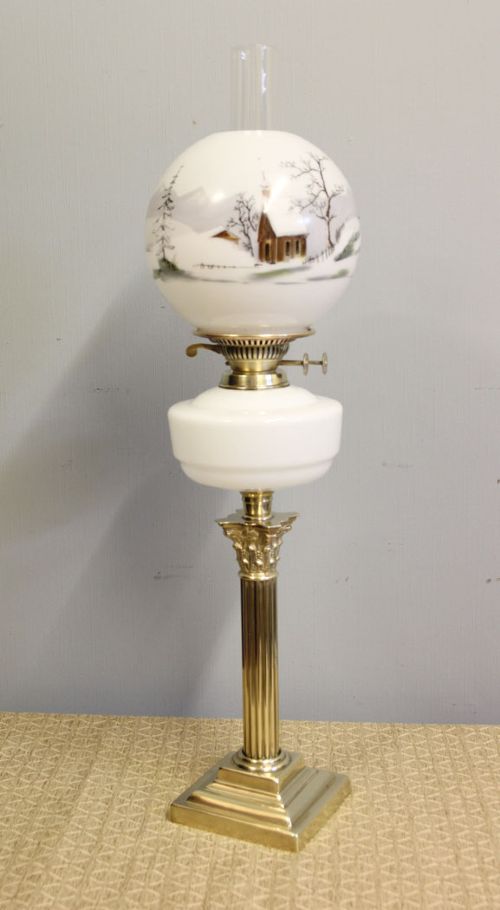
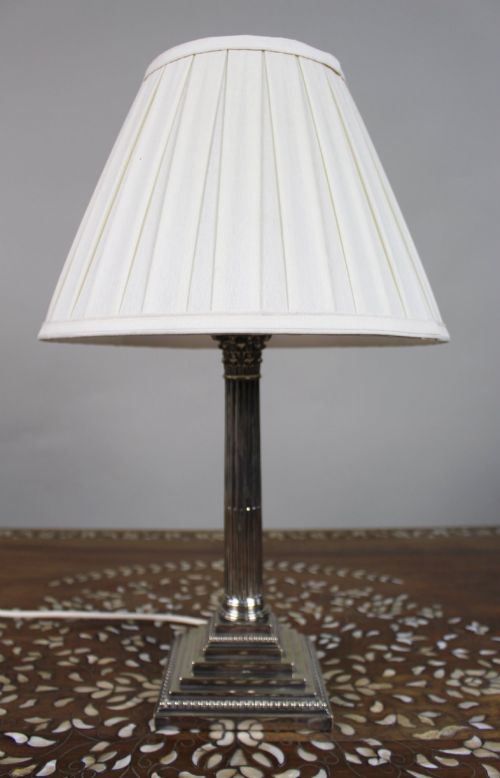
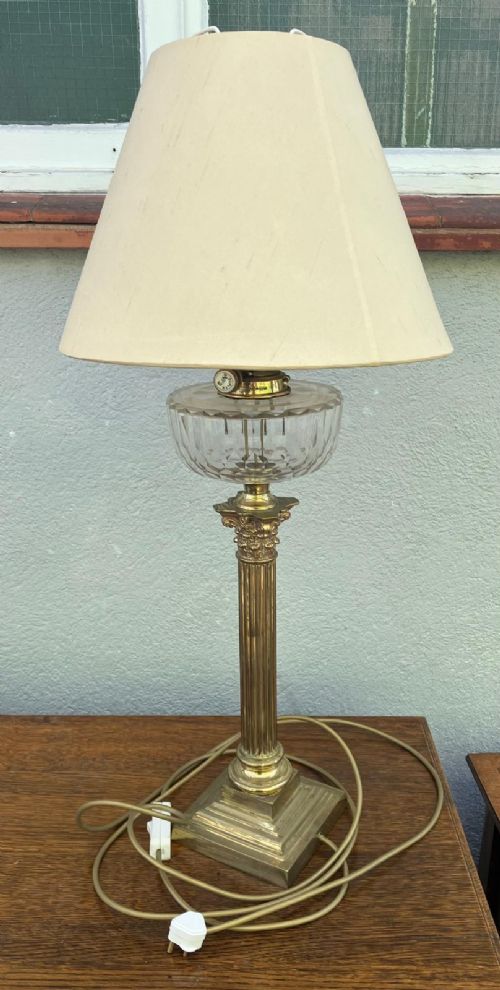
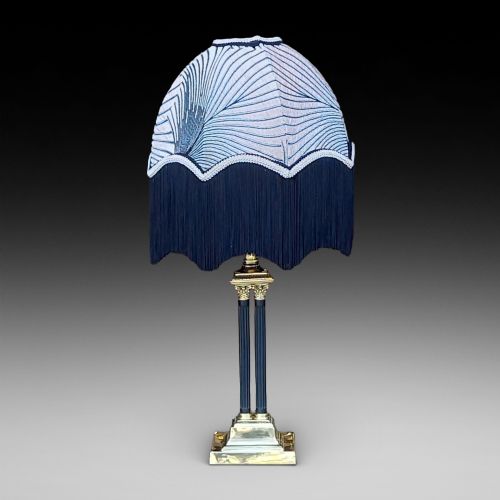
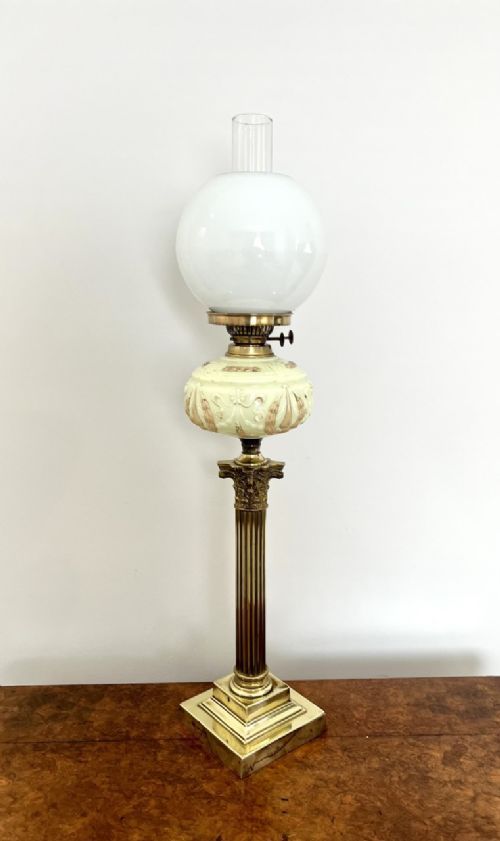
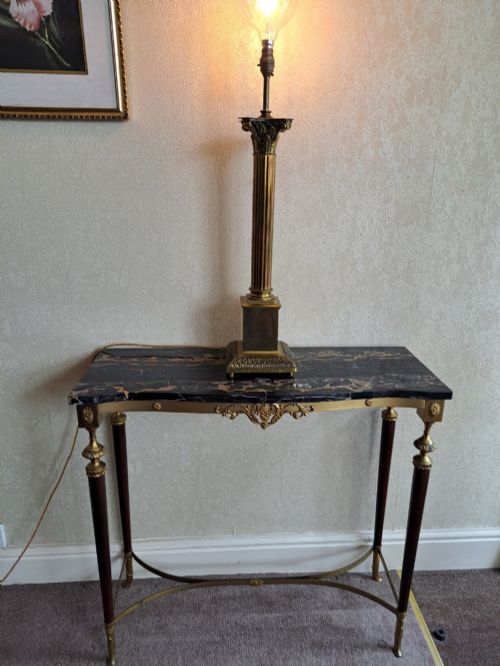
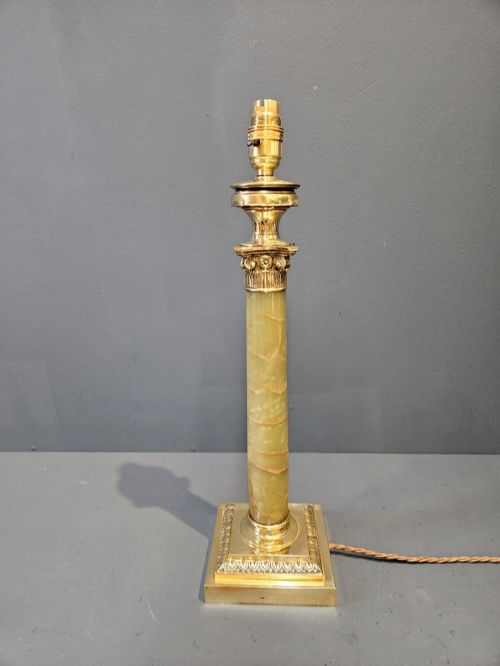
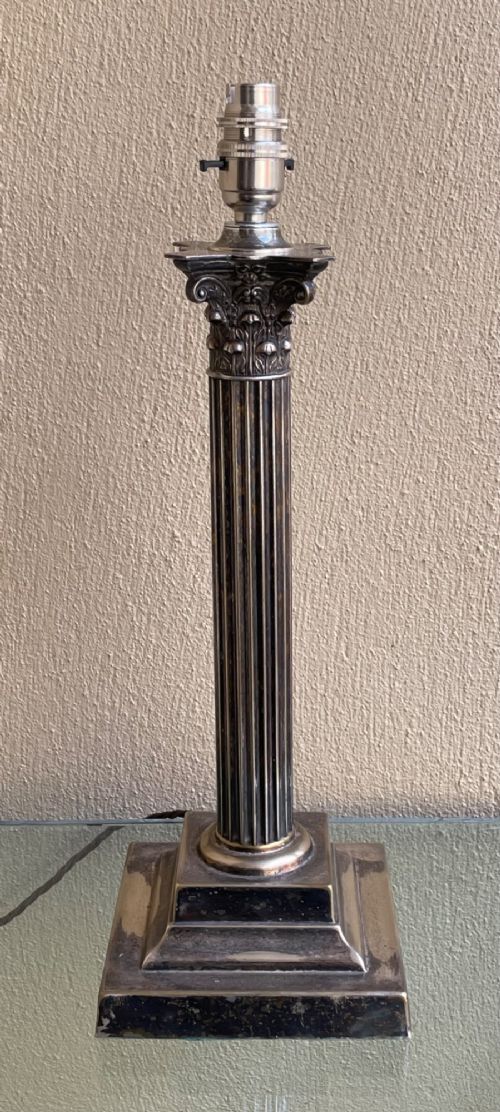
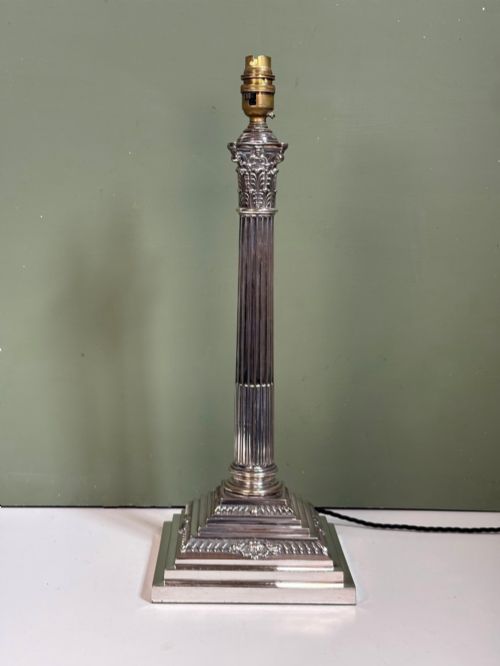
A victorian corinthian column lamp draws directly on classical architecture, translating stone temple columns into domestic lighting. These pieces take the form of table lamps, standard lamps, and floor lamps, standing upon stepped or square bases beneath ornate acanthus-leaf capitals.
Brass is the metal most frequently encountered in these pieces, alongside silver plate and sterling silver. Examples span the nineteenth century, with specific dates reaching across the eighteen-eighties, eighteen-nineties, and nineteen-tens.
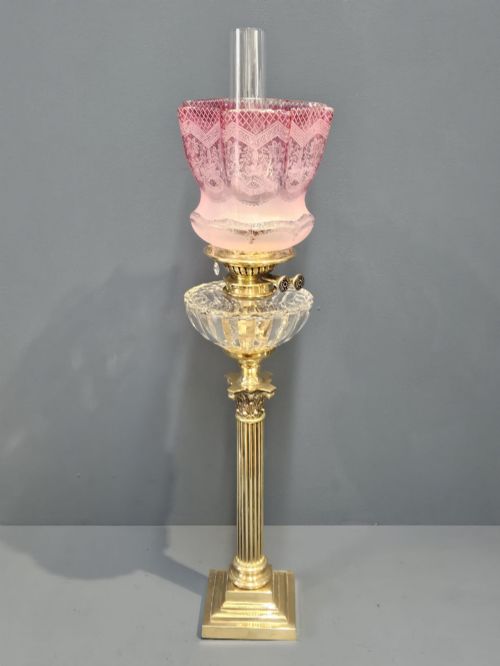
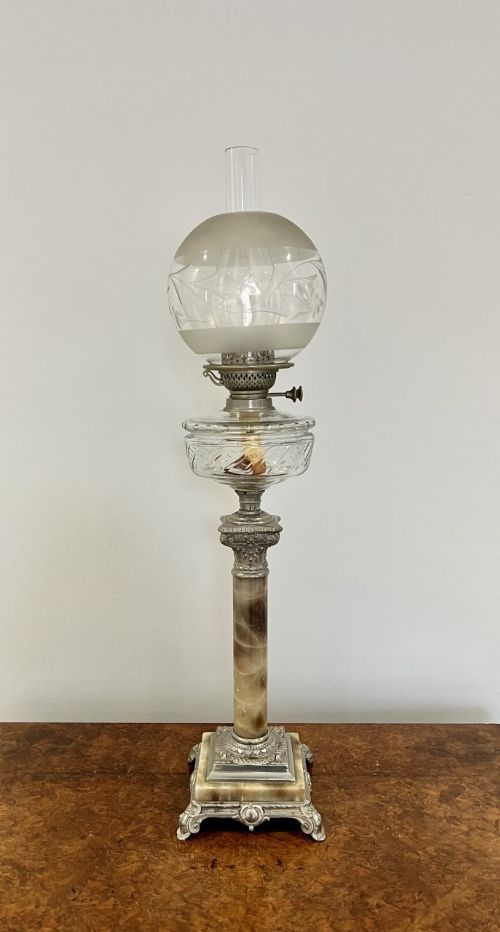
The format originated as an oil lamp before many were subsequently converted for electrical use. Reservoirs appear in cut glass and cranberry glass, sitting atop the metal shaft to hold the fuel burner.

Materials and Construction
Foundry casting shapes the heavy metal components, producing the fluted shafts and intricate column capitals. Brass and silver plate provide the structural rigidity necessary to support taller floor and standard lamp formats.
Glass elements such as reservoirs utilise mould-blown and hand-cut techniques to catch the light. Precious metal plating coats base metals through electroplating processes, while sterling silver components bear assay marks denoting their purity and date of manufacture.
Retail Price Guide 2026
Typical UK retail prices for victorian corinthian column lamp, calculated from the Sellingantiques database of over a million retail prices indexed since 2003. This retail price guide relies exclusively on Sellingantiques data; no external sources or auction records are used, so the figures do not describe the wider market.
Some nineteenth-century column lamps include adjustable telescopic stems so Victorians could alter the reading height of their oil light.
Assessing Quality
Distinctions in quality rest upon the crispness of the cast acanthus foliage and the depth of the fluting on the column shaft. Finer examples display sharp, detailed definition in the capitals, whereas lesser pieces exhibit softer, worn casting lines.
Proportion and material choice further divide the range, from small table versions to monumental telescopic standard lamps. The presence of heavy cast bases, solid sterling silver rather than plating, and intact cut glass reservoirs elevate the standing of an individual piece.
Goldsmiths·Hinks and Sons
The Victorian Corinthian Column Lamp Glossary
- Capital
- The topmost member of a column, featuring carved acanthus leaves and scrolls in the Corinthian order. This section sits directly beneath the lamp reservoir.
- Reservoir
- The vessel that originally held lamp oil prior to electrical conversion. These containers frequently feature cut glass or coloured glass construction.
- Standard Lamp
- A tall floor-standing lighting fixture supported by a central column. Certain examples incorporate telescopic mechanisms for height adjustment.
- Silver Plate
- A thin layer of silver fused to a base metal such as brass or copper. This technique allowed makers to achieve the appearance of solid silver at a lower cost.
Frequently Asked Questions
How do I wire an old oil lamp?
Conversion requires running a cord through the central column without damaging the historic metalwork. Modern internal fittings must secure safely within the original burner gallery.
Professional rewiring ensures the lamp meets current electrical standards while preserving the nineteenth-century structure. Many examples arrive already rewired and tested for safety.
Were these always electric lamps?
These pieces originated as oil-burning lamps during the nineteenth century. Glass reservoirs held the fuel beneath fabric shades.
Subsequent electrification transformed them for modern domestic use. Surviving examples retain their original burners or converted fittings.
How do I date a brass column lamp?
Dating relies on stylistic markers, construction methods, and occasionally stamped maker marks or hallmarks on silver components. Nineteenth-century pieces typically exhibit heavier cast brass and hand-finished details.
Comparative analysis of the base design and capital crispness helps narrow the period of manufacture. Standard lamps from the late Victorian era often feature telescopic adjustments.
Where should I place a standard lamp?
A floor-standing standard lamp suits corners of reception rooms or beside reading chairs. The height provides ambient illumination across the space.
Placement should highlight the classical proportions and polished metal surfaces. Pairing the column with a suitable fabric shade completes the silhouette.