


Stepped Base Brass Lamp
These stepped base brass lamp pieces combine architectural columns with sturdy metal foundations to illuminate period interiors.
What stepped base brass lamp pieces are
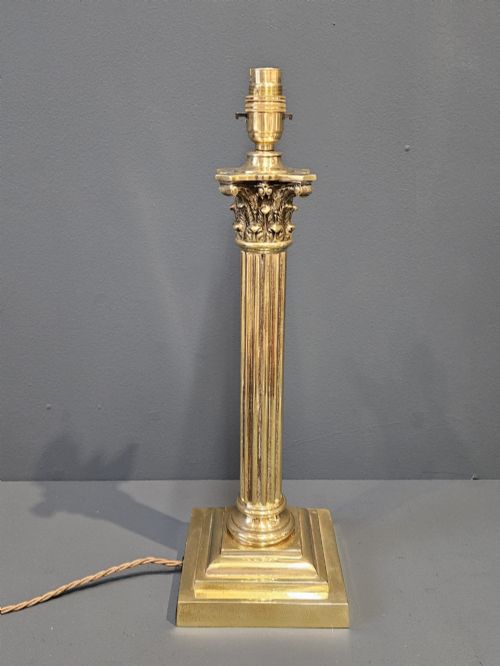
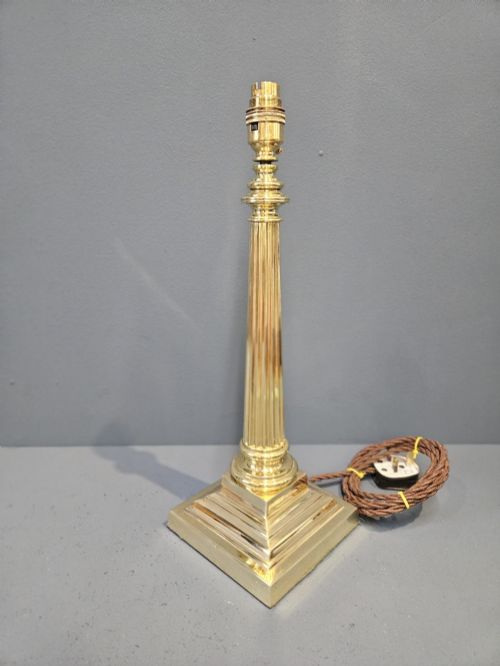
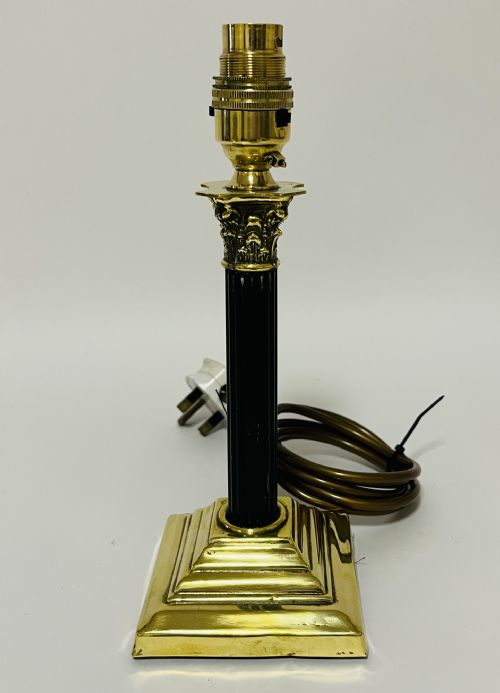
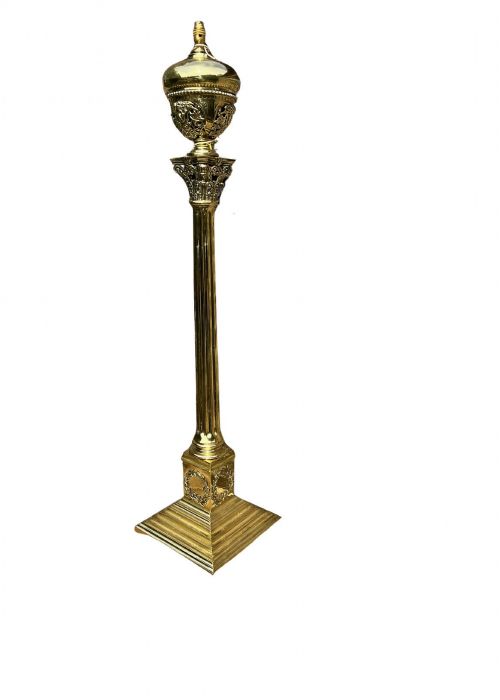
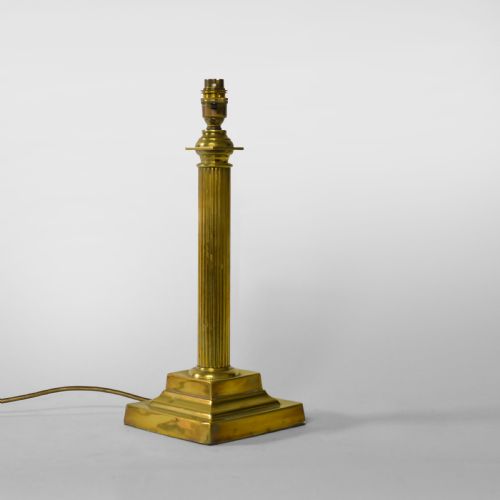
A stepped base brass lamp is primarily a table lamp taking the form of a classical column, often drawing upon Corinthian or ionic orders. These pieces emerge from periods such as the nineteenth century, the Victorian era, and the nineteen-twenties.
The selections here span distinct stylistic revivals alongside functional lighting, including Victorian classical revival designs and Bauhaus influenced forms. They utilise metal and brass construction, frequently paired with cut glass reservoirs and fabric components.
How they were made
Makers utilised cast brass to form the structural columns and stepped foundations, sometimes integrating glass elements into the body. These metals provide both weight and durability for table use.
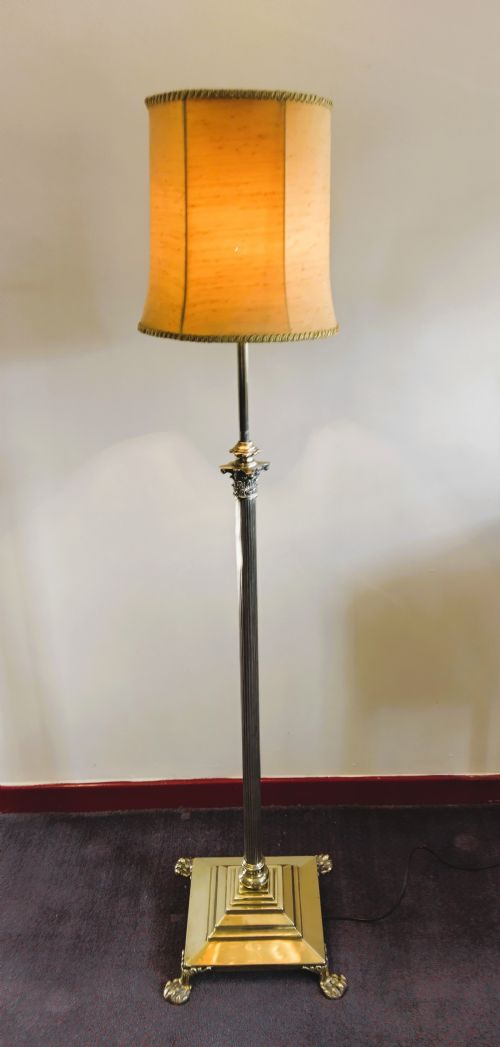
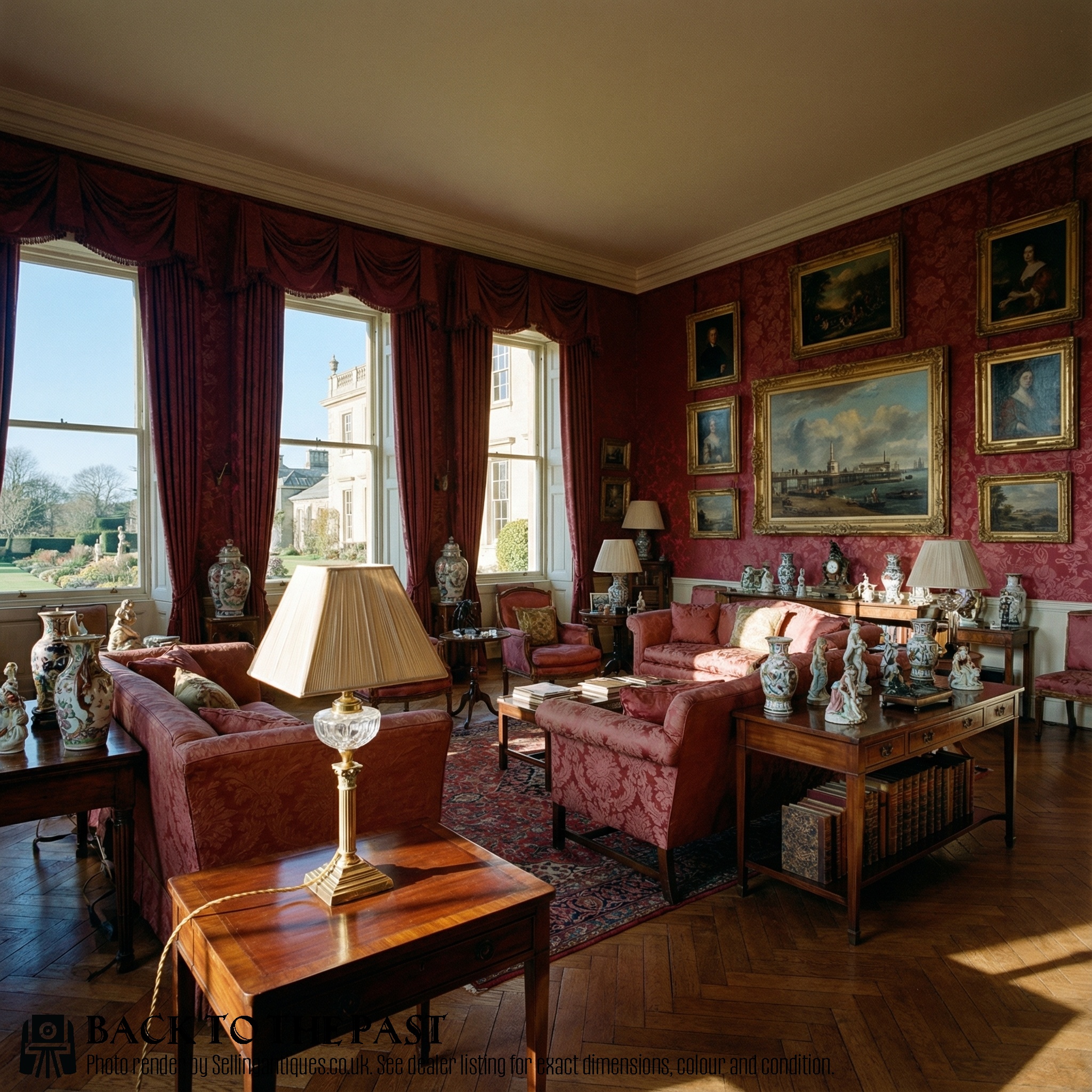
Reservoirs combine moulded cut glass with metal mounts, while shades incorporate fabric elements to diffuse light from the period fittings.
Retail Price Guide 2026
Typical UK retail prices for stepped base brass lamp, calculated from the Sellingantiques database of over a million retail prices indexed since 2003. This retail price guide relies exclusively on Sellingantiques data; no external sources or auction records are used, so the figures do not describe the wider market.
One twenty-year-old lamp channels the spirit of Wilhelm Wagenfeld while standing proudly on its metal feet.
What varies in quality
Quality rests in the crispness of the cast brass enrichment upon the column capitals and the proportion of the stepped base. Finer examples display sharp architectural detailing rather than softened contours.
The integration of cut glass reservoirs with the metal structure demonstrates the maker's precision in balancing mixed materials.
The Stepped Base Brass Lamp Glossary
- Corinthian column
- An architectural order featuring ornate capitals decorated with acanthus leaves, frequently utilised on nineteenth century lamp standards.
- Stepped base
- A multi-tiered foundation rising in successive levels to give stability and visual weight to a metal table lamp.
- Cut glass reservoir
- A translucent oil or fuel container featuring faceted geometric patterns, often mounted between the brass column and the burner.
- Bauhaus style
- A modernist design approach originating in Germany during the nineteen-twenties, prioritising clean geometric lines and functional metal forms.
Frequently Asked Questions
What periods do these lamps date from?
The available pieces span the nineteenth century, the Victorian era, and the nineteen-twenties.
Specific dates within the listings include eighteen-eighty and nineteen-hundred.
What materials are used in their construction?
Makers constructed these lamps primarily from brass and various metals.
Additional materials found across the selection include cut glass and fabric.
How were these lamps originally used?
These items served as functional table lamps for illuminating domestic interiors during the Victorian period and the early twentieth century.
Many incorporated glass reservoirs designed to hold fuel before conversion to electricity.
What styles influence these designs?
Styles draw heavily upon neoclassical revival and Victorian classical revival architecture.
Other pieces reflect the influence of Bauhaus modernism from the nineteen-twenties.