

Silver Column Lamp
When choosing a silver column lamp, you invest in a classic architectural form that brings period elegance to any room.
Silver Column Lamp
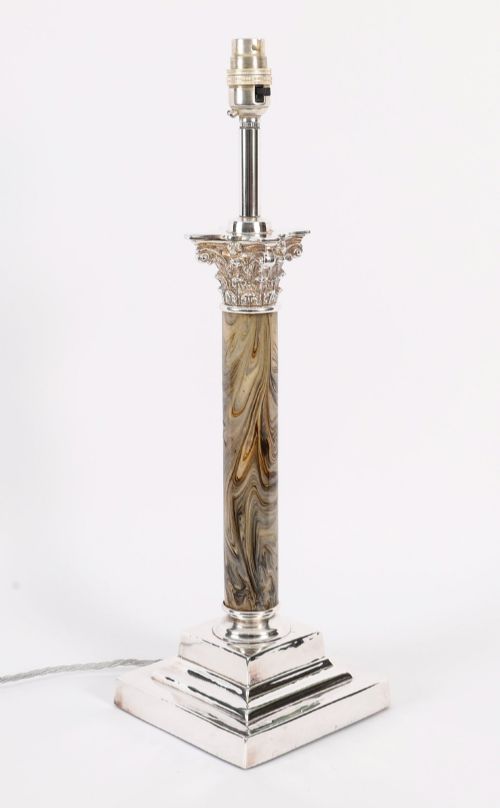
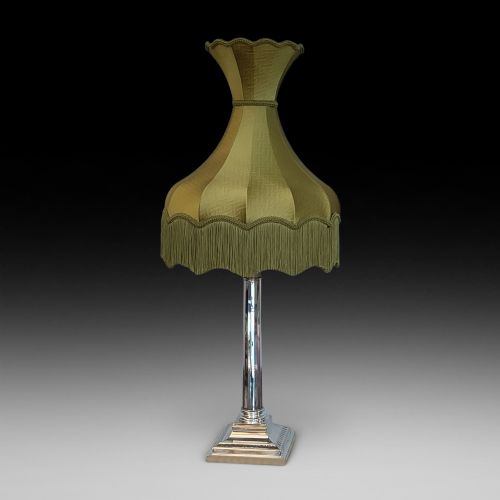
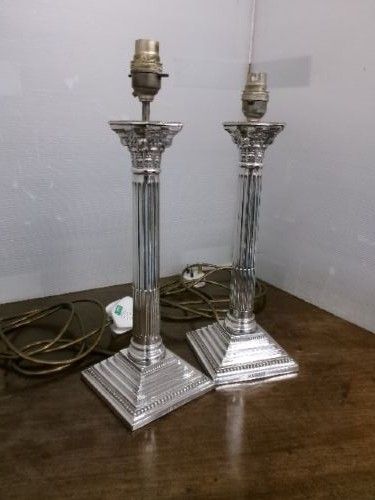
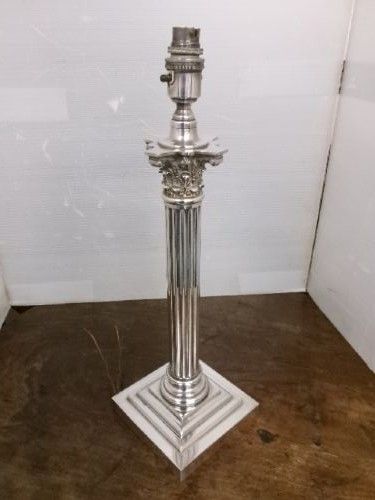
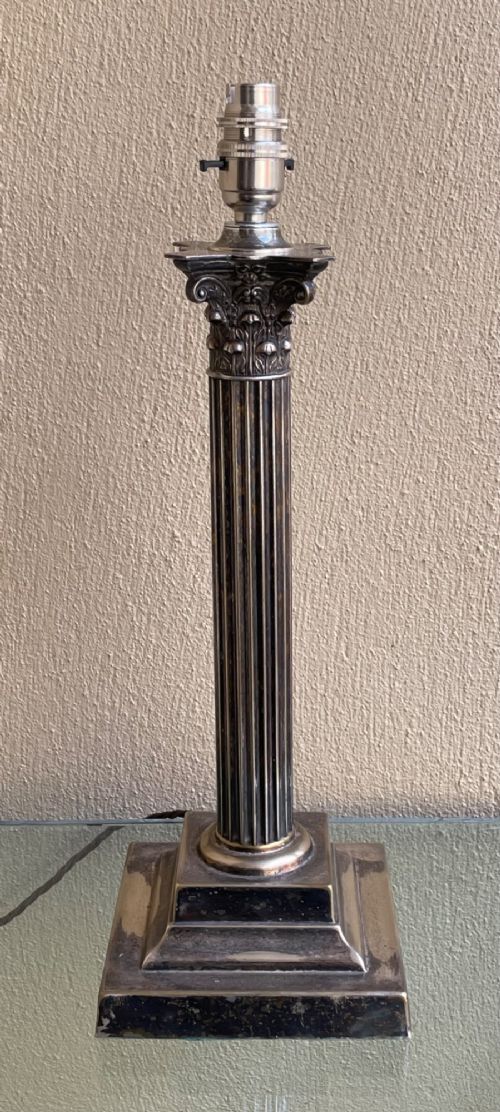
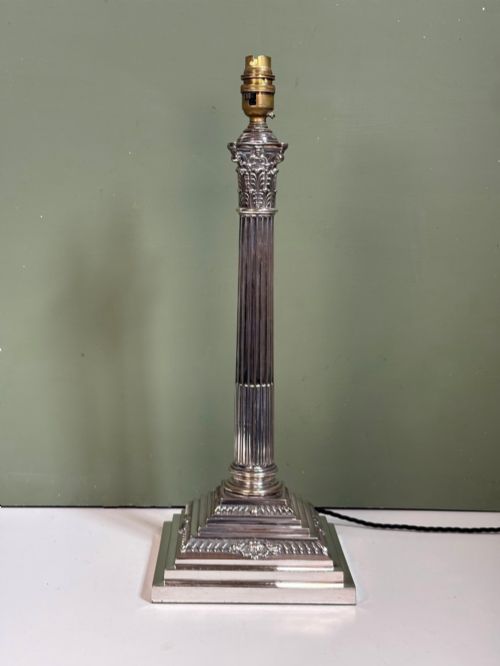
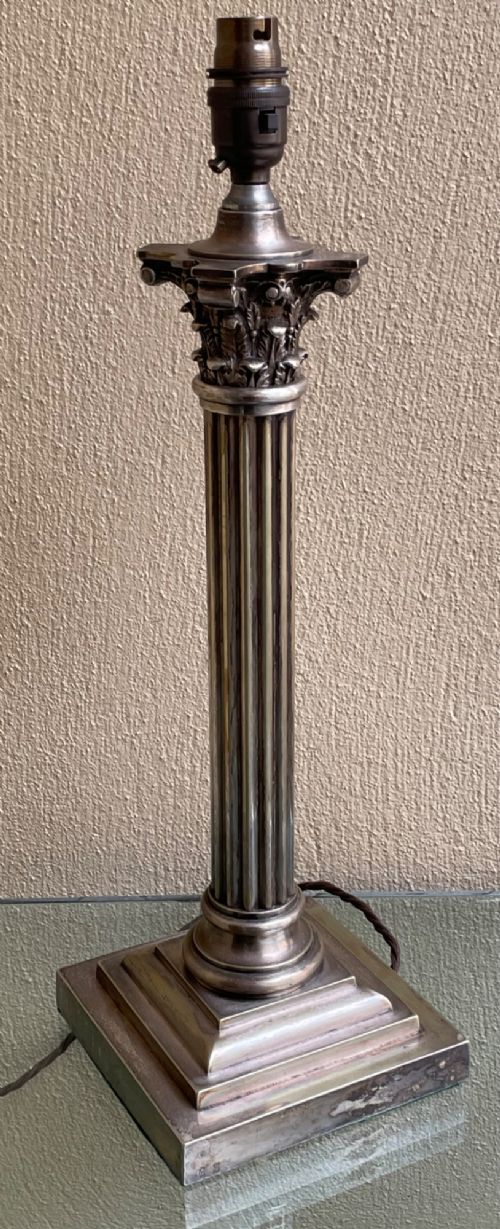
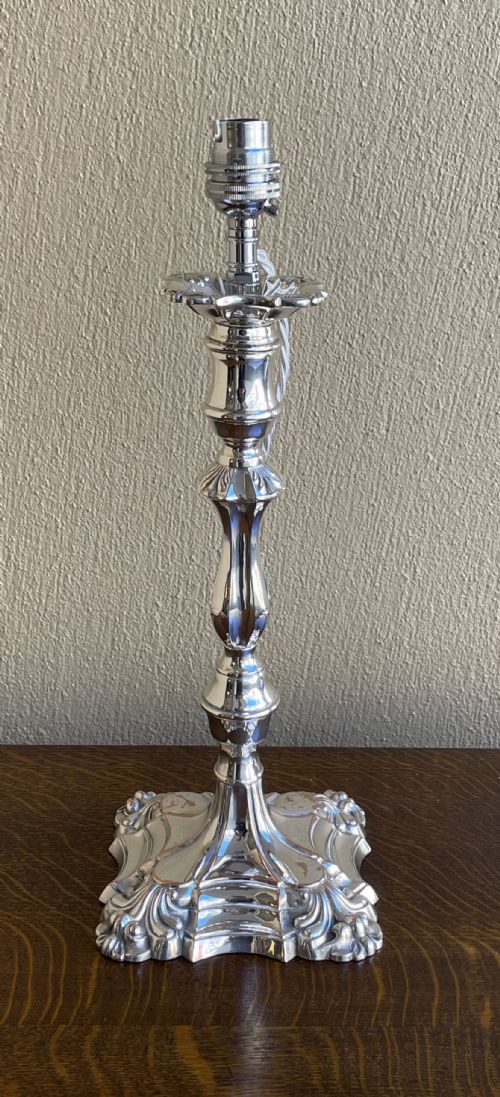
A silver column lamp takes its primary design cue from classical architecture, most frequently adopting the fluted shaft and ornate capital of the Corinthian order. These upright lighting fixtures span the Victorian, Edwardian, and Art Deco eras, evolving from heavy oil-burning mechanisms into electrified interior fittings.
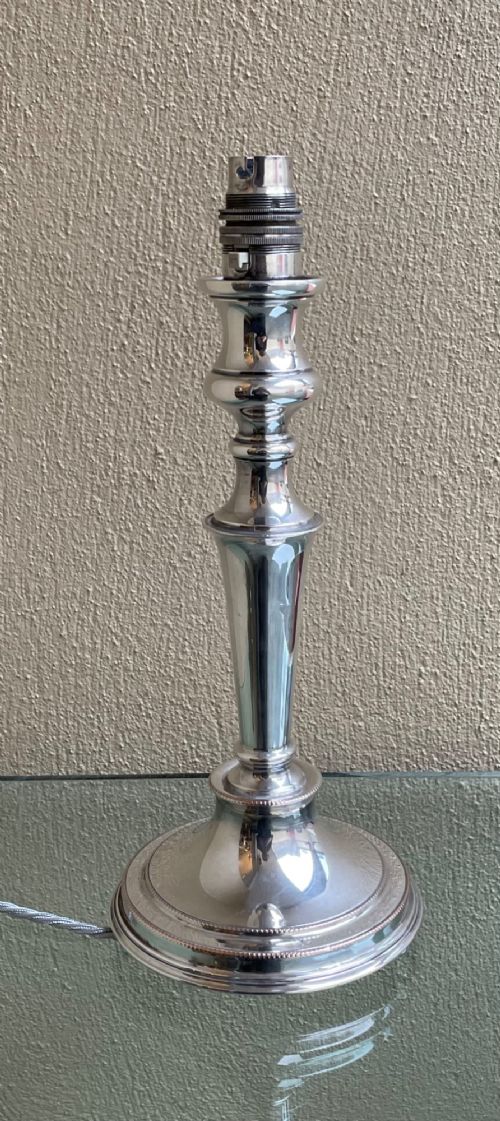
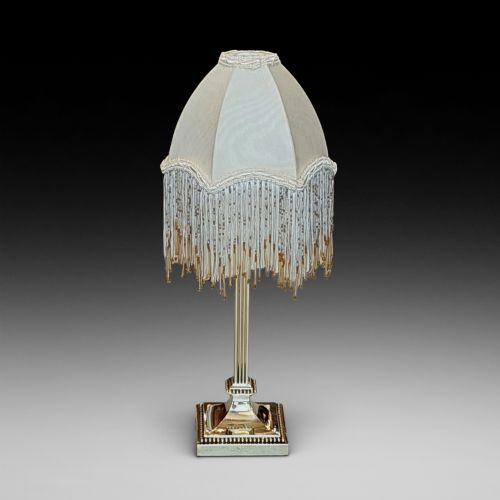
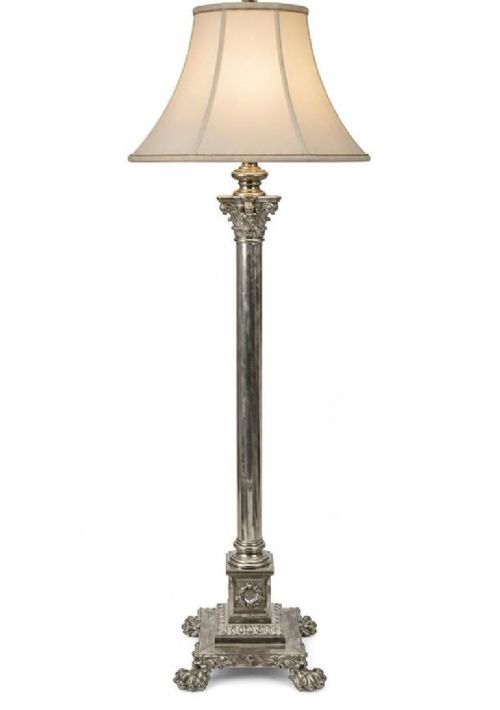
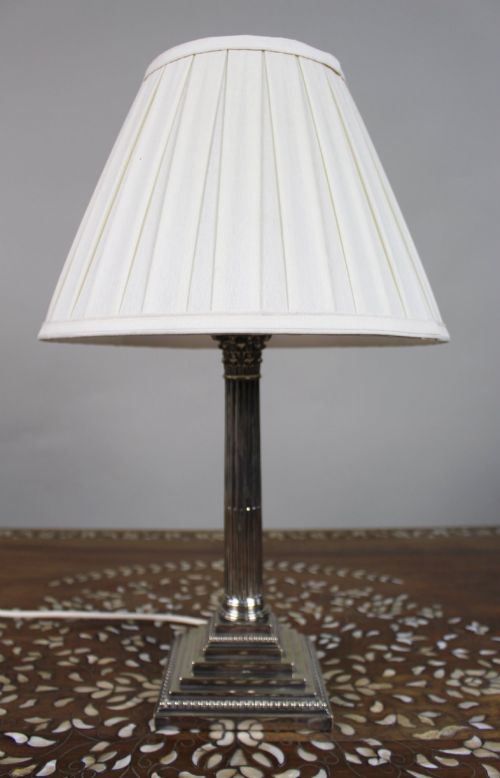
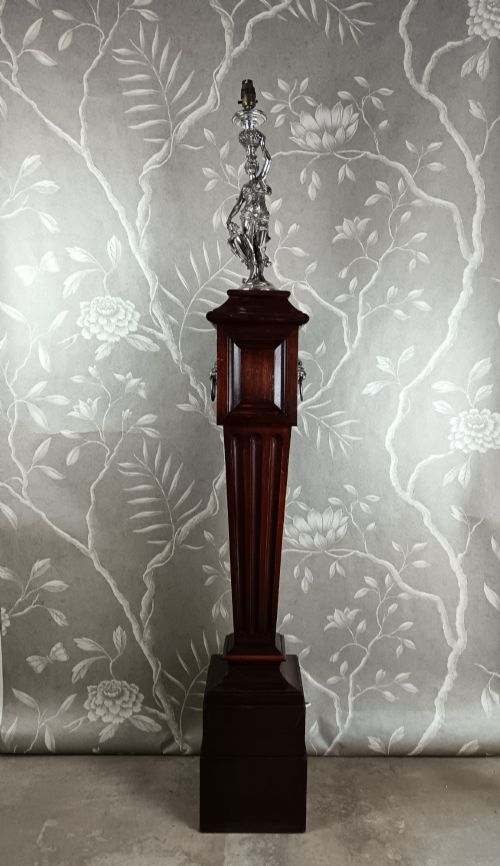
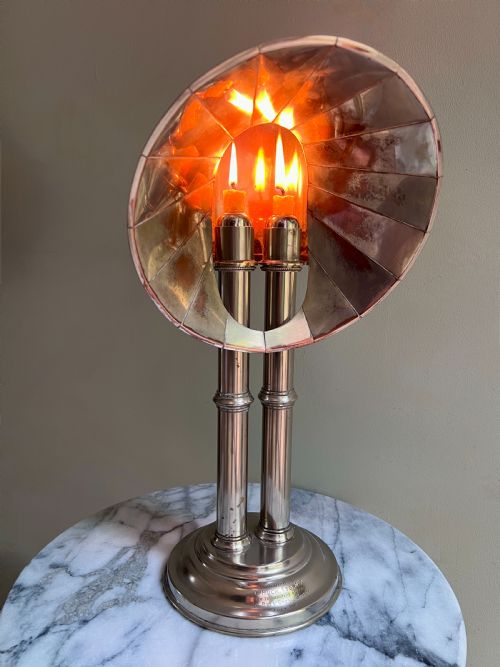
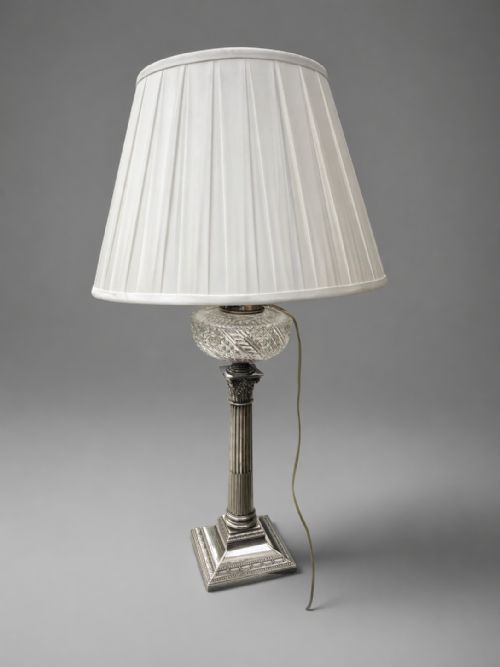
The selections available here range from tall floor-standing torchères and substantial table models to compact candle lamps. Many pieces retain original design details such as stepped plinths, lion's paw feet, or combined glass reservoirs.
Victorian and Edwardian interpretations dominate the selection, often pairing silver plate with robust metal foundations. Buyers frequently encounter pieces that have transitioned from paraffin usage to standard domestic electricity over the course of their long histories.
What varies in quality
Quality rests significantly on the crispness of the cast ornamentation on the capital and the thickness of the original metal work. Superior examples exhibit sharply defined acanthus leaves and straight, true shafts without distortion.
Maker attribution also defines the hierarchy, with pieces bearing discernible stamps from notable silversmiths commanding greater interest. The overall proportions, balance, and retention of original structural weighting further distinguish standard production models from finer commissions.
Silver Column Lamp Retail Price Guide 2026
Typical asking prices for silver column lamp among the pieces listed under this phrase on Sellingantiques today, from the lower quarter to the upper quarter. They describe what is for sale here now, not the wider market.
Object forms vary across the selection from compact table models and candle lamps to monumental floor-standing torchiere columns.
WMF·Goldsmiths and Silversmiths Company·Harrison Brothers and Howson·Palmer and Co·Mappin and Webb·Walter Latham and Son
The Silver Column Lamp Glossary
- Corinthian column
- A classical architectural order featuring an ornate capital decorated with rows of carved acanthus leaves. This motif is the most common design template found on these lamp shafts.
- Electroplate
- A process of depositing a layer of silver onto a base metal using electrical current. Most examples on the market utilise this method rather than solid precious metal.
- Torchiere
- A tall floor lamp designed to direct light upwards toward the ceiling. These pieces often feature decorative figural or column supports.
- Duplex burner
- A double-wick mechanism commonly found on period oil lamps. Collectors look for complete burner assemblies on un-converted examples.
- Sterling silver
- An alloy containing a high percentage of pure silver combined with other metals for durability. Pieces made from this material carry distinct British hallmarking.
Silver Column Lamp: Frequently Asked Questions
Are these lamps safe to use today?
Most period examples have been adapted for modern electricity and often carry updated wiring and testing certification. Buyers should check the internal wiring status of individual pieces upon purchase.
Rewired fittings allow these historic forms to function safely as everyday table or floor lighting in contemporary homes.
How do I date a silver column lamp?
Dating relies heavily on style markers, manufacturer stamps, and any engraved dedications found on the metal base or plinth. Sterling silver versions will typically bear official assay office hallmarks indicating the exact year of production.
Victorian and Edwardian models show distinct shifts in proportion, with earlier pieces frequently retaining oil burner components.
Can I polish a silver plated lamp?
Careful cleaning with appropriate silver cream maintains the lustre of the metal without wearing away the underlying plate. Gentle maintenance preserves the historic patina accumulated over decades.
Avoid abrasive compounds that can strip thin electroplating from the brass or copper foundation underneath.
Were these always electric lamps?
Many taller table and floor pieces originated as oil or paraffin burners before domestic electricity became widespread. Conversion usually occurred during the mid-twentieth century.
Traces of the original fuel reservoir or burner mechanism often remain visible beneath the modern lamp holder.