


19th Century Silver Lamp
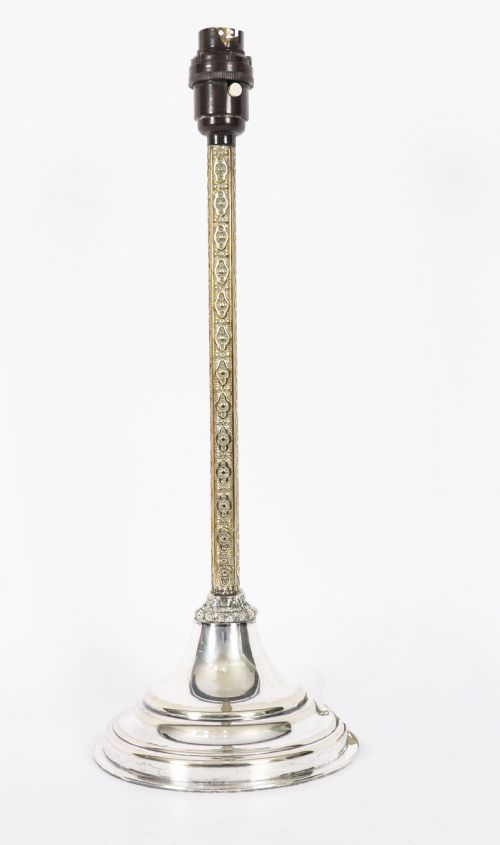
A 19th century silver lamp brings warmth and a distinct period presence to a room, offering both practical illumination and decorative weight.
19th Century Silver Lamp
The selection extends from domestic table lighting to French ecclesiastical designs and French figural sculptures in silvered spelter. These pieces reflect the varied domestic and institutional lighting requirements of the nineteenth century, utilising different fuel and candle configurations.
Origins span English workshops, French makers, and German manufacturing centres, demonstrating diverse regional tastes within the overarching Victorian style. Collectors meet both grand floor-standing designs and smaller desk or table variants in the current selection.
Assessing quality in period lighting
Quality rests on the crispness of the casting and the depth of the silver plating over the underlying base metal. Pieces produced by documented firms display superior weight, balanced proportions, and refined chasing on decorative surfaces.
The integration of secondary materials, such as high-grade satin glass reservoirs or well-fitted mounts, distinguishes standard domestic items from exceptional salon examples. Original components and signed maker marks further elevate the standing of an individual lamp.
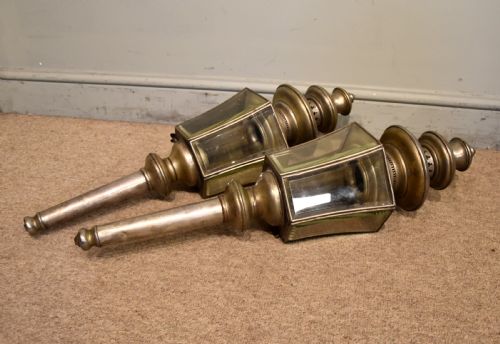
Some nineteenth-century carriage lamps were designed to withstand the violent motion of horse-drawn transport on cobbled Victorian streets.
Mappin & Webb·Goldsmiths and Silversmiths Company·Harrison Brothers & Howson·Auguste Moreau·Palmer & Co·C.R.Dibben
The 19th Century Silver Lamp Glossary
- Silver plate
- A thin layer of silver applied to a base metal core such as copper or brass. This technique allowed Victorian manufacturers to produce substantial decorative items at a lower cost than solid sterling silver.
- Corinthian column
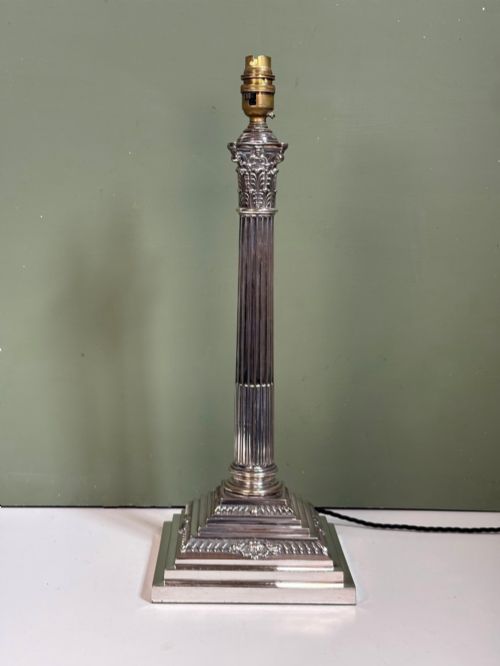
- A classical architectural column style featuring an ornate capital decorated with acanthus leaves. This motif proved especially popular for nineteenth-century table lamps.
- Spelter
- An alloy of zinc and lead used as a base for cast figures and decorative objects. It was frequently painted or electroplated to imitate bronze or silver.
- Peg oil lamp
- A small lamp featuring a glass or metal font designed to fit into the top of a separate candlestick or base. These items were common in Victorian households before widespread electrification.
- Parcel gilt
- A decorative treatment where specific areas of an object are highlighted with gold leaf or gilding while the remainder retains its silver finish.
19th Century Silver Lamp: Frequently Asked Questions
Are these lamps safe to use today?
Many period lamps require professional rewiring and safety testing to meet modern electrical standards before daily use in a home.
Qualified electricians can adapt historic fittings to accept contemporary bulbs while preserving the original exterior appearance.
How do I clean a silver plated lamp?
Gentle dusting with a soft cloth maintains the surface without wearing away the historic silver plate layer.
Avoid harsh commercial dips that strip the character and thin the remaining plating on brass or copper bases.
What is the difference between solid silver and silver plate?
Solid sterling silver bears official hallmarks indicating its metal purity and origin throughout its structure.
Silver plate consists of a precious outer coating over a base metal such as copper, brass, or spelter.
Where were these lamps originally placed?
Table lamps and oil lamps occupied sideboards, desks, and parlours to provide focused task and ambient light.
Larger column lamps and ecclesiastical pieces served in formal reception rooms, halls, or institutional settings.