


Classical Revival Table Lamp
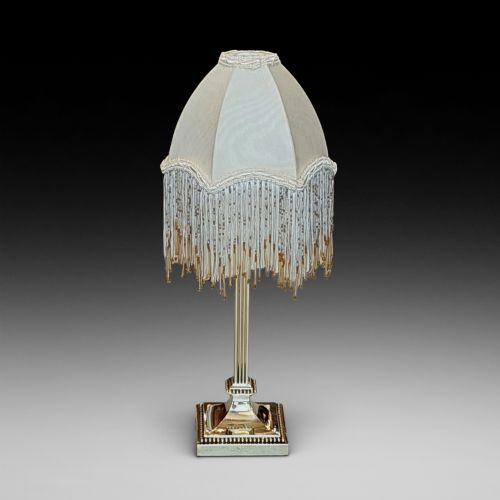
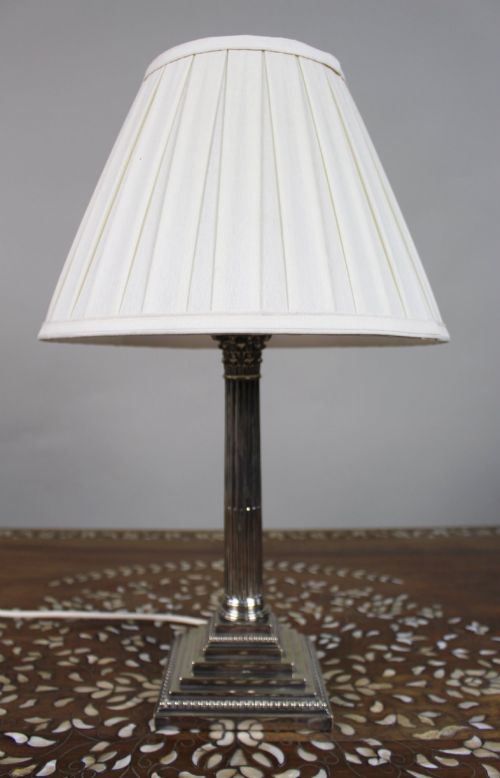
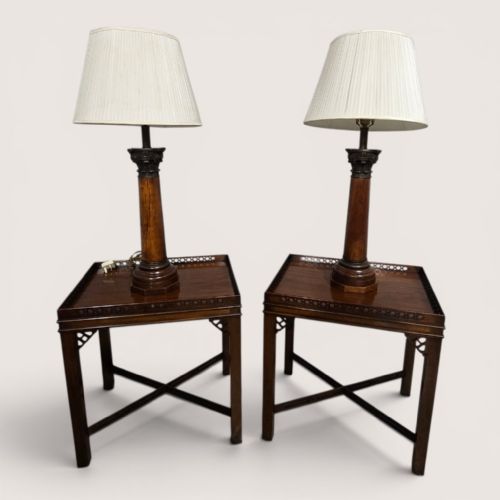
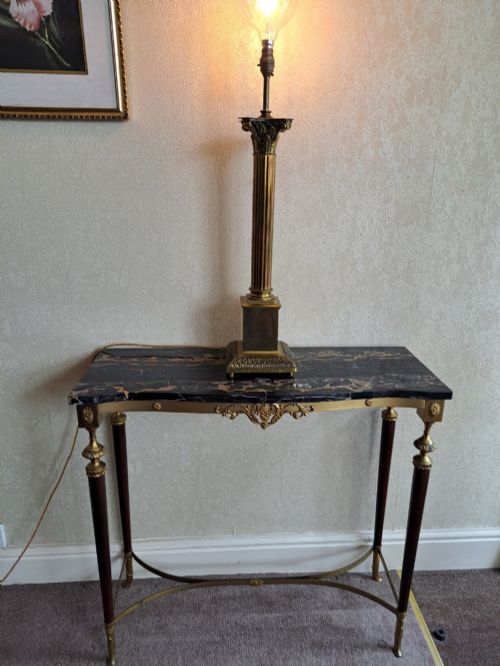
A classical revival table lamp brings sculptural weight and neoclassical ornament to a room.
What these pieces are
A classical revival table lamp adapts architectural forms from antiquity into domestic lighting for the nineteenth and early twentieth centuries. These pieces translate stone and metal columns into functional desk and room lamps.
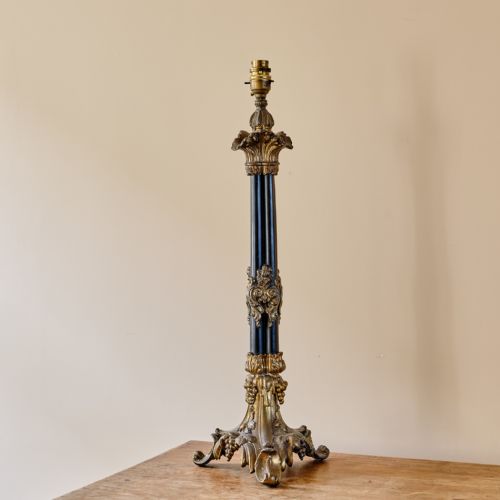
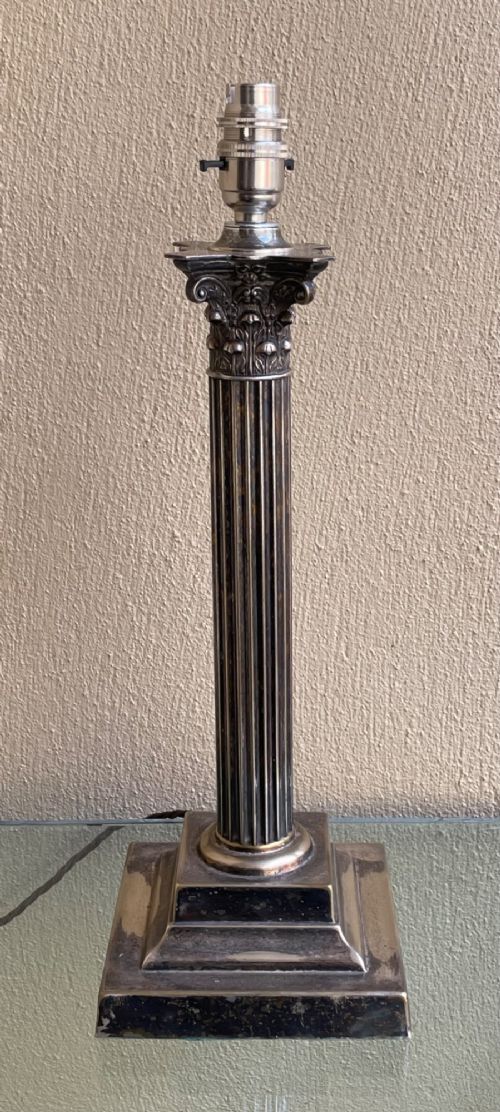
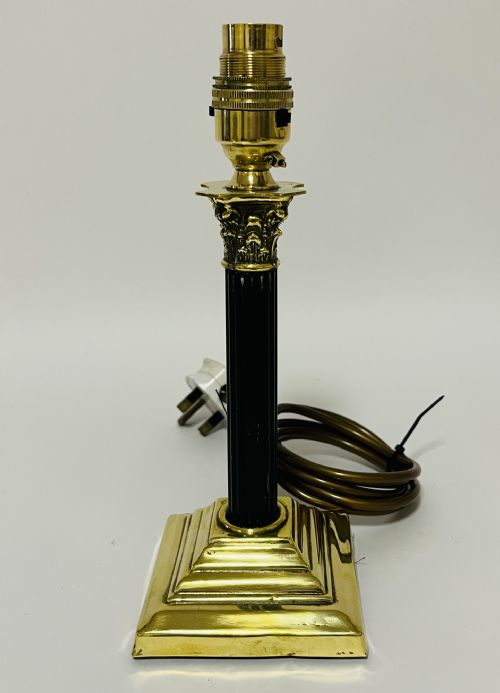
The selections on this page span the Victorian, Edwardian and nineteen-thirties periods, drawing on Neoclassical and Victorian Classical Revival styles. Corinthian columns dominate the available forms, often raised on lion's paw feet.
Makers of this era turned structural elements into decorative lighting by mounting electrical fittings or oil burners atop classical capitals. The resulting objects sit comfortably on side tables and desks as functional centrepieces.
How they were made
Metalworking techniques produced sturdy bases through silver plating, gilt metal mounting and ormolu framing over brass cores. Craftsmen combined these metallic elements with turned stone components like alabaster and onyx.
Glassworking appears in cut glass reservoirs and shades that diffuse the light cast by the burner or bulb. Fabric elements complete the construction, sitting above the heavy stone and metal bodies to soften the downward illumination.
Retail Price Guide 2026
Typical UK retail prices for classical revival table lamp, calculated from the Sellingantiques database of over a million retail prices indexed since 2003. This retail price guide relies exclusively on Sellingantiques data; no external sources or auction records are used, so the figures do not describe the wider market.
Some Corinthian columns stand firmly on tiny metal lion's paw feet, ready to prowl across the mahogany.
What varies in quality
The distinction between standard production and finer execution lies in the sharpness of the casting and the selection of raw materials. Heavy mounts of ormolu and solid cuts of alabaster or onyx elevate the visual depth of the column.
Detailing on capitals and feet marks the difference in workshop standards. Crisp acanthus leaves on a Corinthian capital and well-defined lion's paw feet indicate a higher grade of Victorian manufacturing.
The Classical Revival Table Lamp Glossary
- Corinthian column
- An architectural support featuring an ornate capital decorated with rows of acanthus leaves. This motif is frequently utilised on the shafts of classical revival table lamps.
- Ormolu
- Finely ground high-carat gold applied to a bronze or brass object using a mercury amalgamation technique. It provides a bright, lasting metallic finish on nineteenth-century mounts.
- Alabaster
- A fine-grained, translucent stone often carved into smooth cylindrical shafts for decorative objects. It allows light to pass through its surface with a soft glow.
- Silver plate
- A thin layer of silver bonded to a base metal core such as brass or copper. This method provided the appearance of solid silver at a lower production cost.
Frequently Asked Questions
What periods do these lamps come from?
These lamps date primarily from the Victorian and Edwardian eras, extending into the nineteen-thirties. They reflect nineteenth-century revivals of ancient Greek and Roman design.
Makers of these periods reused classical motifs across different decades, making precise dating dependent on material combinations and manufacturing marks.
How were column lamps originally used?
Column lamps served as primary light sources in Victorian and Edwardian interiors, often sitting on heavy library desks or drawing-room side tables. They provided targeted illumination before electricity became widespread.
Many of these objects were later converted from oil or gas to electricity while retaining their original metal and stone columns.
What materials are commonly found in these pieces?
Construction materials include silver plate, brass, metal, gilt mounts, and ormolu. Natural stones such as alabaster and onyx frequently form the main column shafts.
Glass and fabric components appear in the upper sections for shade and light diffusion, balancing the heavy stone and metal bases.
How do I clean a metal and stone lamp?
Cleaning requires gentle dusting with a soft, dry cloth to protect delicate silver-plated surfaces and stone bodies. Avoid harsh chemical polishes that can strip thin metallic coatings.
Alabaster and onyx are porous materials that should be kept away from excessive moisture and oils during maintenance.