



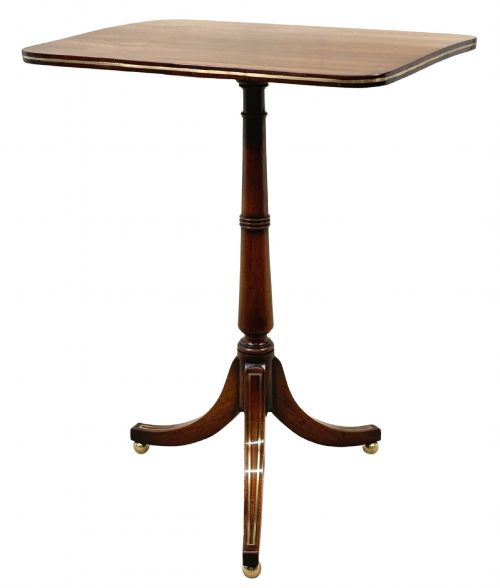


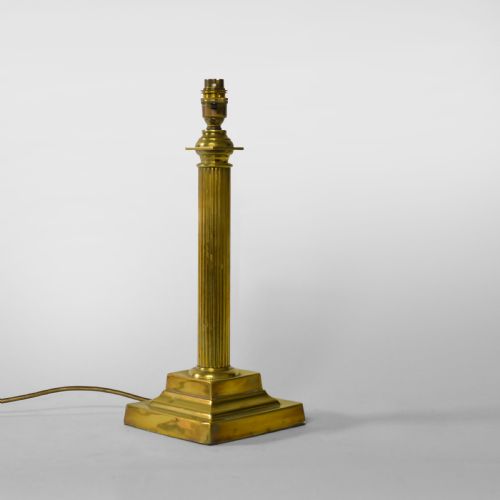
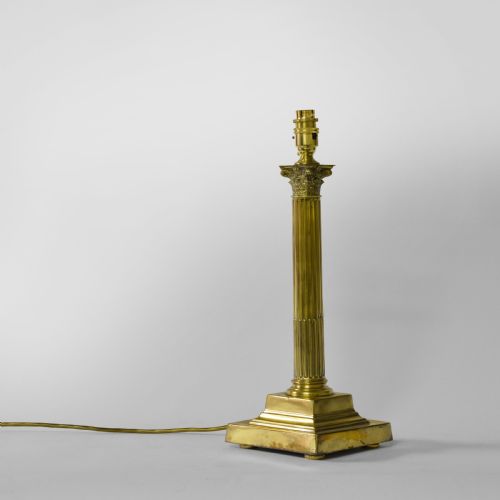
Brass Pedestal Lamp
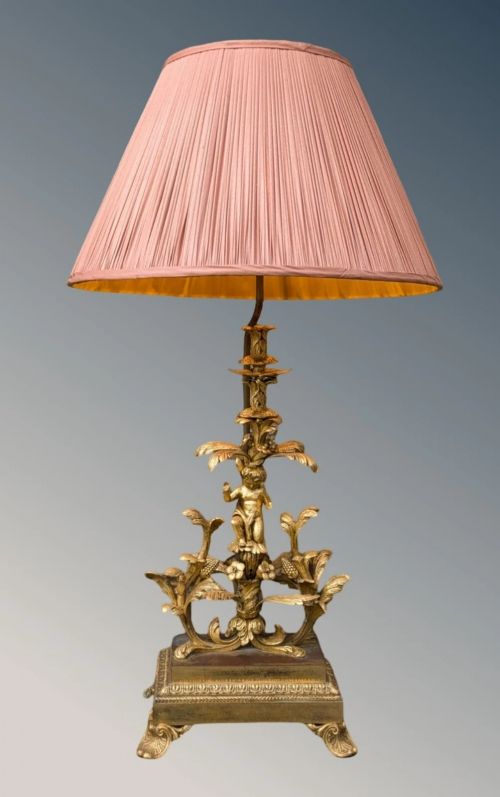
These brass pedestal lamp examples combine solid metal columns with classical proportions, offering a dependable focal point for any room.
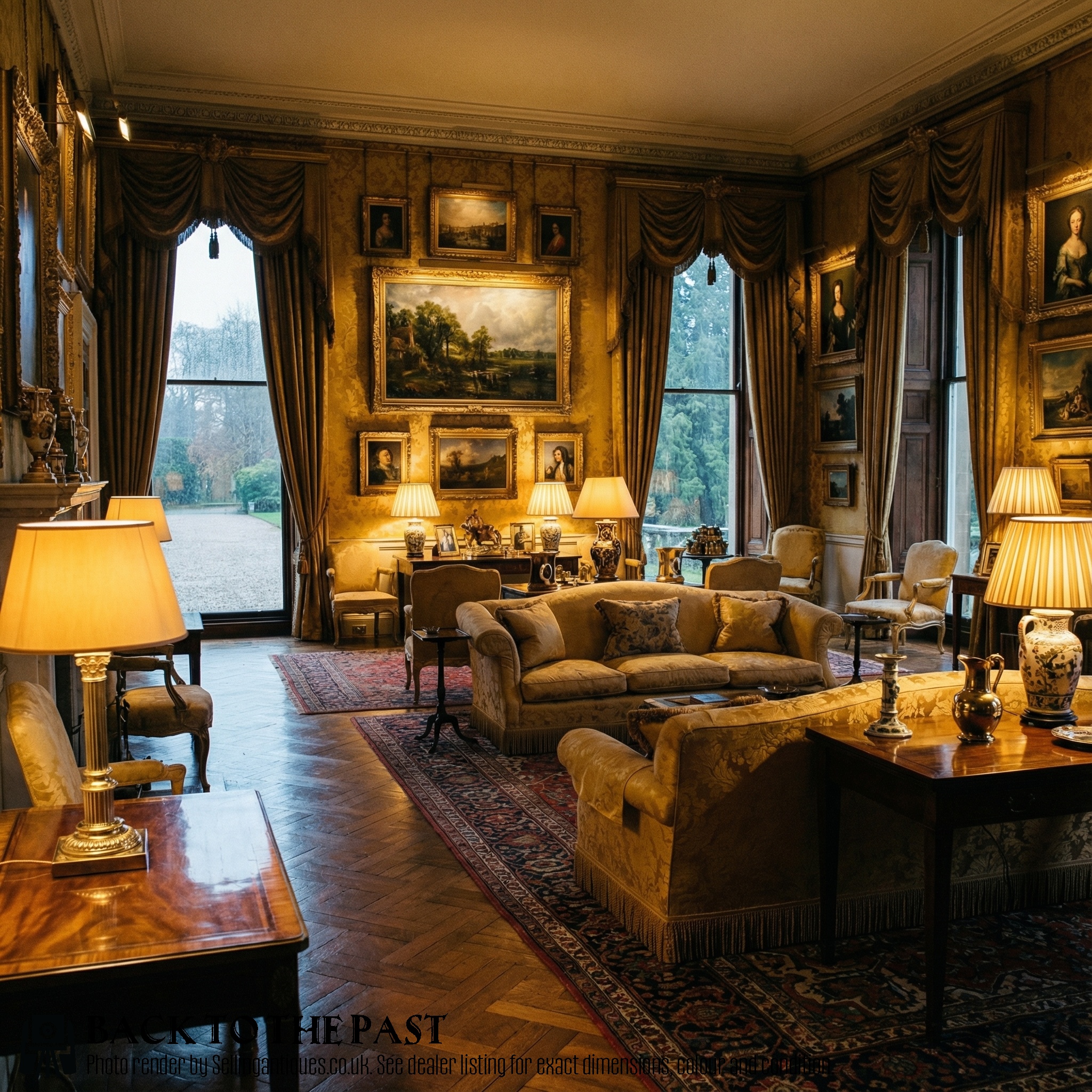
Brass pedestal lamp types
A brass pedestal lamp combines metal columns with weighted bases to provide stable illumination on tables and desks. These pieces span from the nineteenth century into the twentieth century, reflecting shifts in domestic lighting from oil to electricity.
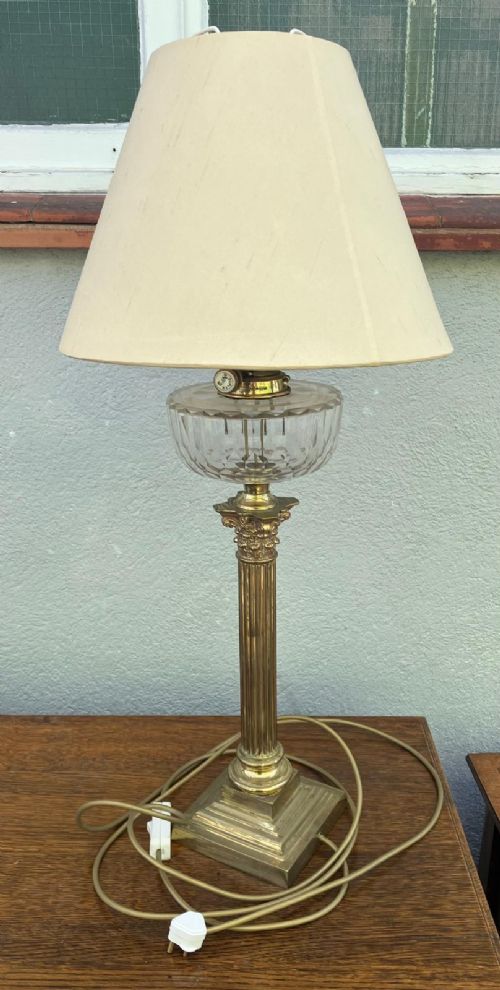
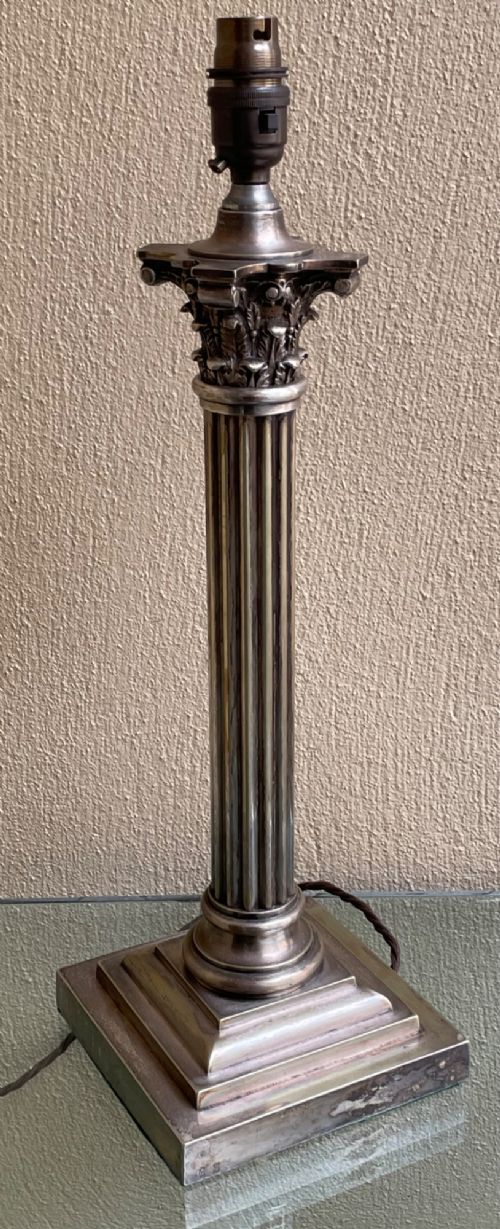
The most common examples on this page are column lamps and table lamps, often showing Victorian and Edwardian design influences. Pieces range from plain brass column bases to elaborate Neoclassical Revival forms complete with fabric or glass shades.
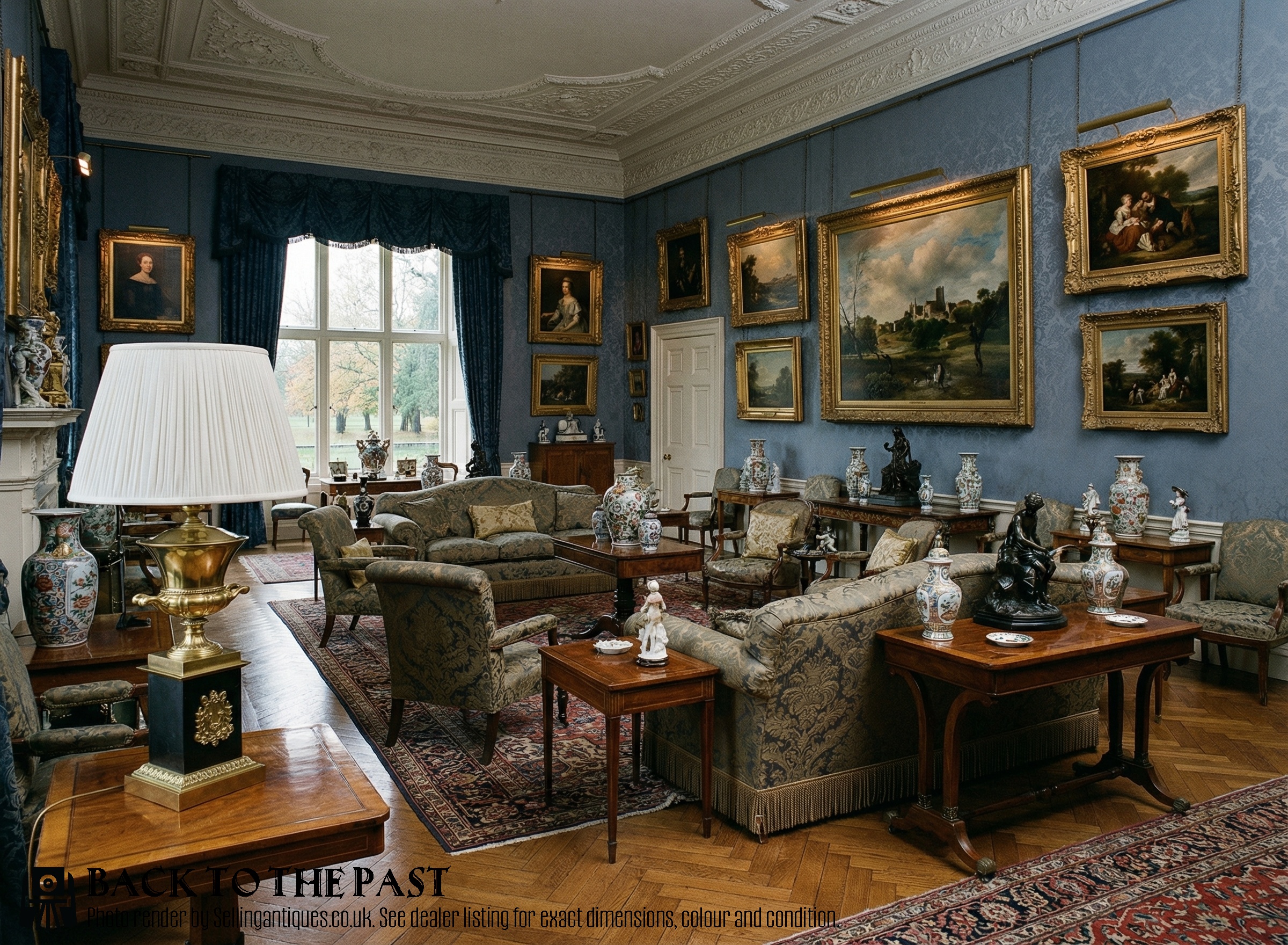
Materials and construction
Makers utilised solid brass for the main structural elements, often combining it with slate bases or porcelain bodies to add weight and decorative contrast. Metal components were cast, turned on lathes, and polished to create smooth shafts and detailed capitals.
Lighting fixtures were completed with glass fonts, opaline glass, or cranberry glass, while surviving examples frequently retain or are paired with silk and fabric shades.
Retail Price Guide 2026
Typical UK retail prices for brass pedestal lamp, calculated from the Sellingantiques database of over a million retail prices indexed since 2003. This retail price guide relies exclusively on Sellingantiques data; no external sources or auction records are used, so the figures do not describe the wider market.
Listings on this page span from the mid-nineteenth century through the Edwardian era to the 1930s, featuring solid brass, slate, and opaline glass.
Judging quality
Quality rests in the crispness of the casting work, particularly on Corinthian capitals or Neoclassical motifs where sharp detailing separates standard production from finer pieces. Heavier gauge brass and integrated slate or porcelain elements indicate higher manufacturing standards.
Proportion and architectural balance dictate the overall success of the design, with well-scaled columns looking far more resolved than heavy or squat bases.
The Brass Pedestal Lamp Glossary
- Column lamp
- A lighting fixture featuring a vertical pillar or shaft standing on a stepped base. This form borrows directly from classical architecture.
- Corinthian column
- A pillar style topped with ornate acanthus leaves and scrolls. It appears frequently on nineteenth-century brass bases.
- Neoclassical revival
- A design movement drawing inspiration from ancient Greek and Roman art. It favours symmetry, clean lines, and classical orders.
- Opaline glass
- A semi-translucent white glass used for lamp bodies and shades. It diffuses light softly across a room.
- Font
- The reservoir that holds oil in older lamps before conversion to electricity. Many surviving brass lamps retain these metal or glass vessels.
Frequently Asked Questions
Are these lamps converted from oil?
Many nineteenth-century examples began life as oil lamps before later conversion to electricity. This evolution is standard for period lighting.
Conversion methods vary, but the original brass and glass structure usually remains intact above the base.
How do I date a brass column lamp?
Dating relies on stylistic clues like classical detailing, base materials such as slate, and manufacturing marks. Victorian and Edwardian examples show distinct architectural proportions.
Looking closely at the construction of the collar and burner assembly also helps narrow down the decade.
Where should I place a pedestal lamp?
These lamps suit side tables, desks, and sideboards where their vertical height can fill a dark corner. Solid brass reflects ambient light effectively.
Pairing them with appropriate fabric or glass shades helps balance the visual weight of the metal base.
What shades suit these lamp bases?
Fabric, silk, and glass shades all complement nineteenth and early twentieth-century brass. Matching the shade scale to the column width is essential.
Opaline and cranberry glass shades echo the original Victorian materials often found on period lighting.