

Fluted Brass Lamp
A fluted brass lamp brings architectural columns and warm metallic lustre into a room, offering both character and functional lighting.
What a fluted brass lamp is
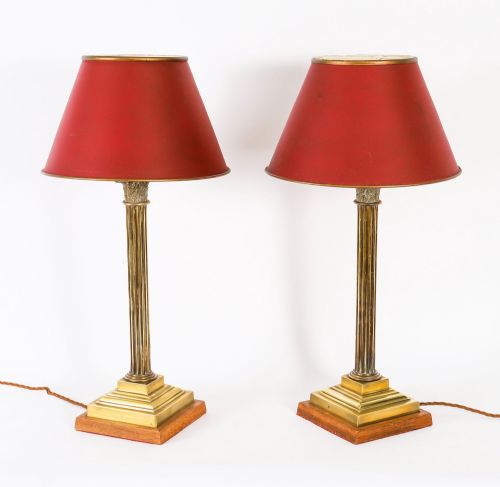
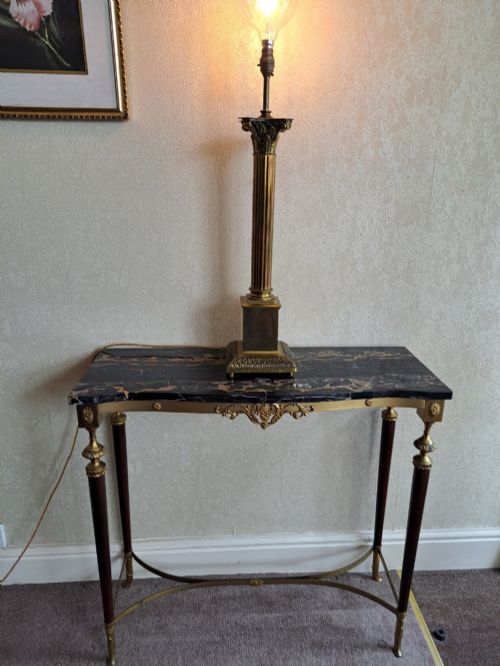
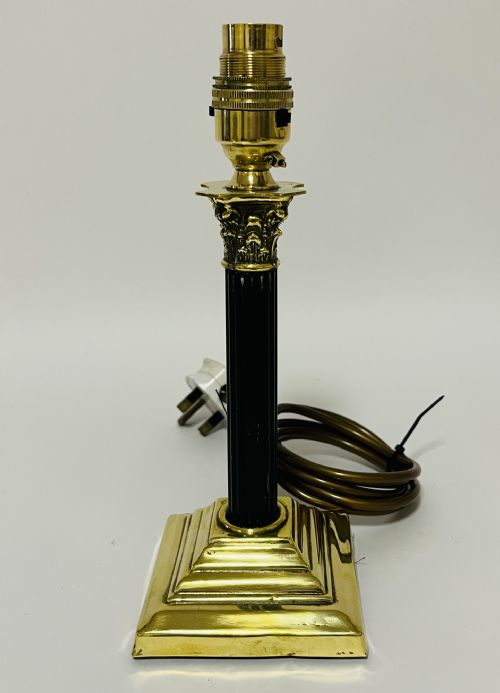
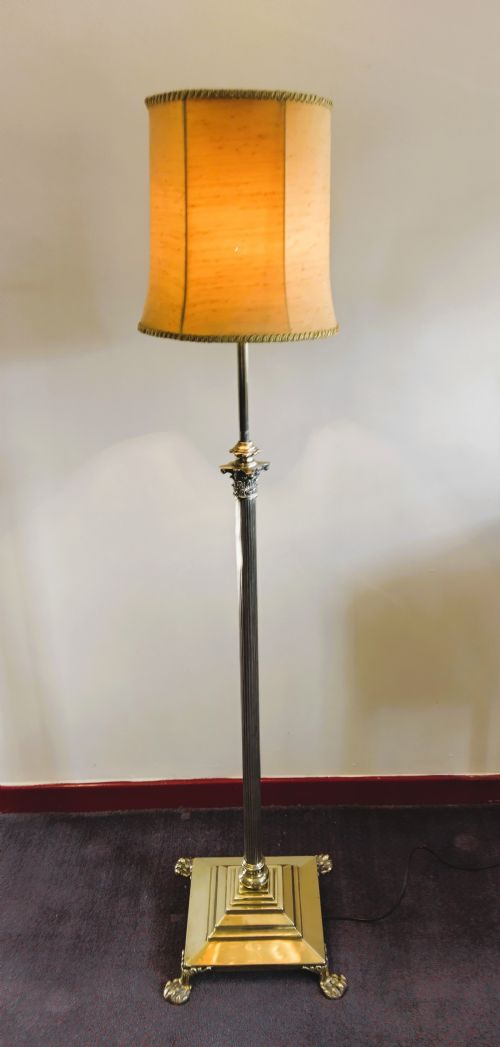
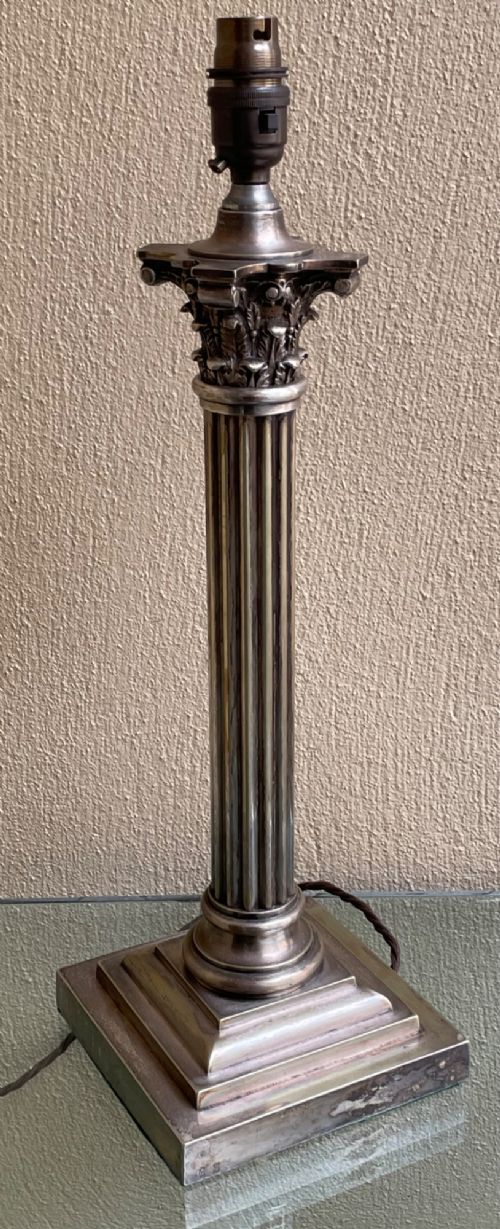
When you search for a fluted brass lamp, you are looking at upright lighting fixtures built with carved vertical grooves along the shaft. These range from heavy floor-standing standard lamps to smaller table versions designed for everyday illumination.
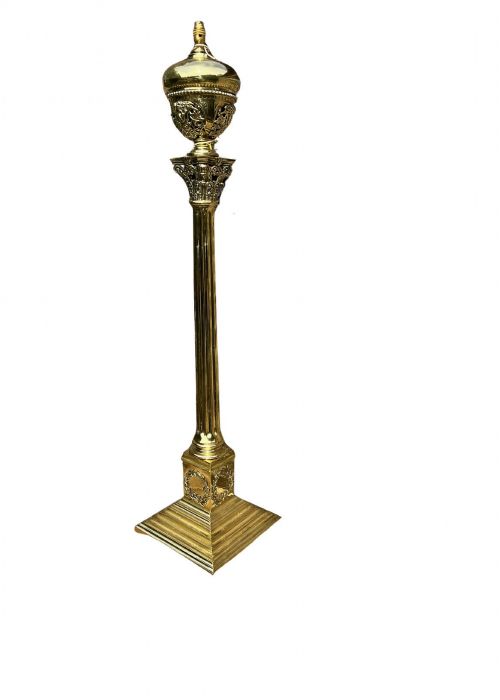
The pieces you are most likely to meet on this page date from the Victorian era, the Edwardian period, and the early twentieth century. They adopt classical architectural orders, notably the Corinthian style, translating stone column designs into domestic metalwork.
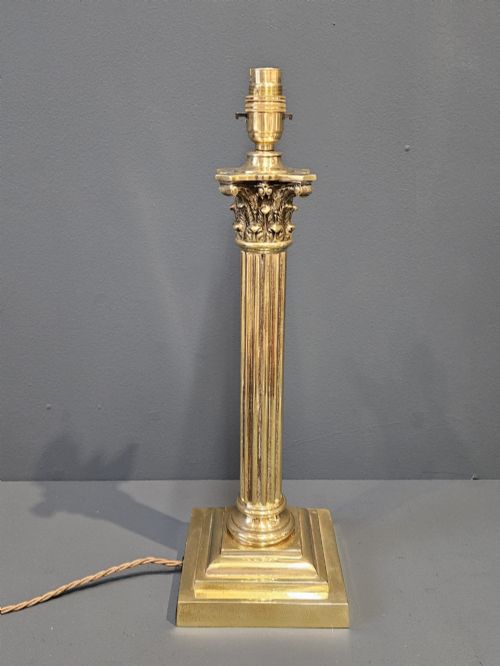
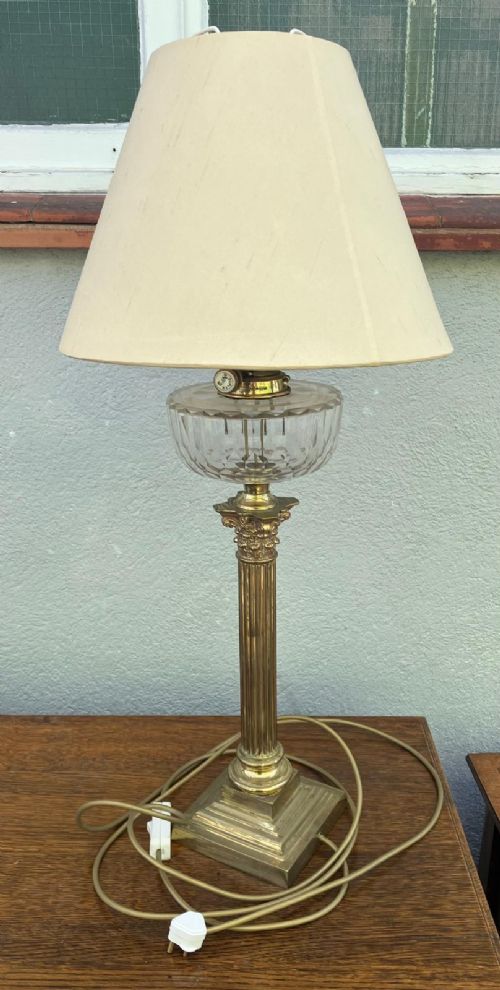
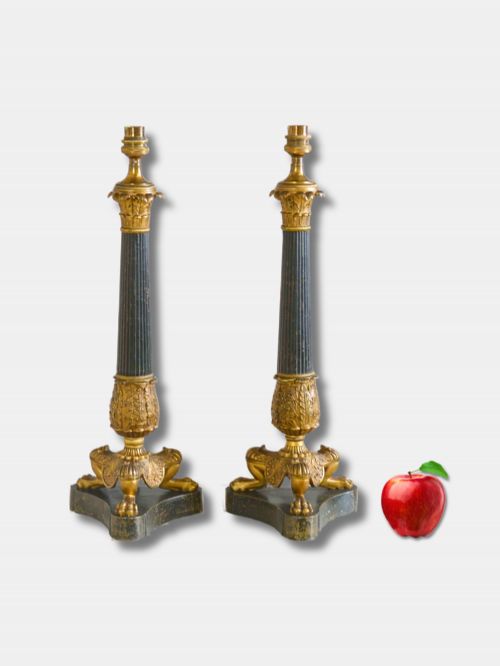
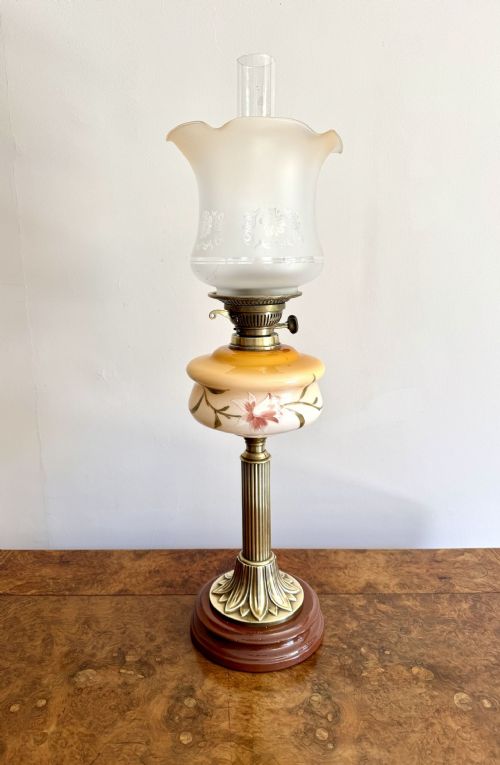
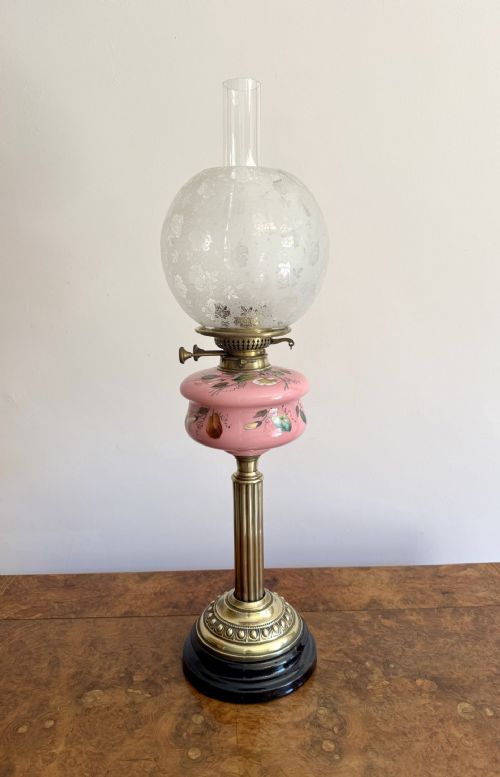
Forms include converted oil lamps, tall telescopic standard lamps, and solid column table lamps. Many incorporate decorative capitals and stepped square bases that echo neoclassical architecture.
How they were made
Makers utilised cast and turned brass to construct these lamps, often combining components to achieve height and stability. The vertical flutes were cleanly cut into the metal shafts to catch the light and create shadow lines.
Many examples started life as oil or paraffin burners before later conversion to electricity. They frequently feature detailed Corinthian capitals cast separately and fitted to the top of the fluted column.
Retail Price Guide 2026
Typical UK retail prices for fluted brass lamp, calculated from the Sellingantiques database of over a million retail prices indexed since 2003. This retail price guide relies exclusively on Sellingantiques data; no external sources or auction records are used, so the figures do not describe the wider market.
Messenger was a notable Victorian maker of paraffin lamps, turning practical household utility into gleaming Corinthian columns.
What varies in quality
The distinction between standard examples and the finest pieces lies in the crispness of the casting and the weight of the metal. Superior standard lamps include telescopic mechanisms that move smoothly and heavy weighted bases that keep the tall columns stable.
Detailing on the capital also separates ordinary production from high-end manufacture. Finely chased acanthus leaves on a Corinthian capital show a level of hand-finishing that machine-stamped alternatives simply lack.
The Fluted Brass Lamp Glossary
- Fluting
- Vertical parallel grooves cut into the shaft of a column. This decorative technique originates in classical architecture and draws the eye upward.
- Corinthian
- A classical architectural style characterised by ornate capitals decorated with acanthus leaves. Lamps of this design imitate ancient Greek and Roman stonework.
- Telescopic
- An adjustable mechanism allowing the upper section of a standard lamp to rise and fall. This feature enabled users to alter the height of the light source.
- Capital
- The uppermost member of a column, sitting between the shaft and the load. On these lamps, it forms a decorative transition beneath the burner or bulb holder.
Frequently Asked Questions
What is a fluted brass lamp?
A fluted brass lamp is a lighting fixture featuring a metal column carved with vertical grooves. These pieces draw on classical architecture to provide decorative illumination.
They appear as both table models and tall standard lamps designed to stand directly on the floor.
Were these lamps originally for oil?
Many tall standard lamps and table fixtures began as oil or paraffin burners before electricity became common. Makers subsequently adapted them to take electric bulbs.
Converted pieces retain their original reservoirs and burners, bearing witness to their earlier domestic function.
Where should I place a standard lamp?
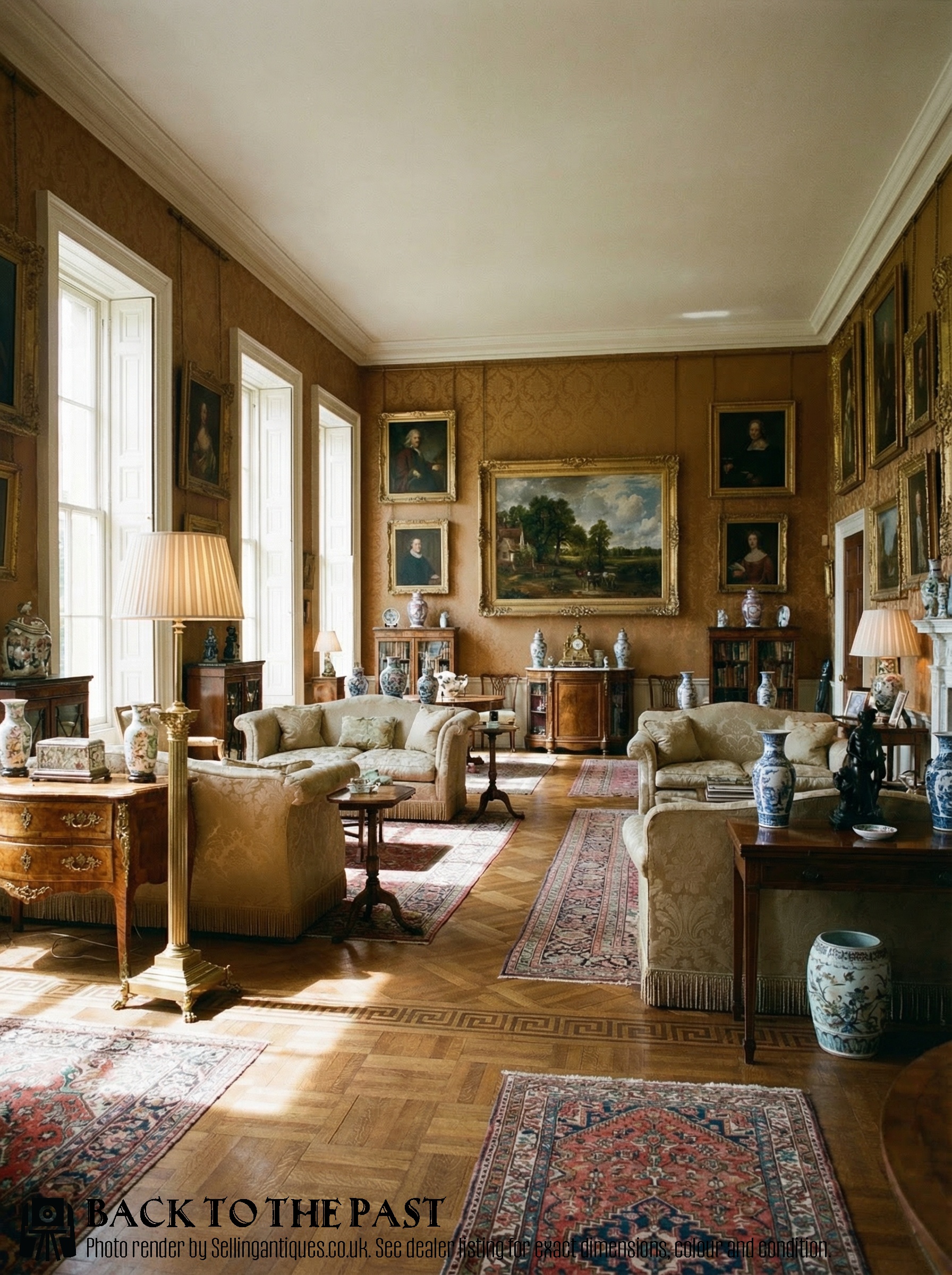
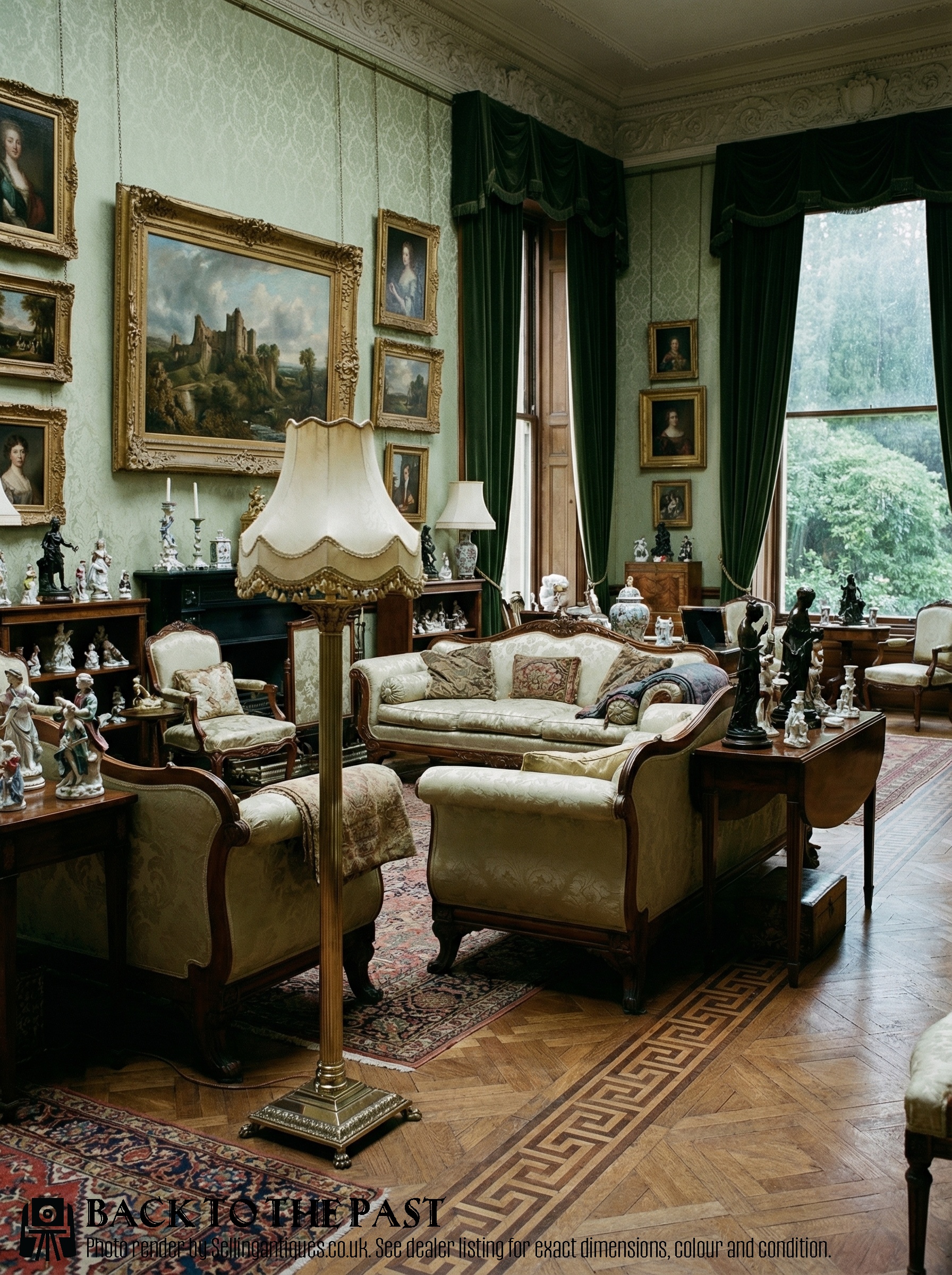
Floor-standing standard lamps work well beside armchairs or in unlit corners where they provide ambient vertical height. Their heavy bases allow them to stand securely in living spaces.
Telescopic models offer the added benefit of adjustable height to suit different seating arrangements.