
Vintage Oil Lamp
A vintage oil lamp brings warm, tactile history into a room, offering the heavy substance of brass, ceramic, and coloured glass.
Vintage Oil Lamp
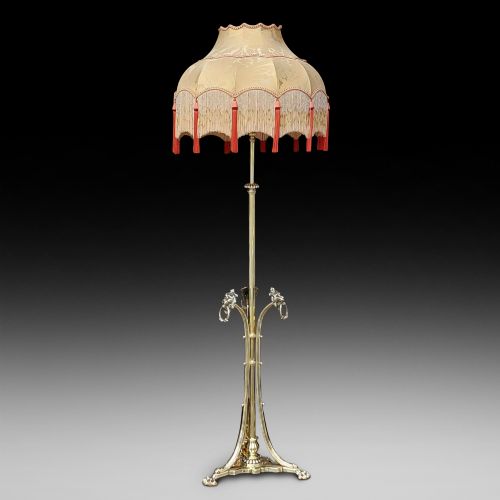
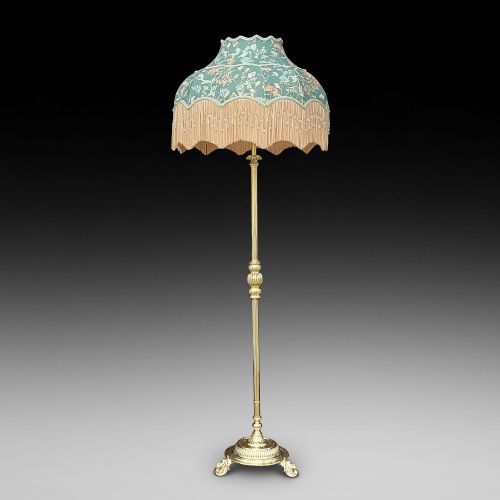
When you search for a vintage oil lamp, you encounter lighting designed before electricity reached every home, spanning the Victorian and Edwardian eras down to the early twentieth century. These domestic fixtures range from modest table designs to towering adjustable floor standards and hanging pieces intended for domestic interiors.
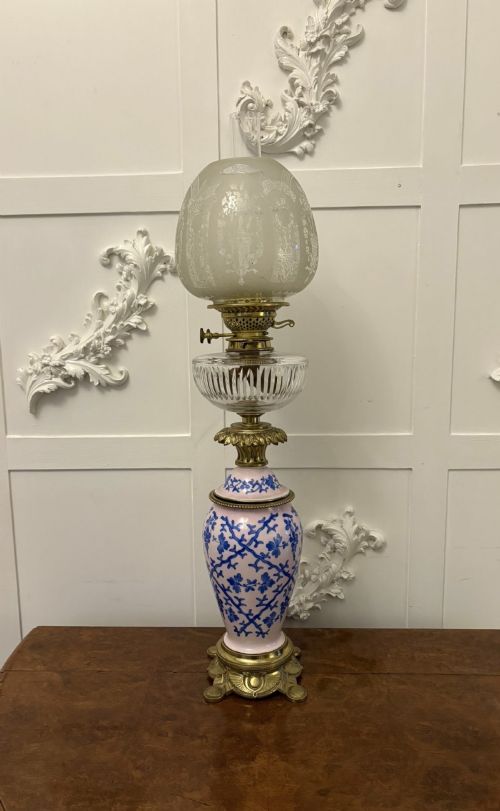
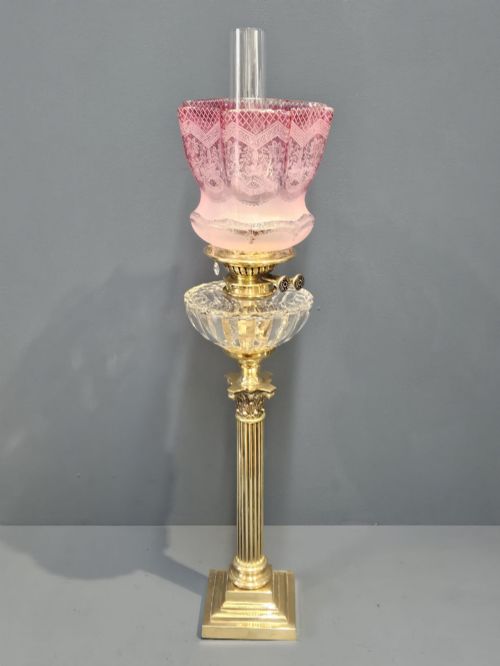
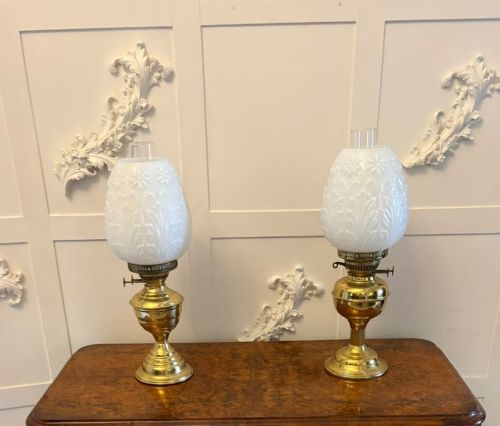
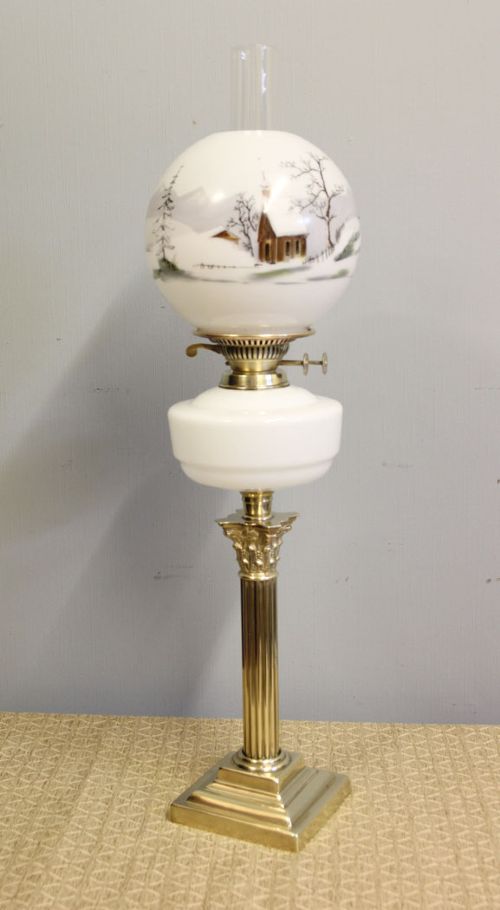
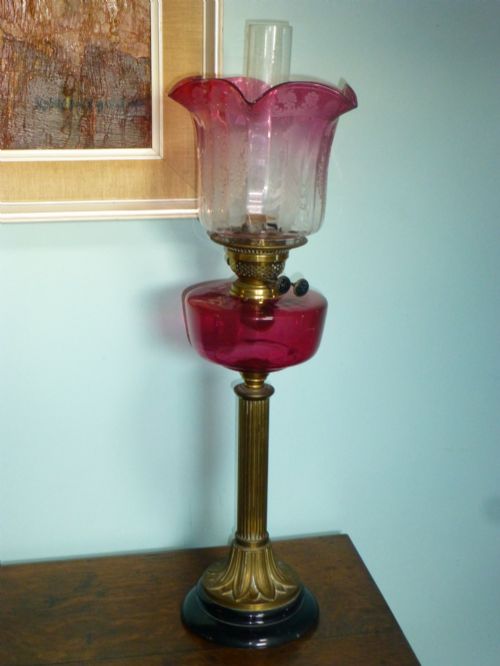
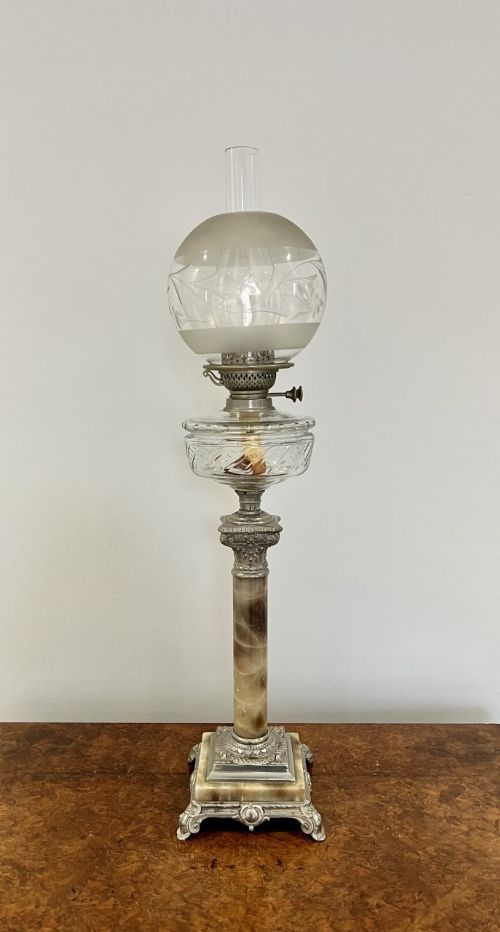
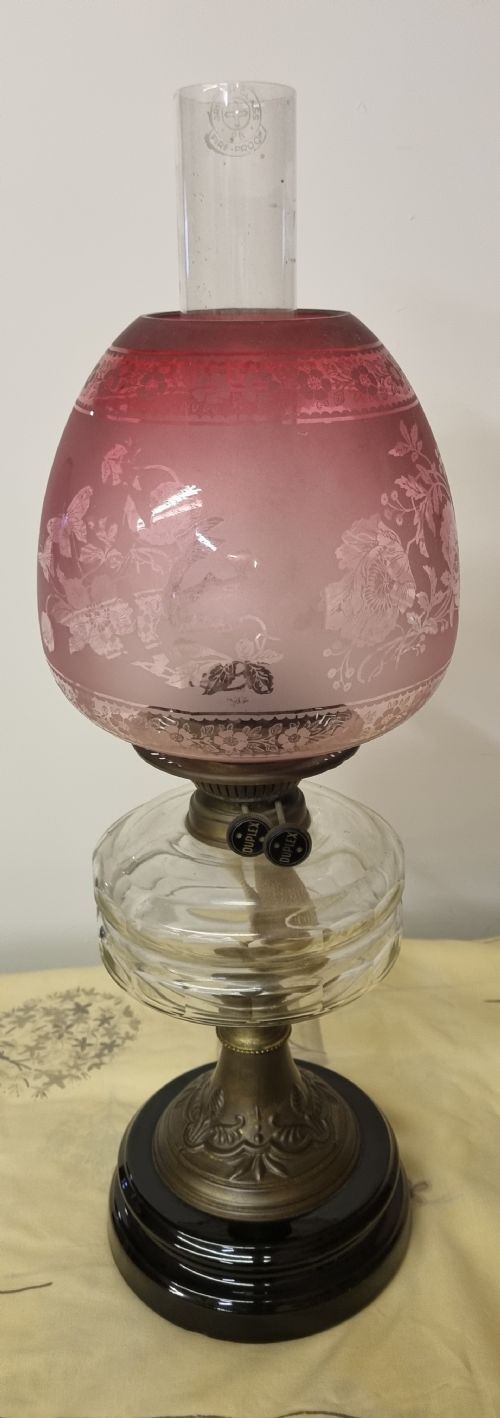
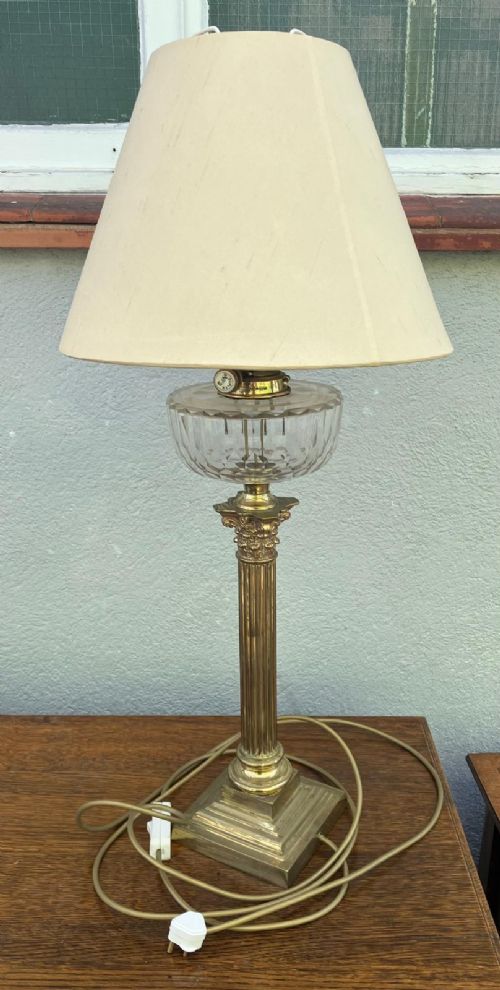
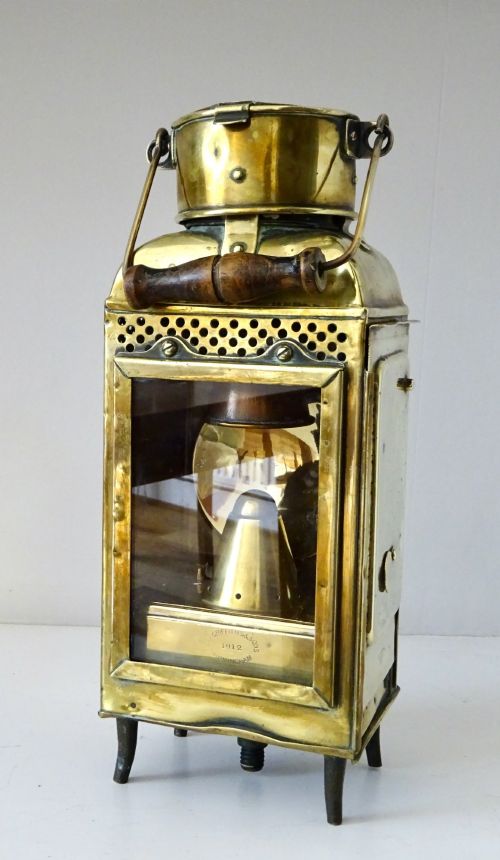
The most common examples on this page are sturdy brass table models, often featuring Corinthian columns or ceramic fonts paired with matching glass shades. Alongside standard lighting, the selection includes related items such as table lighters, student lamps, and railway lanterns dating from the nineteenth century onward.
Materials and construction
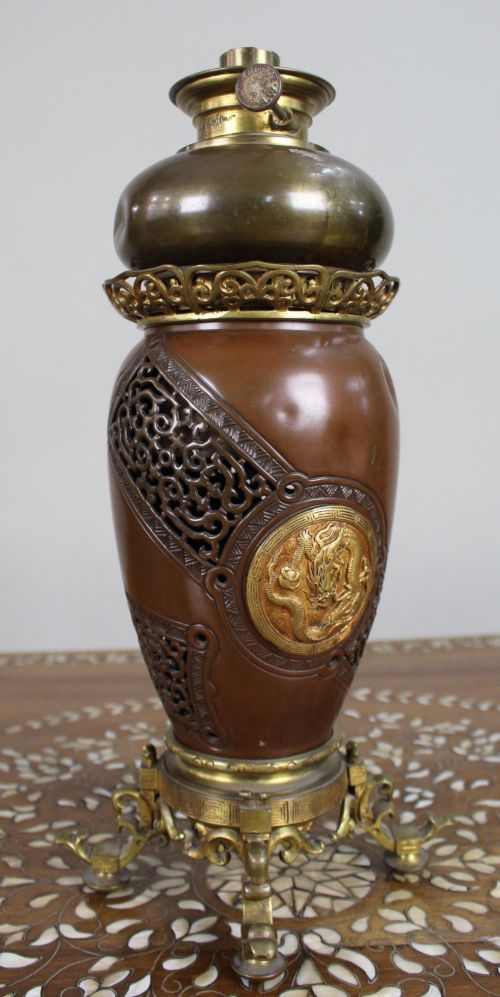
Makers constructed these pieces predominantly from cast and spun brass, heavy ceramic, and hand-blown or moulded glass. Metal components often combine copper or bronze, utilising sturdy mechanical extenders and specialised twin burners developed by firms like Hinks.
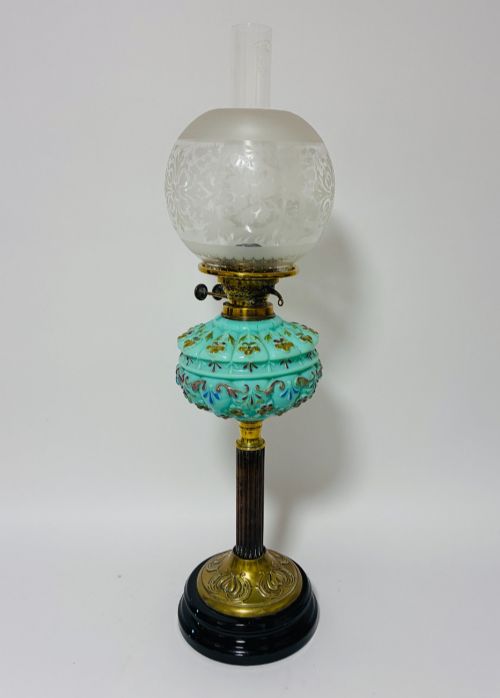
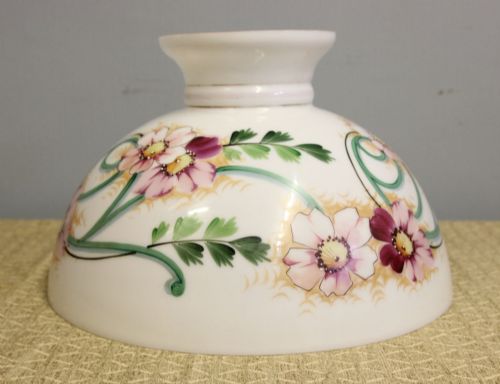
Glasswork takes many forms, from striking cranberry glass and opaline finishes to hand-painted botanical motifs and winter scenes on shades. Structural integrity relies on solid column supports, weighted bases, and fitted metal collars designed to hold oil reservoirs securely.
Vintage Oil Lamp Retail Price Guide 2026
Typical asking prices for vintage oil lamp among the pieces listed under this phrase on Sellingantiques today, from the lower quarter to the upper quarter. They describe what is for sale here now, not the wider market.
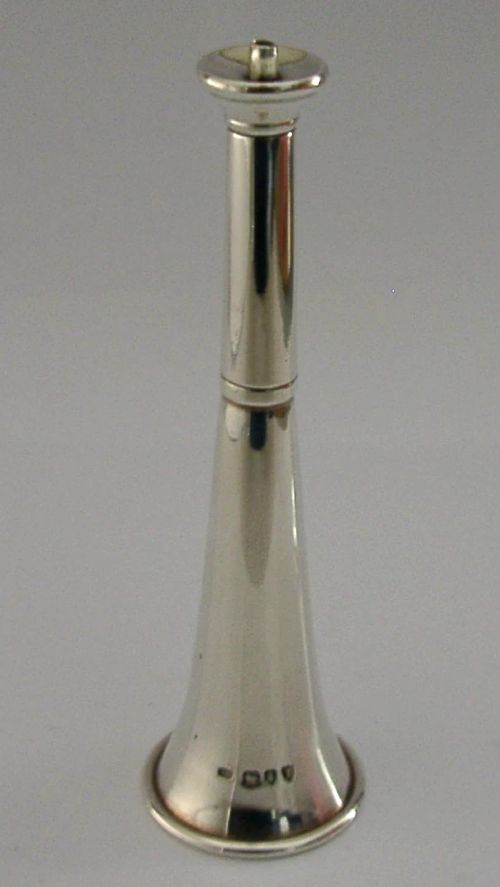
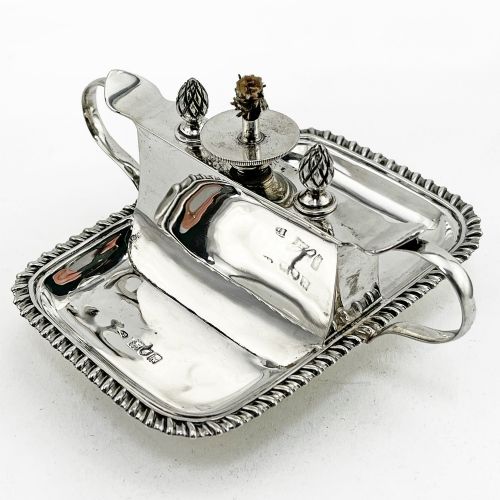
Certain brass table lighters on this page take the cheerful form of hunting horns designed to spark evening cigars.
Factors of quality
Quality rests on the weight of the metal castings, the crispness of classical detailing such as fluted Corinthian columns, and the presence of original maker stamps on burners and mechanisms. Finer examples retain matching hand-blown glass shades with unblemished hand-painted decoration.
Proportion and scale distinguish superior items, particularly in tall floor standards and figural porcelain bases where artistic ambition matches engineering. Lesser examples utilise lighter stamped metals and replacement glass components lacking period harmony.
Eli Griffiths And Sons·Hinks·Sitzendorf·Gustave Serrurier Bovy
The Vintage Oil Lamp Glossary
- Duplex burner
- A double-wick burner system designed to provide enhanced illumination from a single oil reservoir. It represents a significant nineteenth-century upgrade in lighting brightness.
- Font
- The oil reservoir portion of the lamp, typically formed from glass, porcelain, or brass. It sits above the base and beneath the burner assembly.
- Lucerna
- An antique cast bronze or brass oil lamp type, often Italian in origin. These items reflect earlier traditional lighting forms distinct from Victorian domestic standards.
- Opaline glass
- A milky, translucent glass popular in Victorian and Edwardian lampshades. It diffuses light softly across a room while displaying painted decoration.
- Standard
- A tall floor-standing or pedestal-mounted oil lamp column. Many incorporate extending mechanisms to adjust the overall height.
Vintage Oil Lamp: Frequently Asked Questions
How do I operate a vintage oil lamp?
Operating these lamps involves filling the reservoir with paraffin oil, allowing the cotton wick to saturate thoroughly, and lighting it while adjusting the burner knob for flame height.
Modern users generally keep them as decorative objects rather than active indoor light sources for safety reasons.
Were these converted to electricity?
Many surviving examples retain their original mechanical burners, fonts, and wick assemblies intact without modern electrical wiring.
Some period pieces undergo careful rewiring by specialists to function as electric lamps while preserving the exterior brass or ceramic body.
How do I date a Victorian oil lamp?
Dating relies on stylistic clues like Neoclassical Revival Corinthian columns, distinct burner patents stamped into the metalwork, and the specific composition of the glass shade.
Victorian pieces often feature heavy brass castings and rich cranberry or opaline glass colours characteristic of the late nineteenth century.
How do I clean brass oil lamps?
Cleaning requires a soft cloth and mild soapy water to remove dust without disturbing the aged patina accumulated over decades.
Harsh metal polishes should be avoided on antique brass to preserve the natural darkening that indicates true age.