

Brass Corinthian Table Lamp
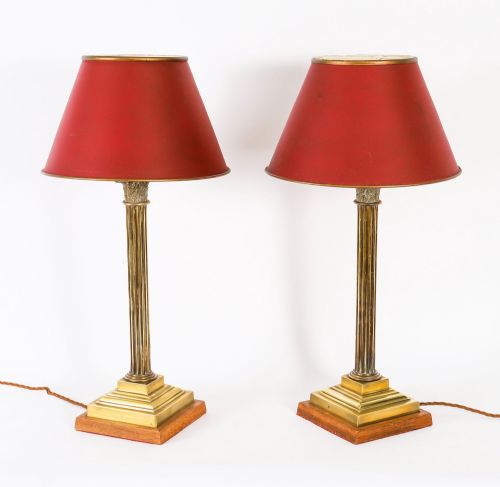
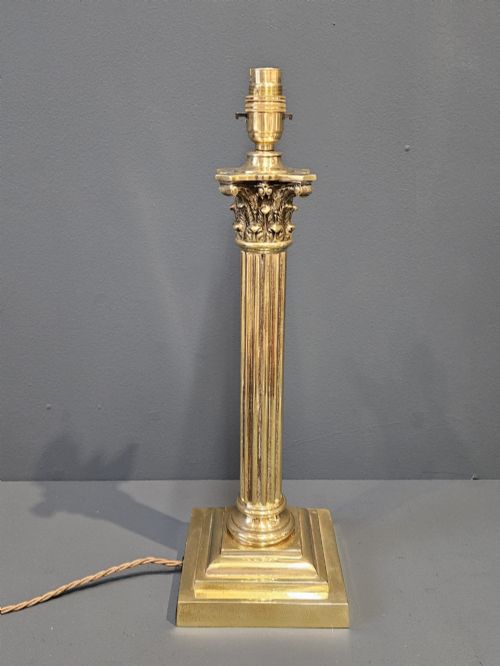
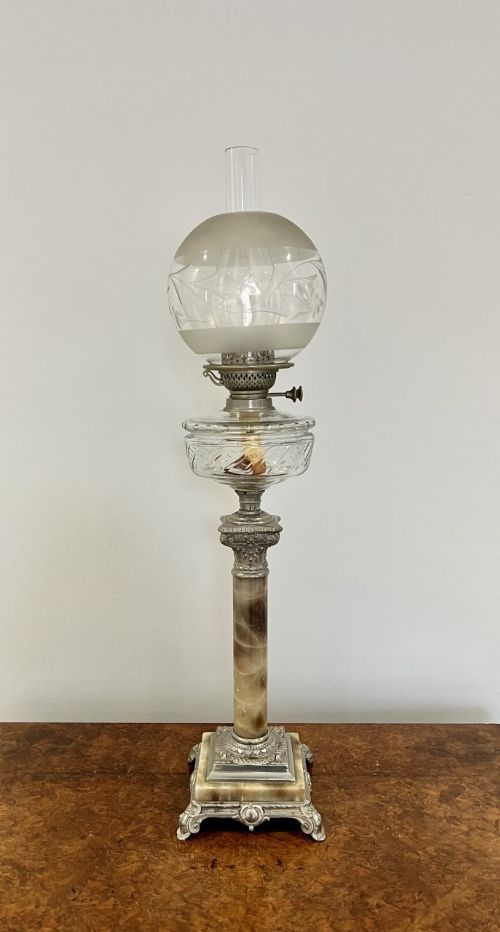
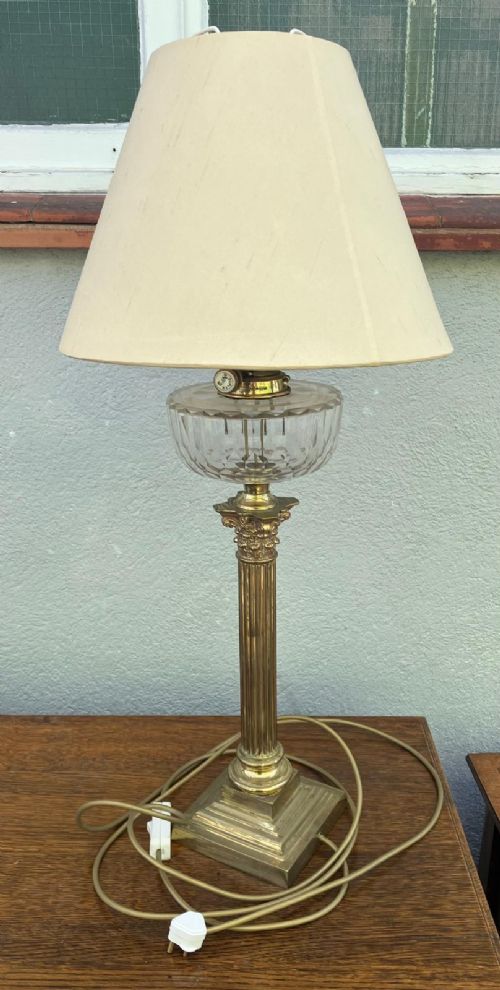
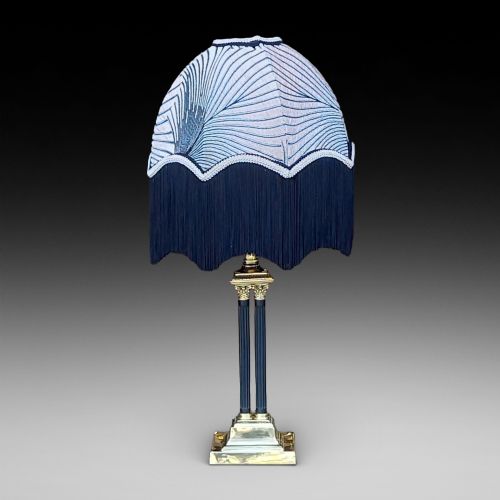
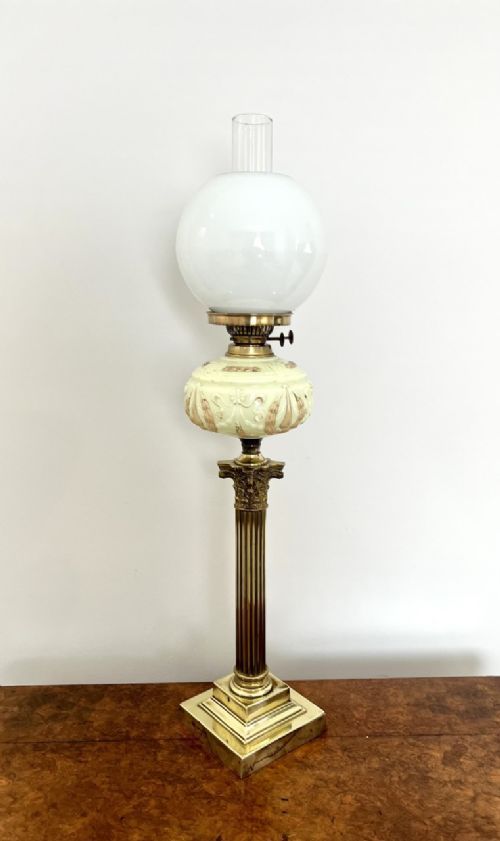
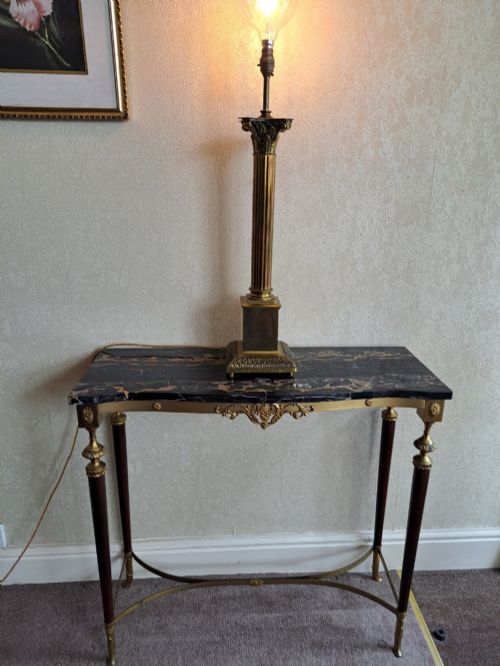
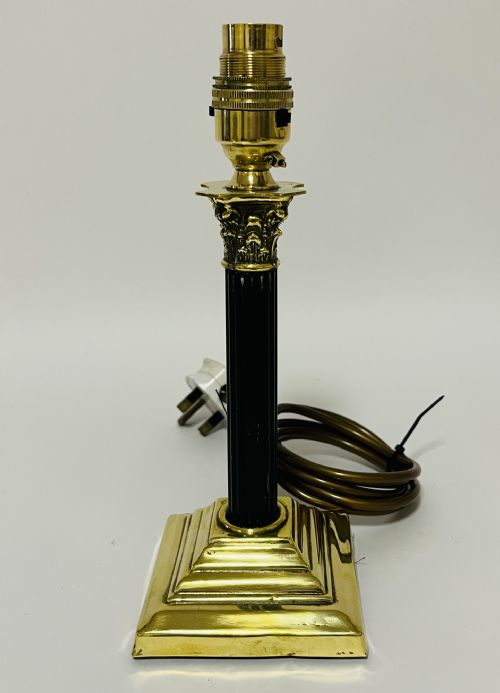
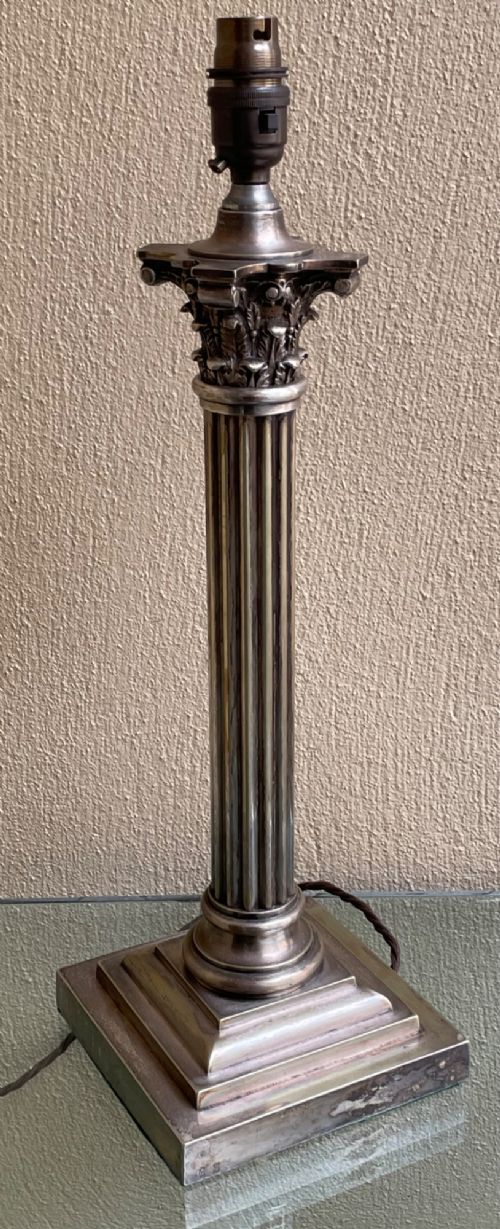
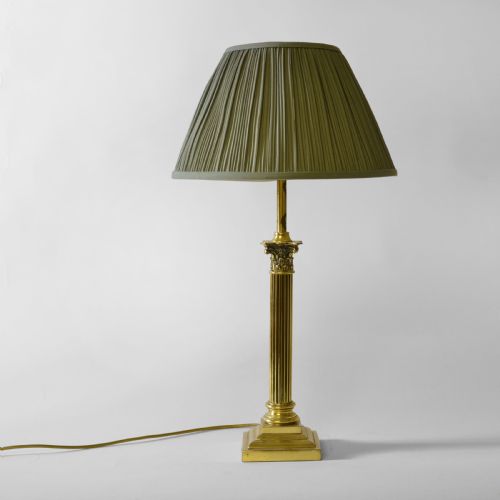
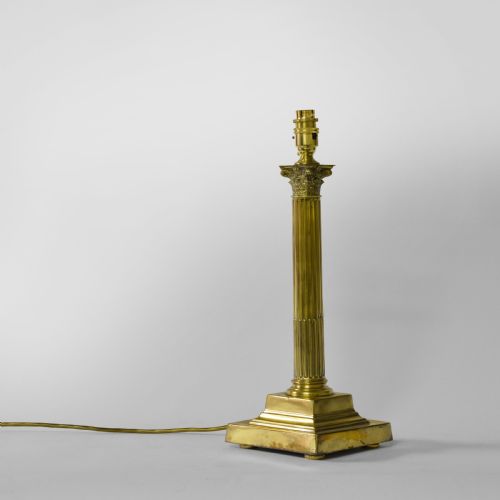
A brass corinthian table lamp brings classical architecture into a room, standing on a fluted column and a stepped square base.
Brass Corinthian Table Lamp
A brass corinthian table lamp is primarily defined by its classical architectural capital, mimicking ancient Greek stone buildings in polished metal. These pieces appear across Victorian, Edwardian, and early twentieth-century periods, often originating as burning oil lamps before later conversion to electricity.
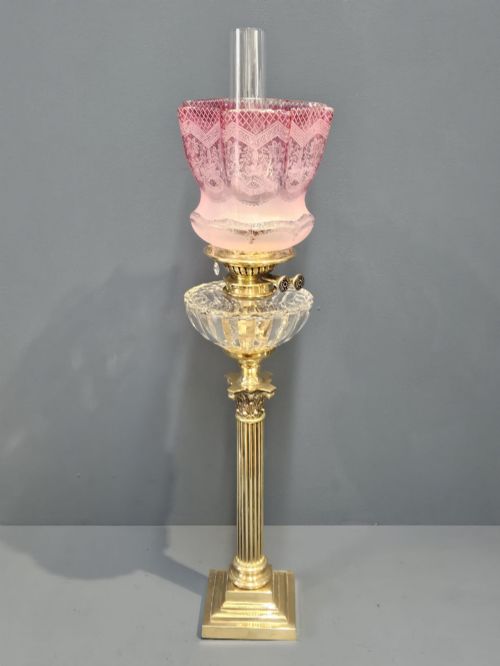
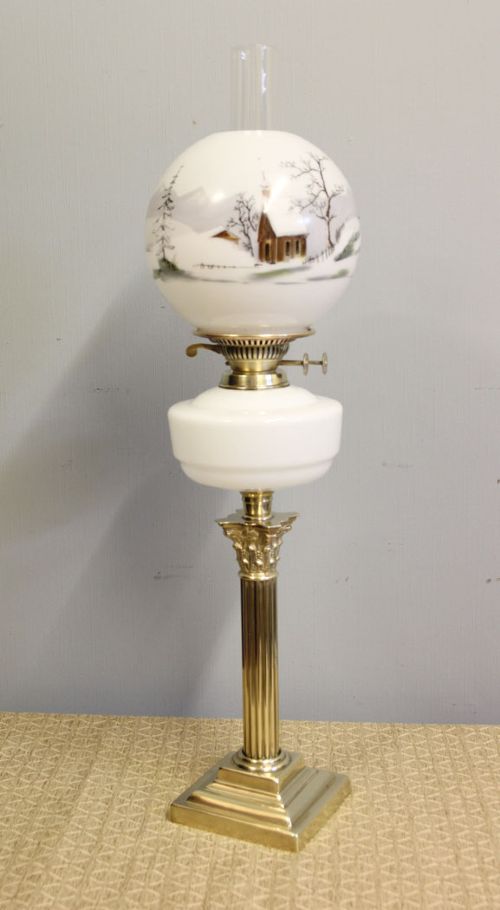
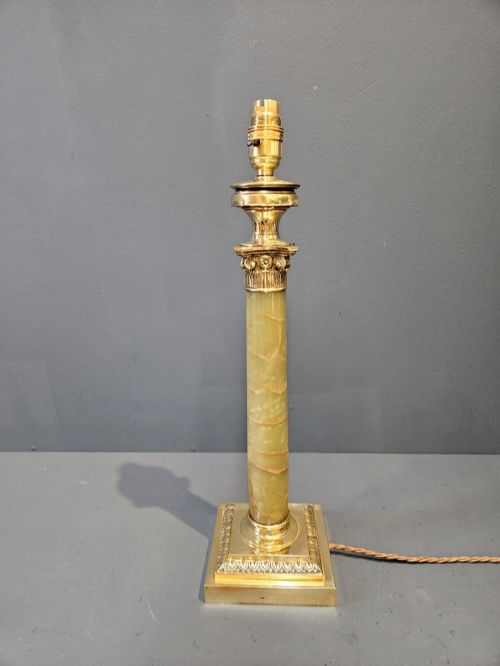
The standard form utilises a tall metallic shaft, sometimes paired with marble, onyx, or cut glass fonts, topped by detailed acanthus leaves at the corners. Collectors encounter single examples alongside matched pairs, ranging from stubby desk heights to large floor-standing standard lamps.
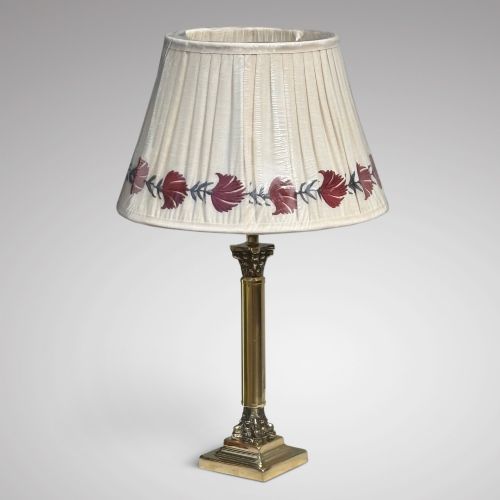
Makers integrated various glass shades over time, including etched tulip designs and coloured cranberry vessels, which sit atop the metal columns to complete the silhouette.
Materials and construction
Constructed predominantly from cast and sheet brass, these lamps often incorporate heavy weighted bases to support their height and any glass shade attached above. Makers frequently combined the metalwork with contrasting materials like white marble or coloured glass fonts to add visual depth.
The distinct capital utilises detailed casting techniques to form the volutes and acanthus leaves characteristic of the classical order. Many surviving examples show evidence of adaptation, having been converted from original paraffin or oil burners to accept modern electrical wiring.
Brass Corinthian Table Lamp Retail Price Guide 2026
Typical asking prices for brass corinthian table lamp among the pieces listed under this phrase on Sellingantiques today, from the lower quarter to the upper quarter. They describe what is for sale here now, not the wider market.
Listings feature brass, glass, marble, and onyx materials across Victorian and Edwardian periods.
Judging quality and proportion
Quality in a brass corinthian table lamp rests on the crispness of the casting detail in the capital, where sharper acanthus leaves and well-defined volutes separate superior examples from softer, mass-produced variants. Scale and balance also dictate value, with taller columns requiring substantial weight and correct proportions to remain stable.
The inclusion of original maker stamps, combined elements such as undamaged cranberry glass or variegated marble bases, and heavy-gauge brass fabrication elevate certain pieces far above standard utility lighting.
Hinks of Birmingham·Hinks and Sons
The Brass Corinthian Table Lamp Glossary
- Capital
- The decorative topmost member of a column, featuring carved or cast acanthus leaves and scrollwork in the corinthian style. This architectural element forms the visual crown of the lamp shaft.
- Duplex
- A double-burner mechanism found on period oil lamps that allowed two wicks to burn simultaneously for brighter illumination. These burners often bear maker names like Hinks.
- Acanthus
- A carved or cast leaf ornament modeled on the Mediterranean plant of the same name, appearing on the corners of the capital. It is a defining feature of neoclassical metalwork.
- Standard lamp
- A tall floor-standing version of the table lamp, sometimes fitted with an adjustable height mechanism. These share the same classical column architecture.
Brass Corinthian Table Lamp: Frequently Asked Questions
How do I wire an old oil lamp?
Converting a period oil lamp to electricity typically involves running a cord through the central column without damaging the original metalwork. Many vintage pieces arrive already adapted for modern plugs.
It is advisable to have a professional electrician handle the rewiring to ensure safety while preserving the historical structure of the brass and font.
Were these always electric?
Most examples from the nineteenth and early twentieth centuries began life as paraffin or oil burning lamps before later conversions. They utilised glass fonts and duplex burners to produce light.
As domestic electricity spread, workshops retrofitted the metal columns with lamp holders, rendering the original fuel reservoirs obsolete.
How do I clean antique brass?
Maintaining brass surfaces requires gentle dusting and occasional wiping with a soft cloth to preserve the natural patina built up over decades. Aggressive polishing removes the aged finish that collectors value.
Harsh chemical cleaners should be avoided entirely, as they can strip the historic surface and damage adjacent glass or marble components.
How do I date my lamp?
Dating relies on examining the construction methods, base weights, burner mechanisms, and any maker stamps impressed into the metal or turning knobs. Victorian examples often feature heavier cast components compared to later Edwardian pieces.
Stylistic shifts toward neoclassical revival help narrow the manufacturing window between the late nineteenth century and the early twentieth century.