





Nineteenth Century Oil Lamp
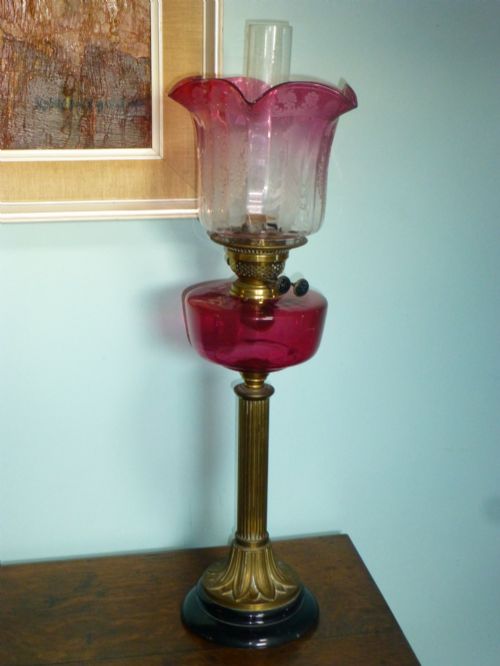
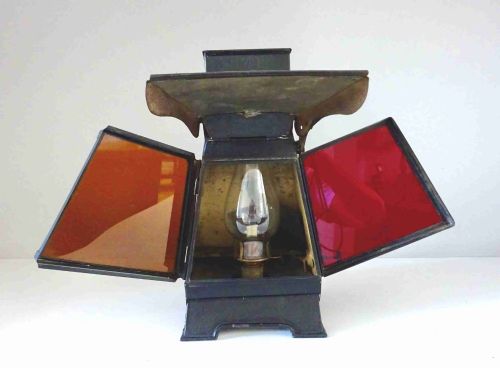
These nineteenth century oil lamp examples bring nineteenth century lighting into a room, combining brass, glass, porcelain, and carved exotic hardwoods.
What nineteenth century oil lamp designs include
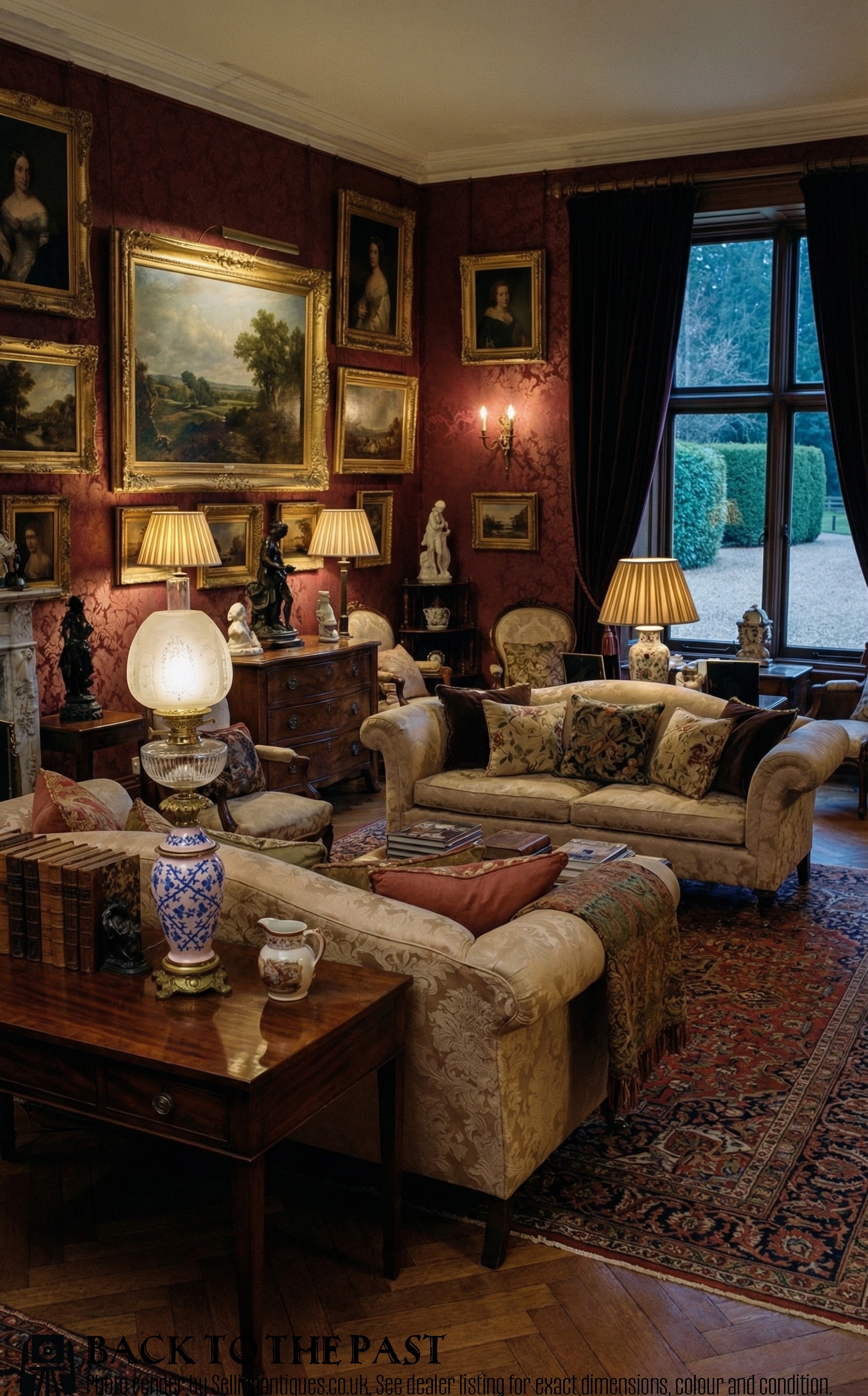
A nineteenth century oil lamp serves as a functional lighting piece from the nineteenth century, encompassing tall duplex double burner models and standard domestic oil lamps. The examples recorded here span the Victorian era, including pieces dated to eighteen sixty and circa eighteen eighty.
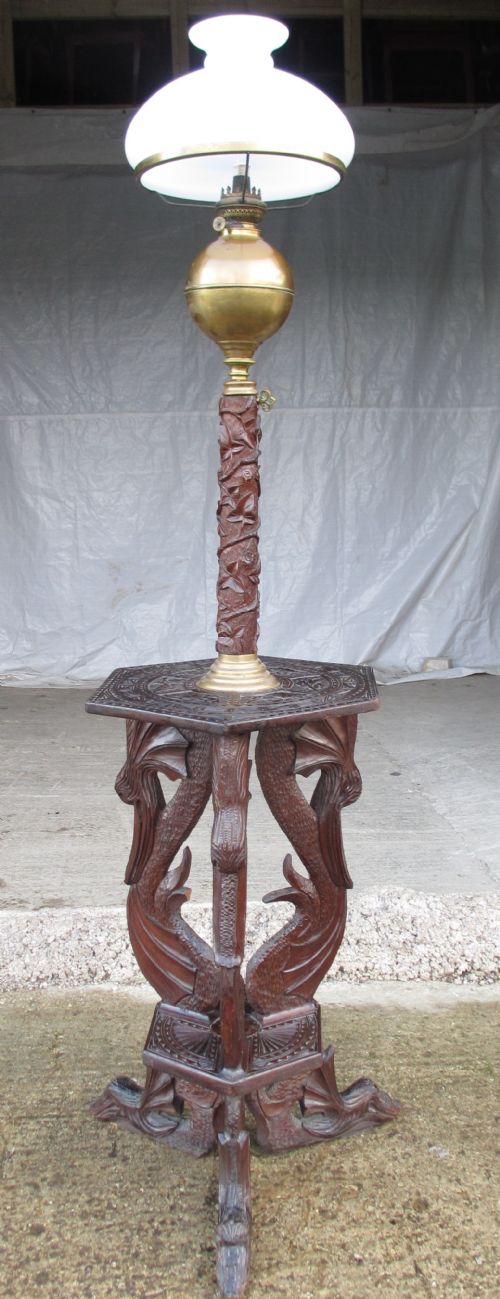
Forms range from table pieces to large floor lamps and adjustable reading lights. Materials extend beyond standard ceramics to incorporate cranberry glass reservoirs and carved padouk and teak elements.
The aesthetic vocabulary stretches from simple brass bodies to French Rococo Revival ornamentation and Anglo-Burmese carving styles. Buyers encounter both ceramic reservoirs and metal columns designed to hold fuel safely.
Materials and construction
Makers utilised brass, porcelain, and glass, frequently combining them within a single nineteenth century oil lamp. Cranberry glass provides distinct coloured reservoirs, while padouk and teak form the structural bases of specialised floor standards.
Metal components involve casting and turning, particularly for the brass burners and columns. Wood sections feature detailed carving, especially in Anglo-Burmese pieces, while porcelain bodies employ painted or glazed decorative finishes.
Retail Price Guide 2026
Typical UK retail prices for nineteenth century oil lamp, calculated from the Sellingantiques database of over a million retail prices indexed since 2003. This retail price guide relies exclusively on Sellingantiques data; no external sources or auction records are used, so the figures do not describe the wider market.
Current listings for a nineteenth century oil lamp incorporate brass, glass, porcelain, cranberry glass, padouk, and teak.
Distinctions in standard
Quality in a nineteenth century oil lamp rests on the complexity of the materials and the ambition of the form. Tall duplex double burner configurations and large porcelain bodies represent higher ambition than basic brass utilitarian examples.
The inclusion of carved padouk and teak or specialised cranberry glass elevates a piece above standard production. Finer items demonstrate careful integration of adjustable mechanisms alongside decorative porcelain or glass components.
The Nineteenth Century Oil Lamp Glossary
- Duplex burner
- A double-wick burner system designed to provide increased illumination from a single nineteenth century oil lamp. This setup required two wicks operated simultaneously.
- Cranberry glass
- A rich pinkish-red glass created by adding gold chloride to the molten batch. It appears frequently in nineteenth century oil lamp reservoirs.
- Anglo-Burmese
- A design style produced during the nineteenth century combining British furniture forms with traditional Burmese carving techniques. This style appears on wooden lamp standards.
- French Rococo Revival
- A decorative style popular in the nineteenth century featuring asymmetrical scrollwork, naturalistic motifs, and ornate curves. It influences the mounts and bases of porcelain lamps.
Frequently Asked Questions
How do these lamps function?
These pieces operate by drawing fuel up through a wick to produce a steady flame, regulated by a metal burner mechanism at the top.
Most utilise a glass chimney to stabilise the draft and protect the flame from flickering in a domestic interior.
Were they used for reading?
Larger examples, particularly adjustable floor models, were positioned beside chairs and desks to provide focused illumination for reading and needlework.
Table versions served as general room lighting before the widespread adoption of domestic electricity.
How do I identify the period?
Dating relies on stylistic clues such as French Rococo Revival ornament, Anglo-Burmese carving, and the specific composition of the brass and porcelain components.
Materials like cranberry glass and specific burner patents also help narrow the manufacturing window within the nineteenth century.
Can I use them with oil?
Many buyers convert these nineteenth century oil lamp pieces for modern electrical use to display them safely in contemporary homes.
Retaining original burners and reservoirs without conversion is also common for decorative display purposes.